
Quantification of Non-Intentionally Added Substances in Food Packaging
Non-intentionally added substance quantification requires high-resolution mass spectrometry screening paired with toxicological threshold evaluation for safe compliance.
Non-intentionally added substance quantification requires high-resolution mass spectrometry screening paired with toxicological threshold evaluation for safe compliance.

Auditing converter food contact declarations requires cross-referencing batch test reports, simulant conditions, dual-use additives, and NIAS screening data.
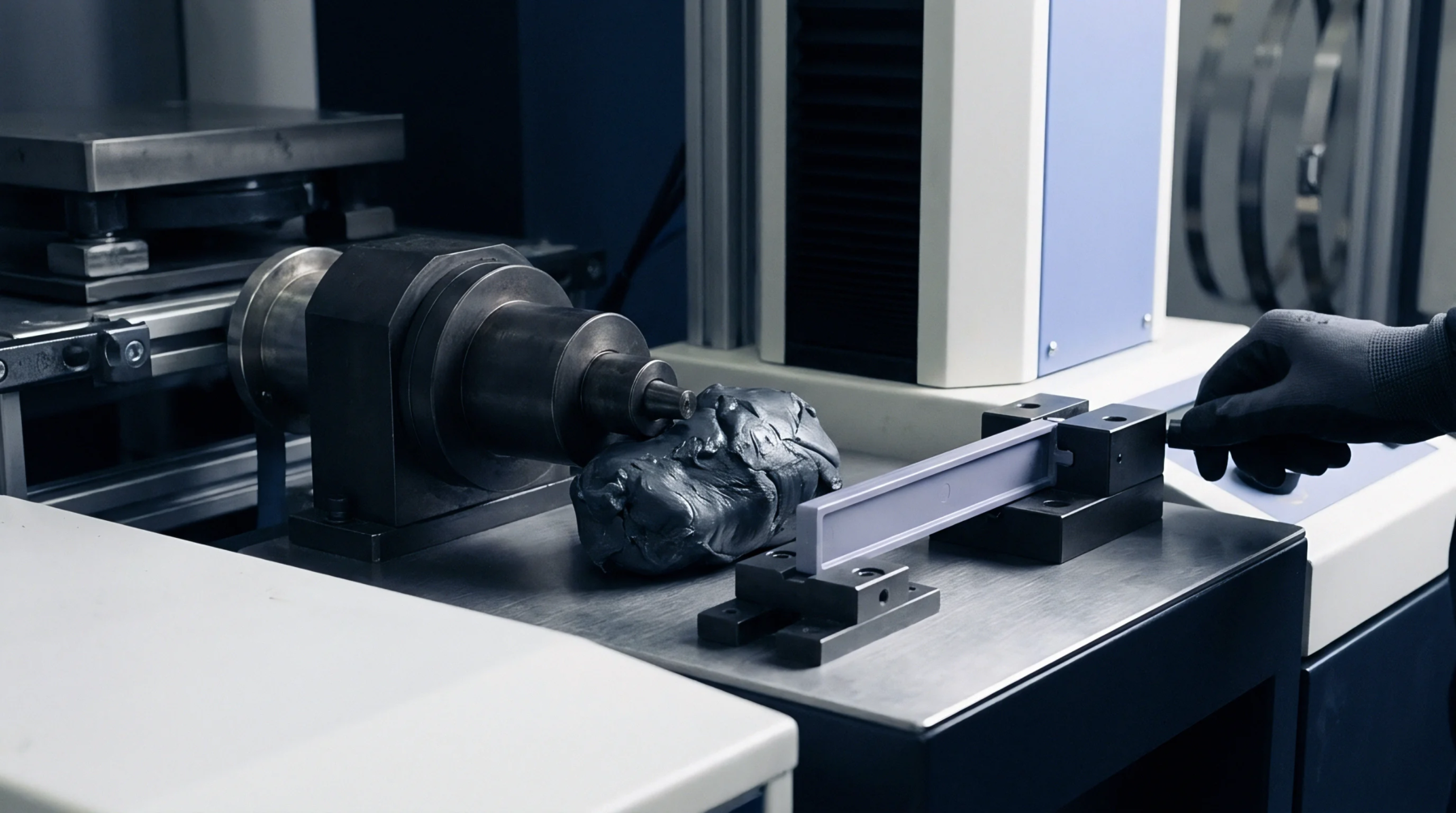
Co-extracted polymer matrix components suppress electrospray ionization signals, requiring isotopologue compensation to prevent false migration compliance.

Resolve proprietary food packaging data barriers through third-party escrow clearance, functional barrier diffusion modeling, and non-targeted screening.

Analytical verification of NIAS in multi-layer barrier films requires high-resolution mass spectrometry screening backed by toxicological threshold classification.

Chinese food contact plastic declaration files require accredited GB standard migration reports, complete additive SML tracking, and strict lot traceability.

Non-targeted HRMS screening of masterbatches under realistic thermal profiles closes analytical gaps that supplier raw-material declarations leave open.

Compliance relies on matching food simulants to actual contact conditions, verifying specific migration limits, and auditing complete batch supply chains.

Clearance of imported food packaging requires matching exact batch lot numbers across invoices, declarations of conformity, and ISO 17025 accredited migration test reports.

Reconciling supplier additive disclosures with NIAS risk assessments requires non-targeted screening, TTC calculations, and confidential third-party audits.

European food contact polymer compliance mandates measuring total migration below 10 mg/dm² and specific migration limits using exact simulants and conditions.

Cramer structural classification sets exposure thresholds for unlisted packaging migrants, turning molecular features into defensible specific migration limits.

Cross-border polymer migration compliance requires testing finished articles under verified worst-case simulants, contact times, and surface-to-volume ratios.

Structure cross-border packaging contracts with statutory compliance warranties, lot-matched testing dossiers, and letter-of-credit clearance milestones.
Verify bulk plastic packaging against pre-production certificates using lot-specific AQL dock sampling, ATR-FTIR screening, and full DoC dossier traceability.

Auditing food contact declarations requires matching batch numbers to accredited migration reports, verifying worst-case simulant choices, and testing NIAS.

Base polymer declarations certify monomer purity at the reactor gate but omit all converter additives, breakdown products, and finished article migration limits.

Food contact declarations for custom molded plastics require finished part migration testing to cover processing degradation and additive changes beyond raw resin certificates.

Verify bulk container lots against test certificates using statistical ISO 2859-1 sampling and simulant migration screening before releasing payment.

Thermal breakdown of aromatic polyurethane packaging adhesives during heat sealing and retort generates primary aromatic amines requiring LC-MS/MS verification under EU food contact rules.

Verify primary aromatic amine compliance by demanding LC-MS/MS test reports for finished converted articles tested in 3% acetic acid under batch-matched DoCs.

Testing plastic food contact articles under China GB 4806 and EU Regulation 10/2011 requires harmonizing simulant choices, thresholds, and batch trace files.

Border rejection notifications provide empirical chemical failure data to screen foreign packaging suppliers, update lot sampling rates, and enforce contract indemnities.
Expertise is a utility, not a secret. sentiention™ publishes its working knowledge as open reference: intelligence layer covering the materials it sources, the markets it enters, and the reference that serves both.