
Evaluating Hydrocarbon Oligomer Migration in Flexible Polyethylene Packaging
Evaluating oligomer migration in polyethylene packaging requires measuring C12-C45 POSH fractions via HPLC-GC-FID against specific migration limits.
Evaluating oligomer migration in polyethylene packaging requires measuring C12-C45 POSH fractions via HPLC-GC-FID against specific migration limits.

Reconciling masterbatch dosages with specific migration limits requires calculating active concentration, accounting for thermal loss, and verifying compliance by testing.

Auditing converter food contact declarations requires cross-referencing batch test reports, simulant conditions, dual-use additives, and NIAS screening data.

Compliance files require measuring migration against specific limits, adjusting for dual-use direct food additive allowances, and verifying raw material data.

Dual use additive management demands specific identity flow from resin compounders to food packers to satisfy direct food additive maximum limits.

Selecting substitute simulants for recycled polyolefin fatty food verification requires matching swelling kinetics to prevent over-extraction while satisfying EN 1186 rules.

Polyolefin oligomer humps in HDPE mimic mineral oil on LC-GC-FID; compliance requires GCxGC-TOFMS spectral deconvolution and specific migration on Tenax.
Finite difference diffusion modeling provides legally accepted migration estimates for polyolefin oligomers when parameterized with conservative barrier coefficients.

Verifying food contact reports against resin specifications requires matching batch numbers, validating simulants, and recalculating surface contact ratios.
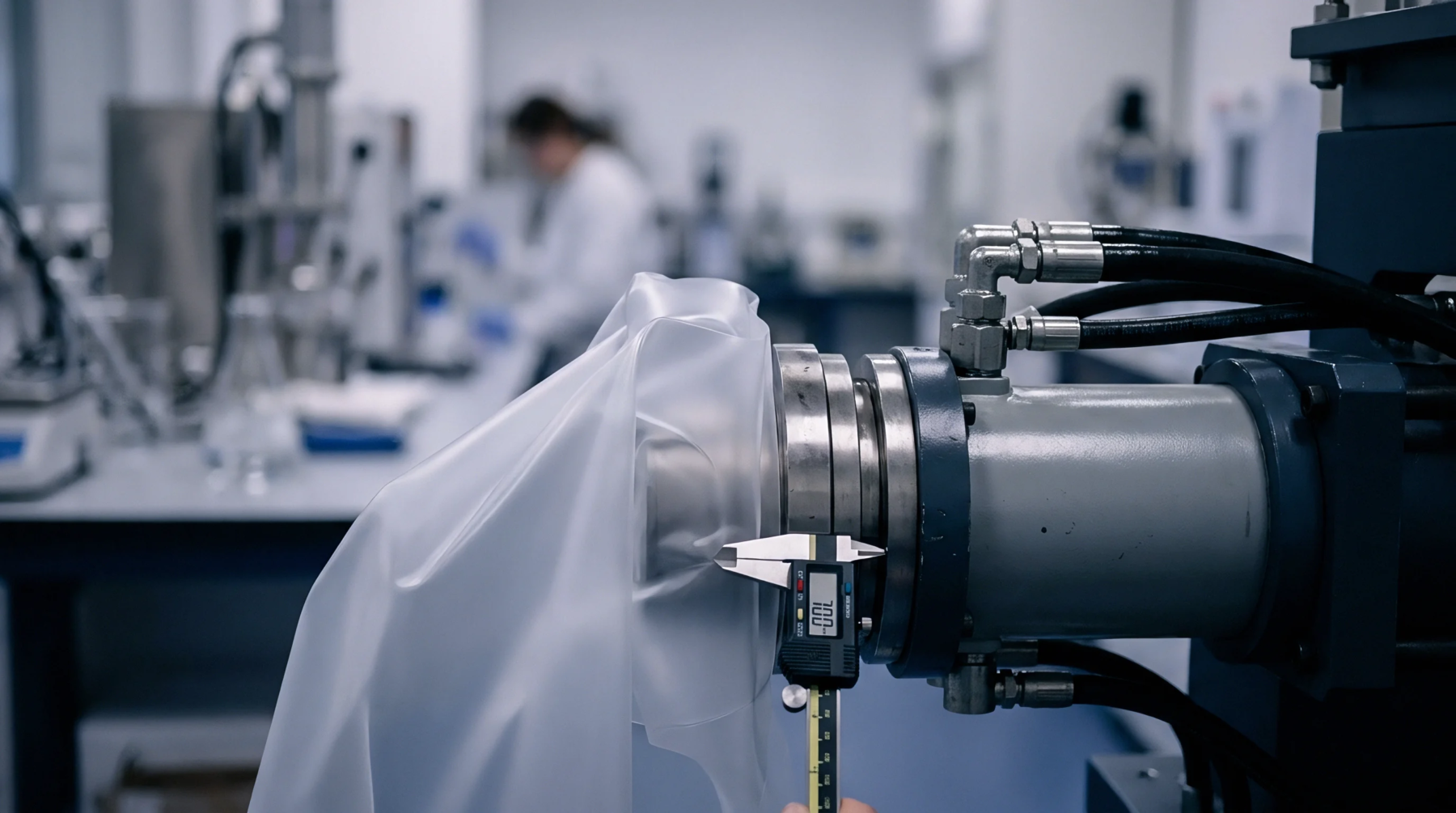
Calibrating specific diffusion activation energies reduces high-temperature migration overestimations, securing defensible food-contact compliance dossiers.

Verify migration compliance using finished container single-sided cell tests, worst-case simulant conditions, and batch-matched documentation.

EU food simulant and condition selection requires matching food chemistry and thermal exposure to Regulation 10/2011 matrices to secure legal market access.

Analytical screening of additive degradation products in rigid packaging demands hyphenated mass spectrometry matched against finished container migration testing.

Clearance of imported food packaging requires matching exact batch lot numbers across invoices, declarations of conformity, and ISO 17025 accredited migration test reports.

Verifying food contact compliance for polymer granulates connects batch migration test data to resin chemistry, valid declarations, and specific end-use limits.

Dual-use additives migrating from plastic packaging into food must satisfy both packaging specific migration limits and direct food additive maximum levels.

European food contact polymer compliance mandates measuring total migration below 10 mg/dm² and specific migration limits using exact simulants and conditions.

Auditing converter additive disclosures against container migration limits requires screening recipe dosages against diffusion kinetics and analytical test results.

Mandatory upstream disclosure of dual-use additive identities and migration potential enables downstream food packers to verify total food additive compliance.
Groundwork for identifying non-intentionally added photoinitiators in polyolefins requires high-resolution mass spectrometry and toxicological screening.

Deriving polyolefin hydrocarbon hump compliance requires LC-GC-FID fraction isolation and Cramer Class derivation to set verifiable limits against migration test data.

Food contact declarations for custom molded plastics require finished part migration testing to cover processing degradation and additive changes beyond raw resin certificates.
Thermal breakdown of aromatic polyurethane packaging adhesives during heat sealing and retort generates primary aromatic amines requiring LC-MS/MS verification under EU food contact rules.

Analytical screening for recycled polyolefin food contact articles requires mass spectrometry thresholds below 10 ppb to prove compliance under EU rules.

Testing plastic food contact articles under China GB 4806 and EU Regulation 10/2011 requires harmonizing simulant choices, thresholds, and batch trace files.
Expertise is a utility, not a secret. sentiention™ publishes its working knowledge as open reference: intelligence layer covering the materials it sources, the markets it enters, and the reference that serves both.