Vaporization Coulometry Moisture Analysis in Industrial Polyesters
Coulometric vaporization titration under ISO 15512 Method B2 quantifies trace moisture in industrial polyesters to prevent hydrolytic degradation during melt extrusion.

Stoichiometry
Electrochemical titration measures trace water desorbed from solid polymer matrices. Industrial polyesters such as polyethylene terephthalate, polybutylene terephthalate, and polyethylene naphthalate degrade rapidly through hydrolysis when melt-processed in the presence of moisture. At processing temperatures between 260 and 300 degrees Celsius, water cleaves ester bonds along the polymer backbone via nucleophilic substitution.
This scission reduces molecular weight, leading to a sharp drop in intrinsic viscosity, loss of melt strength, and brittle failures in extruded sheet or injection-molded preforms. Controlling residual moisture below strict thresholds before extrusion prevents this structural breakdown in finished parts.
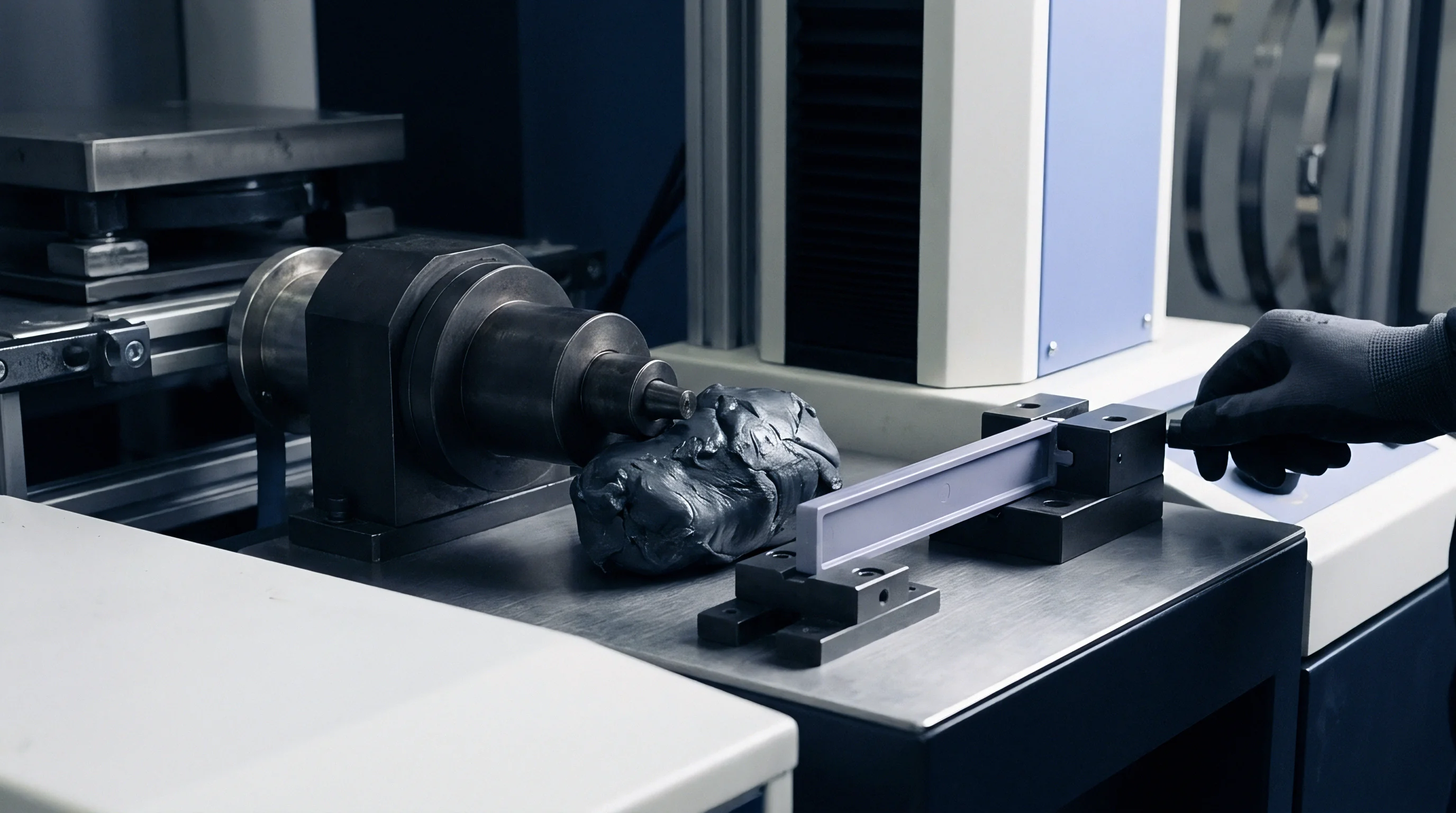
Direct volumetric Karl Fischer titration fails on solid polyesters because the resin does not dissolve in standard alcohol reagents at ambient temperatures. Loss-on-drying equipment lacks the chemical specificity and microgram sensitivity needed for low-moisture industrial grades. Vaporization coulometry instead heats the polymer sample inside an airtight oven chamber, sweeping the desorbed moisture into a coulometric cell with a dry carrier gas.
The vaporized water enters an anodic reagent containing iodide ions, sulfur dioxide, an amine base, and methanol, where an electrochemical reaction consumes iodine in a strict stoichiometric ratio with water.
Ester Hydrolysis and Chemical Detection Limits
Polyester polymers undergo rapid chain cleavage when exposed to heat and moisture. Each water molecule breaks a high-molecular-weight ester link, yielding one carboxylic acid and one hydroxyl end-group. The generated carboxylic acid then acts as an autocatalyst, accelerating chain scission as melt residence time progresses.
Virgin polyethylene terephthalate specified for technical yarn or carbonated beverage preforms demands a residual moisture limit below 30 parts per million. Polybutylene terephthalate engineered for electrical connectors requires moisture levels under 20 parts per million to prevent dielectric breakdown and terminal pin loosening during processing.
Coulometric detection provides absolute quantitative determination based on Faraday law. Electrolytic oxidation generates free iodine at the cell anode from iodide ions in the reagent solution, and the instrument tracks the total electrical charge passed to drive this reaction. One molecule of water consumes exactly one molecule of iodine during the chemical reduction of sulfur dioxide.
Transferred electrical charge translates directly to water mass, where 10.72 Coulombs corresponds to exactly 1.00 milligram of pure water.
Drying virgin PET pellets to a residual water content below 0.003 percent by weight at 160 degrees Celsius prevents critical intrinsic viscosity losses during processing.

Electrochemical Generation of Anodic Reagents
Titration reagents inside the coulometric cell regenerate iodine continuously as current is applied. The formulation uses an organic base such as imidazole or diethanolamine to neutralize acidic reaction products, maintaining cell pH between 5.0 and 7.0. Methanol or specialized long-chain alcohols serve as solvents that stabilize intermediate alkylsulfite complexes.
When dry nitrogen carries vaporized water from the furnace into the cell, this chemical equilibrium shifts, triggering an automated current pulse across the generator electrodes.
Cell sensitivity permits detection down to 1.0 microgram of water. High-precision coulometers maintain background noise levels below 0.1 micrograms per minute under steady laboratory conditions. Sample mass determination must balance detection limits against total water mass delivered to the cell.
Solid resin samples ranging from 1.0 to 5.0 grams supply sufficient water to land within the optimal current output band of the instrument. Secondary electrochemical reactions can also occur when unreacted cyclic oligomers enter the coulometric titration cell along with the carrier gas.


Heat
Thermal desorption units separate water from non-volatile polymer chains before carrier gas enters the titration cell. Heating the sample above its glass transition temperature accelerates water diffusion through the solid pellet matrix, while heating beyond the melting point rapidly releases trapped core moisture. Oven temperature settings control desorption speed while minimizing thermal degradation.
Optimizing the sample heating profile prevents the release of interfering volatile degradation products, while inorganic components like titanium dioxide remain chemically inert.
Polyethylene terephthalate requires oven heating between 160 and 200 degrees Celsius, depending on its crystallization state, whereas polybutylene terephthalate desorbs water efficiently between 180 and 210 degrees Celsius. Excessive temperatures trigger pyrolytic chain cleavage, yielding acetaldehyde, terephthalic acid, cyclic monomers, and water. Moisture generated by this degradation distorts the test reading, producing artificially high values that misrepresent actual material readiness.

Thermal Windows for Volatile Water Desorption
Target heating profiles depend on the glass transition and melting behavior of the specific resin. Amorphous polyesters release moisture at lower temperatures than highly crystalline grades. Oven ramp rates and dwell times must give deep core moisture time to diffuse to the pellet surface before the instrument closes its integration window.
Standard pellet sizes between 2.0 and 3.0 millimeters require a minimum dwell time of 10 to 15 minutes at temperature to ensure complete extraction.
Carrier gas selection directly affects thermal desorption efficiency. Dry nitrogen purified to a dewpoint below minus 60 degrees Celsius serves as the standard sweeping medium to prevent ambient interference. Compressed air passed through molecular sieve desiccant towers can be substituted if nitrogen is unavailable.
Flow rates set between 100 and 300 milliliters per minute transport vaporized moisture from the furnace tube through heated transfer lines without causing turbulence inside the titration vessel.
| Polyester Resin Type | Glass Transition (°C) | Melting Peak (°C) | Optimal Vaporization Temp (°C) | Sublimation Risk Species | Max Heating Time (min) |
|---|---|---|---|---|---|
| PET (Bottle Grade) | 78–82 | 245–255 | 170–180 | Acetaldehyde, Cyclic Trimers | 20 |
| PET (Engineering Grade) | 75–85 | 250–260 | 180–190 | Phosphite Stabilizers, Trimers | 15 |
| PBT (Unfilled) | 35–45 | 223–228 | 180–200 | Tetrahydrofuran, Tetramers | 15 |
| PBT (30% Glass Filled) | 40–50 | 224–230 | 190–205 | Silane Coupling Agents | 12 |
| PEN (Homopolymer) | 120–125 | 268–275 | 200–220 | Naphthalene Derivatives | 20 |
Managing Oligomer Sublimation in Carrier Lines
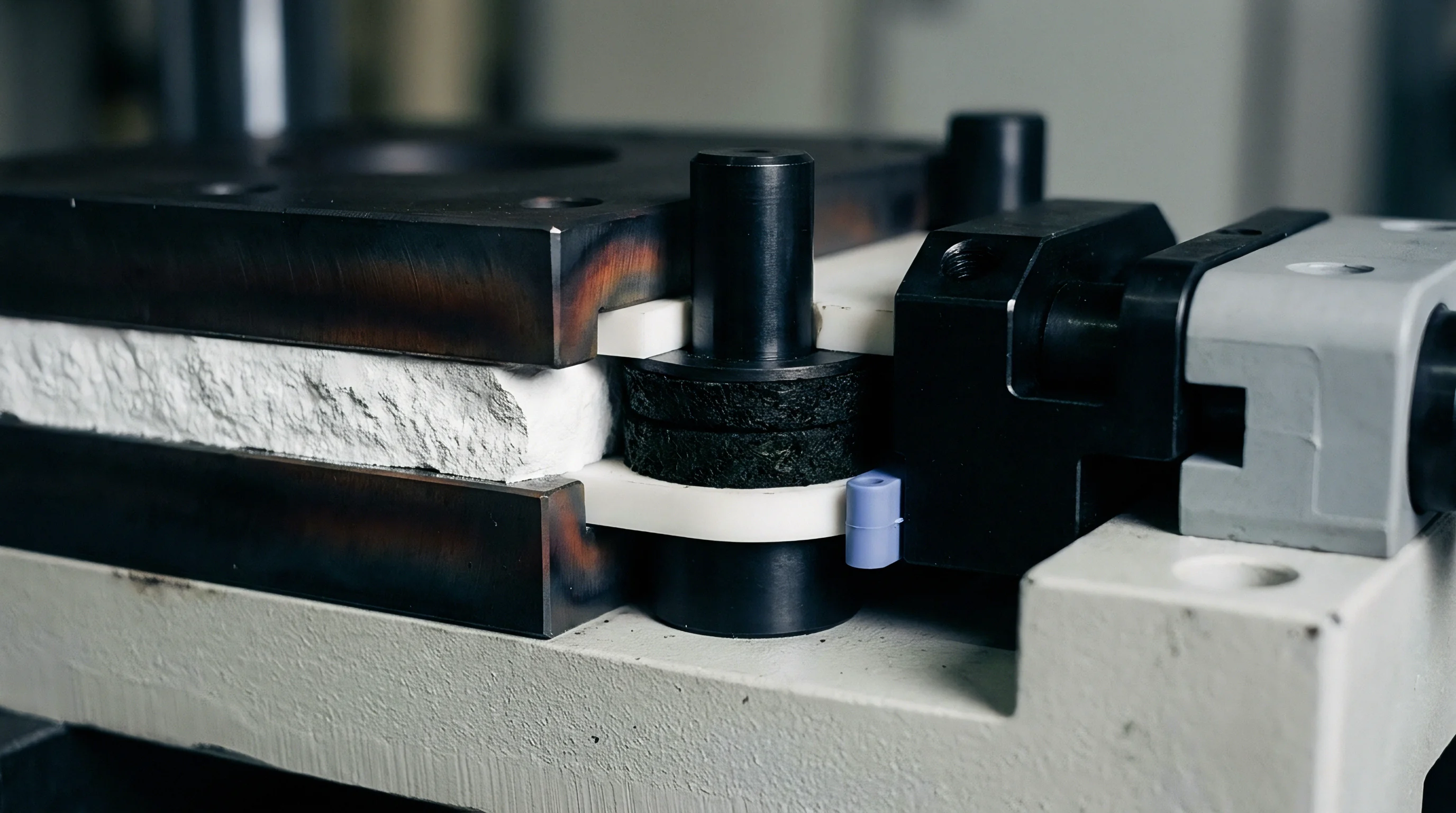
Low molecular weight species vaporize alongside absorbed moisture at elevated oven temperatures. Cyclic trimers in PET and cyclic tetramers in PBT sublime under heat, depositing white crystalline powders on cooler surfaces along the transfer pathway. Their accumulation inside narrow glass transport tubes restricts carrier gas flow, causing pressure spikes and incomplete moisture transfer to the cell.
Maintaining transfer lines at 110 to 130 degrees Celsius prevents oligomers from condensing before the carrier gas reaches the titration vessel. Replaceable glass wool plugs or PTFE aerosol filters installed at the furnace exit trap solid sublimates. Regular filter changes keep transport tubing clear, preserving flow rate accuracy and preventing baseline drift during continuous testing.
Vial caps should feature high-temperature septa lined with inert aluminum or PTFE coatings so seals do not degrade under heat.
Selecting the proper desorption temperature ultimately balances rapid diffusion against thermal degradation.

Drift
Ambient moisture leaking into the carrier gas stream creates constant baseline signal inflation. Drift represents the background rate of water detection by the cell when no sample is desorbing. It stems from atmospheric humidity penetrating tube fittings, carrier gas impurities, or residual moisture on glassware walls.
High baseline drift degrades analytical precision, masking genuine low-ppm water signals from industrial polyester samples.
Managing baseline drift requires continuous system isolation. Before introducing resin samples, carrier gas is run through the furnace assembly until drift drops below a stable threshold. Standard protocols accept baseline drift rates below 0.2 micrograms of water per minute; readings above 0.5 micrograms per minute point to poor carrier gas drying, leaking septa, or exhausted cell reagents.
Can Side Reactions Corrupt Coulometric Reagents?
Chemical additives present in industrial resin formulations frequently react directly with iodine. Phosphite antioxidants, amine heat stabilizers, and active epoxy chain extenders strip iodine from the reagent without water participating. This direct halogen consumption mimics moisture detection, yielding falsely elevated values.
Formulations containing modified alcohol solvents suppress these side reactions and mitigate parasitic iodine loss.
Volatile aldehydes generated during thermal sample conditioning react with methanol in standard Karl Fischer reagents, forming acetals and water. This condensation water then reacts with iodine, creating artificial moisture counts that build up over time. Switching to methanol-free coulometric reagents formulated with long-chain aliphatic alcohols prevents acetal formation, stabilizing baseline current during extended testing.
Contractual delivery requirements specifying compliance with ISO 15512 Method B2 bind the resin compounder to documented drift readings below zero point two micrograms per minute.

Background Subtraction and Carrier Gas Equilibrium
Establishing steady carrier gas flow through dry tubing stabilizes the baseline before sample insertion. Modern instruments run automated background subtraction, recording the baseline drift rate immediately before sample heating begins and subtracting that microgram-per-minute rate continuously from the integration curve throughout the test.
- Purge carrier gas lines for 30 minutes at a flow rate of 150 milliliters per minute to remove residual pipe moisture.
- Set the sample furnace temperature controller to the target desorption level for the specific polyester grade under evaluation.
- Heat empty sample vials sealed with PTFE septa inside the furnace tube to establish vial baseline drift.
- Confirm that background drift stabilizes below 0.2 micrograms of water per minute for three consecutive minutes.
- Transfer the weighed polymer sample into a pre-dried vial, seal the aluminum cap instantly using a pneumatic crimper, and insert the vial into the furnace heating chamber.
- Initiate coulometric integration and monitor the water extraction curve until drift returns to the pre-established baseline value.
Although sealed septa prevent atmospheric water ingress, background subtraction errors grow if baseline drift fluctuates during a run. Unstable room temperatures or variable carrier gas pressures shift drift rates, corrupting final moisture figures. Running tests in climate-controlled environments maintains instrument stability and keeps error margins within tolerance; otherwise, baseline drift shifts can lead directly to wrong resin acceptance decisions, resulting in scrapped lots or unnecessary drying line shutdowns.

Interference
Volatile organic compounds released during thermal conditioning can alter titration cell chemistry. Industrial polyesters contain additive packages that include flame retardants, nucleating agents, impact modifiers, and lubricants. When heated inside the oven, low-molecular-weight additives or thermal byproducts pass into the carrier gas stream along with desorbed water, triggering side reactions that artificially inflate reported moisture levels.
Antimony trioxide catalysts used in PET synthesis remain inert inside the vaporization furnace at standard test temperatures, and hindered phenol antioxidants do not volatilize significantly below 200 degrees Celsius. However, acidic chain extenders and reactive epoxy additives vaporize at higher settings, reacting directly with cell reagents. Identifying interferences requires evaluating resin formulations across multiple temperature steps to separate genuine water desorption from additive degradation curves.

Aldehyde and Compound Reactive Interferences
Thermal degradation of polyethylene terephthalate releases acetaldehyde and formaldehyde during heating. These aldehydes are oxidized by iodine in standard coulometric solutions, consuming reagent and registering as false moisture. The reaction follows a 1:1 molar stoichiometry where one mole of aldehyde consumes one mole of iodine, exactly mimicking one mole of water.
Because high-grade bottle resin specifications enforce strict acetaldehyde limits, aldehyde interference represents a major source of analytical error.
Suppressing aldehyde interference relies on specialized reagent chemistry. Replacing standard methanol solvents with ethylene glycol monoethyl ether prevents aldehyde condensation and oxidation. Running the vaporization oven at 160 degrees Celsius instead of 190 degrees Celsius slows thermal acetaldehyde generation while maintaining sufficient kinetic energy to extract moisture from thin polyester chips.
| Interfering Species | Origin / Additive Class | Chemical Interference Mechanism | Impact on Moisture Reading | Suppression Strategy |
|---|---|---|---|---|
| Acetaldehyde | PET Thermal Degradation | Oxidized by free iodine in methanol solution | False High (1:1 molar equivalence) | Methanol-free ethylene glycol reagents |
| Phosphite Antioxidants | Heat Stabilizer Additive | Direct reduction of iodine to iodide | False High (Unbound iodine consumption) | Cap oven temp at 170°C; add iodine trap |
| Epoxy Chain Extenders | Recycled Resin Modifier | Consumes acidic reagent components | Cell drift instability and sluggish end-point | Use specialized acidic buffer additives |
| Silanes / Coupling Agents | Glass-Fiber Surface Coating | Condensation reaction generating water | False High (Synthetic water creation) | Lower desorption temp to 160°C |
| Decarboxylation Volatiles | Severe Thermal Degradation | Carboxylic acids react with alcohol solvent | False High (Esterification water release) | Reduce oven dwell time; optimize ramp |
Worked Calculations of Water Equivalent Correction
Sample mass and carrier gas flow adjustments illustrate how quantitative water corrections are applied to contaminated resins. Consider a 2.500 gram sample of recycled polyethylene terephthalate flake conditioned at 180 degrees Celsius under a dry nitrogen stream of 150 milliliters per minute. The coulometric cell registers a raw water value of 125.0 micrograms based on iodine consumption over a 12-minute run.
Independent headspace chromatography indicates that heating this specific rPET lot releases 12.5 parts per million of acetaldehyde gas into the carrier stream. Acetaldehyde reacts with iodine in a 1:1 molar ratio matching water. Given a molecular weight of 18.015 grams per mole for water and 44.05 grams per mole for acetaldehyde, the total mass of acetaldehyde evolved from the 2.500 gram sample equals 31.25 micrograms.
Converting the evolved acetaldehyde to its molar mass equivalent yields 0.7094 micromoles of gas. Because each micromole of acetaldehyde consumes iodine equivalent to one micromole of water, the false water mass produced by aldehyde interference equals 0.7094 micromoles multiplied by 18.015 micrograms per micromole, totaling 12.78 micrograms.
Subtracting 12.78 micrograms from the 125.0 micrograms raw cell reading leaves a true desorbed water mass of 112.22 micrograms. Dividing this corrected value by the initial 2.500 gram sample mass gives a corrected resin moisture content of 44.9 parts per million. The uncorrected raw reading of 50.0 parts per million overstated true moisture content by 11.4 percent ~ a discrepancy that could lead an engineer to over-dry the polymer lot unnecessarily.
Selecting sample mass inverse to anticipated moisture concentration keeps titration duration within stable baseline limits.
To ensure consistent measurement across varying additive levels, laboratories implement standardized screening criteria for incoming resin lots.
- Thermal Profile Validation confirms that the selected desorption oven temperature remains below the thermal decomposition threshold of all constituent additive packages.
- Reagent Solvent Compatibility Check verifies that the coulometric cell solution contains ketone and aldehyde suppressing compounds when testing modified or recycled polyesters.
- Sample Mass Optimization balances total expected water volume against reagent capacity to preserve rapid titration kinetics without swamping generator electrodes.
- Blank Vial Calibration Run quantifies residual moisture present on vial inner surfaces and septa to prevent ambient contamination errors.
Resin compounders often counter material rejection claims by arguing that volatile organic emissions during oven heating reflect inherent matrix behavior rather than testing error.
Drying
Removing residual water prior to processing preserves polyester melt strength during high-temperature extrusion. Industrial desiccant drying systems extract moisture from solid pellets by circulating hot, dry air. Drying rates depend on pellet temperature, air dewpoint, airflow rate, and resin diffusion kinetics.
Solid polyesters must reach equilibrium moisture levels below critical limits before entering the extruder throat.
Inadequate drying causes immediate processing failures, resulting in melt droop at the die exit, bubble instability in blown film, and surface splay on injection-molded components. Because core moisture desorbs more slowly than surface water, surface-dried pellets can still fail during processing even after passing brief moisture test sequences.
Hopper Performance and Desiccant Bed Efficiency
Dehumidifying air systems lower dewpoints to minus forty degrees Celsius to drive moisture out of pellet cores. Ambient air drawn into the drying loop passes through twin desiccant beds packed with molecular sieves. The desiccant traps atmospheric water until saturation triggers an automated regeneration cycle using heated air.
A loss in system dewpoint indicates saturated desiccant beds, leaking blowers, or worn switching valves.
Airflow requirements for industrial polyester hoppers average 1.5 to 2.0 cubic meters per hour for every kilogram per hour of resin throughput. Insufficient airflow creates dead zones in the drying hopper where pellets fail to reach target temperature. Residence times must run 4 to 6 hours for virgin PET dried at 160 degrees Celsius.
Polymer chips entering the extruder throat above 50 parts per million moisture suffer chain scission within seconds of melting.
Pellet core water desorbs slower than surface moisture during oven vaporization analysis.
Landed Cost Impact of Moisture Nonconformity
Off-spec resin shipments trigger line stoppages and high part reject rates. Processing a 20-tonne lot of damp polybutylene terephthalate produces brittle parts prone to field stress cracking, while recycled flakes carry elevated surface water. Direct financial losses encompass wasted processing energy, tool cleaning overhead, delayed shipments, and scrap regrind devaluation.
Purchasing contracts establish strict material specifications backed by certified moisture test reports, mandating compliance under standards such as ISO 15512 Method B2 or ASTM D6869. When incoming lot inspection reveals moisture exceeding agreed limits, the buyer issues a non-conformance claim, holding the resin lot in quarantine until the supplier pays for re-drying or covers return freight.
Evaluating incoming material requires systematic screening to protect processing operations and secure financial recovery rights.
- Sampling Protocol Enforcement secures representative pellet samples from core zones of sealed super-sacks using moisture-impermeable stainless steel spears.
- Sample Container Hermeticity Check confirms that collection vials utilize foil-lined seals and nitrogen blanketing to halt atmospheric moisture gain during transit to the laboratory.
- Vaporization Coulometry Screening executes rapid moisture measurements under ISO 15512 standards to establish lot acceptance prior to hopper loading.
- Dewpoint Sensor Calibration Verification checks online drying hopper instrumentation against certified reference meters to ensure true minus forty degree performance.
- Intrinsic Viscosity Retain Testing correlates incoming pellet moisture data with post-extrusion IV values to track hydrolytic degradation across production shifts.
Standard delivery terms specify that resin lots exceeding contract moisture thresholds undergo mandatory supplier-funded re-drying or complete return at shipper expense.
Reckoning
Selecting an analytical test standard dictates supplier compliance terms and commercial liability. Test protocols are typically chosen based on chemical precision, operator skill requirements, speed, and equipment costs. Vaporization coulometry offers absolute quantitative accuracy for trace water in industrial polyesters, whereas alternative methods ~ such as loss-on-drying, direct volumetric titration, and manometric hydride systems ~ present trade-offs that alter quality assurance effectiveness.
Loss-on-drying halogen balances measure total weight loss during heating, failing to distinguish between evaporated water, volatile additives, monomer release, and residual solvents. Direct volumetric Karl Fischer requires toxic halogenated solvents to dissolve polyesters, creating disposal costs and operator exposure risks. Vacuum manometric techniques measure pressure changes from hydrogen generated when moisture reacts with calcium hydride, but they demand frequent chemical calibration and lack microgram resolution.
Method Comparison for Quality Assurance Clauses
Loss-on-drying instruments lack the resolution needed to measure sub-50 ppm water levels. High-precision coulometers detect microgram water increments, providing the repeatability required to enforce low-moisture contract guarantees. Specifications that rely on loss-on-drying standards expose buyers to latent polymer degradation caused by unmeasured core moisture.
Coulometric vaporization testing serves as the recognized reference standard under ISO 15512 Method B1 and B2 as well as ASTM D6869. Contracts that explicitly reference these international protocols establish clear verification procedures for cross-border disputes, and results obtained using certified coulometric vaporizers withstand legal scrutiny during commercial arbitration over degraded shipments.
| Test Method Standard | Measurement Principle | Detection Limit (ppm) | Selectivity for Water | Testing Time (min) | Commercial Suitability |
|---|---|---|---|---|---|
| ISO 15512 Method B2 | Coulometric Karl Fischer with Oven Vaporization | 1.0 | High (Chemical specific to water) | 10–15 | Primary reference standard for low-ppm contracts |
| ASTM D6869 | Coulometric Titration with Thermal Vaporizer | 1.0 | High (Mitigated by specialized reagents) | 10–20 | Standard specification for engineering resins |
| ISO 15512 Method A | Direct Volumetric KF in Solvent Mixture | 10.0 | Moderate (Solvent interference potential) | 20–30 | Laboratory use; hazardous solvent disposal |
| ASTM D7191 | Relative Humidity Sensor with Thermal Evaporation | 10.0 | Moderate (Sensor drift over time) | 5–10 | Rapid floor monitoring; non-specific to water |
| Loss-on-Drying (LOD) | Thermogravimetric Mass Loss | 100.0 | Poor (Measures total volatile mass loss) | 15–40 | Unsuitable for low-moisture technical resins |
Contractual Risk Allocation in Resin Procurement
Clearly defined moisture testing standards protect buyers against latent material degradation claims. When contracts fail to specify the exact test method, temperature profile, and carrier gas purity, suppliers may use lower-cost loss-on-drying data to defend off-spec deliveries. A buyer accepting damp resin qualified under vague test standards absorbs processing scrap losses without contractual recourse.
Commercial purchase agreements mandate certified moisture analysis for every lot prior to dispatch. Sourcing documents define acceptable moisture ranges, sampling frequency, reference standards, and secondary arbitration procedures. Integrating vaporization coulometry requirements into procurement specifications closes quality loopholes, ensuring delivered polyesters meet processing demands.
Implementing rigorous moisture verification protocols establishes clear boundaries for material acceptance across global supply chains. A compounder shipping polybutylene terephthalate pellets guarantees residual moisture below 20 parts per million based on ISO 15512 Method B2 coulometric testing prior to bagging. Upon receipt, the molding facility extracts core samples from sealed gaylord containers, running identical coulometric tests before releasing the lot to processing hoppers.
Matching analytical procedures eliminates technical disputes between buyer and seller, isolating transit damage or container seal failures from initial manufacturing non-conformance.