Optical Profilometry and ISO 25178 Parameters for Cavity Wear
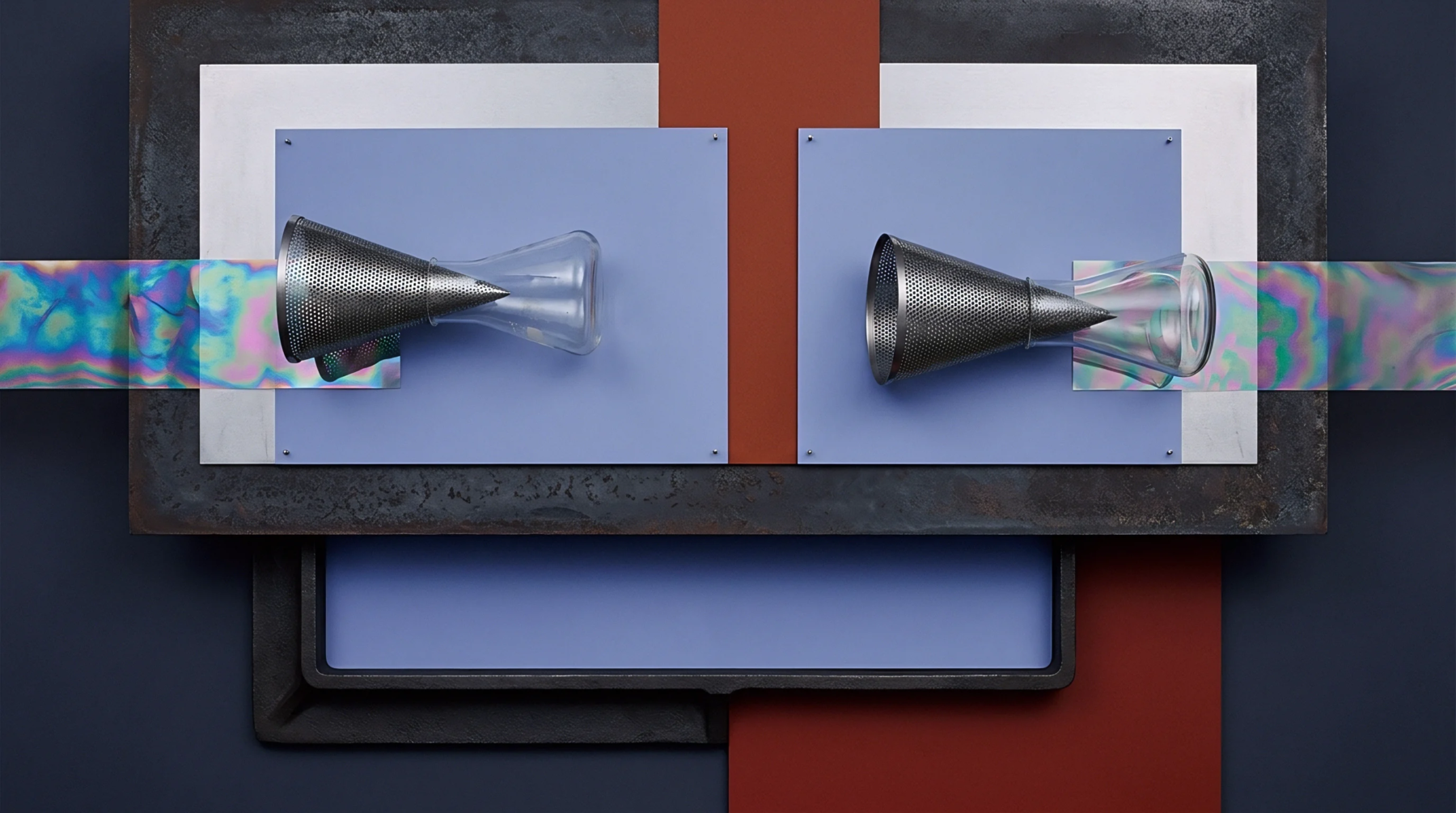
ISO 25178 areal parameters like Ssk, Sku, and Vvc measured via optical profilometry quantify cavity wear, predicting ejection failures before part dimensions drift.
Mechanical resistance monitoring during the part removal phase tracks the increase in energy required to push the plastic part out of the mould cavity. This phenomenon occurs when the tool surface becomes rougher or when polymer residues build up, increasing the coefficient of friction. Ejection force degradation is a clear indicator that the interface between the resin and the steel is no longer optimal.
If the force exceeds the structural strength of the part, it can cause defects like stress marks, pin push through or total deformation. The measurement is usually taken by load cells integrated into the ejector plate or by monitoring the hydraulic pressure of the machine.
Several factors contribute to the rising resistance encountered during the ejection stage of the moulding cycle. As the tool surface wears, the microscopic peaks become sharper or more irregular, creating more opportunities for the polymer to anchor itself to the steel. Ejection force degradation is often accelerated by the use of abrasive fillers like glass or carbon fibre, which scratch the polished surfaces of the cavity.
Additionally, the thermal degradation of the resin can leave a sticky residue that acts as a glue between the part and the tool. This increase in friction means that the ejector pins must apply more pressure to move the part. Over time, this extra stress can lead to the premature failure of the ejector mechanism itself.
The choice of resin and the quality of the tool finish are the primary drivers of this process.
Operating a mould with high ejection forces leads to longer cycle times and increased machine wear. When parts are difficult to remove, the operator may need to increase the cooling time to make the part stiffer, which reduces the overall output of the press. Ejection force degradation can also cause the machine to stop if the force exceeds a safety limit, leading to unplanned downtime.
In automated systems, a part that sticks to the mould can cause a crash when the next shot is injected. This risk makes it necessary to monitor the ejection force as part of a standard quality control program. By identifying the trend early, a moulder can schedule maintenance before the problem becomes severe.
Stable ejection forces are a sign of a well controlled and efficient process.
Reducing the friction at the tool interface often involves the use of external release agents or internal lubricants added to the resin. However, these are often temporary solutions that can interfere with secondary operations like painting or gluing. Ejection force degradation can be more permanently addressed by applying a low friction coating, such as a diamond like carbon or a nickel based layer, to the tool steel.
These coatings provide a hard, slippery surface that resists wear and prevents the polymer from sticking. Regular cleaning of the mould to remove any accumulated gases or residues is also essential. This maintenance helps to restore the original surface properties and bring the ejection force back to its baseline level.
Proper management of these factors ensures the long term reliability of the production process.
ISO 25178 areal parameters like Ssk, Sku, and Vvc measured via optical profilometry quantify cavity wear, predicting ejection failures before part dimensions drift.
Expertise is a utility, not a secret. sentiention™ publishes its working knowledge as open reference: intelligence layer covering the materials it sources, the markets it enters, and the reference that serves both.