Resolving Statutory Moulder Liens and Bankruptcy Tool Seizures under International Commercial Law
Resolve foreign moulder liens by perfecting local bailment registrations, permanently riveting asset tags to the steel, and utilizing third-party escrow.


Title
A four-cavity injection mould cutting P20 steel carries distinct property boundaries the moment machining chips fall. Procurement contracts often treat the tool as a generic capital expenditure, leaving physical ownership ambiguous while the steel sits three thousand miles away bolted to a vendor bolster. When a Tier-2 moulder faces insolvency or disputes unamortized piece-part volumes, cross-border commercial courts look past standard purchase order boilerplates to examine who holds legal ownership under local statutes.
Legal title follows physical steel. The operational reality demands establishing documented equity before the first trial shot leaves the cavity.
Cross-border injection tooling programs frequently stumble on the doctrine of lex rei sitae. Under private international law, property rights, ownership transfers, and possessory claims over movable physical goods are governed by the law of the jurisdiction where the asset is physically situated, rather than the governing law specified in the commercial supply contract. An original equipment manufacturer drafting an agreement under the laws of New York or England discovers that German, Mexican, or Chinese courts apply their own domestic property statutes to dies bolted inside factories within their borders.
Retaining clear legal standing over offshore tooling requires adapting contract execution to the procedural mechanics of the host nation.
A registered UCC-1 financing statement naming the customer as tool owner strips the moulder of any unperfected inventory lien.

Lex Rei Sitae and Asset Sovereignty
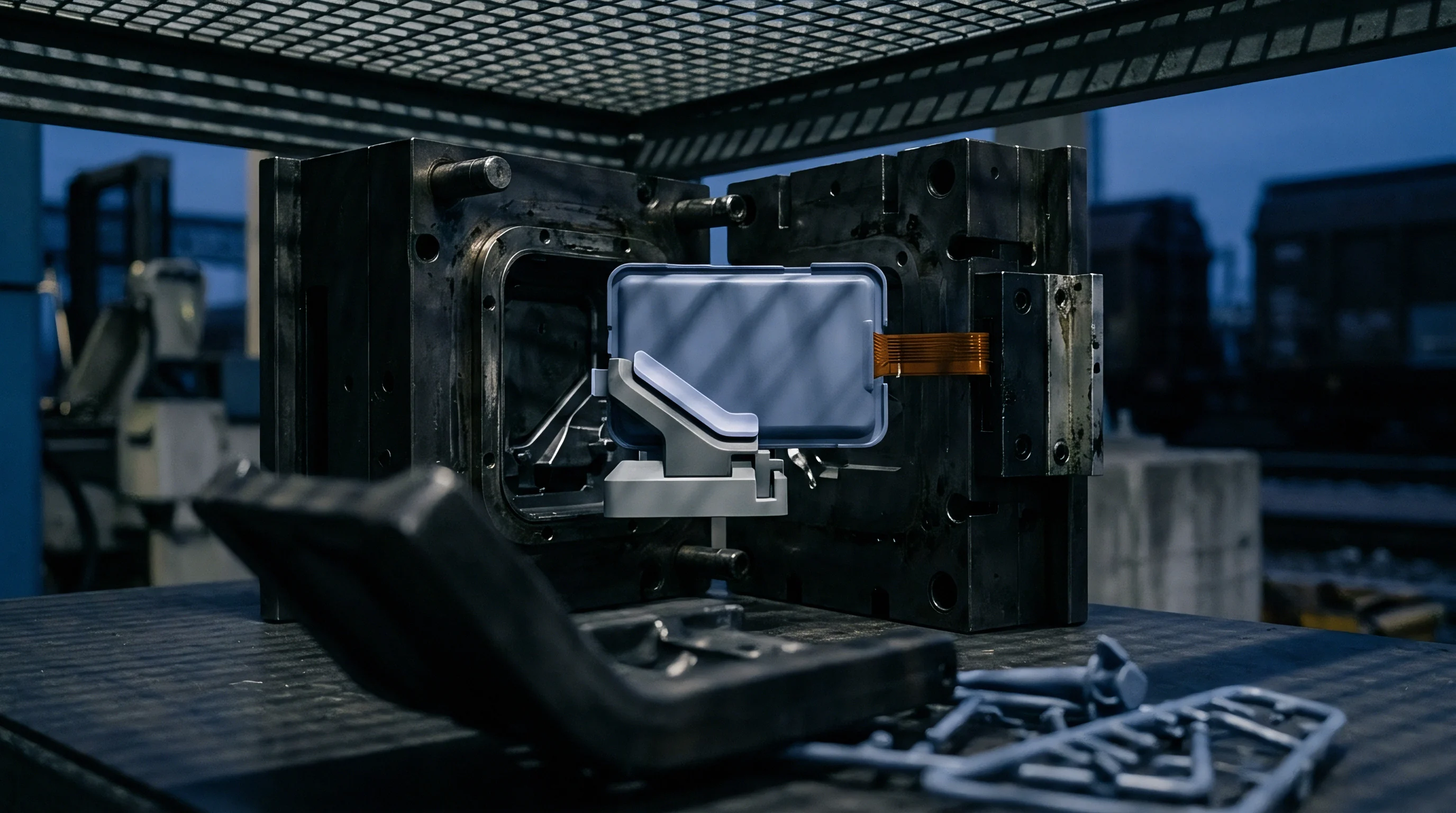
Cross-border commercial disputes anchor their jurisdiction in the physical territory where the steel block rests. When an injection tool leaves an export crating facility and enters a contract manufacturing plant in Querétaro or Shenzhen, the tangible object becomes subject to local bailment and lien codes. Choice-of-law clauses inside master service agreements govern contractual payment terms between the signatory corporations, yet they do not bind third-party creditors or bankruptcy trustees in the jurisdiction housing the asset.
Bailment agreements defeat possessory claims. A supplier experiencing cash distress invites aggressive action from municipal tax agencies, secured commercial lenders, and unpaid raw material distributors, all of whom look to factory-floor machinery for financial satisfaction.
Civil law systems across continental Europe and Latin America enforce strict property demarcations regarding accession and commingling. If a tool buyer pays for modular cavity inserts while the contract processor supplies the standard mould base, slide retainers, and hot-runner manifold, local courts may classify the entire assembly as property of the facility that executed final mechanical assembly. Overcoming this legal presumption involves executing separate, localized bills of sale for every sub-assembly, backed by verified import declarations naming the buyer as the permanent owner and consignee of record.
Bailment Registrations under Uniform Commercial Codes
Financing statements filed under national public registries establish notice against competing trade creditors. In common-law jurisdictions and commercial environments operating under principles parallel to Article 9 of the Uniform Commercial Code, physical possession creates an evidentiary presumption of ownership in favor of the possessing party. When a tool resides at an external facility without a public filing, a creditor holding a blanket security interest across the moulder inventory and equipment automatically attaches that interest to the unfiled mould.
Unfiled financing statements forfeit collateral.
Filing a UCC-1 statement or its regional equivalent designates the relationship as a true bailment rather than an unperfected purchase money security interest or a disguised conditional financing sale. The filing explicitly identifies the moulder as bailee and the customer as bailor, incorporating full serial numbers, cavitation configurations, and physical dimensions of the A and B clamping plates. Registration puts judicial liquidators on constructive notice that the tool forms no part of the debtor commercial estate, permitting swift extraction during distress events without prolonged priority litigation.
Drafting bailment documentation demands explicit operational covenants alongside legal title assertions. The bailee covenants to operate the tool exclusively for the bailor orders, maintain comprehensive commercial property insurance with the bailor named as sole loss payee, and hold the asset free of all security interests or administrative tax encumbrances.
Lien
Machinists and processors hold strong possessory claims under common law and civil codes when part invoices remain unpaid. Statutory artisan liens, toolmaker retention rights, and moulder lien statutes grant manufacturers direct legal authority to detain tooling until outstanding financial balances are resolved. Possession creates statutory leverage.
These statutory rights arise automatically by operation of law the moment services, materials, or machine-hour capacity are dedicated to improving the physical workpiece.
The scope of a statutory retaining lien varies sharply across jurisdictions. Certain statutes restrict the lien solely to unpaid charges incurred directly for fabricating, repairing, or altering the specific mould itself. Broader statutes, prevalent in American state-level moulder lien acts, permit a processor to exercise a blanket possessory lien over customer-owned tooling to satisfy delinquent accounts receivable accrued from piece-part production runs.
Distinguishing whether a supplier asserts an artisan fabrication claim or a broader commercial part-production lien determines the speed and legal strategy required for tooling release.
Physical possession in a foreign plant grants the contract manufacturer tactical control over production dies regardless of equity.

What Triggers a Statutory Retention Right?
Arrearages in component piece-part pricing or unamortized engineering change orders create immediate legal exposure. When an automotive or consumer electronics brand withholds invoice approval due to dimensional non-conformance under ISO 20753 or surface flash defects, the moulder frequently retaliates by asserting a retaining lien over the production mould. The injection mould stays bolted.
A breakdown in commercial negotiations transforms a standard quality debit memo dispute into a jurisdictional deadlock over physical tooling access.
Common operational conditions accelerating statutory retention actions include:
- Unpaid Engineering Revisions arising from mid-program part geometry alterations that added unscheduled electrical discharge machining bench hours to hardened cavity blocks.
- Unamortized Tooling Subsidies where a buyer agreed to repay mould fabrication costs through a unit price surcharge across an initial volume run that the buyer subsequently terminated early.
- Disputed Scrap Charges generated during first-article qualification cycles when resin degradation rates exceeded quoted machine processing allowances.
- Warehouse Storage Accruals levied by contract manufacturers for warehousing dormant compression moulds or injection dies between erratic production runs.
The boundary between lawful retention and illegal civil conversion hinges on explicit statutory adherence. A manufacturer asserting a lien without complying with regional notice intervals, registered mail disclosures, or itemized accounting requirements forfeits its possessory priority. The buyer then holds grounds to initiate conversion litigation, demanding immediate injunctive relief alongside financial damages for supply chain interruption.

Priority Tiers between Moulders and Secured Lenders
Floating charges over plant inventory clash directly with physical possessory rights over specialized production dies. In multi-party disputes, a senior institutional bank holding a perfected blanket security interest across the moulder current and after-acquired tangible assets regularly challenges the statutory moulder lien asserted by the toolroom. Secured lenders claim unsegregated tooling.
Most commercial codes elevate the possessory artisan lien above prior perfected financial interests, provided the artisan physically holds the asset and performed work that enhanced its economic value.
Evaluating these jurisdictional priority tiers clarifies the legal balance between secured creditors, toolmakers, and asset owners across primary industrial manufacturing regions.
| Jurisdiction | Statutory Mechanism | Lien Scope | Mandatory Notice Period | Extinguishment Mechanism |
|---|---|---|---|---|
| Germany | BGB § 647 (Werkunternehmerpfandrecht) | Fabrication and repair claims on debtor-owned goods | 30 days after maturity | Cash deposit into court escrow or full invoice payment |
| United States (Michigan) | MCL 445.611 (Special Tools Lien Act) | Fabrication, modification, and piece-part accounts | 90 days post-default via certified mail | Surety bond double the disputed claim amount |
| China | Civil Code Art. 807 / Art. 822 (Right of Retention) | Direct processing, repair, and machining contracts | 60 days formal cure window | Adequate alternative financial collateral provided by bailor |
| Mexico | Código de Comercio (Derecho de Retención) | Physical improvement directly to the held chattel | 30 days judicial notification | Judicial consignation of funds (Consignación) |
When an offshore vendor faces sudden bankruptcy, the local plant manager invariably repeats the argument that unverified accounts receivable permit padlocking every piece of client steel within the facility until outstanding municipal overhead is satisfied.


Plate
Physical identification permanently engraved into the mould base establishes evidentiary proof during factory floor audits. Relying solely on enterprise resource planning records or bill of lading manifests leaves tooling vulnerable to creditor seizure when local authorities inventory a distressed facility. Tooling plates carry hardened tags.
Affixing high-visibility metal placards directly onto the stationary and moving clamping plates establishes unambiguous visual and legal demarcation that defeats casual assertions of vendor ownership.
Asset plates must resist chemical solvents, ultrasonic cleaning baths, and extreme mechanical operating environments. Injection tools running polyamide 66 with 30 percent glass fill operate with mould temperatures exceeding 120 degrees Celsius, degrading stamped aluminum foil or printed barcode adhesives within hours. The physical marking protocol demands deeply stamped or laser-engraved 316 stainless steel plates, permanently secured with tamper-proof blind drive rivets or shear-head mechanical fasteners to prevent manual detachment during ownership conflicts.
Physical Fastening of Serialized Asset Placards
Riveting stainless steel identification badges across the clamp slot of the stationary platen eliminates casual removal. The placard text states the explicit corporate name of the asset owner, internal corporate asset identification numbers, regional business registry references, and an unambiguous notice that the property is held under a bailment agreement. Unmarked inserts forfeit legal protection.
During a surprise bankruptcy marshal raid, a clear, permanent notification plate provides the operating bailiff with immediate, irrefutable justification to exclude that specific mould block from the seized factory inventory.
Implementing an unassailable physical demarcation protocol involves several critical workshop requirements:
- Laser Engraving Plate Depth reaching a minimum relief of 0.40 millimeters into the 420 stainless steel backing plate to survive aggressive toolroom regrinding cycles.
- Bilingual Ownership Notices stating legal proprietary title in English and the national language of the host manufacturing territory to prevent claims of local administrative ignorance.
- Blind Drive Mechanical Rivets anchored directly into blind holes drilled within the structural mould steel, resisting removal by standard workshop hand tools.
- Secondary Micro-Dot Identification embedded inside internal cooling manifold pockets to provide forensic proof of ownership if surface identification plates suffer deliberate mechanical grinding.
A rigorous physical plate standard provides the bedrock for fast-track judicial release petitions. When photographic evidence matching corporate registration records is presented at a preliminary injunction hearing, local magistrates can swiftly authorize tooling separation from general commercial insolvency estates.

Separation of Customer Inserts in Subcontractor Presses
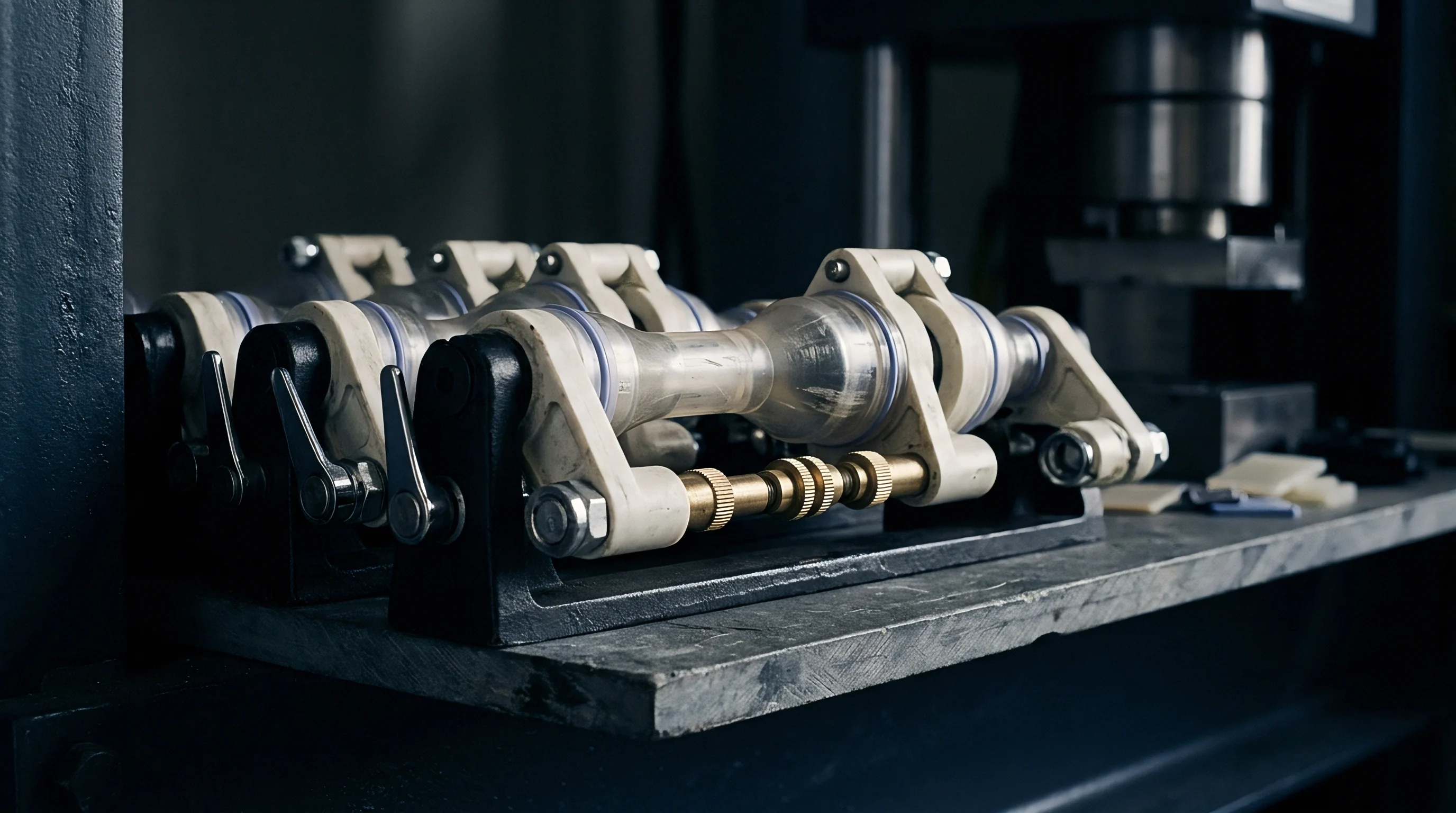
Bolting dedicated core and cavity blocks into vendor-owned master chase frames invites catastrophic legal commingling. In modular injection tooling architectures, the customer frequently funds only the custom cavities and core inserts, while the moulding house supplies the standardized mud-frame or universal mould base. The tooling ledger confirms payment.
If the vendor collapses financially, creditors assert blanket possessory claims over the complete assembled unit, arguing that the customer components have merged into a single indivisible asset under civil accession principles.
The standard 120-day tool construction and T1 qualification timeline on multi-cavity hardened H13 tooling rests on a standard 32-cavity hot-runner medical pipette mould machined under SPI Class 101 standards; an increase in cavity wall tolerance tightness from DIN 16742 TG4 down to TG3 extends EDM benching by twenty-two working days. When such complex inserts are trapped inside a common master frame, the cost of redesign and re-fabrication dwarfs the value of the shared base. Supply agreements must explicitly mandate that all customer-funded components remain mechanically separable within four shop hours, requiring the moulder to maintain dedicated clamping plates and ejector systems exclusively dedicated to that program.
Permanent structural separation prevents legal absorption into third-party debtor estates as a standard manufacturing certainty.

Insolvency
Corporate reorganization proceedings immediately freeze plant equipment behind legal barriers. When a contract manufacturer files for court protection under Chapter 11 in the United States, an insolvency administration under the German Insolvency Statute (InsO), or a Concurso Mercantil in Mexico, an automatic stay descends instantly over all assets physically residing within the debtor facility. The receiver halts all shipments.
Operating executives attempting to dispatch logistics trucks to retrieve client-owned dies find themselves barred at the gate by bankruptcy trustees and security officers enforcing federal injunctions.
The automatic stay prohibits any unilateral commercial self-help or extrajudicial repossession. Seizing a tool from a debtor factory without prior court approval constitutes a direct violation of insolvency law, exposing the asset owner to severe financial sanctions, contempt of court citations, and punitive turnover orders. In cross-border manufacturing, the interaction between domestic bankruptcy protection and international maritime recovery resembles historical maritime law principles of general average, where physical cargo was sequestered or sacrificed to salvage an imperiled commercial vessel before individual property claims could be arbitrated.
Industrial tooling trapped in a distressed plant becomes captive to the broader financial restructuring until judicial petitions untangle proprietary ownership from the general estate.
Unsecured tool claims inside German insolvency proceedings face average court processing windows of fourteen months before asset release.
Whose Claim Prevails under Bankruptcy Automatic Stays?
Receivers and trustees treat every piece of machinery inside factory walls as presumed debtor assets. The legal presumption operates in favor of liquidating the physical machinery to satisfy preferred creditors, unpaid labor pools, and sovereign taxation agencies. Liquidators sell contested press tooling.
The asset owner bears the complete procedural burden of overcoming this presumption by demonstrating clear equitable title, unassailable chain-of-custody documentation, and perfection of bailment filings prior to the insolvency filing date.
A reported average recovery rate of fourteen cents on the dollar for overseas injection moulds stuck in bankruptcy estates cannot be independently defended across private insolvency liquidations; under that uncertainty, the procurement buyer secures an irrevocable standby letter of credit tied to mould release rather than counting on post-filing asset surrender. Creditors will vigorously argue that custom tooling was sold on deferred terms or constitutes a capital asset of the moulder subject to general liquidation distribution.
| Legal Jurisdiction | Insolvency Code / Statute | Estate Stay Impact | Primary Recovery Legal Mechanism | Typical Judicial Timeline |
|---|---|---|---|---|
| United States | 11 U.S.C. § 362 (Chapter 11) | Immediate automatic stay across all assets in debtor custody | Motion for Relief from Stay under § 362(d) | 30 to 90 days |
| Germany | Insolvenzordnung (InsO) | Restructuring moratorium under § 21 InsO | Right of Separation (Aussonderungsrecht) under § 47 InsO | 60 to 180 days |
| United Kingdom | Insolvency Act 1986 (Schedule B1) | Interim and full moratorium upon administration entry | Application to Court for tool surrender under Paragraph 43 | 45 to 120 days |
| Mexico | Ley de Concursos Mercantiles | Suspension of executive and attachment actions (Art. 65) | Separation Action (Separación de Bienes) under Art. 70 | 90 to 240 days |
Segregation Petitions and Cross-Border Judicial Recognition
Filing an expedited motion for relief from stay demands authenticated purchase orders, proof of wire payment, and verified bill of sale documentation. Under German bankruptcy administration, the proprietary owner executes an Aussonderungsrecht under Section 47 of the Insolvenzordnung, asserting that the tool does not form part of the debtor insolvent mass and must be separated physically from the estate. The sheriff padlocks the facility.
Parallel procedures under Mexican Concurso Mercantil require filing a formal Separación de Bienes action before the federal district judge supervising the bankruptcy.
International coordination is governed by the UNCITRAL Model Law on Cross-Border Insolvency, codified under Chapter 15 of the United States Bankruptcy Code and adopted across major industrial jurisdictions. When a foreign representative initiates insolvency administration abroad, domestic courts recognize foreign main proceedings, extending stay protections across multinational supply nodes. Overcoming these multi-jurisdictional constraints demands proving that the tool represents specialized, non-fungible capital goods critical to public supply chains or proprietary brand manufacturing, where monetary damages provide insufficient legal redress.
Contractual recovery provisions stating that bankruptcy filings immediately dissolve bailee possession rights and vest immediate repossession authority in the asset owner survive judicial scrutiny only when accompanied by pre-petition public notice filings.


Replevin
Emergency civil recovery actions seek immediate physical turnover of tooling through court-ordered executive enforcement. When a hostile or distressed supplier refuses voluntary surrender and asserts improper retaining liens, the asset owner initiates a civil lawsuit for replevin or judicial claim and delivery. Finished mouldings leave the dock.
Replevin provides a specialized, expedited procedural remedy designed specifically to restore physical possession of personal property unlawfully detained by another commercial party.
Executing a successful tooling extraction under cross-border conditions involves coordinating private logistics, specialized mechanical rigging teams, and armed judicial law enforcement officials. Toolrooms house multi-tonne steel assemblies requiring overhead gantry cranes, heavy flatbed transport, and dedicated hydraulic core-pull disconnection protocols. A successful court order remains operationally worthless if the recovery team cannot safely unbolt, lower, and transport the precision die without causing catastrophic mechanical damage to guide pins, hot-runner electrical manifolds, and delicate parting lines.
Replevin writs fail when the physical serial stamping on the mould base conflicts with commercial invoice descriptions.
Ex Parte Seizure Applications in Cross-Border Jurisdictions
Securing an interlocutory writ without prior notice prevents retaliatory hiding or intentional damaging of precision core pins. An ex parte application for preliminary possession asks the court to order immediate tool impoundment before the recalcitrant moulder receives formal summons to defend the underlying contract dispute. Interim injunctions require cash collateral.
Courts grant ex parte relief only upon compelling evidence demonstrating that the defendant poses an imminent risk of dissipating, transferring, modifying, or damaging the asset if advance notice is served.
Replevin bond amounts set at 200 percent of claimed tooling value derive from North Carolina General Statutes § 1-475 and California Code of Civil Procedure § 515.010, resting on the assessed replacement cost of the physical mould base; an appraisal based on scrap value rather than replacement cost reduces that cash lockup by eighty percent. Securing a surety bond on short notice across international borders presents substantial friction, often demanding irrevocable letters of credit or direct cash deposits into court registry accounts. Failure to post the mandated judicial undertaking immediately halts enforcement, leaving the production die locked inside the adversary compound.

Enforcement Logistics and Industrial Bailiff Escorts
Executing a judicial turnover order inside an active moulding facility demands rigorous physical coordination with local marshals. The court enforcement writ authorizes judicial officers to enter the commercial premises, overcome physical resistance, and supervise the mechanical extraction of the designated equipment. Customs stops the crated steel.
The legal team must provide industrial rigging contractors possessing specialized heavy transport insurance and technical competence to disconnect cooling water lines, pneumatic linkages, and electrical thermocouple cables without destroying auxiliary plant infrastructure.
| Execution Phase | Procedural Objective | Required Documentation | Operational Risk | Standard Elapsed Window |
|---|---|---|---|---|
| Filing and Affidavit | Establish clear title and unlawful retention | Bailment contracts, invoices, wire receipts | Defective corporate verification | 3 to 7 working days |
| Bond Underwriting | Post mandatory indemnity surety bond | Asset appraisal, cash collateral, bank guarantee | Underwriter delay or high premium | 2 to 5 working days |
| Judicial Hearing | Obtain writ of seizure or replevin order | Affidavits of irreparable operational harm | Transfer to standard trial track | 1 to 10 working days |
| Logistics Mobilization | Deploy rigging crews and transport fleet | Crane permits, export crating, route clearance | Facility site access denial | 2 to 4 working days |
| Bailiff Enforcement | Physically secure and extract the steel die | Sealed writ, police escort, asset tags check | Physical hostility or plant walkout | 1 to 3 working days |
The sequence for executing an emergency judicial turnover must proceed without procedural deviation:
- The plaintiff files a verified complaint for possession alongside emergency affidavits establishing immediate financial and operational harm.
- The presiding judge executes an order fixing the replevin bond amount and scheduling a preliminary show-cause hearing.
- The plaintiff procures an approved surety bond from an admitted regional bonding company and deposits the instrument into the court escrow.
- The clerk issues the physical writ of seizure directed to the regional sheriff, marshal, or commercial bailiff holding territorial authority.
- The enforcement officer coordinates tactical entry alongside rigging technicians, cross-checking serial tags against the judicial order.
- The mechanical team secures the parting line locks, hoists the mould from the press platens, and loads the asset onto dedicated air-ride transport.
Attempting an unescorted extrajudicial recovery without formal judicial process triggers severe criminal trespass charges and permanent forfeiture of commercial damage claims under regional civil codes.

Escrow
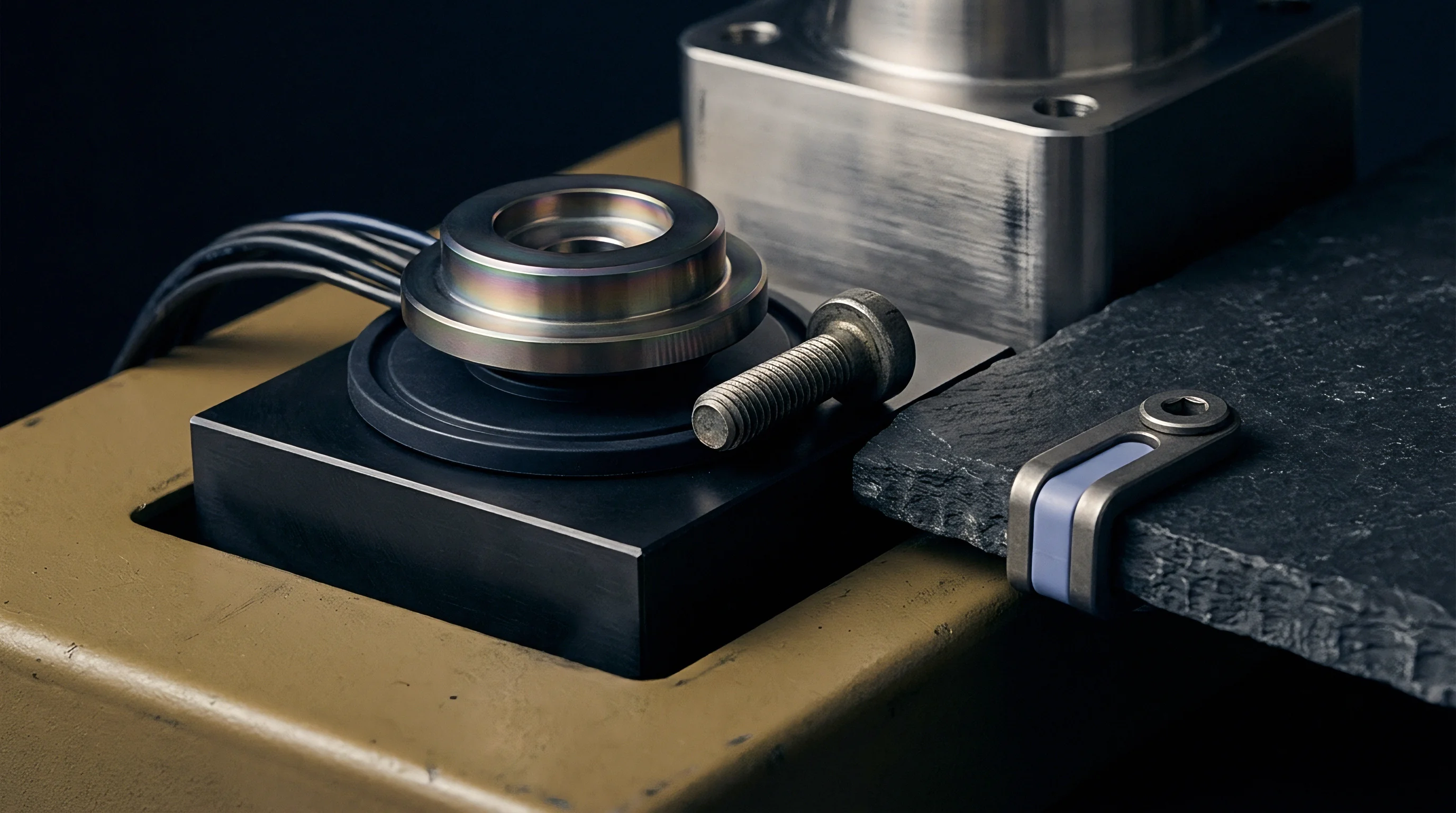
Neutral depository arrangements decouple technical manufacturing execution from financial custody disputes. When high-volume injection tooling carries extreme replacement costs and multi-quarter fabrication lead times, leaving complete custody at a single offshore supplier exposes the brand to existential supply chain disruption. Bond premiums reach five percent.
Structuring third-party tooling escrows and intermediate component custody vaults mitigates operational vulnerability before contractual relations deteriorate into litigation.
Physical tooling escrow protocols place the asset under the direct control of an independent logistics operator or specialized warehousing bank during dormant production periods. The escrow agent inspects, cleans, and stores the mould in an environmentally controlled facility, releasing the tool to designated contract moulders solely upon verified production authorization notices. When production runs conclude, the mould immediately returns to the neutral depository, eliminating the vendor leverage inherent in continuous on-site possession.
Tripartite Tooling Custody Agreements
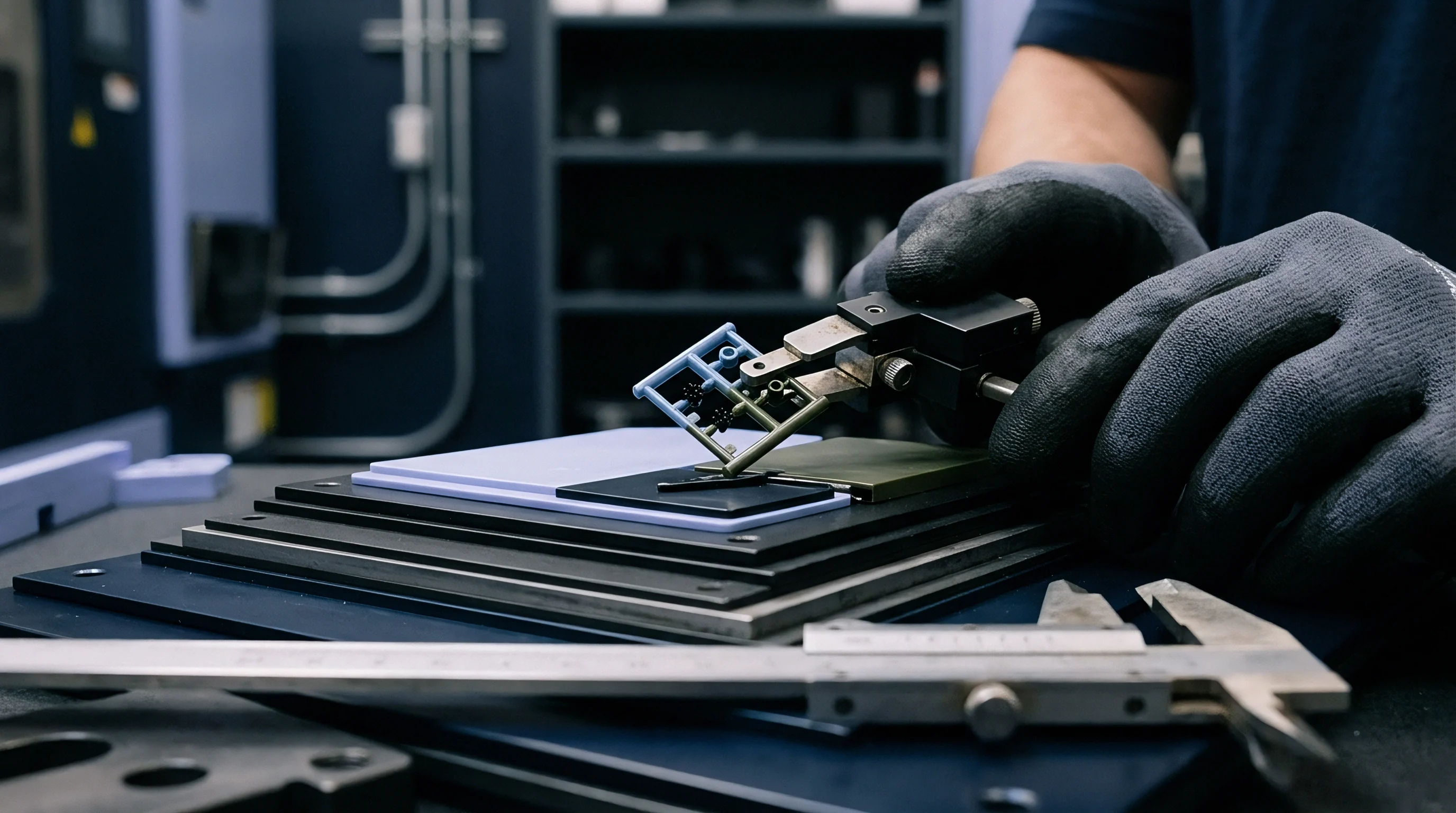
Contracting directly with an independent warehouse facility removes the physical asset from both buyer leverage and supplier default risks. The tripartite agreement brings together the original equipment manufacturer, the contract production moulder, and the neutral storage depository. The moulder waives all statutory artisan and possessory retaining liens in advance, agreeing that physical possession terminates automatically upon completion of authorized piece-part production runs.
In exchange, the buyer covenants to fund disputed fabrication balances into an escrow account rather than executing unilateral payment freezes.
The agreement outlines strict service-level agreements governing tool maintenance, preventative lubrication, and cycle-count tracking. Specialized tooling logbooks travel with the mould base, documenting every machine run, shot count, core pin replacement, and hot-runner tip maintenance cycle. If the primary moulding house demonstrates operational instability or breaches quality thresholds under ISO 9001 standards, the customer executes an expedited notice of re-allocation, directing the escrow custodian to transfer the tool directly to an alternative qualified manufacturing site.
Digital Machining Data and Core Pin Reserve Repositories
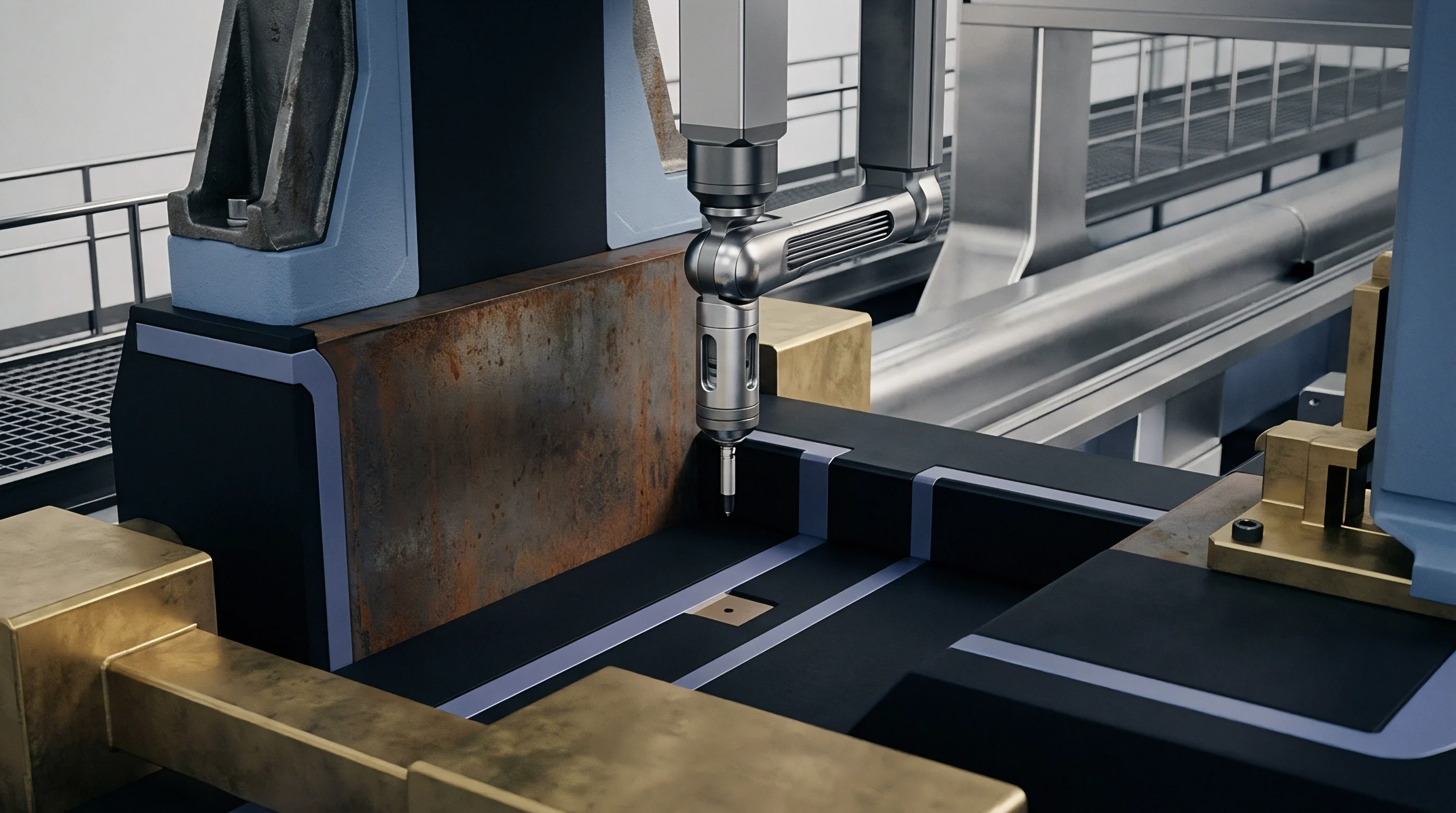
Storing native CAD models, CAM cutter paths, and electrode coordinates with a certified third party preserves production continuity. A recovered steel mould base provides hollow value if the customer lacks detailed 3D step files, electrical discharge machining programming, and specific steel grade certifications required to machine replacement wear components. High-cavitation tooling relies on precision slide assemblies, ejector pins, and conformal cooling circuits that require regular replacement across multi-million shot production cycles.
A comprehensive digital tooling escrow holds all technical engineering packages under strict release triggers, independent of moulder cooperation. Digital assets lodged with the repository include:
- Native 3D CAD Assemblies encompassing complete parting surface definitions, shrinkage factor compensations, and venting geometry.
- CNC Machining Toolpaths and electrical discharge machining electrode geometry files required to cut duplicate cavity blocks on five-axis milling centers.
- Material Mill Test Reports confirming genuine AISI P20, H13, or 420 stainless steel composition and verified vacuum heat treatment hardness certifications.
- Scientific Moulding Master Dossiers detailing cavity pressure sensor curves, fill time studies, gate seal freeze times, and barrel temperature profiles.
Whether cross-border insolvency courts will ultimately develop harmonized international treaty standards that bypass local lex rei sitae retaining liens to grant automatic recognition to foreign digital tooling escrows remains an unresolved question across modern global commercial law.