Meaning
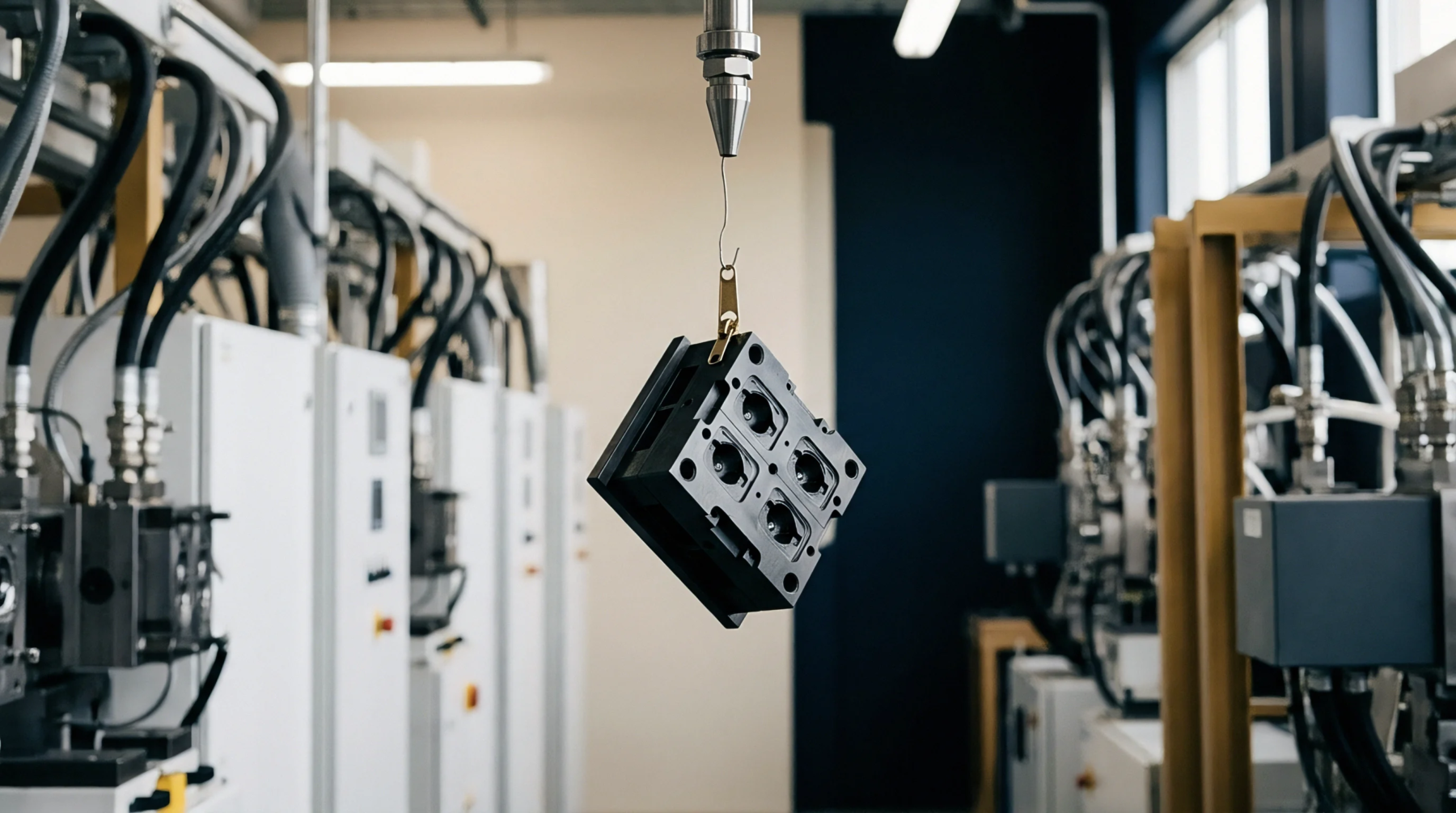
Legal protections granted to a tool manufacturer allow for the physical withholding of a mould or die until the purchasing entity has fulfilled its payment obligations. Such a toolmaker retention right ensures that the creator of the asset has a form of security against the default of the buyer. These protections typically stay in effect as long as the tool remains in the possession of the shop and has not been released to the customer.
This legal mechanism is used to manage the financial risks associated with high value custom manufacturing.
Possession Lien
High capital costs involved in steel procurement and precision machining create a substantial cash flow burden for the shop. By maintaining the right to hold the tool, the manufacturer gains leverage to ensure final invoices are settled before production begins. This protection is necessary when dealing with new customers or volatile industries.
Payment Security
Staged payments often mitigate the risk, but the final release of the tool remains the primary deterrent against non-payment. The toolmaker may refuse to ship the mould for sampling or production until the account is cleared. If the buyer defaults, the manufacturer may eventually seek to sell the asset to recover costs, although this is governed by specific local laws.
Contractual Boundary
Specific terms in the purchase agreement can modify or waive this right in exchange for other forms of security. If the tool is moved to a different facility for testing, the shop may lose its lien unless a separate agreement is signed. Clear language regarding the transfer of title versus the transfer of possession is necessary to avoid disputes.