
Auditing Foreign Supplier Retention Claims during Injection Tooling Recovery Operations
Auditing foreign tooling retention claims combines physical steel inspection, financial deconstruction of amortisation ledgers, and escrow settlement.
Auditing foreign tooling retention claims combines physical steel inspection, financial deconstruction of amortisation ledgers, and escrow settlement.

Foreign bailment registration requires permanent steel identification tags, regional customs filings, and explicit non-title contracts before offshore tooling entries.

Sub-micron micro molding tooling requires preloaded rolling alignment, rigid pocket seating, and tight thermal regulation to hold sub-five-micrometer part tolerances.

Closed loop ultrasonic drift compensation tracks phase angle shifts to decouple thermal steel expansion from polymer melt density during variothermal cycling.
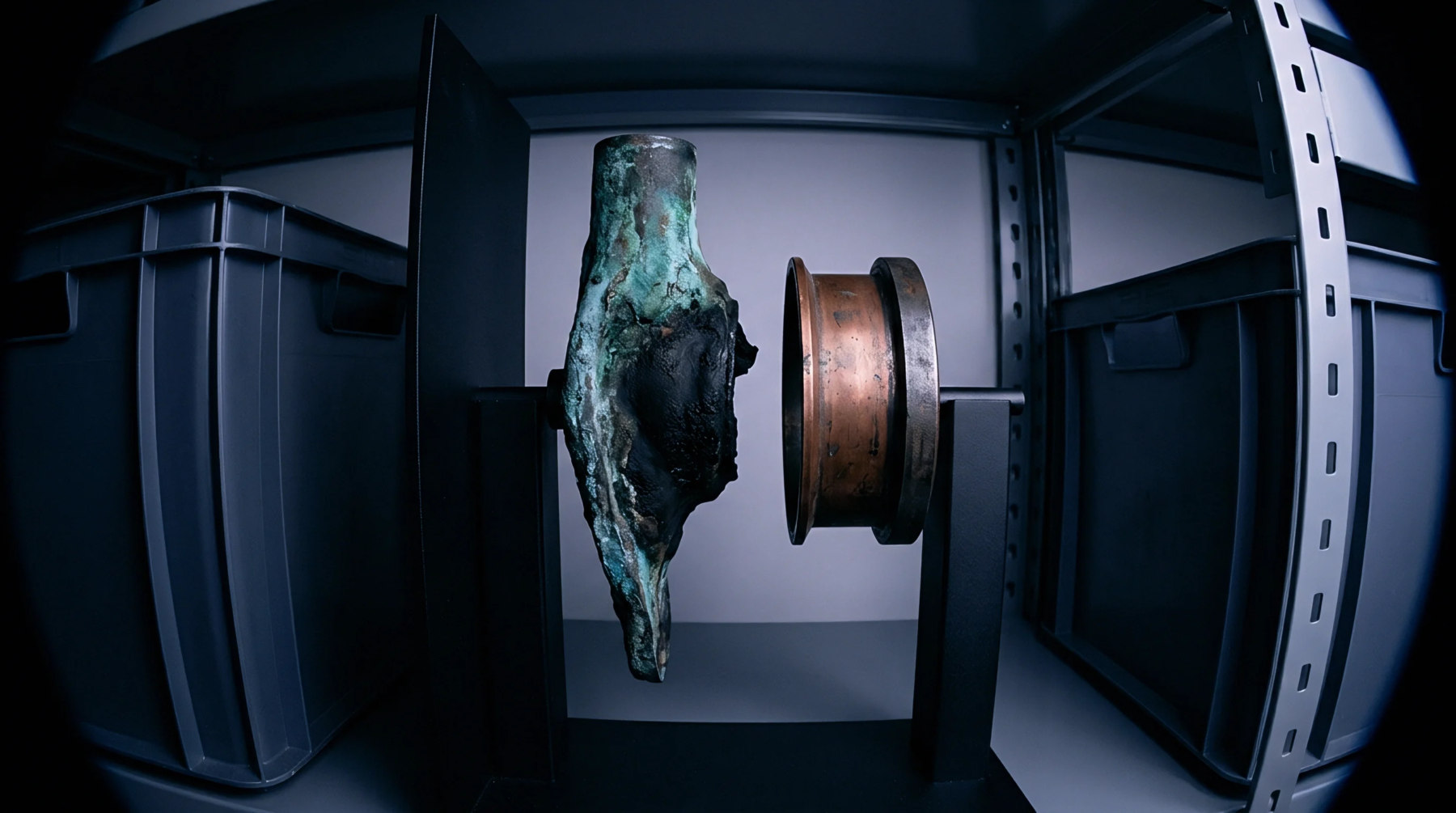
Shutoff micro hobbing occurs when localized lockup stress exceeds tool steel compressive yield strength, requiring controlled land area and high yield alloys.

Predicting multi-cavity shutoff fatigue using Weibull B10 modeling prevents parting line flash by scheduling pre-load insert replacement before steel spalling occurs.

Differential thermal expansion on angled tool shut-offs demands precise cold-bench clearance relief to prevent parting line galling under clamp tonnage.

Verifying parting line shutoff lands under true press tonnage with bluing or foil prevents flash and stops premature tool crush.
Evaluate differential thermal growth and land area stress to set accurate cold preload gaps and prevent parting line compression yield in high-cavitation tools.

Cavity pressure telemetry decouples polymer melt behavior from machine hydraulics, locking peak pressure to eliminate scrap and stabilize part dimensions.

Pricing secondary tooling during initial contract negotiation locks steel costs and machining rates before primary tool wear destroys commercial leverage.
Expertise is a utility, not a secret. sentiention™ publishes its working knowledge as open reference: intelligence layer covering the materials it sources, the markets it enters, and the reference that serves both.