Meaning
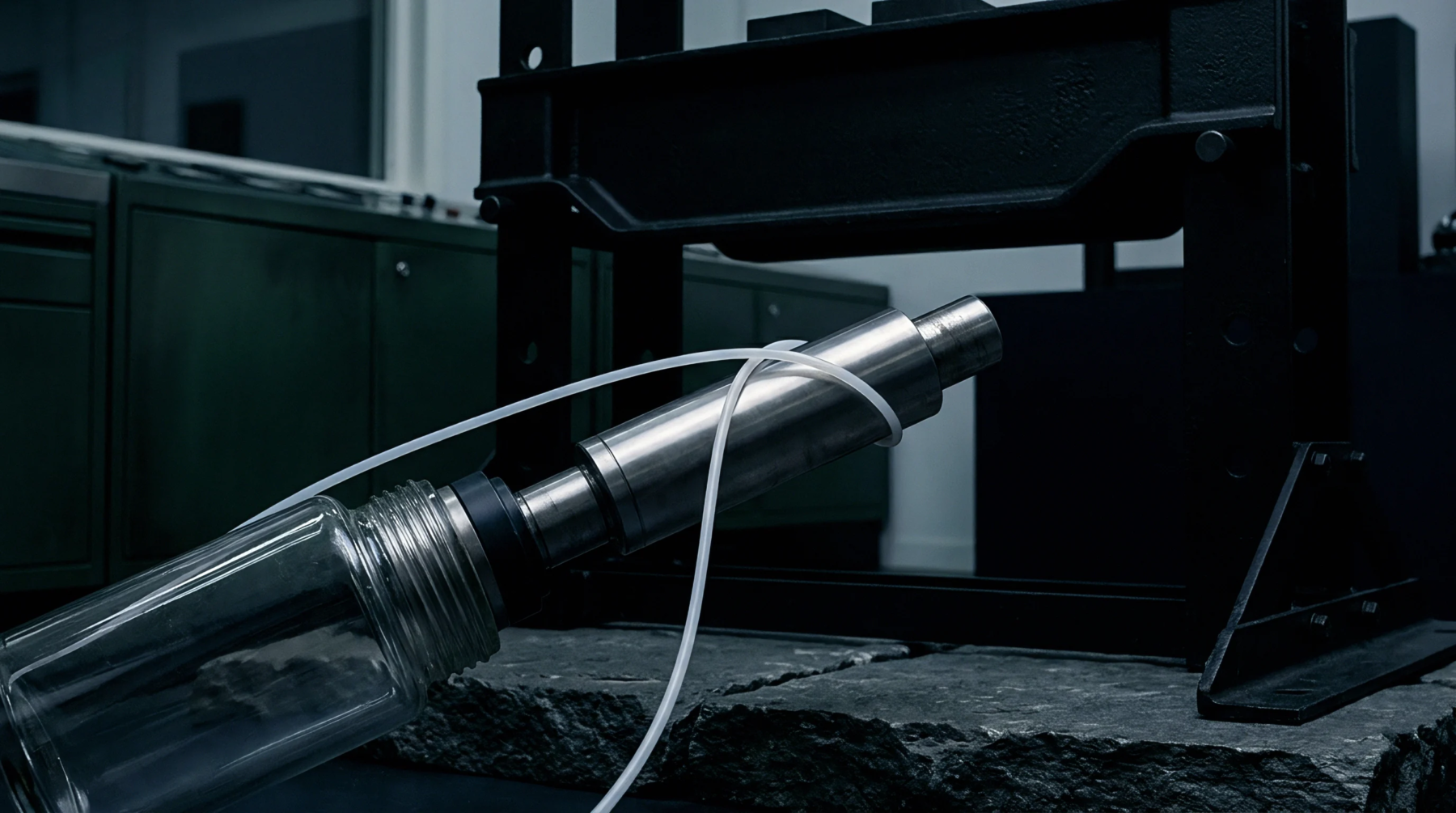
A sensor installed directly inside the mold plate measures the compressive force of the polymer melt during the filling, packing, and cooling stages. Employing an in-cavity pressure transducer gives the molding machine real-time feedback that is independent of hydraulic pressure. This direct measurement reveals the actual conditions the polymer experiences inside the cavity.
The transducer is typically positioned near the gate or at the end of the fill to monitor pressure transitions.
Data Feedback
Melt compression generates an electrical signal that is scaled to represent the internal cavity pressure. Monitoring this signal allows the machine to switch from injection to holding pressure based on cavity fill rather than screw position. Using an in-cavity pressure transducer ensures that the material is held under consistent pressure regardless of melt temperature fluctuations.
This method compensates for the variation that occurs when using regrind material.
Defect Management
Part shrinkage and flash are controlled by regulating the peak cavity pressure. If the pressure falls below a set threshold, the part is rejected automatically. This active sorting prevents defective products from reaching assembly lines.
Sensor Location
Installing the sensor near the gate provides a clear picture of the packing stage where most of the mass is added to the part. Conversely, placing an in-cavity pressure transducer at the end of the fill helps confirm complete mold filling and prevents short shots. Dual sensor configurations are often utilized in long or complex cavities to monitor both areas simultaneously.
The machined pocket for the sensor must be designed carefully to avoid creating a witness mark on the finished plastic surface.