High Temperature Transducer Housing Design and Preload Calculations
Calculate stack thermal expansion divergence, introduce Inconel X-750 disc springs to boost compliance, and torque fasteners with boron nitride lubrication.
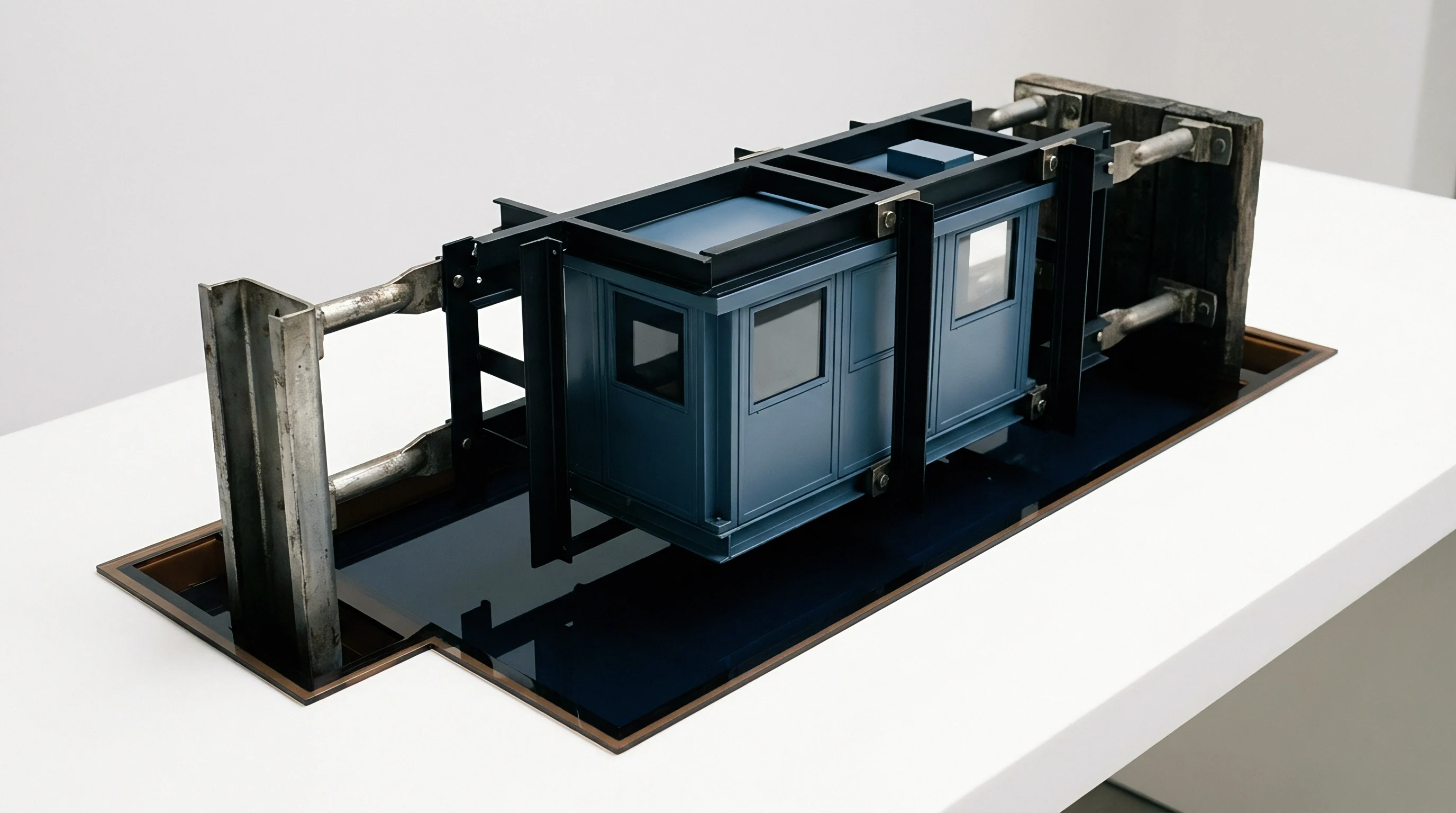

Stack
Piezoelectric elements inside acoustic transducers intended for continuous service past 300 degrees Celsius undergo severe pyroelectric depolarization and acoustic impedance mismatches when compressive stress relaxes. PZT-5A ceramics drop half their coupling efficiency above 200 degrees Celsius and depolarize entirely at 350 degrees Celsius. Modified bismuth titanate and lithium niobate maintain piezoelectric response up to 500 and 650 degrees Celsius respectively.
These high Curie-point crystals possess stiff, brittle mechanical profiles with compressive fracture limits between 500 and 800 megapascals. Compressive stress preserves crystal orientation while preventing tensile fractures induced by acoustic reflections at mechanical interfaces.
Acoustic energy transmission demands intimate mechanical contact across every intermediate boundary between the active crystal, the alumina or silicon carbide matching layers, and the metallic front mass. Surface roughness exceeding 0.2 micrometers Ra introduces microscopic gas voids that scatter high-frequency acoustic waves. Liquid couplants decompose, volatilize, or carbonize within hours at elevated operational points.
Clamping pressure replaces chemical bonding, forcing mating asperities into plastic conformality to establish direct dry acoustic transmission.
| Material Chemistry | Curie Point (Celsius) | Maximum Service Limit (Celsius) | Piezoelectric Charge Coefficient d33 (pC/N) | Compressive Yield (MPa) | Thermal Expansion Axis-3 (ppm/K) |
|---|---|---|---|---|---|
| Modified Bismuth Titanate | 650 | 500 | 18 | 620 | 14.2 |
| Lithium Niobate Y-cut 36 deg | 1150 | 650 | 39 | 750 | 15.4 |
| Lead Metaniobate | 570 | 400 | 85 | 480 | 9.1 |
| Gallium Phosphate | 970 | 700 | 4.5 | 810 | 12.8 |
| Aluminium Nitride | 1150 | 800 | 5.1 | 1100 | 5.3 |
Piezoelectric ceramics exhibit brittle failure. Tensile stress generated during cyclic acoustic transmission splits raw crystals along grain boundaries when static compressive clamping drops below operational acoustic peak pressures. Acoustic waves generate cyclic dynamic tensions reaching 15 megapascals in ultrasonic nondestructive testing applications.
Static preload must exceed these dynamic stress peaks by a safety factor of three across all operational temperatures.
Clamping pressures above 45 megapascals across modified bismuth titanate disks induce mechanical depolarization and microcracking at 480 degrees Celsius.
Failure modes within high-temperature acoustic stacks follow distinct thermal and mechanical trajectories during continuous exposure:
- Interfacial Couplant Pyrolysis destroys boundary transmission through carbon formation and phase volatilization when organic greases encounter temperatures exceeding 260 degrees Celsius.
- Thermal Depolarization strips piezoelectric charge output as operating temperatures approach the Curie transition point of the ferroelectric crystal.
- Compressive Edge Cracking shatters fragile ceramic peripheries when non-parallel housing caps transfer unbalanced clamping force across the acoustic active diameter.
- Impedance Boundary Separation introduces phase distortion and amplitude decay across raw acoustic reflection lines when housing thermal expansion relaxes mechanical preload.
Front mass transmission faces severe damping when clamping force fluctuates across thermal cycles. Surface flatness dictates acoustic transmission. Lapping both crystal faces and mating metallic buffers to a tolerance of one-quarter wavelength of visible light ensures uniform force application.
Thicker front masses introduce longitudinal reverberations that distort pulse-echo resolution. Designers balance mass thickness against mechanical rigidity to prevent bending under center-bolt tension.
Acoustic stacks yield predictable signals only while compressive force remains uniform across the complete contact face.
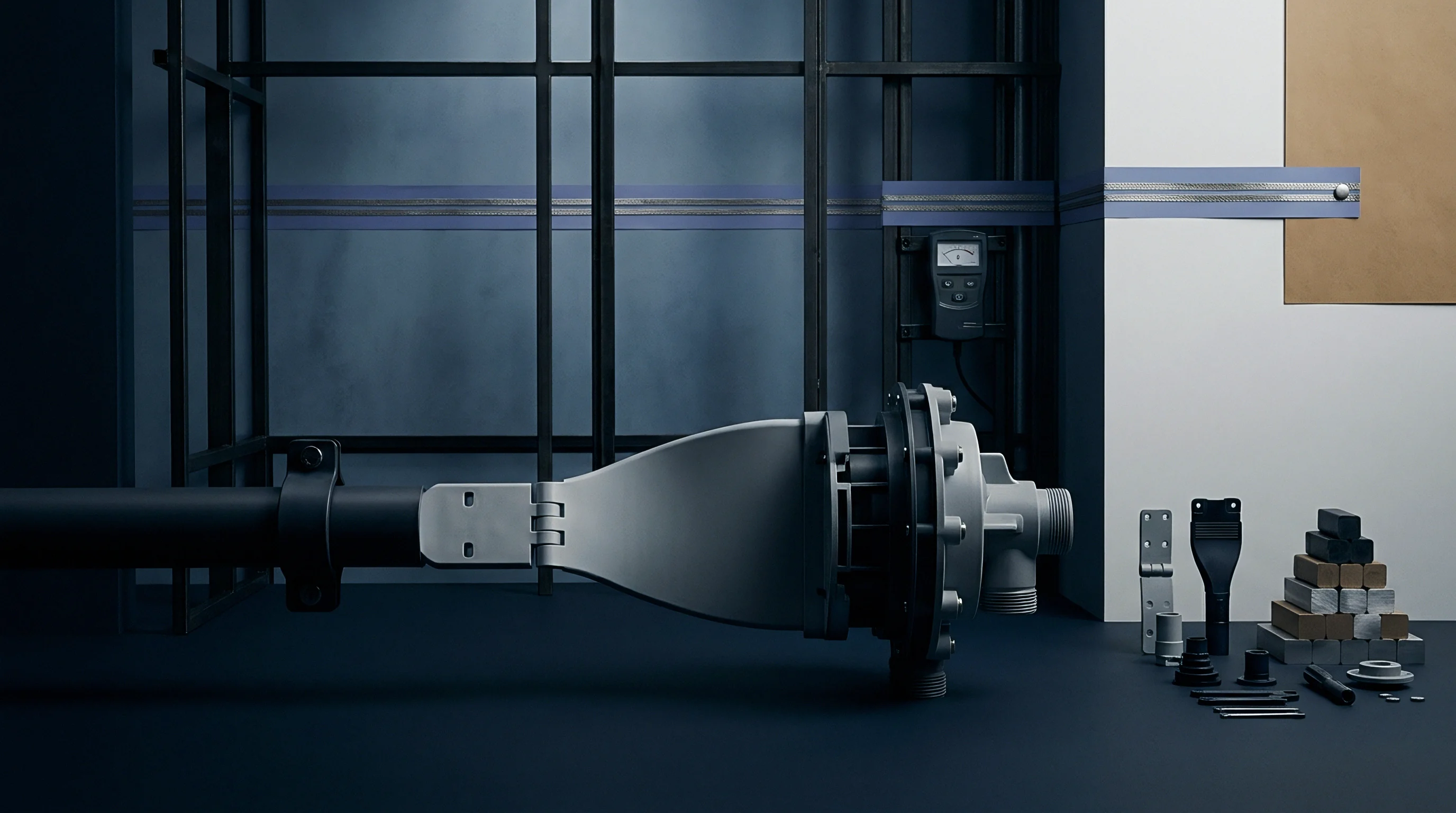
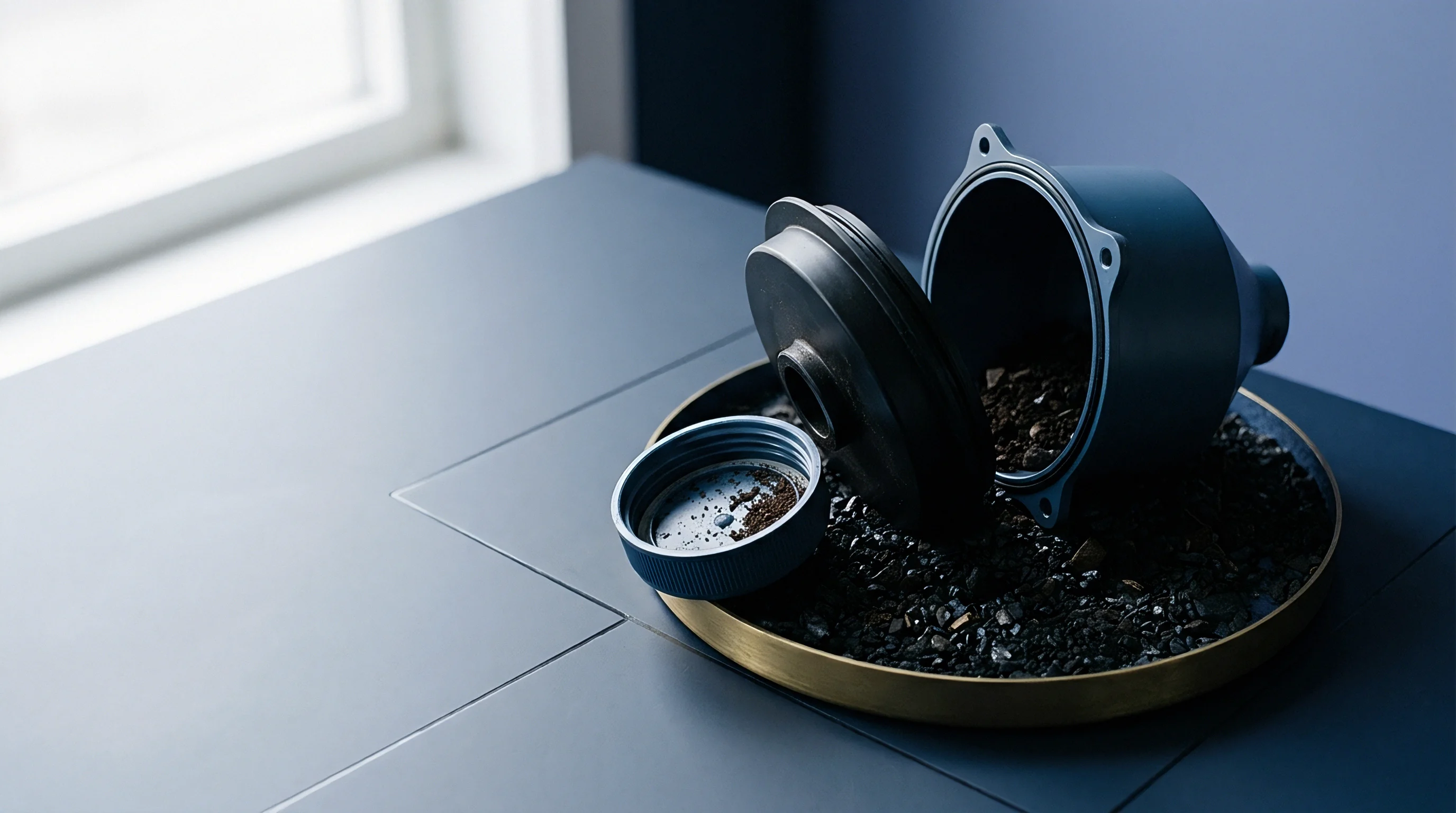
Sleeve
Cylindrical enclosures surrounding high-temperature acoustic stacks govern the axial and radial mechanical compliance of the complete transducer assembly. Wall sizing balances internal cavity clearance against the tensile burst limits imposed by differential thermal expansion. Selecting housing alloys requires evaluating thermal expansion coefficients against the ceramic pile.
Standard austenitic stainless steels expand at 18 parts per million per Kelvin, outstripping bismuth titanate stacks by nearly 4 parts per million per Kelvin. This thermal divergence stretches the outer casing, pulling the clamping structure away from the ceramic element and eliminating preload at 400 degrees Celsius.
Inconel 718 and Haynes 25 present lower expansion coefficients combined with sustained high-temperature yield strength. An Inconel 718 sleeve holds an expansion rate of 13.0 parts per million per Kelvin up to 500 degrees Celsius, matching the expansion profile of common piezoceramic stacks closely. Machining the internal bore to tight concentricity prevents radial contact between the crystal stack and the inner sleeve wall.
Lateral contact diverts mechanical preload into frictional wall shear, starving the active acoustic faces of axial compression. Electrical isolation sleeves machined from high-purity alumina ceramics maintain insulation resistance above 500 megaohms at 500 degrees Celsius while centering the active stack within the metallic shell.
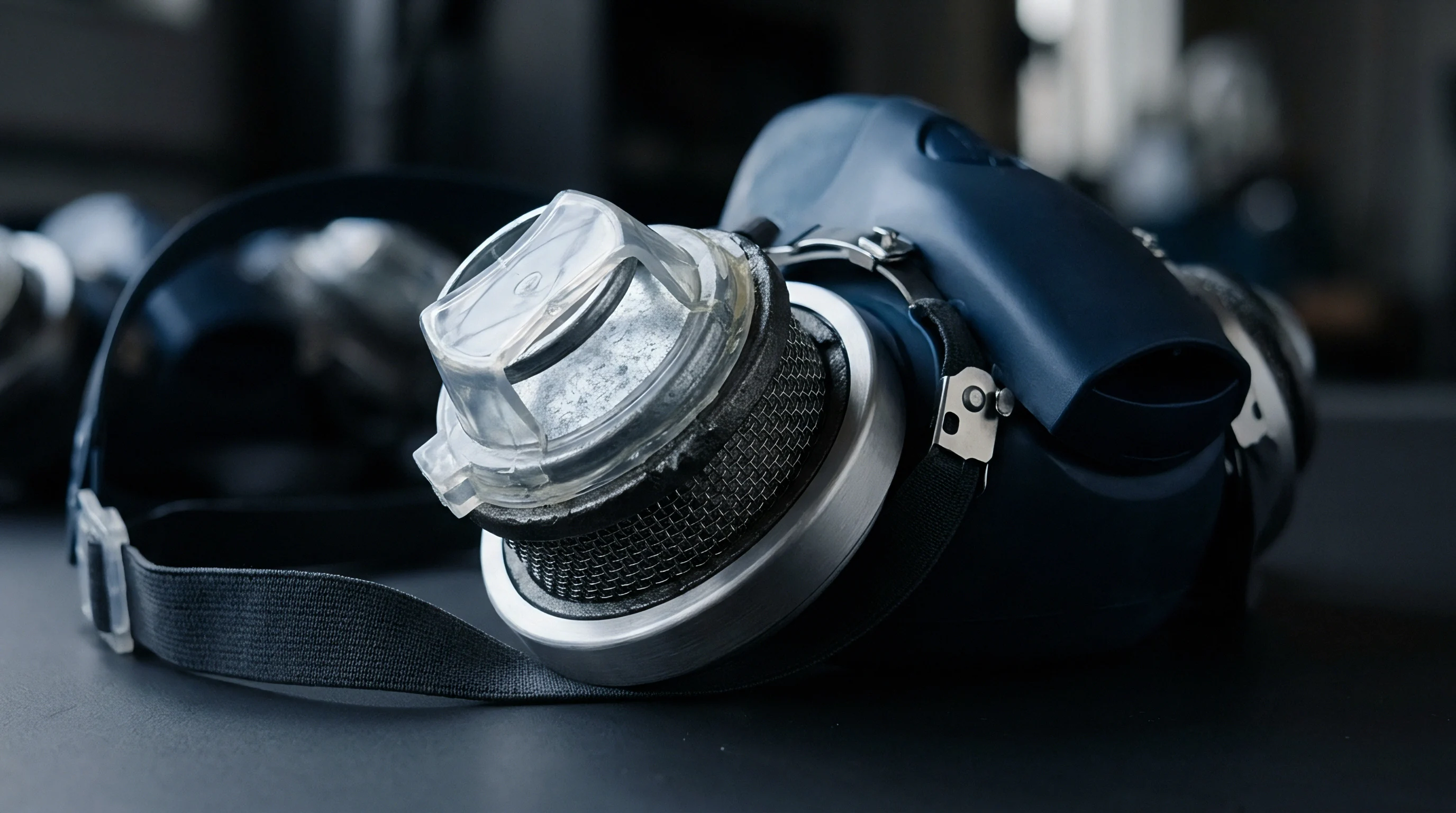
Can Acoustic Coupling Survive Differential Expansion?
Radial clearance between the internal stack components and the sleeve bore accommodates lateral Poisson expansion under axial load alongside unequal thermal growth. Bismuth titanate possesses a Poisson ratio of 0.25, while nickel superalloys exhibit values near 0.31. Compressing the stack to 40 megapascals forces the crystal outward by several micrometers.
Inadequate internal bore diameters risk binding the ceramic disks against the metal sleeve, generating severe local shear stresses that crack the brittle crystal peripheries.
Differential thermal growth between housing metals and ceramic crystals strips interfacial pressure unless mechanical compliance elements bridge the gap.
Selecting sleeve materials requires simultaneous evaluation of yield strength, oxidation resistance, thermal expansion, and fabrication costs:
- Austenitic 316L Stainless exhibits heavy thermal expansion mismatch alongside rapid yield derating when operating temperatures cross 450 degrees Celsius.
- Inconel 718 Precipitation Hardened provides exceptional yield retention past 600 degrees Celsius with thermal expansion characteristics aligned with ferroelectric ceramics.
- Titanium Grade 5 delivers low thermal expansion but suffers from rapid surface embrittlement and catastrophic oxidation in atmospheric environments above 400 degrees Celsius.
- Haynes 25 Cobalt Superalloy delivers superior resistance to stress relaxation and galling under high-temperature sliding conditions across threaded interfaces.
| Alloy Designation | Yield Strength at 20C (MPa) | Yield Strength at 550C (MPa) | Elastic Modulus at 550C (GPa) | Mean CTE 20C to 550C (ppm/K) | Oxidation Resistance Limit (Celsius) |
|---|---|---|---|---|---|
| Inconel 718 | 1100 | 960 | 172 | 14.1 | 650 |
| Haynes 25 | 480 | 390 | 205 | 14.8 | 980 |
| AISI 316L | 290 | 145 | 148 | 18.2 | 550 |
| Ti-6Al-4V Grade 5 | 880 | 410 | 82 | 10.2 | 400 |
Machinists hold housing bore tolerances within DIN ISO 2768-m standards to avoid ovality that jams the stack during initial assembly. Wall thickness selection involves an acute trade-off: thin walls maximize housing elasticity, allowing the sleeve to act as a tension spring, whereas heavy walls resist external process pressures in downhole or chemical reactor applications. Thin-walled sleeves around 0.8 millimeters thickness allow elastic stretching that partially buffers thermal expansion mismatch.
Thick-walled designs exceeding 3.0 millimeters behave as rigid structures, transferring thermal strain directly into bolt and stack stress differentials.
Suppliers routinely claim that loose internal tolerances resolve binding issues without acknowledging that unguided crystal disks slip off-axis during transport vibrations.

Clamp
Mechanical clamping arrangements utilize either a central tie-bolt passing through annular crystal disks or a peripheral threaded retention ring torqued against the housing sleeve. Central bolts simplify symmetrical loading but introduce dielectric isolation challenges through the core of the high-voltage piezoelectric elements. Peripheral clamping rings eliminate the center bore, maximizing active piezoelectric area, but demand tight thread engagement and precise torque control to avoid inducing torsional shear across the ceramic faces.
A ceramic stack subjected to torque during preload application fractures instantly along cleavage planes.
Torque registers poorly. Torque-to-tension relationships in threaded fasteners depend heavily on the friction coefficient across thread flanks and under the bolt head. High-temperature anti-seize pastes based on molybdenum disulfide break down above 350 degrees Celsius, converting to abrasive molybdic oxide that dramatically shifts friction coefficients.
Silver-plated threads or boron nitride pastes provide predictable lubrication up to 600 degrees Celsius, keeping the nut factor between 0.12 and 0.15. Unlubricated nickel-alloy threads seize readily, causing galling that converts applied tightening torque into torsional shear rather than axial tension.
Applied torque measurements without direct bolt elongation tracking produce clamp force variations exceeding thirty percent across identical assemblies.
Calculating the preload demands calculating the combined mechanical compliance of the active ceramic stack, the front buffer, the backing mass, the housing sleeve, and the clamping bolt. The total deflection under axial load follows elastic spring combinations:
Delta_total = F_preload (C_bolt + C_stack + C_belleville)
Where C represents the mechanical compliance of each element, defined as length divided by the product of cross-sectional area and elastic modulus (L / (A E)). Ceramic materials exhibit very low compliance, acting as stiff springs with typical values near 0.0005 millimeters per kilonewton. Standard metal bolts act as stiff springs as well.
An assembly containing solely stiff components experiences immediate preload loss upon minor thermal expansion mismatches or minor surface settling. Introducing high-temperature Belleville spring washers manufactured from Inconel X-750 increases stack compliance by two orders of magnitude, providing a mechanical reservoir that maintains force across wide temperature swings.
| Component Layer | Effective Length (mm) | Cross Section (mm2) | Modulus at 500C (GPa) | Compliance (mm/kN) | Free Thermal Growth at 500C (mm) |
|---|---|---|---|---|---|
| Inconel 718 Center Bolt | 65.0 | 28.3 | 175 | 0.0131 | 0.439 |
| Bismuth Titanate Stack | 25.0 | 314.0 | 78 | 0.0010 | 0.170 |
| Alumina Matching Layer | 8.0 | 314.0 | 340 | 0.0001 | 0.032 |
| Stainless Steel Backing | 20.0 | 314.0 | 152 | 0.0004 | 0.174 |
| Inconel X-750 Disc Spring Pack | 12.0 | 180.0 | 160 | 0.0850 | 0.081 |
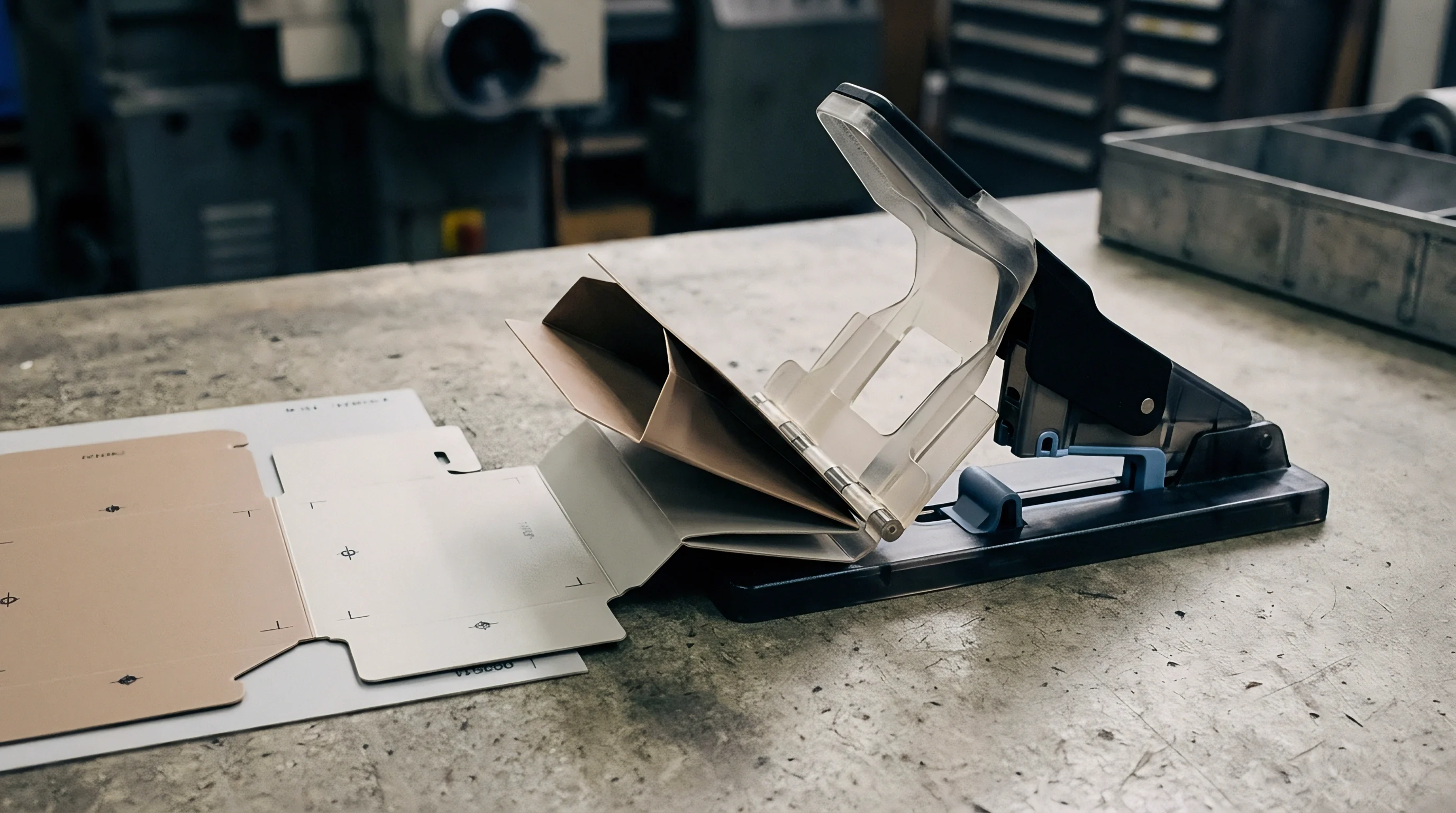
Assembly procedures follow a strict progression to avoid torsional loading of the active crystals:
- Component Cleaning and Degreasing strips machining oils and atmospheric contaminants using ultrasonic solvent immersion to prevent outgassing during high-temperature operation.
- Stack Alignment and Insertion positions the ceramic disks, silver foil electrodes, and matching layers within an alignment jig ensuring concentricity within 0.03 millimeters.
- Lubricant Application coats thread flanks and bearing shoulders with high-purity boron nitride paste to standardize friction coefficients.
- Incremental Axial Loading tensions the clamping fastener through calibrated hydraulic pullers or dual-wrench reaction fixtures to eliminate torsional shear against the ceramic stack.
- Direct Elongation Verification confirms bolt stretch using ultrasonic length gauges, establishing the final preload baseline independently of thread friction scatter.
Galling destroys thread pitch. Failure to control friction coefficients causes thread binding before achieving design preload, releasing the transducer stack into unconstrained vibration that shatters the piezoceramic under high drive voltages.

Heat
Thermal soaking at operating temperatures initiates metallurgic stress relaxation and viscoelastic creep throughout both the housing shell and the internal fastener system. Fasteners tightened to eighty percent of room-temperature yield strength exceed their elastic threshold as operating temperatures elevate because yield points decline steadily with thermal input. Inconel 718 loses twelve percent of its yield capacity between ambient conditions and 550 degrees Celsius.
Stiff clamping loops without compliance elements develop massive compressive stress peaks during initial heat-up due to transient temperature gradients where the thin outer sleeve heats faster than the internal bolt core.
Thermal transients create acute stress spikes. During rapid startup of an industrial gas turbine or thermal processing line, housing walls heat through convective and radiative transfer while the shielded center bolt lags thermally. The housing expands axially, stretching the cold bolt beyond its yield point.
Once the core reaches steady-state temperature, the plastically deformed bolt exhibits permanent elongation, dropping the remaining clamping force below the threshold necessary to retain acoustic coupling at baseline temperatures.
How Rapidly Does Preload Decay at Operational Temperatures?
Primary and secondary creep mechanisms steadily convert elastic strain into permanent plastic deformation under constant load at elevated temperatures. Inconel X-750 disc springs operating continuously at 500 degrees Celsius experience thermal relaxation governed by Arrhenius equations. Relaxation rates accelerate when initial stresses approach half the proportional limit of the material.
Over five thousand operating hours, un-stabilized spring steels shed up to forty percent of their initial clamping force. Pre-stressing disc springs at temperatures fifty degrees above the rated service limit, known as hot-setting, stabilizes dislocation networks and cuts subsequent in-service relaxation to less than six percent over identical service intervals.
Acoustic transducers tested under isothermal conditions fail rapidly under dynamic thermal cycling when component expansion coefficients diverge by more than two parts per million per Kelvin.
Connecting bolt relaxation mechanics to broader engineering practices reveals direct parallels in steam turbine split-line casing studs and deep-well logging packages. Fastener specialists in power generation environments apply hydraulic bolt stretchers and monitor thermal relaxation curves through periodic ultrasonic length measurements. Transducer manufacturers lack the physical space for large tensioning equipment, relying on precise thread pitches and miniature Belleville packs to achieve identical stress retention.
Published literature documents Inconel 718 relaxation rates under isothermal conditions up to 550 degrees Celsius based on five-thousand-hour test runs on standard ten-millimeter tensile bars. These published values carry uncertainty when scaled to miniature transducer fasteners where surface oxidation constitutes a substantial fraction of the total cross-sectional area. Designers apply an additional fifteen percent preload margin to offset unresolved microstructural notch effects in small-pitch miniature threads operating in oxidizing industrial environments.
The long-term relaxation performance of high-purity alumina buffer layers clamped at sixty megapascals above 600 degrees Celsius remains subject to active dispute among acoustic packaging specialists.
Joint
Transducer housings require hermetic sealing to protect sensitive ceramic stacks and internal electrical connections from moisture, corrosive flue gases, and pressure variations. Elastomeric O-rings decompose below 250 degrees Celsius, and fluoropolymer seals extrude under high compressive loads past 300 degrees Celsius. High-temperature acoustic housings demand all-welded metallic closures, metal C-rings, or gold-wire compression seals.
Laser beam welding and electron beam welding provide deep penetration with minimal heat-affected zones, preventing thermal degradation of the adjacent piezocrystal stack during closure.
Weld joints positioned too close to the ceramic stack conduct localized heat exceeding the Curie temperature into the crystal periphery, causing irreversible depolarization. Locating circumferential weld seams at least eight millimeters away from active elements protects internal components. Integrating copper chill rings within the assembly tooling draws heat rapidly out of the housing wall during the welding pass.
Electron beam welding executes inside high vacuum, preventing internal gas expansion while hermetically sealing the housing with virtually zero atmospheric oxidation. Laser welding in an argon environment offers a lower-cost alternative, though internal gas expansion requires precision venting until final weld pass closure.
Nickel alloys resist thermal degradation. Solder sealing fails completely at these operational levels because standard brazing alloys require liquidus temperatures that exceed the Curie point of bismuth titanate and lithium niobate. Gold-wire compression seals clamped directly between precision-machined knife edges deliver hermetic leak rates below 10 to the minus nine standard cubic centimeters per second of helium.
The gold wire yields under high contact stress, flowing into micro-machining striations on the flange faces to produce a reliable diffusion barrier without requiring external heat input.
Thermal shock cracking threatens welded joints when dissimilar metals meet at the sealing boundary. Joining an Inconel 718 main sleeve to a 316L mounting boss creates cyclic interfacial shear under thermal swings, initiating fatigue microcracks at the weld root. Matching the chemistry of all external envelope components eliminates thermal expansion differentials across weld boundaries, safeguarding long-term joint integrity.
Specification standard EN 1779 Method A.1 establishes helium mass spectrometer testing under vacuum hood containment, rejecting assemblies with leak rates exceeding 1.0 times 10 to the minus 8 Pascal cubic meters per second before product acceptance.