Meaning
A decrease in the total duration required to complete one full injection moulding sequence improves the output and profitability of a manufacturing cell. Cycle time reduction focuses on shortening the cooling, injection, or recovery phases without compromising the dimensions or quality of the part. Lowering the time a machine spends on each part reduces the overhead cost per unit.
Cooling Efficiency
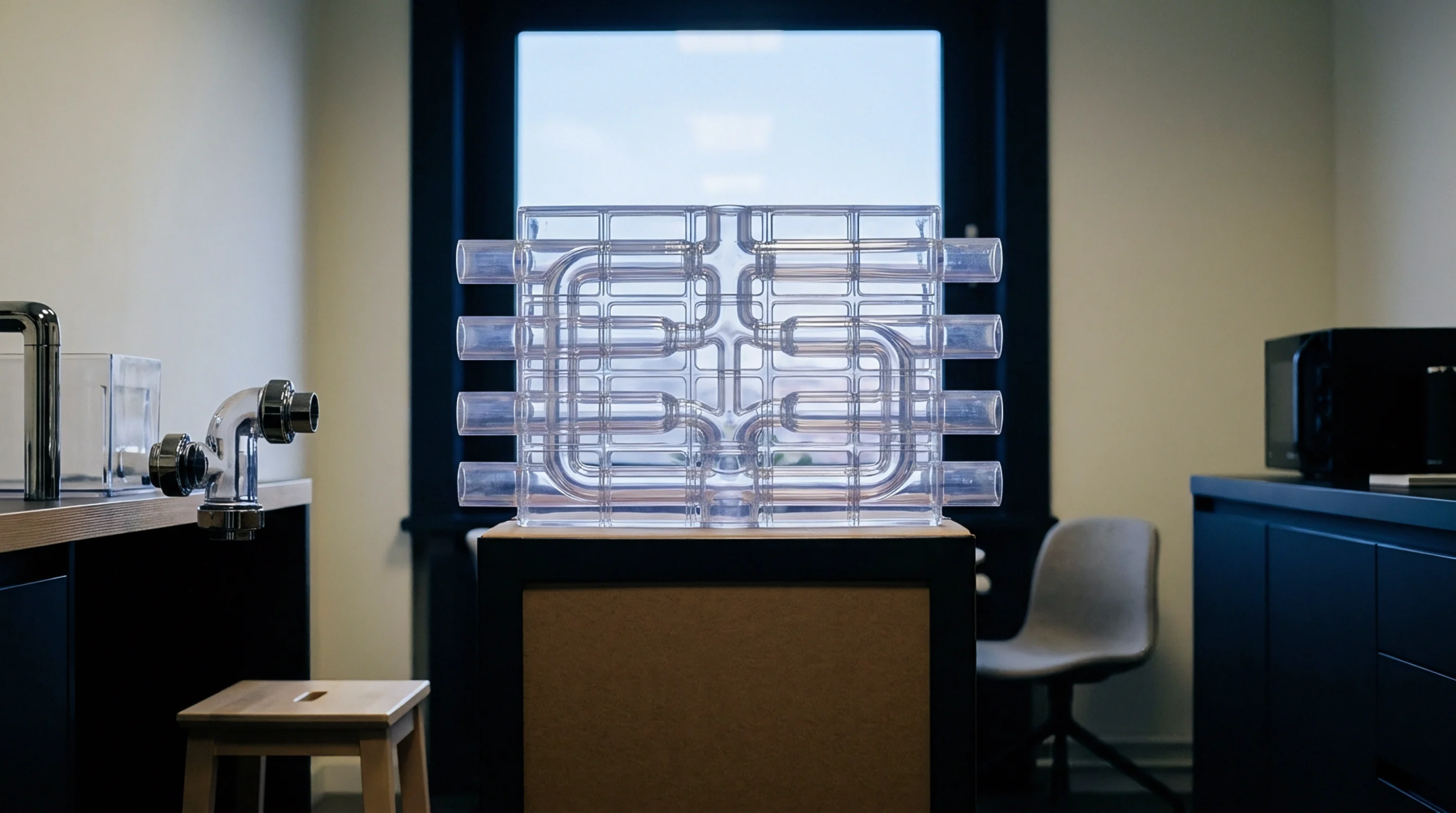
Heat removal takes up the largest portion of the moulding process. Achieving cycle time reduction often involves improving the mould cooling layout or using materials with higher thermal conductivity. Faster cooling allows the part to reach the ejection temperature sooner, which is the most effective way to boost production speed.
Material Choice
Selection of a resin with a higher melt flow or a faster crystallization rate can contribute to faster processing. When cycle time reduction is a priority, adding nucleating agents can help the plastic solidify at a higher temperature. This change reduces the time the part must sit in the tool before it is rigid enough to be pushed out.
Economic Outcome
Profitability of a high volume job is tied directly to the number of parts produced per hour. A successful project for cycle time reduction can turn a marginal product into a highly profitable one by maximizing the utilization of expensive capital equipment. Every second saved translates into lower energy consumption and better margins for the moulder.
Reducing the duration of the cooling phase by even a small percentage can lead to tens of thousands of extra parts over the course of a year, notably impacting the bottom line of the facility.