Quantifying Ethylene Rubber Phase Dispersion Boundaries in Heterophasic Polypropylene Injection Moulding Compounds
Quantifying ethylene rubber dispersion boundaries via DSC and microphase analysis prevents impact failure and controls scrap rates in heterophasic polypropylene.


Shear
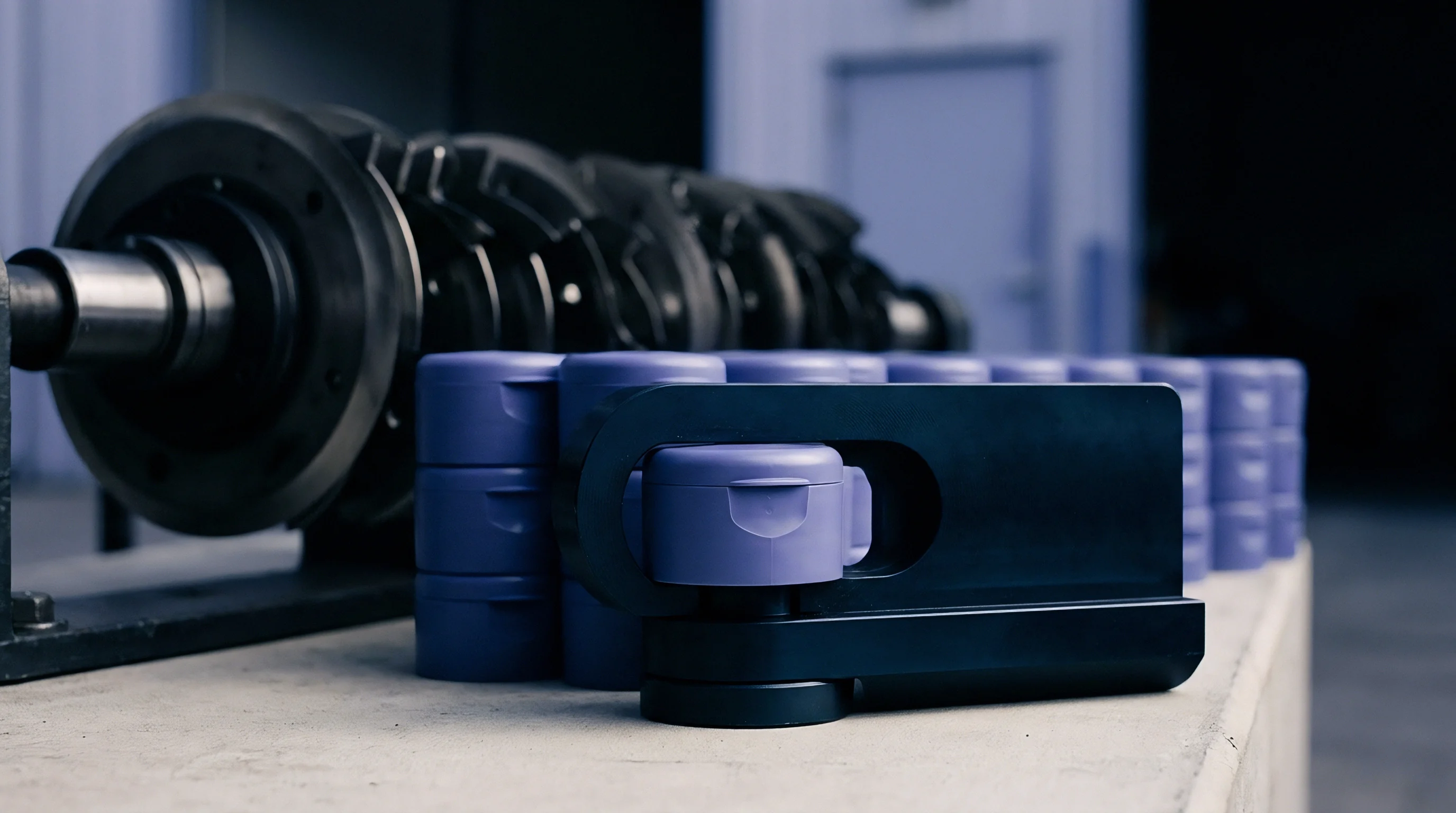
Droplet Deformation Dynamics in Heterophasic Melt Streams
Melt velocity gradients inside injection runner systems subject dispersed elastomer droplets to intense elongational and torsional forces. Heterophasic polypropylene injection moulding compounds depend on the controlled dispersion of an ethylene-propylene rubber phase within a semi-crystalline isotactic polypropylene matrix. During plastication and cavity filling, the dispersed rubber phase exists as molten droplets suspended in a matrix flowing through narrow gate geometry, where velocity gradients reshape the morphology.
Droplet deformation follows capillary action principles, expressed by the Capillary number, which balances viscous hydrodynamic forces against interfacial tension between the matrix and the elastomer phase.
When high processing rates drive the Capillary number past a critical value, steady droplet stretching transitions into unstable necking and rupture. This rupture breaks coarse rubber domains into smaller spherical droplets. Re-coalescence occurs simultaneously whenever deformed droplets collide before cooling locks the morphology in place.
The final dispersion boundary represents an equilibrium between shear-induced breakup and collision-induced coalescence. Compounding formulations with excessive rubber loadings elevate collision frequency, expanding average particle diameters past two micrometers and creating broad domain size distributions.

Viscoelastic Ratio Driving Interfacial Disruption
Viscosity differences between the polypropylene matrix and the ethylene-propylene rubber phase dictate domain shape during mould filling. Matching the zero-shear viscosity of the rubber phase to that of the matrix at compounding temperatures yields an optimal viscosity ratio near unity. A viscosity ratio of one promotes efficient droplet breakup under moderate velocity gradients, producing fine domain distributions with average diameters between zero point five and one point two micrometers.
Deviations in viscosity ratio alter deformation mechanics. When the rubber phase possesses higher viscosity than the matrix at low shear rates, rubber droplets resist deformation, remaining large and irregularly shaped. Conversely, an overly fluid rubber phase forms thin thread-like fibrils under high melt flow velocity that undergo capillary instability and break into non-uniform strings of tiny droplets.
Molders relying on low melt flow rate matrix resins filled with high molecular weight rubber phases experience severe particle elongation near cavity walls, leading to anisotropic mechanical performance and localized stress whitening.
| Parameter Designation | Test Method Baseline | Target Process Range | Morphological Impact |
|---|---|---|---|
| Matrix Melt Flow Rate | ISO 1133-1 (230 C, 2.16 kg) | 12 to 45 g/10 min | Determines matrix flow velocity and hydrodynamic drag forces |
| Rubber Viscosity Ratio | Capillary Rheometry (230 C, 1000 s^-1) | 0.85 to 1.15 | Controls droplet deformation efficiency and breakup dynamics |
| Interfacial Tension | Pendant Drop Method (200 C) | 1.2 to 2.8 mN/m | Governs domain stability against flow-induced coalescence |
| Capillary Number | Derived Rheological Computation | 1.2 to 2.5 times critical | Drives domain breakup into sub-micron spherical particles |
Inconsistent cold-impact values frequently trace back to melt flow variations that fall within standard manufacturing tolerances on commercial datasheets.
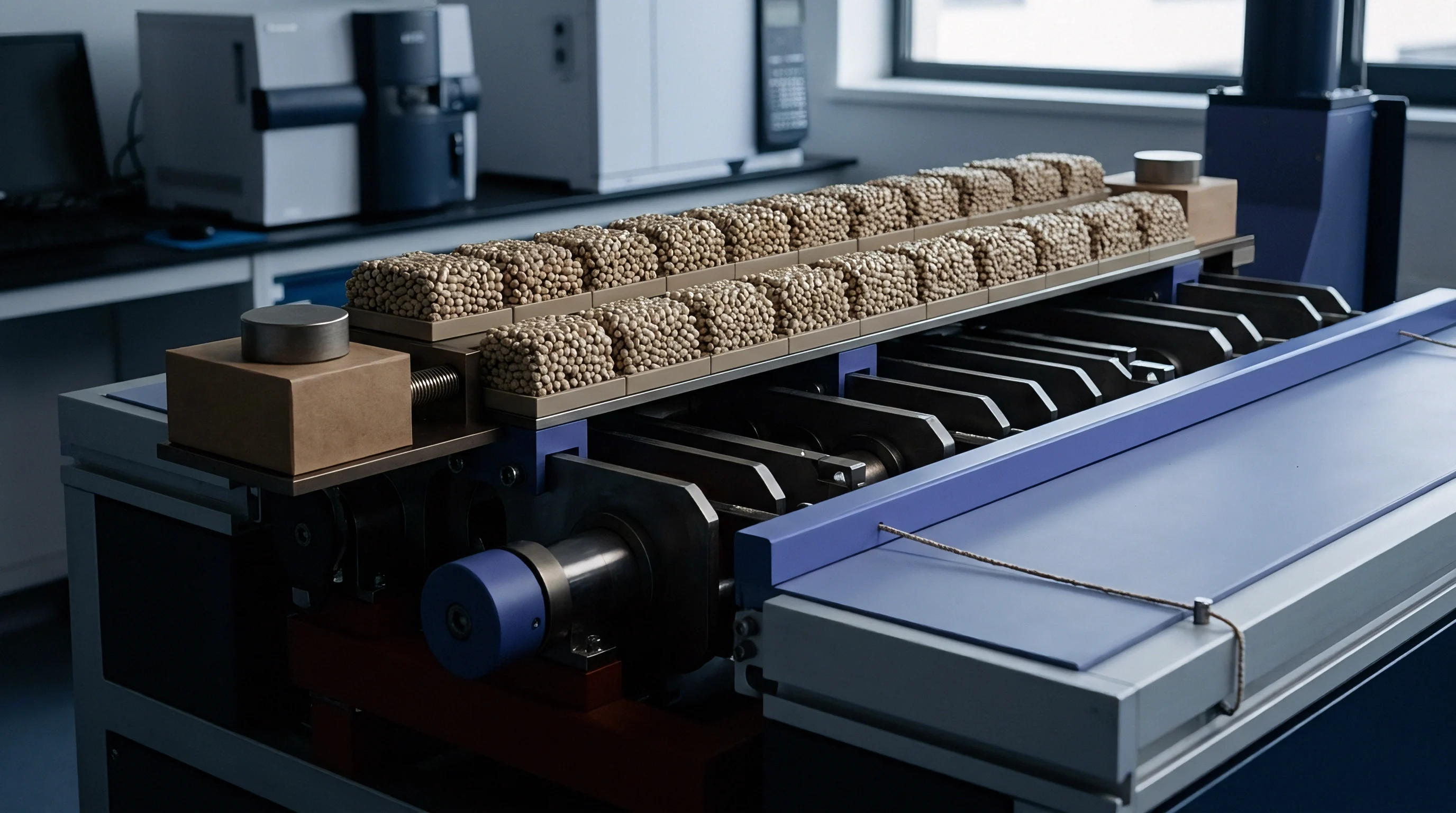

Calorimetry

Differential Scanning Measurement of Elastomer Glass Transitions
Thermal transition analysis identifies the fractional mass of amorphous rubber dispersed within the semi-crystalline polyolefin matrix. Differential scanning calorimetry operating under ISO 11357-2 regulations evaluates heat flow changes as a function of temperature. The glass transition temperature of the amorphous ethylene-propylene rubber phase appears as an endothermic step transition in the temperature window between minus fifty-five and minus forty degrees Celsius.
The magnitude of the specific heat capacity change across this transition correlates directly with total rubber content in the compound.
Glass transition thermal signatures measured via dynamic DSC at ten kelvin per minute isolate the pure ethylene-propylene amorphous rubber volume fraction.
Precise baseline evaluation remains mandatory when resolving overlapping thermal transitions. Secondary heating runs at ten kelvin per minute eliminate thermal history generated during pellet quenching and storage. The temperature position of the rubber glass transition provides direct insight into monomer composition within the elastomer phase.
High ethylene content shifts the glass transition toward lower temperatures, expanding low-temperature impact survival, whereas elevated propylene content raises the transition point toward minus thirty degrees Celsius, compromising cold impact performance.
Quantifying Crystallizable Ethylene Segments
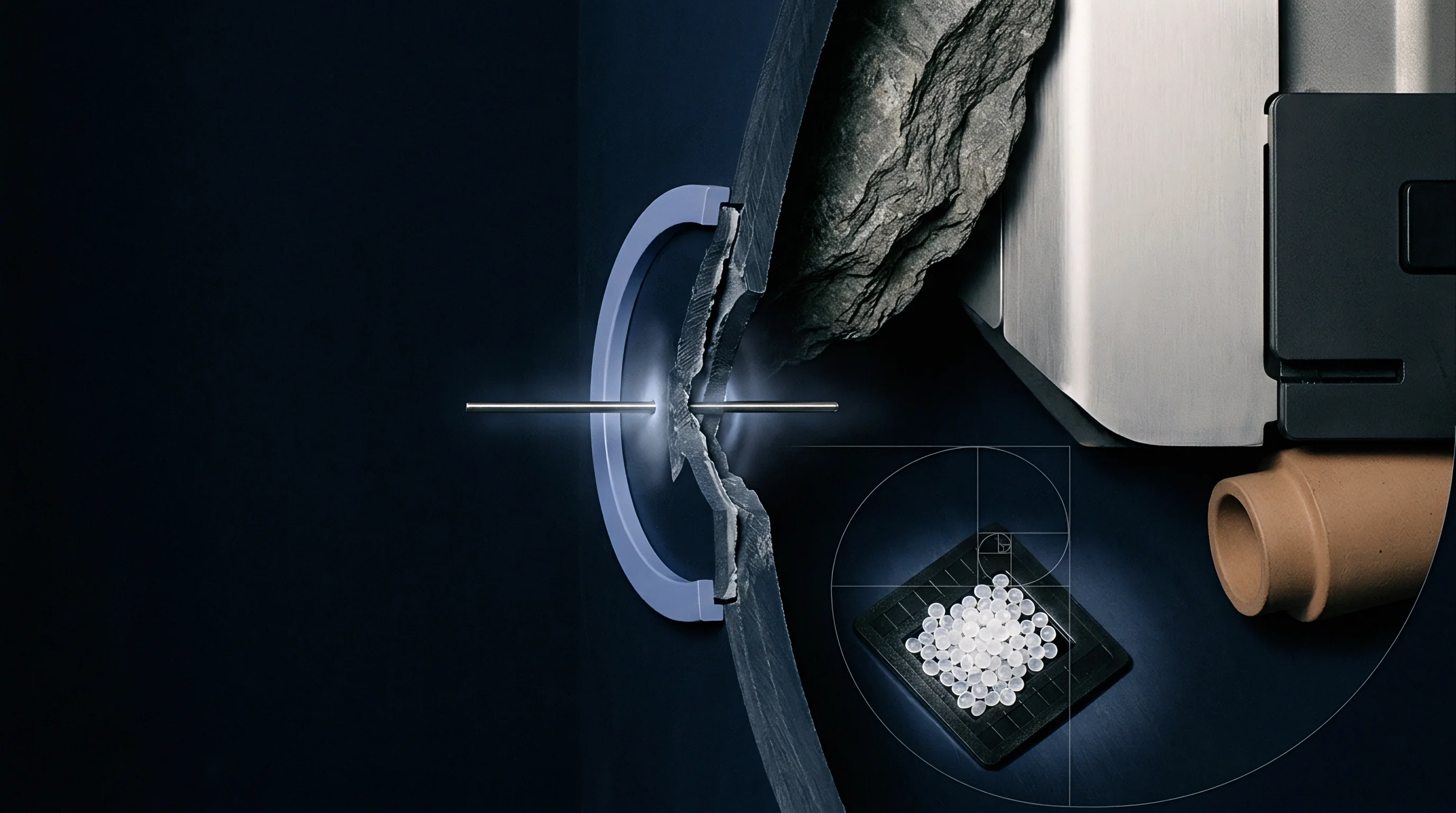
Enthalpy values captured during secondary heating scans expose the presence of polyethylene-like crystalline structures inside rubber particles. In high-impact copolymers produced in multi-stage reactors, the rubber phase is not purely amorphous. Sequential polymerization generates ethylene-rich blocks capable of forming semi-crystalline polyethylene domains inside the rubber droplets, creating a core-shell micro-architecture.
Integration of the melting endotherm between one hundred and one hundred thirty-five degrees Celsius measures the crystalline polyethylene fraction. Dividing this enthalpy value by the reference melting enthalpy of pure crystalline polyethylene, fixed at two hundred ninety-three Joules per gram, calculates the absolute crystallizable ethylene segment concentration. Excessive ethylene block length leads to dense crystalline cores within the rubber phase, raising internal particle stiffness and diminishing the elastomer capacity to absorb impact strain.
The following failure modes occur when rubber phase crystallization limits strain dissipation during sub-zero impact testing:
- Interfacial Delamination occurs when crystalline ethylene blocks inside rubber cores reduce phase compatibility with the surrounding polypropylene matrix.
- Crystalline Phase Segregation develops when long ethylene sequences form isolated, rigid domains that act as internal stress concentrators.
- Impact Energy Dissipation Failure manifests when the glass transition temperature shifts above design limits due to improper monomer ratios in the rubber phase.
- Void Formation initiates along unbonded phase boundaries under high-strain mechanical loading.
A higher rubber fraction increases low-temperature ductility at the cost of flexural modulus.


Etching
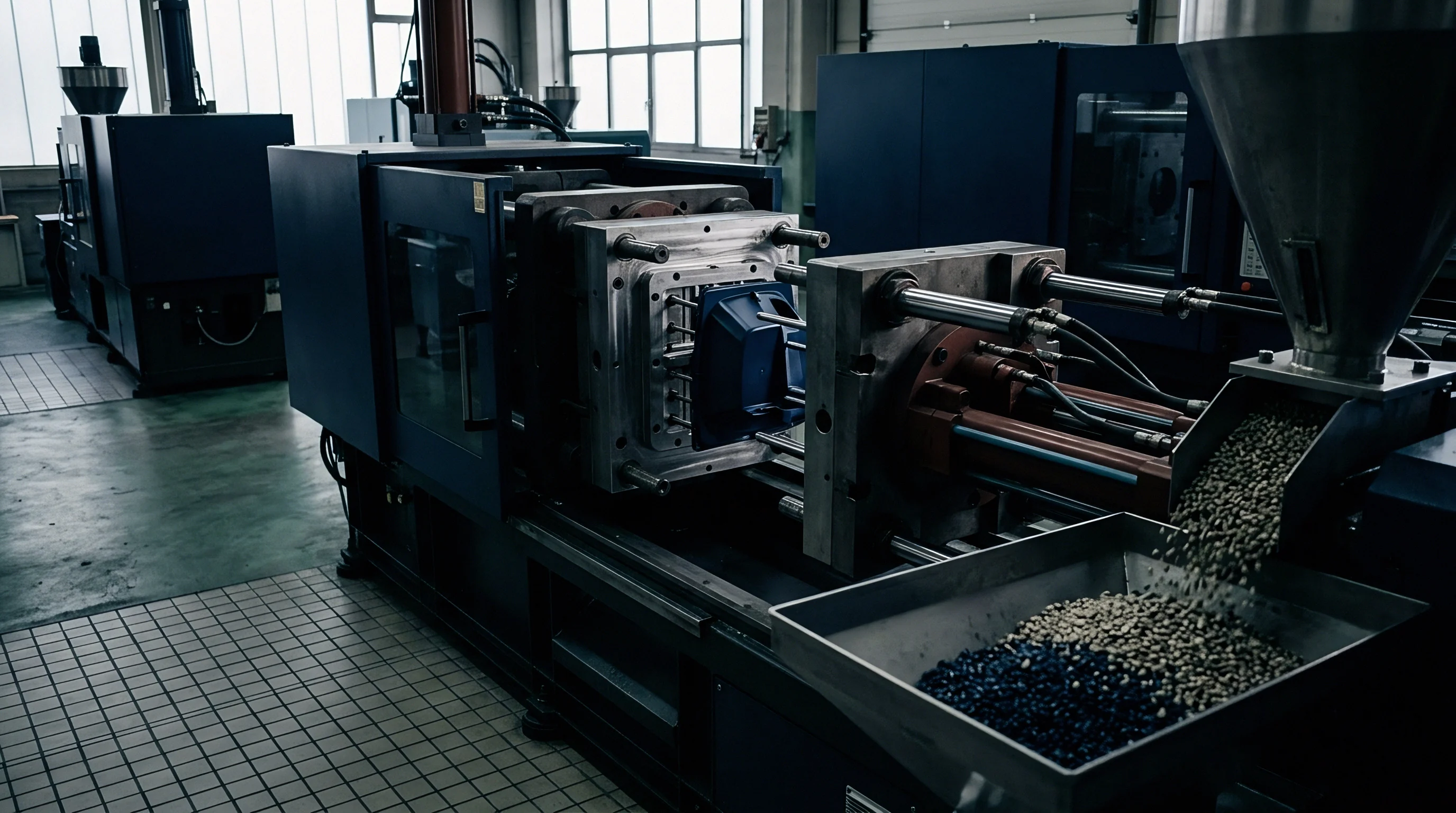
Chemical Solvent Extraction of Elastomeric Domains
Selective dissolution removes the amorphous ethylene-propylene phase to expose structural cavities for microstructural analysis. Standardized laboratory procedures utilize hot xylene extraction under ISO 16152 conditions to isolate the xylene-soluble fraction from the insoluble polypropylene matrix. The xylene-soluble percentage reflects total amorphous content, including both dispersed rubber and low molecular weight matrix fractions.
Targeted surface removal for microscopy relies on permanganate reagent etching. Treating polished section faces with a mixture of potassium permanganate, orthophosphoric acid, and sulfuric acid preferentially oxidizes amorphous rubber domains. The acid mixture attacks the unsaturated sites and tertiary carbon structures of the ethylene-propylene chains at a significantly faster rate than it degrades the semi-crystalline polypropylene matrix, leaving precise topographical relief mapping the original dispersion boundaries.

Permanganate and Xylene Surface Preparation
Reagent grade xylene heated to seventy degrees Celsius dissolves amorphous domains without collapsing the surrounding matrix walls. Sample immersion timing controls removal depth, avoiding over-extraction that causes edge rounding around void perimeters. Immersion for ninety seconds followed by immediate rinsing in ethanol preserves crisp cavity edges suitable for quantitative edge-detection algorithms.
- Cut representative core and skin specimens from injection-molded test specimens using a cryo-microtome operated at minus one hundred degrees Celsius.
- Mount specimens in epoxy resin and polish the test surface sequentially with diamond pastes down to zero point two five micrometers.
- Immerse polished mounts in a controlled permanganate acid bath maintained at twenty-five degrees Celsius for exactly twenty minutes.
- Transfer specimens to a quench bath containing dilute hydrogen peroxide and sulfuric acid to remove manganese dioxide residues.
- Rinse mounts thoroughly in deionized water, dry under nitrogen, and apply a conductive gold-palladium coating measuring three nanometers in thickness.
ISO 16152 specifies a dissolution temperature variance limit of plus or minus zero point five degrees Celsius; exceeding this tolerance invalidates xylene-soluble percentage metrics used for contract lot approval.

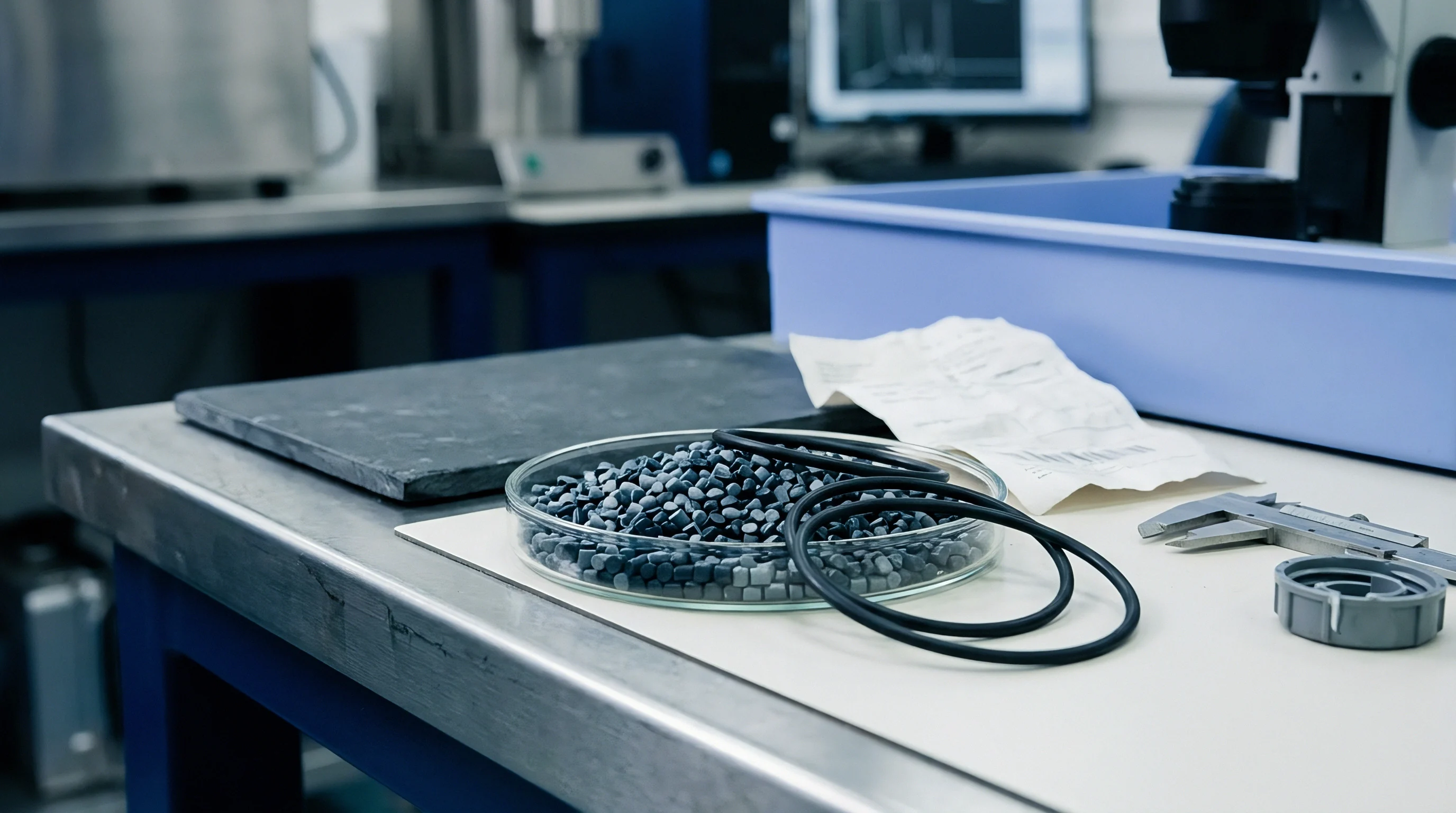
Spectra

Dynamic Mechanical Analysis of Microphase Transitions
Temperature-dependent modulus curves reveal relaxation events associated with glass transitions in multi-phase polyolefin networks. Dynamic Mechanical Thermal Analysis conducted according to ISO 6721-4 applies forced non-resonant oscillatory torsion to solid specimens across a temperature sweep from minus one hundred to plus one hundred fifty degrees Celsius. Storage modulus loss steps paired with loss tangent peaks isolate phase relaxation phenomena across spatial boundaries.
The loss tangent spectrum resolves two primary transition peaks in impact copolymer formulations. The low-temperature peak, designated as the gamma transition, identifies the rubber glass transition event. The mid-temperature peak, known as the alpha transition around zero degrees Celsius, corresponds to the glass transition of the isotactic polypropylene matrix.
Shift patterns in peak temperatures signal partial phase mixing or interfacial compatibilization between the polyolefin components.
Technical specifications mandating ISO 17855-2 infrared absorption calibration curves eliminate supplier variance in total bound ethylene calculations.

Which Atomic Force Microscopy Mode Captures Elastomer Adhesion?
Peak force quantitative nanomechanical mapping measures localized elastic modulus across sub-micron interfacial regions without damaging soft rubber phases. Atomic Force Microscopy operating in tapping or peak force modes scans cross-sectional topographies to register surface indentation modulus, energy dissipation, and adhesion forces at nanometer resolution. The elastic modulus drops sharply across the transition boundary separating the stiff matrix from the compliant rubber core.
Boundary thickness measurements quantify interphase regions. Pure polypropylene matrix displays a Young’s modulus near one point five Gigapascals, whereas the core ethylene-propylene rubber registers values between ten and fifty Megapascals. The spatial distance over which the modulus transitions between these extremes defines interphase thickness.
Interphase zones measuring between twenty and fifty nanometers demonstrate enhanced interfacial adhesion, preventing early rubber-matrix debonding under rapid tensile deformation.
| Analytical Method | Primary Measurement Value | Spatial or Mass Resolution | Operational Limitation |
|---|---|---|---|
| FTIR Spectroscopy (ISO 17855-2) | Total Ethylene Content | Bulk Mass (mg level) | Cannot distinguish between matrix-bound and rubber ethylene |
| DMTA (ISO 6721-4) | Phase Glass Transitions | Bulk Thermal (0.1 C step) | Requires geometric specimen symmetry to maintain uniform torque |
| AFM (Peak Force QNM) | Interphase Modulus Gradient | Nanometer Spatial (10 nm) | High sensitivity to surface roughness artifacts from polishing |
| SEM Image Analysis | Particle Size Distribution | Sub-micron Spatial (50 nm) | Requires chemical contrast etching prior to image acquisition |
Current analytical techniques leave open the question of whether interphase boundary thickness responds primarily to reactor residence time or to downstream shear histories during secondary compounding.

Specimen

Core-to-Skin Morphology Variations across Molded Bars
Cross-sectional analysis of injection-molded test bars demonstrates severe morphological gradients from the outer wall to the center. Polymer melt injected into cool mold cavities freezes rapidly along the tool surface, creating a highly oriented skin layer. High shear rates near cavity walls elongate rubber droplets into thin, high-aspect-ratio threads aligned parallel to the flow direction, shaped by tool geometry and rapid coolant flow at the surface.
Moving inward toward the core, thermal dissipation slows and shear rates drop dramatically. Core regions allow stretched rubber fibrils to relax back into spherical geometries before matrix crystallization locks the phase boundaries, though coalescence in these regions can degrade impact strength. Consequently, average rubber particle diameters measured in core zones exceed skin layer domain dimensions by up to two hundred percent, requiring spatial micro-sampling when evaluating impact copolymer properties.
Coarsening rubber domain distributions past two micrometers forfeits sub-zero impact resistance while accelerating brittle crack propagation.

Impact Energy Correlation with Particle Diameter Distribution
Notched Charpy resilience at sub-zero temperatures correlates directly with mean rubber particle sizes ranging between zero point five and one point five micrometers. Impact testing per ISO 179-1eA at minus thirty degrees Celsius forces rapid crack initiation from a standard V-notch. Rubber domains act as stress concentrators, promoting localized craze formation and shear yielding in the adjacent polypropylene matrix.
Crack propagation halts when craze lines intersect neighboring rubber particles, absorbing kinetic energy through plastic deformation.
Domains smaller than zero point two micrometers fail to initiate effective crazing, resulting in brittle failure modes similar to unmodified homopolymer resins. Domains larger than two micrometers trigger micro-void coalescence, leading to premature boundary cracking under low strain. Achieving ductile fracture responses down to minus thirty degrees Celsius demands narrow rubber particle distributions centered around zero point eight micrometers.
Evaluating resin suppliers for high-impact moulding specifications mandates verification of several key quality indicators:
- Mean Domain Diameter must fall within zero point five and one point two micrometers across core cross-sections.
- Xylene Soluble Content must remain within plus or minus zero point eight percent of nominal target values.
- Ethylene Content in Rubber must verify between forty-five and fifty-five weight percent to ensure sub-zero compliance.
- Skin-Core Variance Ratio must stay below two point zero to prevent anisotropic warpage in thick-walled mouldings.
| Rubber Domain Diameter (d50) | Flexural Modulus (ISO 178) | Notched Charpy at 23 C (ISO 179-1eA) | Notched Charpy at -30 C (ISO 179-1eA) |
|---|---|---|---|
| Sub-micron (< 0.3 um) | 1450 MPa | 9.5 kJ/m^2 | 2.8 kJ/m^2 (Brittle) |
| Optimal Range (0.6 to 1.1 um) | 1250 MPa | 48.0 kJ/m^2 (Ductile) | 11.5 kJ/m^2 (Ductile) |
| Coarse Dispersion (1.8 to 2.5 um) | 1100 MPa | 22.0 kJ/m^2 | 4.2 kJ/m^2 (Brittle) |
| Agglomerated (> 3.0 um) | 950 MPa | 11.0 kJ/m^2 | 3.1 kJ/m^2 (Brittle) |
Specifying impact copolymers based solely on bulk melt flow rate leads directly to field fractures when unverified coarse domain distributions pass incoming inspection.


Margin

Landed Resin Economics for High-Impact Polypropylene
Polyolefin resin pricing follows petrochemical monomer costs while compounding complexity adds distinct premiums to high-impact grade formulations. Reactor-grade heterophasic copolymers carry lower production costs than post-reactor compounded thermoplastic olefins due to continuous single-pass synthesis. A forty-tonne order of premium high-impact polypropylene carrying certified narrow rubber dispersion boundaries commands a price premium of one hundred eighty to two hundred fifty Euros per metric tonne over commodity moulding grades, where factors like mold temperature and rubber content balance surface finish against flexural modulus.
Consider a moulding plant processing fifty tonnes of resin monthly for automotive interior components. Raw material pricing rests at eighteen hundred Euros per metric tonne for verified reactor impact copolymer versus sixteen hundred twenty Euros for off-spec prime material with inconsistent phase morphology. Initial material invoice savings for the cheaper option total nine thousand Euros per month.
Moulders purchasing unverified off-spec reactor grades routinely pay double their expected scrap allowance in structural wall failures.

Yield Losses from Inconsistent Rubber Morphology
Part ejection failures and visual blushing during molding runs stem directly from phase separation across rubber domain boundaries. Broad particle size distributions trigger inconsistent shrinkage rates across part geometries, causing warpage that exceeds dimensional tolerances during automated assembly. A two percent increase in part scrap rate driven by morphological instability converts the initial nine thousand Euro material discount into a monthly operational loss exceeding fifteen thousand Euros when factoring in machine downtime, energy consumption, and wasted tool amortization.
Tooling wear adds hidden maintenance expense. Highly un-compatibilized rubber phases require elevated injection pressures to force high-viscosity melt through restricted gate sections, accelerating cavity gate erosion and requiring premature tool rework. Ensuring tight phase dispersion boundaries during material qualification protects production margins against yield attrition, tool degradation, and unexpected field warranty obligations.