
Isotactic Polypropylene Matrix Structure in Low Temperature Packaging
Impact polypropylene packaging relies on dispersed rubber phase morphology to maintain sub-zero ductility below the glass transition temperature of the matrix.
Impact polypropylene packaging relies on dispersed rubber phase morphology to maintain sub-zero ductility below the glass transition temperature of the matrix.
Quantifying rubber morphology requires measuring xylene soluble viscosity ratios, staining domain dispersions, and tracking interparticle ligament thickness.
Recycled PP impact copolymer performance depends on maintaining micron-scale EPR phase dispersion against shear coalescence and selective chain scission.
Polypropylene impact copolymer toughness depends on sub-micron EPR phase dispersion, where viscosity matching controls energy absorption at cold temperatures.

Analytical calibration boundaries in high-temperature elution fractionation must isolate rubber fractions at 35°C to avoid severe impact modifier dosing errors.
Controlling ethylene-propylene rubber dispersion below one micron preserves crate drop impact at minus thirty while retaining stack rigidity.
Polypropylene impact copolymers for frozen containers balance rubber content and viscosity matching to prevent cold brittle failure at minus twenty degrees.
Quantifying ethylene rubber dispersion boundaries via DSC and microphase analysis prevents impact failure and controls scrap rates in heterophasic polypropylene.

Reactor grade polypropylene copolymers absorb sub-zero impact energy through ethylene-propylene rubber domain crazing and interfacial cavitation down to minus forty.
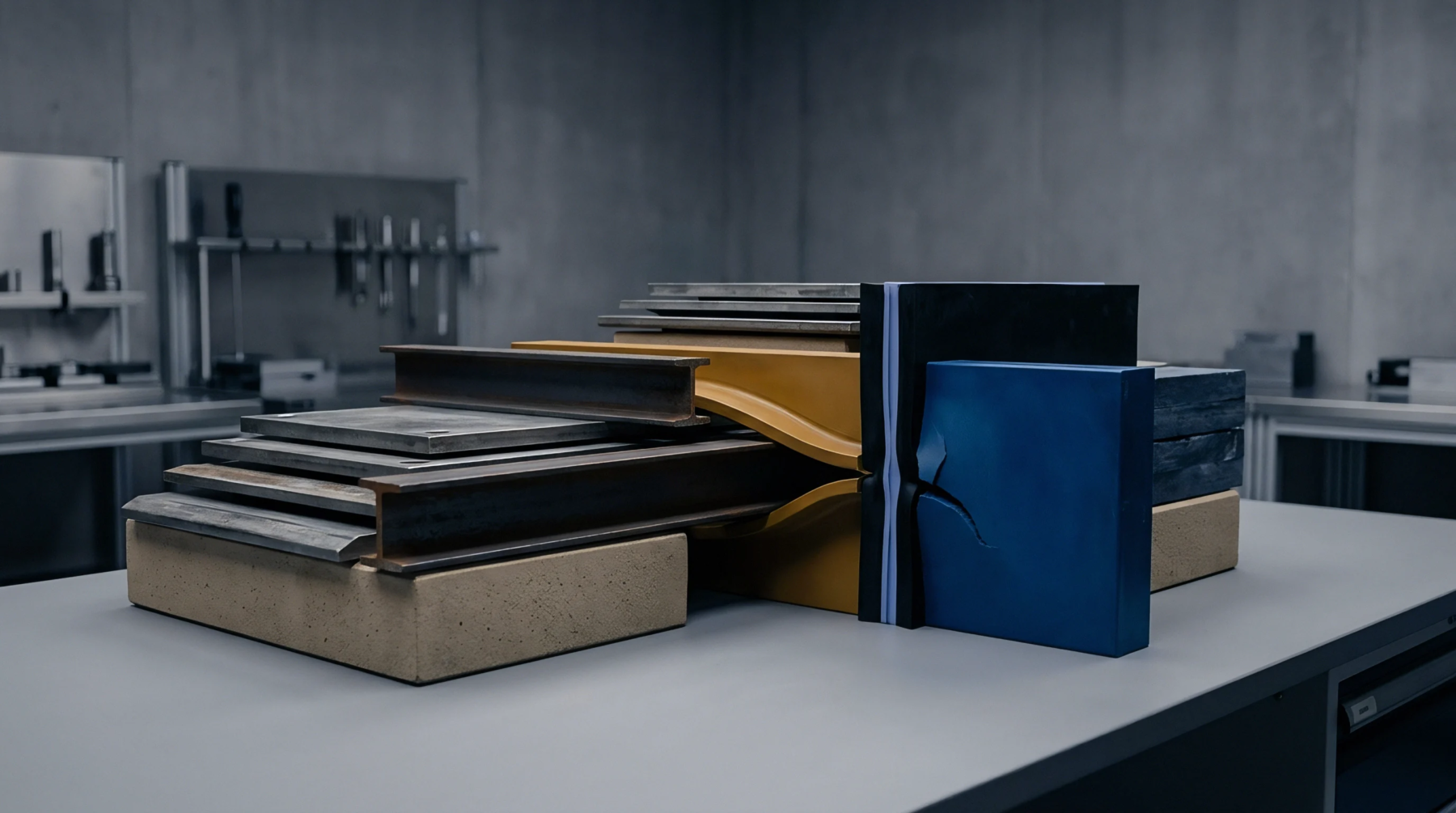
Impact copolymers deliver superior notched and subzero impact resistance over homopolymers by incorporating a dispersed ethylene-propylene rubber phase.
Expertise is a utility, not a secret. sentiention™ publishes its working knowledge as open reference: intelligence layer covering the materials it sources, the markets it enters, and the reference that serves both.