Meaning
Atmospheric pressure chemical ionization is a soft ionization technique coupled to liquid chromatography systems for the characterization of polymer additives, low molecular weight oligomers and degradation products extracted from moulded plastic parts. Liquid eluent from a chromatographic column passes through a heated pneumatic nebulizer where thermal vaporization converts the mobile phase and solute molecules into a gas phase aerosol. A high voltage corona discharge needle positioned at the exit of the probe generates reactant ions from ambient moisture and solvent vapours through a cascade of ion molecule reactions.
Charge transfer proceeds via protonation or deprotonation depending on the polarity applied to the discharge electrode, yielding quasi-molecular ions with minimal fragmentation. Analysis stops when the molecular weight exceeds two thousand Daltons because non-volatile polymer chains fail to vaporize efficiently within the thermal desorption zone.
Ionization Efficiency
Sample introduction relies on the rapid evaporation of droplets to release analyte molecules into the gas phase prior to reagent ion collisions. Solvent composition dictates the formation of precursor ions because high proton affinity modifiers suppress ionization of target antioxidant compounds present in polyolefin formulations. Gas flow dynamics inside the source chamber govern the trajectory of neutral molecules toward the reaction region, preventing premature condensation on cold metallic surfaces.
Temperature settings on the heated ceramic tube control the internal energy imparted to thermally labile stabilizers extracted from engineering thermoplastics. Calibration curves established with synthetic standards correlate ion counts with mass fraction concentrations to quantify slip agents migrating to the surface of extruded films.
Polymer Extraction
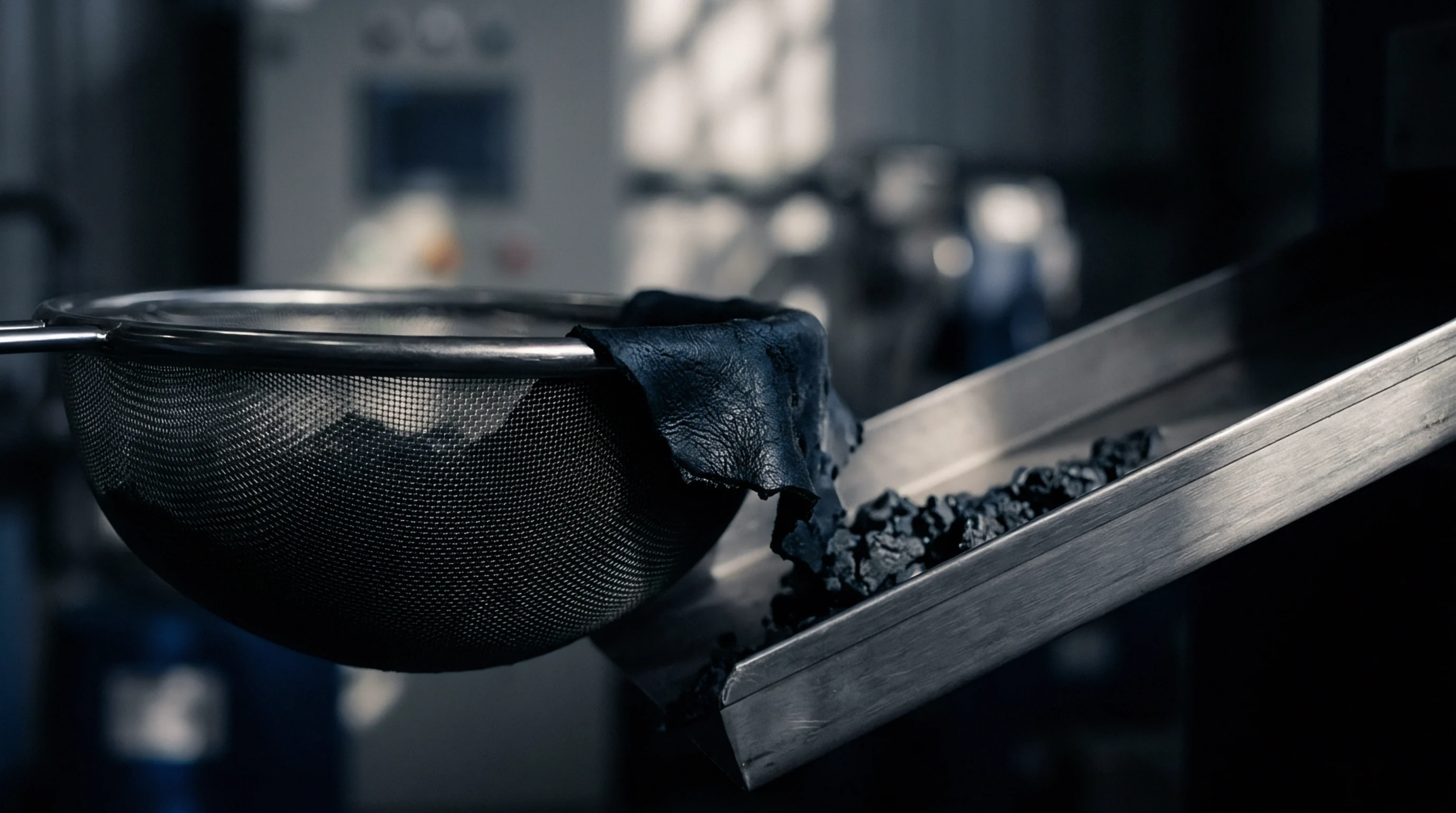
Sample preparation protocols dictate the recovery yield of plasticizer additives before instrumental introduction, requiring precise solvent selection to dissolve target compounds without swelling the surrounding polymer matrix. Chlorinated solvents disrupt intermolecular forces holding crystalline domains together, releasing trapped processing aids into the liquid extract for subsequent chromatographic separation. Filtration removes suspended gel particles and high molecular weight polymer debris that would otherwise clog the narrow capillary inlet of the analytical interface.
Extraction time parameters balance complete recovery against the degradation of sensitive phosphite stabilizers exposed to thermal stress during sample preparation. Recovery rates established during method validation verify that extraction protocols isolate additives quantitatively without inducing chemical transformation prior to ionization.
Resin Degradation
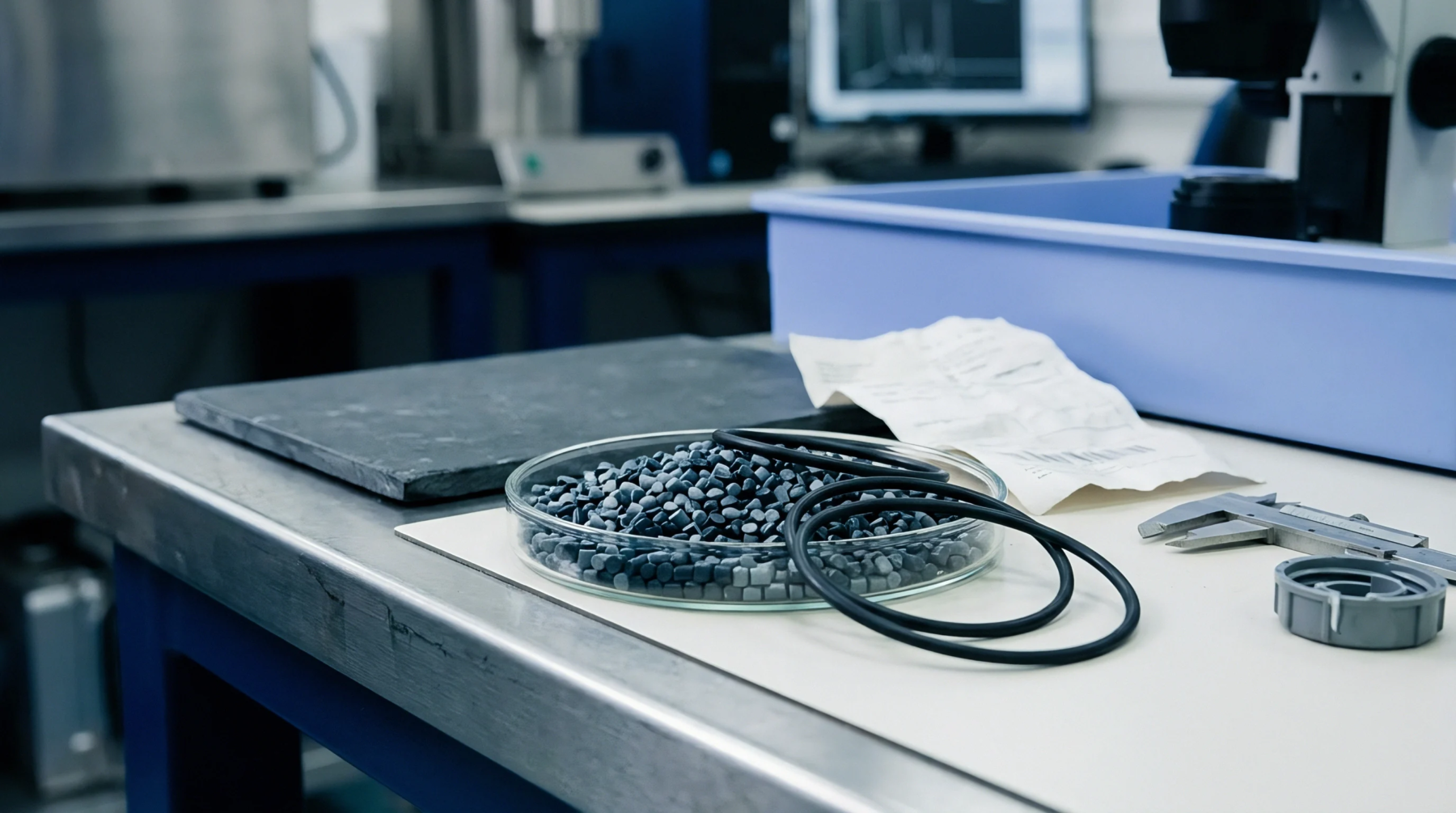
Thermal history experienced by the polymer melt during injection moulding alters the chemical profile of degradation byproducts detected during mass spectrometric screening. Extrusion temperatures exceeding recommended processing limits cleave polymer backbones, generating volatile oligomers that ionize readily under soft discharge conditions. Antioxidant depletion measured across consecutive production cycles indicates the degree of thermal stress imposed on recycled regrind streams blended with virgin polymer pellets.
Residual moisture within hygroscopic engineering resins hydrolyzes ester linkages during high pressure injection, producing acidic cleavage products that shift ionization current balances. Tooling geometry influences residence time distributions within the barrel, determining whether polymer degradation reaches the threshold where secondary ions appear in the mass spectrum.