Resolving Saturated Polyolefin Hydrocarbon Oligomer Interference in Mineral Oil Migration Dossiers
Polyolefin oligomer co-elution requires epoxidation clean-up and GCxGC deconvolution to prevent false mineral oil failures in migration dossiers.
Polyolefin oligomer co-elution requires epoxidation clean-up and GCxGC deconvolution to prevent false mineral oil failures in migration dossiers.

Polyolefin oligomer humps in HDPE mimic mineral oil on LC-GC-FID; compliance requires GCxGC-TOFMS spectral deconvolution and specific migration on Tenax.

In vitro gastrointestinal bioaccessibility bioassays measure micellar oligomer solubilization to establish true systemic intake limits for recycled polyolefin packaging.
High molecular weight unsaturated polyolefin oligomers between C20 and C50 require dual-dimensional gas chromatography to ensure migration remains below 0.6 mg/kg.
Physical testing identifies upstream pyrolysis markers, while finished mass balance resin claims depend on strict fuel-exempt bookkeeping audits.
Resolving mineral oil saturated hydrocarbons from polyolefin oligomers demands online liquid chromatographic cleanup combined with two-dimensional gas spectrometry.
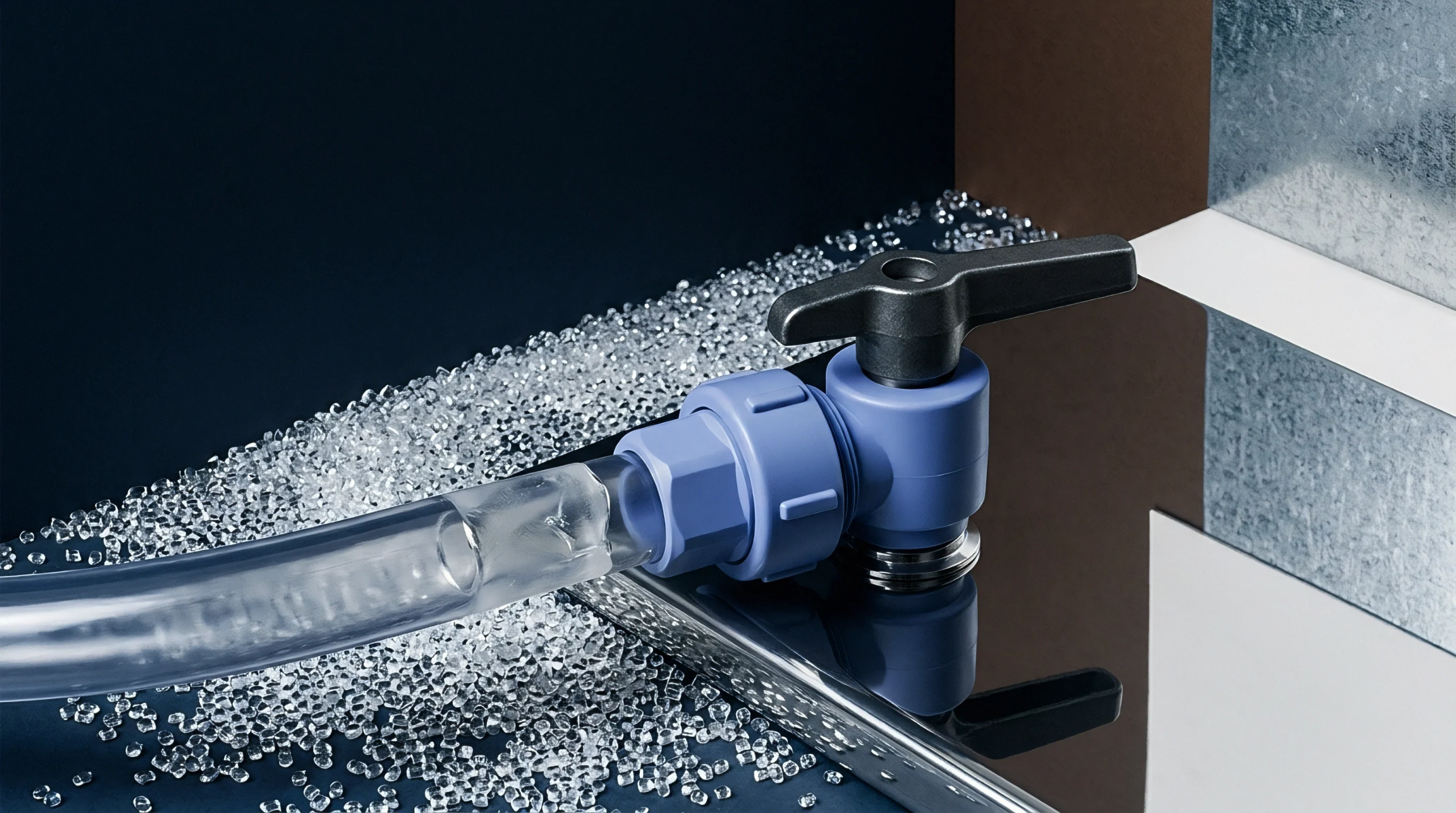
Preparative isolation of low molecular weight polyolefin fractions requires rigorous thermal solvent extraction to verify food contact compliance and REACH boundaries.
Expertise is a utility, not a secret. sentiention™ publishes its working knowledge as open reference: intelligence layer covering the materials it sources, the markets it enters, and the reference that serves both.