Meaning
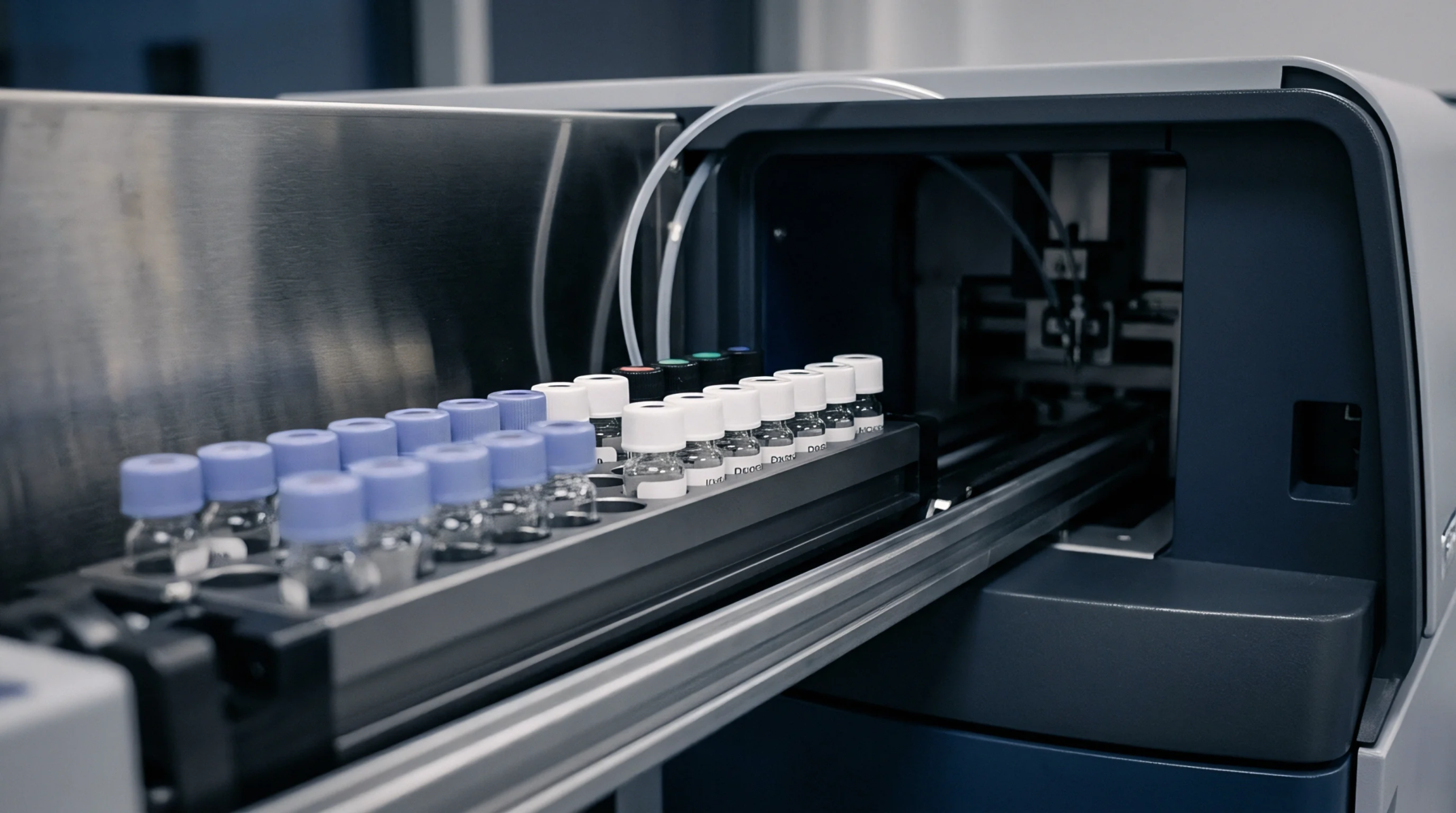
Polymer oxidative aging heat represents a thermal exposure threshold for synthetic materials intended to simulate extended environmental service conditions. This poah assessment quantifies chemical degradation rates through accelerated aging cycles in a forced air oven. Samples undergo controlled temperature elevation for defined durations to measure shifts in tensile strength and elongation at break.
Standardized degradation protocols apply when verifying long term mechanical integrity for polymers used in automotive or aerospace components.
Process Variable
Heat exposure levels define the primary setting for this testing protocol. Technicians select temperatures that stay below the melt phase to ensure solid state oxidation occurs without morphing the physical geometry. Precise calibration of air velocity prevents local concentration of degraded byproducts near the specimen surface.
Consistency in these parameters allows laboratories to distinguish between inherent resin stability and performance drift caused by improper additive dispersion.
Material Performance
Degradation occurs as polymer chains break or crosslink under the stress of oxygen and thermal energy. High molecular weight chains fragment into lower weight segments which reduces the overall load bearing capability of the part. Brittle failure follows when the internal structure loses the ability to dissipate energy during mechanical loading.
Specifications differentiate between raw virgin resin and regrind material by comparing the poah survival rate of each, as regrind typically shows faster degradation due to prior thermal history.
Cost Impact
Excessive material aging leads to premature field failures which trigger warranty claims and potential liability for the manufacturer. Replacing subgrade batches or adjusting additive packages early in the development cycle prevents these downstream losses. Quality control departments use these results to validate the shelf life of inventory that sits in fluctuating warehouse climates.
Accurate simulation of heat aging provides a reliable forecast of component longevity that justifies the investment in high performance stabilizers.