Verifying Mass Balance Allocation in Olefin Co-Processing
Verifying mass balance in olefin co-processing requires yield-adjusted mass allocation models backed by batch-linked audit trails and strict NIAS screening.

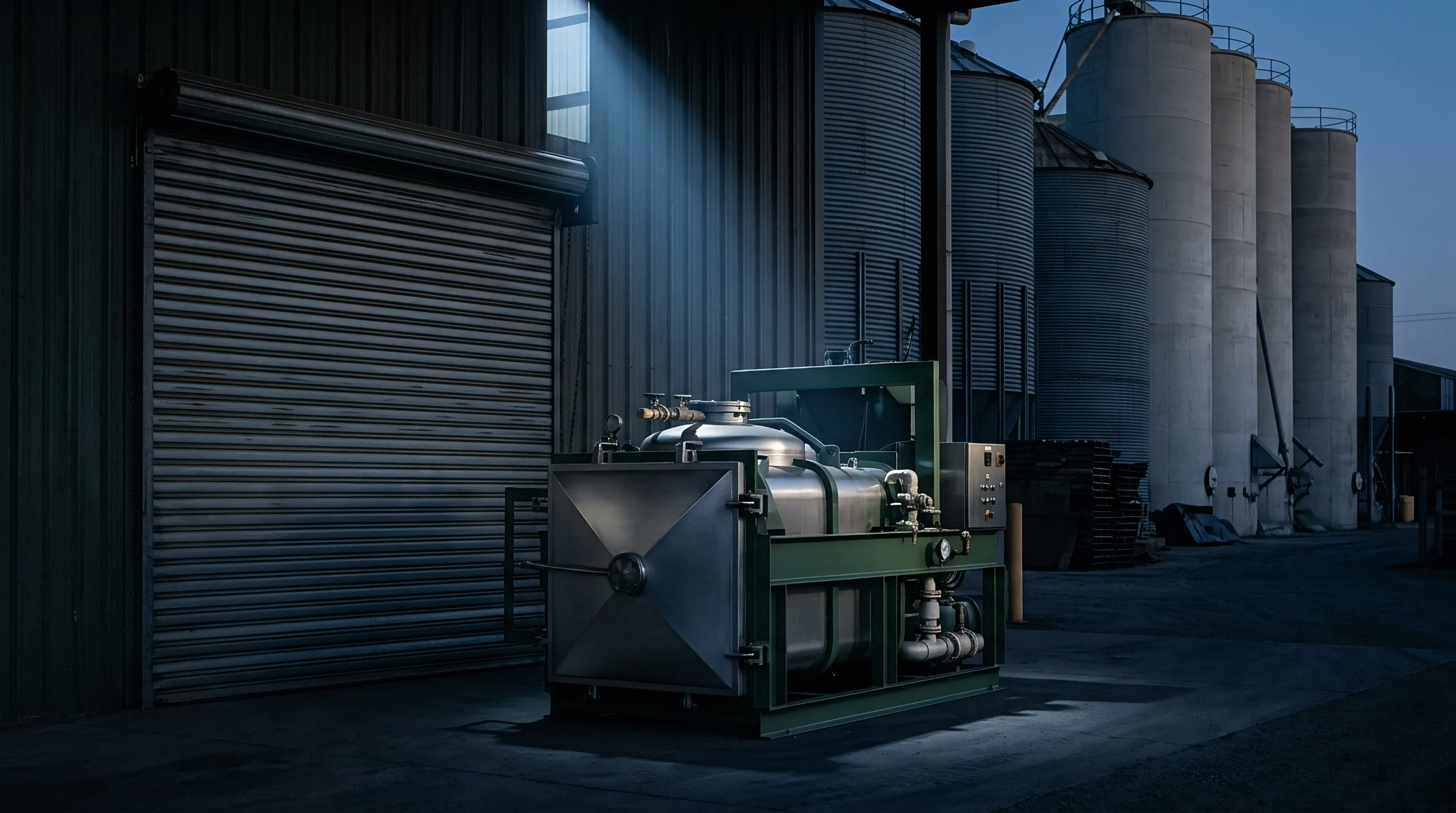
Furnace
Thermal cracking units convert liquid hydrocarbons into light olefins at temperatures between 750 and 870 degrees Celsius inside radiantly heated alloy tubes. When a petrochemical site introduces alternative feedstocks, such as post-consumer plastic pyrolysis oil or hydrotreated vegetable oil, the circular or bio-based raw material mixes directly with fossil light naphtha or gas oil before reaching the convection zone. Physical segregation inside continuous cracking coils remains impossible once feedstocks enter the header pipe.
Carbon atoms from waste plastics or renewable fats combine indiscriminately with fossil molecules during thermal pyrolysis, yielding ethylene, propylene, butadiene, mixed butylenes, pyrolysis gasoline, and heavy fuel oil.
Cracker coils operate at red heat. The resulting reaction products exit the quench system as a single gas stream, passing through primary fractionators, compressors, acid gas removal units, and cryogenic distillation columns. Because chemically identical ethylene molecules emerge from the final splitter regardless of whether their carbon originated from underground petroleum or a recycled polyethylene jug, plants cannot separate physical circular olefins from virgin olefins at the discharge manifold.
A verification strategy for mass balance allocation rests on understanding how different feedstocks alter product yields across the cracker train.
Co-processing five percent plastic pyrolysis oil in light naphtha reduces ethylene yield by zero point six weight percent while increasing heavy aromatic residue by zero point eight weight percent at a coil outlet temperature of 835 degrees Celsius.
Pyrolysis oil derived from mixed packaging waste carries a lower hydrogen-to-carbon ratio than paraffinic light naphtha. Steam cracking this heavier, more aromatic feedstock produces less polymer-grade ethylene and higher quantities of fuel gas, pyrolysis gasoline, and carbonaceous coke on coil walls. Attributing output credits on a simple one-to-one mass basis without adjusting for physical yield differences creates inflated claims for high-value polymers.
Thermal Yield Distortions in Mixed Feed Streams
Feedstock composition dictates gas phase cracking kinetics inside the radiant furnace. Paraffinic naphtha yields up to 33 percent ethylene under high-severity conditions, whereas pyrolysis oils derived from post-consumer polyolefins containing aromatic or wax fractions yield between 24 and 28 percent ethylene. When operators co-process alternative feedstocks, the plant mass balance ledger must account for these chemical yield variations rather than assuming equal conversion efficiency across all liquid inputs.
| Feedstock Component | Ethylene Yield (wt %) | Propylene Yield (wt %) | C4 Hydrocarbons (wt %) | Pyrolysis Gasoline (wt %) | Fuel Gas & Fuel Oil (wt %) |
|---|---|---|---|---|---|
| 100% Virgin Light Naphtha | 32.5 | 15.2 | 9.1 | 18.4 | 24.8 |
| 90% Naphtha / 10% Waste Polyolefin Py oil | 31.8 | 14.9 | 8.8 | 19.6 | 24.9 |
| 90% Naphtha / 10% Mixed Packaging Py oil | 29.6 | 13.8 | 8.2 | 22.1 | 26.3 |
Fossil carbon dominates the stream. Chemical crackers track total mass flow using fiscal-grade orifice meters, coriolis mass flow meters, and online gas chromatographs at feed boundaries. Process monitoring records the exact mass of certified circular feedstock delivered to the plant boundary over a defined operational window.
If an auditor accepts raw input mass without subtracting non-polymer outputs like fuel gas and heavy pitch, the system over-allocates circular credits to polyolefin products by a margin equal to the unreacted fuel fraction. Claiming high-value polyethylene credits on feed volume that actually burned as cracker process fuel invalidates the sustainability dossier during external regulatory audits.

Arithmetic
Volumetric accounting protocols turn physical plant inputs into assignable market credits. Standards such as ISO 22095, ISCC PLUS, and REDcert2 define the rules for mapping circular or bio-based feedstock mass onto refined polymer products leaving the petrochemical complex. The core equation balances input mass against output mass using explicit attribution factors, accounting for energy losses, purge streams, and chemical conversion yields across the site boundary.
Energy balances govern credit generation. Under standard chemical mass balance accounting, site operators establish a balancing window, typically thirty days or one calendar month, during which all physical inputs and allocated outputs must reconcile. Mass credits cannot be generated before the certified feedstock physically enters the facility storage tank.
Conversion calculations require converting gross input mass into dry, contaminant-free chemical mass using third-party lab inspection reports.
Clause 4.3.2 of the ISCC PLUS system document specifies that allocation factors applied to chemical products shall never exceed the theoretical mass conversion yield calculated from the specific plant operating parameters.
Yield losses alter the ledger. In a steam cracker, total liquid feedstock converts partly to target olefins and partly to process energy consumed in the furnace burners. When 1,000 tonnes of certified circular pyrolysis oil enter the cracker, the plant cannot allocate 1,000 tonnes of circular polyethylene credit to downstream customers.
The mass balance ledger applies a physical conversion factor reflecting the actual polymer-grade olefin yield of the specific cracker train.
Worked Conversion and Credit Allocation Scenario
A continuous olefin unit co-processes circular pyrolysis oil with virgin paraffinic naphtha over a 30-day accounting period. The plant balance accounts for losses, fuel gas generation, and yield adjustments before issuing mass balance credits to specific polymer batches.
- Feedstock Intake Volume equals 1,000 metric tonnes of certified post-consumer plastic pyrolysis oil containing 1.5 weight percent water and dissolved ash, yielding 985 metric tonnes of net dry hydrocarbon feedstock.
- Cracker Mass Yield Processing 985 tonnes of net dry pyrolysis oil through the radiant furnace generates 28.5 percent ethylene, 14.0 percent propylene, 8.5 percent C4 chemicals, 22.0 percent pyrolysis gasoline, and 27.0 percent fuel gas and heavy residue.
- Net Olefin Mass Conversion produces 280.7 metric tonnes of polymer-grade ethylene mass and 137.9 metric tonnes of polymer-grade propylene mass eligible for chemical allocation.
- Polymer Credit Issuance Polymerization units process the ethylene into high-density polyethylene resin at a 98.2 percent conversion efficiency, yielding 275.6 metric tonnes of certified circular polyethylene credit.
Refineries and petrochemical plants often attempt to concentrate circular credits onto specific product lines to satisfy buyer demand for 100 percent circular resins. Under ISCC PLUS certification rules, credit substitution between distinct chemical families remains restricted. A plant cannot transfer credits generated from ethylene yields onto propylene-derived polypropylene resin unless the certification framework explicitly permits energy-equivalent balance pooling across flexible multi-product cracking units.
Over-assigning ethylene-derived mass credits to polypropylene resin creates an auditable accounting discrepancy that results in immediate suspension of the site’s sustainability certificate.
Contractual agreements specify how allocation credits attach to resin deliveries. Supply agreements state whether credits represent exact mass equivalence or energy-adjusted yield credits, specifying the precise certification scheme under which the claims exist. Omitting the yield deduction factor from commercial resin specifications exposes buyers to false environmental claims under consumer protection enforcement rules.

Isotope
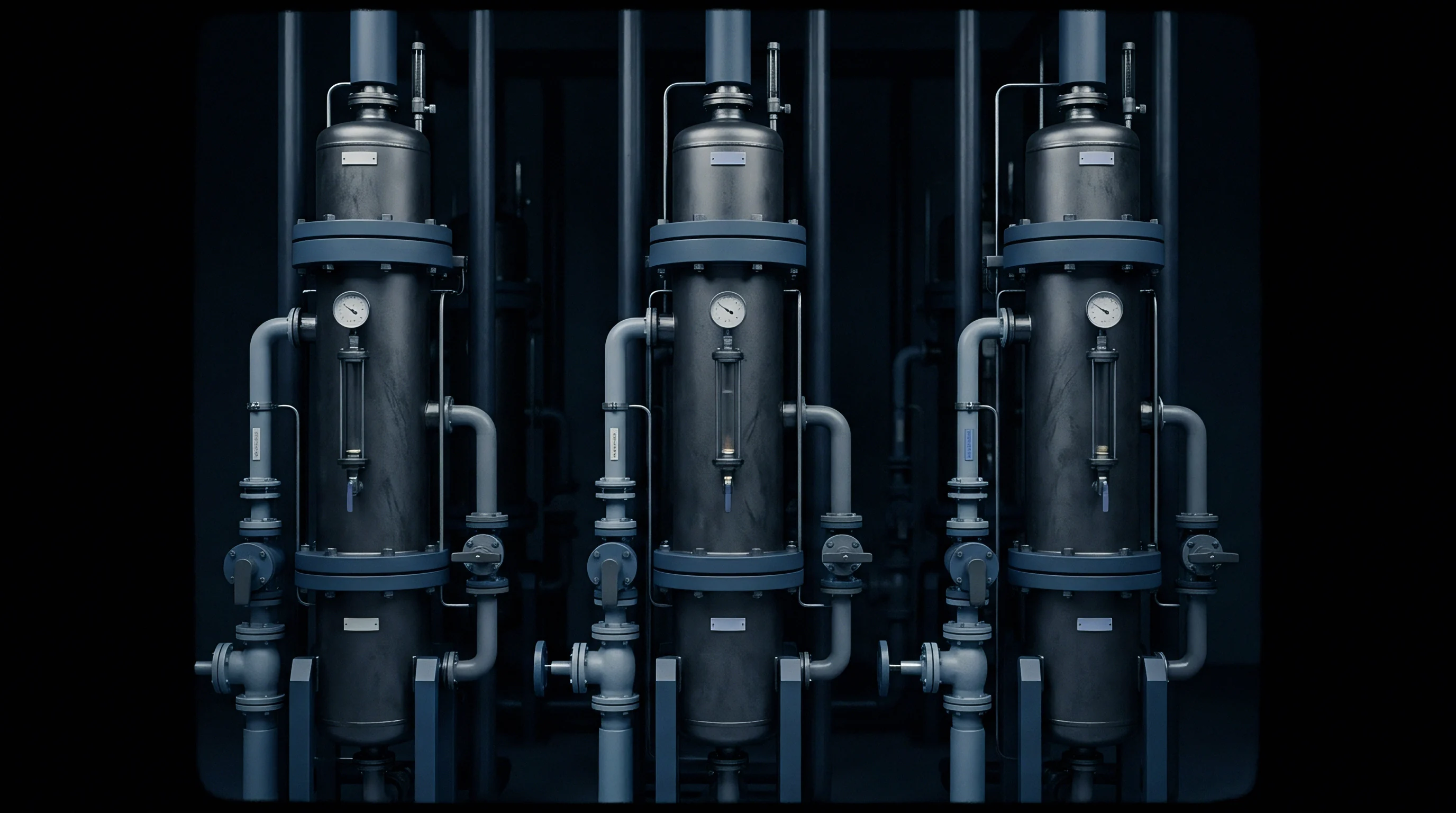
Analytical verification of bio-based co-processing claims relies on measuring carbon isotope ratios within the finished polymer matrix. Radiocarbon dating measures the abundance of carbon-14, an unstable isotope present in contemporary biological material but fully decayed in fossil feedstocks older than 50,000 years. Standard test methods ASTM D6866 and EN 16640 use accelerator mass spectrometry to determine the bio-based carbon fraction of polyolefins, expressed as a percentage of total organic carbon.
Chemical testing faces clear limits. Radiocarbon analysis measures biogenic content with exceptional sensitivity down to zero point one percent bio-carbon. The method fails entirely when applied to post-consumer plastic waste pyrolysis oil co-processing.
Because plastic packaging originates from synthetic fossil polymers, waste plastic pyrolysis oil contains no radiocarbon. An olefin stream produced from 100 percent recycled plastic pyrolysis oil yields a carbon-14 signal identical to virgin petroleum naphtha.

Does Radiocarbon Assay Validate Co-Processed Olefin Mass Balance?
Testing finished polyolefins for carbon-14 provides unambiguous physical verification for bio-naphtha or bio-LPG feedstocks derived from tall oil, used cooking oil, or animal fats. The analytical result validates whether biological carbon physically resides in the resin matrix. However, for post-consumer circular plastics, isotope ratio mass spectrometry cannot distinguish circular mass-balance resin from standard fossil resin because both materials share a zero carbon-14 signature.
| Analytical Method | Target Measured Property | Detection Limit | Applicability to Bio-Feedstock | Applicability to Recycled Plastic Pyoil |
|---|---|---|---|---|
| ASTM D6866 (AMS) | Carbon-14 / Carbon-12 Ratio | 0.1% Bio-Carbon | Direct Physical Verification | No Analytical Signal (Fossil Signature) |
| GCxGC-TOFMS | Trace Pyrolysis Marker Compounds | 1.0 mg/kg | Trace Impurity Profiling | Identifies Characteristic Contaminants |
| Isotope Ratio MS (d13C) | Carbon-13 / Carbon-12 Ratio | 0.05 per mil | Distinguishes C3 vs C4 Plant Sources | Indicates Feedstock Origin Shifts |
Comprehensive two-dimensional gas chromatography coupled with time-of-flight mass spectrometry detects trace chemical markers inherent to pyrolysis oils, such as chlorinated hydrocarbons, silicon-containing siloxanes, plasticizer degradation products, and specific nitrogenous compounds. These chemical markers indicate that a cracker feed contained pyrolysis oil, but they cannot quantify the exact mass balance credit allocation assigned to a specific production lot. Physical analytical measurement verifies process chemistry while documentary auditing verifies legal credit allocation.
Synthetic polymer waste and fossil petroleum share identical radiocarbon decay profiles, making mass balance paperwork the sole mechanism for tracking post-consumer recycled olefins through chemical crackers.
Uncertainty surrounding physical analytical verification forces regulators to choose between strict physical tracer requirements and purely documentary mass balance administration. If regulatory bodies mandate physical tracer molecules inside recycled feedstocks to enable analytical verification at customs ports, the added chemical tracer could poison sensitive noble-metal hydrotreating catalysts upstream of the steam cracker furnace, leaving the industry divided over physical tracing feasibility versus administrative compliance cost.

Transfer
Supply chain traceability requires continuous paper and digital accounting as mass balance credits move from olefin production plants to resin compounders, converters, and brand owners. Credit transfer mechanisms rely on standardized Sustainability Declarations that accompany commercial shipping documentation, detailing the exact mass of certified circular resin, the certification scheme number, and the chain of custody model applied.
Certificates expire after twelve months. The administrative integrity of mass balance credits depends on site-level balancing rules. Under certified chain of custody schemes, a manufacturing site maintains a centralized credit account.
Input credits enter the account upon physical receipt and verification of certified feedstock, and output credits exit the account when finished resin leaves the factory gate. Sites may carry forward unused credits into subsequent accounting periods, provided the credits stay within the maximum rollover window defined by the governing standard.
Paper accounting covers physical reality. Corporate credit pooling across multiple physical sites presents severe verification challenges. Some certification schemes permit multi-site balance pooling, allowing a chemical company operating three steam crackers in different locations to aggregate circular feedstock inputs at Site A while issuing circular resin credits from Site B. Multi-site credit transfers require continuous balance reconciliation to ensure that total circular credits sold across the corporate network never exceed total certified feedstock mass received across all participating sites.
- The auditor reviews certified feedstock delivery invoices, bills of lading, and third-party laboratory quality certificates to verify physical raw material intake at the cracker boundary.
- Site ledger entries are cross-checked against production yields, verifying that applied allocation conversion factors match actual cracker operating data over the balancing window.
- The reviewer checks output Sustainability Declarations issued to customers, verifying that issued credit quantities match ledger deductions in the site account.
- Corporate multi-site transfer records are audited to confirm that credits were not double-counted or transferred between non-eligible geographical balancing zones.
- Credit validity dates are inspected to confirm that resin shipments were backed by active, unexpired allocation credits at the time of dispatch.
Audits demand strict batch linking. When an auditor discovers an over-allocation of credits, the certified site must issue corrected Sustainability Declarations to affected buyers, reducing the circular credit percentage on previous shipments. If the site fails to maintain account balance neutrality within thirty days of audit notification, the certification body revokes the site certificate, invalidating all outstanding environmental claims across the downstream supply chain.
Mass balance credits follow the invoice rather than the physical molecule across industrial supply chains.
Purity
Placing mass-balanced circular polyolefins into food contact applications requires rigorous compliance verification under packaging regulations such as Regulation (EU) 10/2011 and US FDA food contact notifications. While mass balance accounting treats circular resin as functionally identical to virgin resin on paper, the physical resin molecules delivered to the converting plant stem from the physical cracker feed mixture. Impurities present in plastic pyrolysis oils can pass through cracking furnaces and gas purification trains into final polymer resins, creating potential food safety risks.
Pyrolysis oils contain silicon species. Post-consumer packaging waste contains silicone adhesives, polydimethylsiloxane defoamers, and sealants. During thermal pyrolysis, these materials break down into volatile organosilicon compounds such as hexamethyldisiloxane and cyclic siloxanes.
When fed into a steam cracker, organosilicon compounds decompose into fine silica particles that foul furnace tubes, or pass into lighter hydrocarbon fractions, poisoning downstream hydrogenation catalysts and contaminating pyrolysis gasoline and C5 streams.
Heavy metals, organic halides, phosphorus, and non-intentionally added substances (NIAS) represent additional compliance risks. Pyrolysis oil derived from mixed electronic waste or brominated flame-retardant plastics contains organic bromine and chlorine. These halogenated compounds form hydrogen halides inside the cracking furnace, causing severe stress corrosion cracking in stainless steel piping and transferring halogenated impurities into finished polyolefin resins.
Food contact compliance dossiers for mass-balanced resins must include screening data for non-intentionally added substances using broad-scope gas chromatography-mass spectrometry (GC-MS) to confirm that chemical migration limits remain below regulatory thresholds.
- Scope Mismatches in Declarations of Conformity Documents that certify mass balance allocation under ISCC PLUS without explicitly confirming compliance with Regulation (EU) 10/2011 food contact requirements for the physical batch.
- Unscreened Non-Intentionally Added Substances Failure to perform broad-spectrum GC-MS and LC-MS NIAS screening on polyolefin lots produced during co-processing campaigns with high-halogen pyrolysis feeds.
- Omission of Dual-Use Additive Disclosures Omitting full disclosure of dual-use food additives or volatile degradation products that migrate into food simulants during ten-day migration testing at 60 degrees Celsius under simulant D2 (vegetable oil) conditions.
- Invalid Batch Traceability Triggers Relying on annualized corporate sustainability certificates to defend lot-specific regulatory compliance when physical plant feed composition varied significantly during production runs.
Contaminants pass into pygas fractions. When evaluating Declarations of Conformity for mass-balanced packaging resins, regulatory auditors look beyond the sustainability certificate to review the primary food contact compliance file. The regulatory status of a food contact resin depends on physical chemical composition and migration limits, not on paper mass balance credits.
A supplier claim that mass balance resin is inherently pure because circular inputs represent only five percent of the cracker feed fails legal verification if toxic contaminants from that five percent fraction migrate into food above established specific migration limits.
Suppliers sometimes state that chemical co-processing fully restores waste plastics to virgin feedstock purity, eliminating the need for batch-specific chemical screening. That excuse collapses under regulatory audit when chemical analysis reveals trace halogenated compounds or organosilicon residues in finished food packaging resins.