Cross Border Mass Balance Credit Reconciliation under Differing European Union Member State Plastic Tax Directives
Cross-border mass balance plastic credit transfers require local physical resin matching to survive Member State plastic tax audits.
Cross-border mass balance plastic credit transfers require local physical resin matching to survive Member State plastic tax audits.

Double dipping prevention in cross border mass balance claims demands strict physical batch matching ISO 22095 registry retirements and verified mass yield audits.

Mass balance recycled declarations require isotopic and NIAS analytical screening to defend credit claims against border rejections and customs tax audits.

Physical testing identifies upstream pyrolysis markers, while finished mass balance resin claims depend on strict fuel-exempt bookkeeping audits.

Analytical traceability in co-processed olefins fails at low blend ratios, requiring administrative mass balance audit trails backed by rigorous NIAS screening.

Polyolefin tax exemption audits require strict stoichiometric loss deductions, site-boundary verification, and proof of physical hydrocarbon intake.

ISO 22095 mass balance compliance demands empirical stoichiometric yield factors, strict physical transport boundaries, and zero unbacked multi-site credit transfers.

End of waste validation for secondary polyolefin compounding requires batch migration testing and accredited technical dossiers to convert scrap into compliant resin.

Verify steam cracker mass balance credits by auditing feed meter calibrations, energy loss deductions, and proportional yield allocations against physical furnace output logs.

Evidencing post-consumer recyclate requires batch-level physical mass balance audit trails, independent radiocarbon or DSC testing, and rigorous dock-side sampling before silos accept delivery.
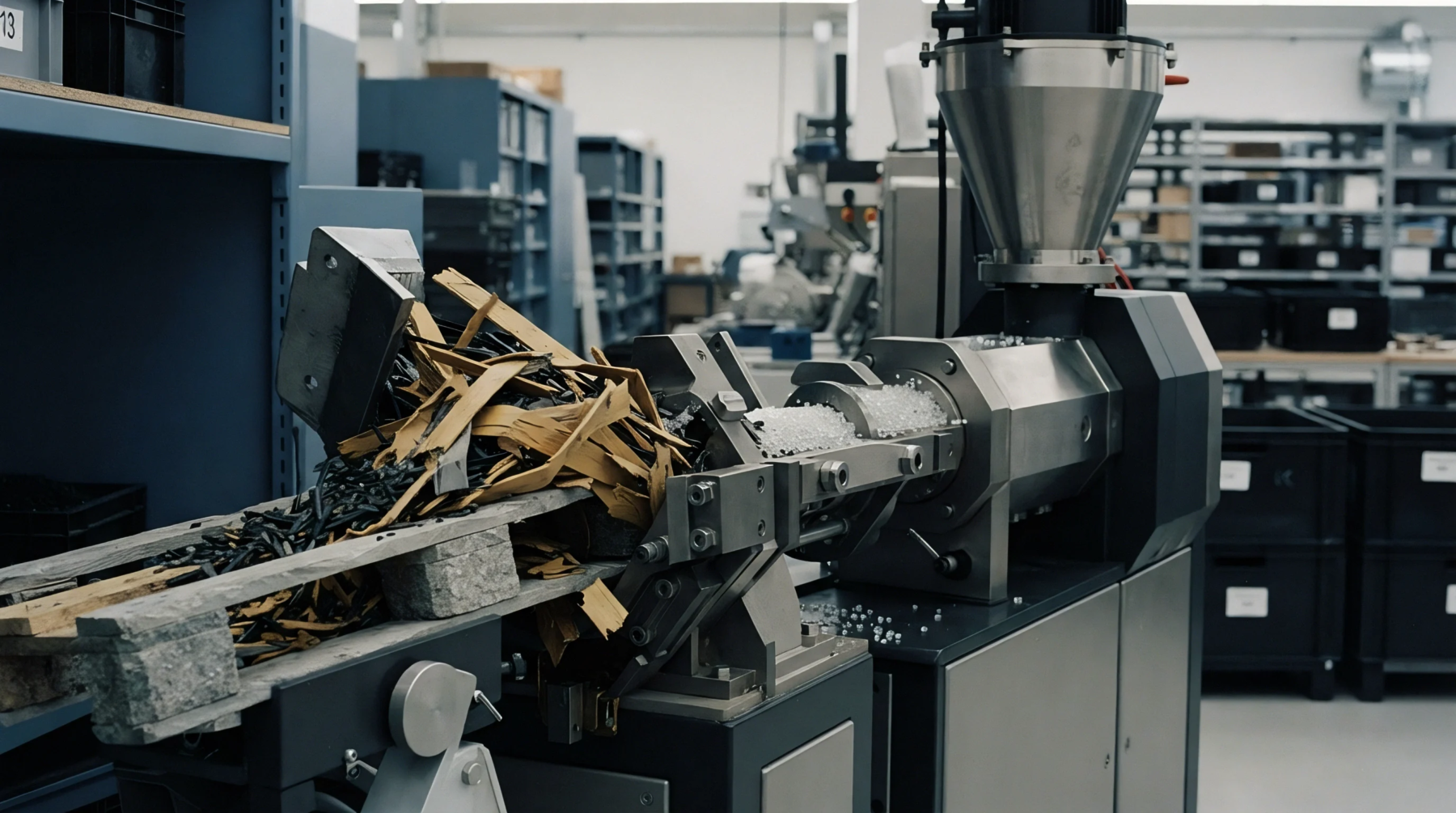
Recycled content tax claims require lot-specific EN 15343 audit trails and migration reports to withstand customs audits and avoid retroactive landed tax liabilities.
Expertise is a utility, not a secret. sentiention™ publishes its working knowledge as open reference: intelligence layer covering the materials it sources, the markets it enters, and the reference that serves both.