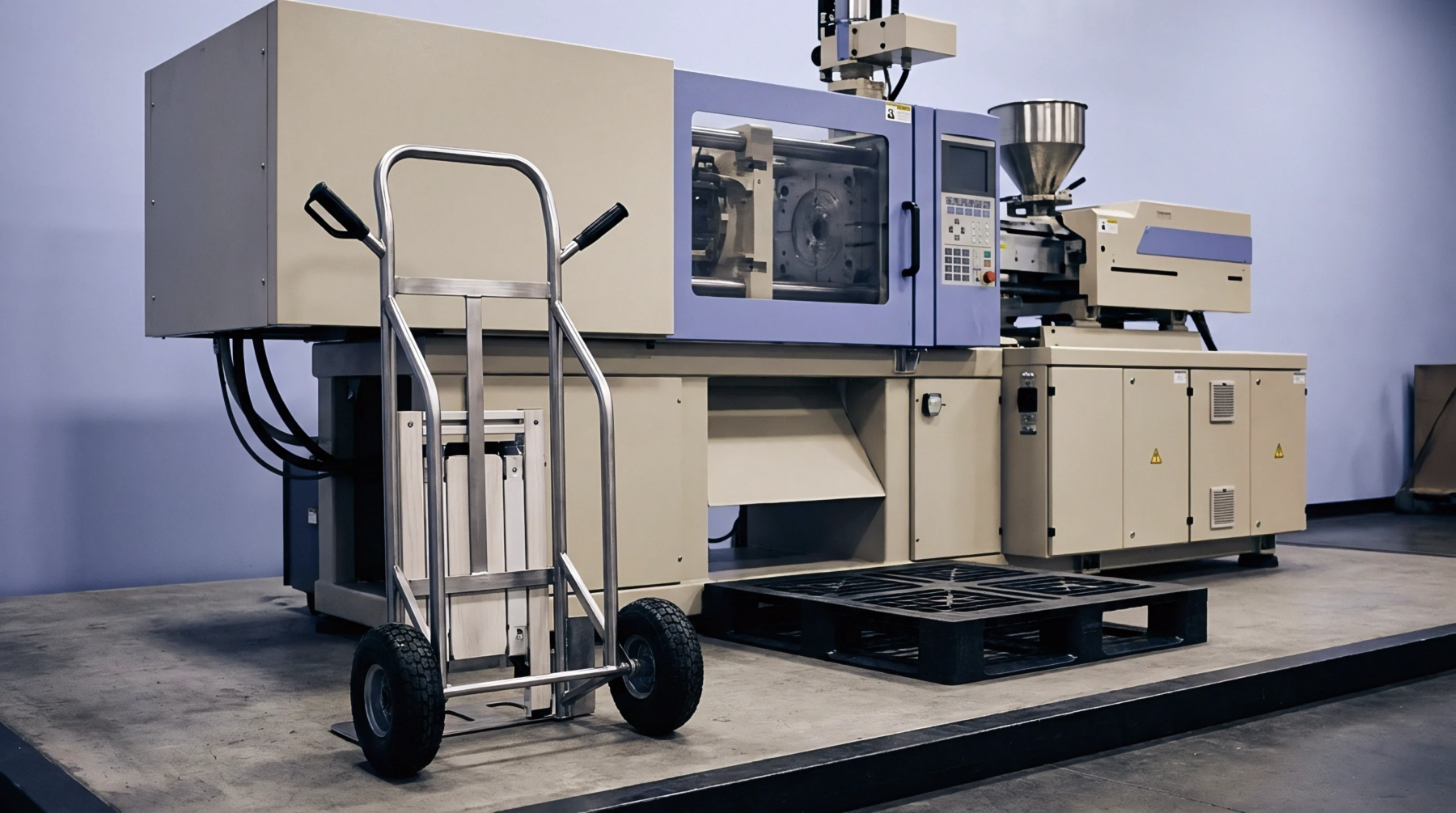
Cross Border Mass Balance Credit Reconciliation under Differing European Union Member State Plastic Tax Directives
Cross-border mass balance plastic credit transfers require local physical resin matching to survive Member State plastic tax audits.
Cross-border mass balance plastic credit transfers require local physical resin matching to survive Member State plastic tax audits.

Tax authorities enforce physical facility boundaries, rejecting remote chemical mass balance credits that lack direct feed pipe or site-level feedstock records.
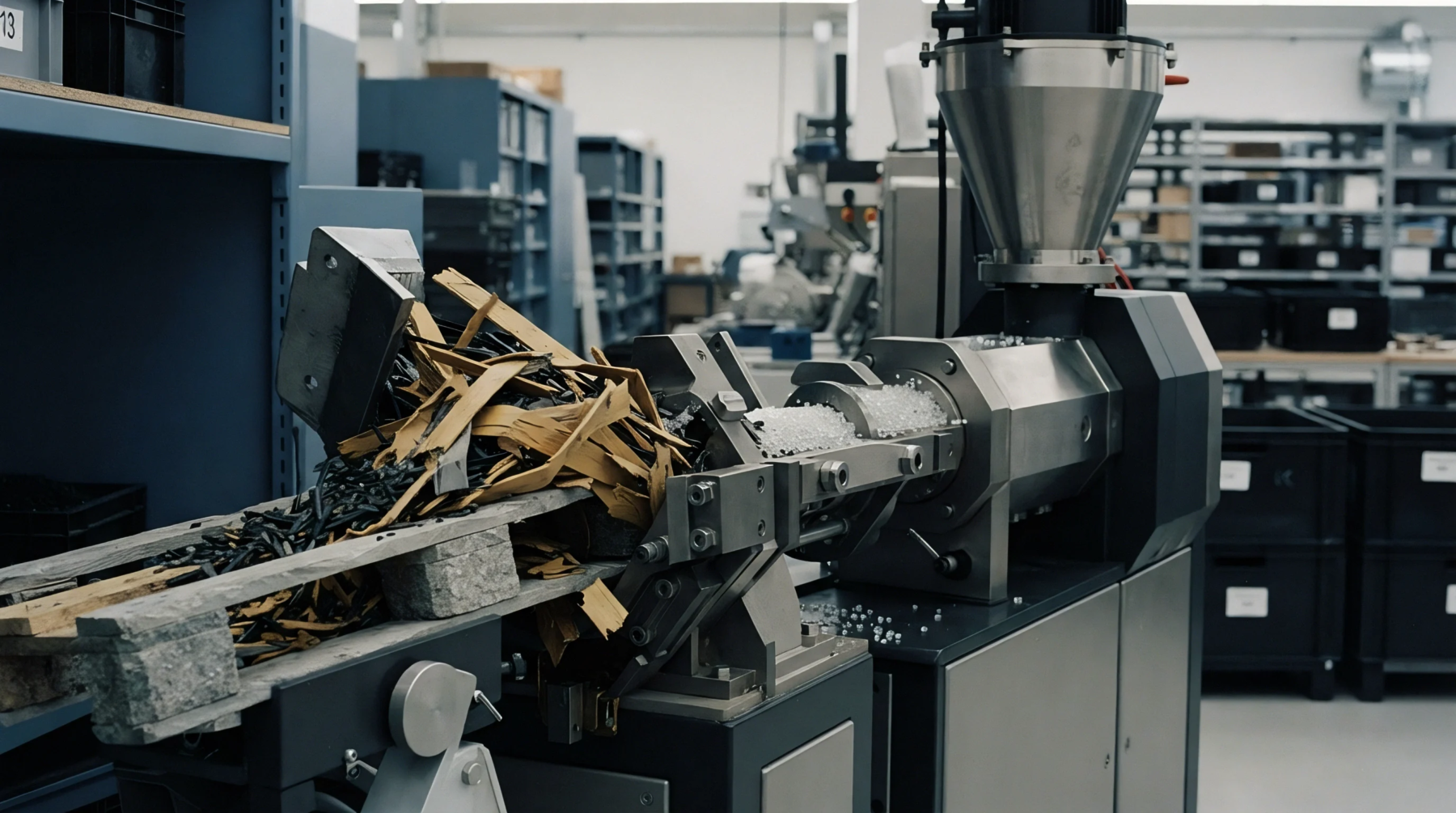
Ultra-trace isomeric mixtures in recycled pyrolysis oil require GC-MS resolution and Cramer Class toxicological screening to defend food-contact compliance.

Double dipping prevention in cross border mass balance claims demands strict physical batch matching ISO 22095 registry retirements and verified mass yield audits.

Physical testing identifies upstream pyrolysis markers, while finished mass balance resin claims depend on strict fuel-exempt bookkeeping audits.
Polyolefin tax exemption audits require strict stoichiometric loss deductions, site-boundary verification, and proof of physical hydrocarbon intake.

ISO 22095 mass balance compliance demands empirical stoichiometric yield factors, strict physical transport boundaries, and zero unbacked multi-site credit transfers.

Statutory plastic packaging tax directives require site-specific physical attribution of recycled resin mass, invalidating multi-site mass balance credit transfers.

Mass balance accounting requires rigorous yield loss deductions and fuel exclusion rules to legally defend circular resin claims during regulatory audits.

Customs physical isotopic testing measures physical molecules rather than mass balance credits, exposing importers to packaging tax reassessments and tariff duties.
Expertise is a utility, not a secret. sentiention™ publishes its working knowledge as open reference: intelligence layer covering the materials it sources, the markets it enters, and the reference that serves both.