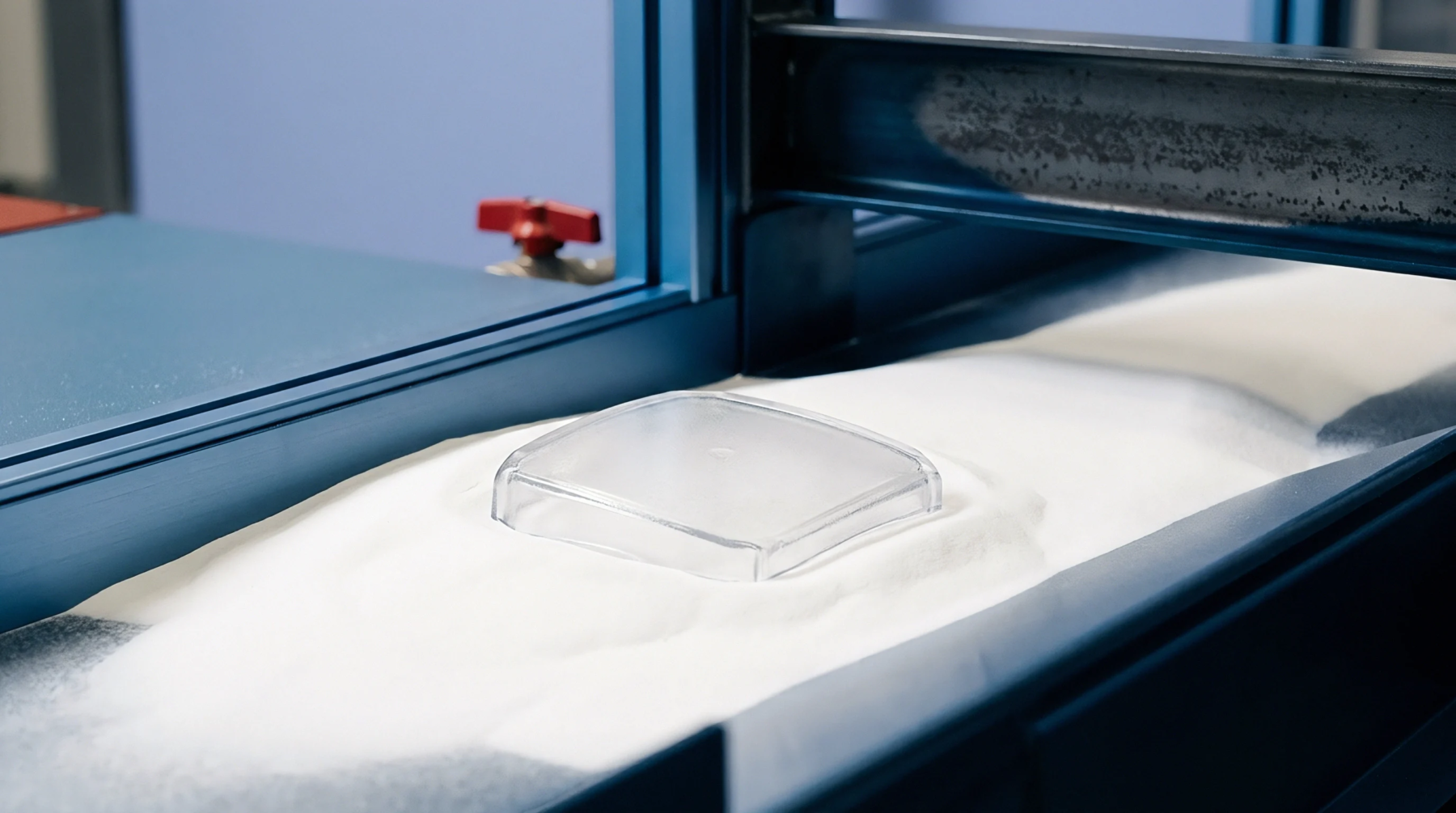
Quantifying Printing Ink Residues in Food Contact Decontaminated Polymers
Quantifying printing ink residues in post-consumer polymers demands gas chromatography mass spectrometry to verify specific migration limits below ten parts per billion.
Quantifying printing ink residues in post-consumer polymers demands gas chromatography mass spectrometry to verify specific migration limits below ten parts per billion.

Testing recycled polyolefins for photoinitiator migration requires solvent extraction screening and GC-MS/MS verification against target migration limits.

Differentiating photoinitiator isomers in recyclate requires high-resolution CID fragmentation thresholds and chromatography, preventing regulatory rejections.

Polyolefin melt stripping caps photoinitiator removal near 50%, leaving unlisted residues that routinely exceed the 10 ppb migration limit in fatty foods.
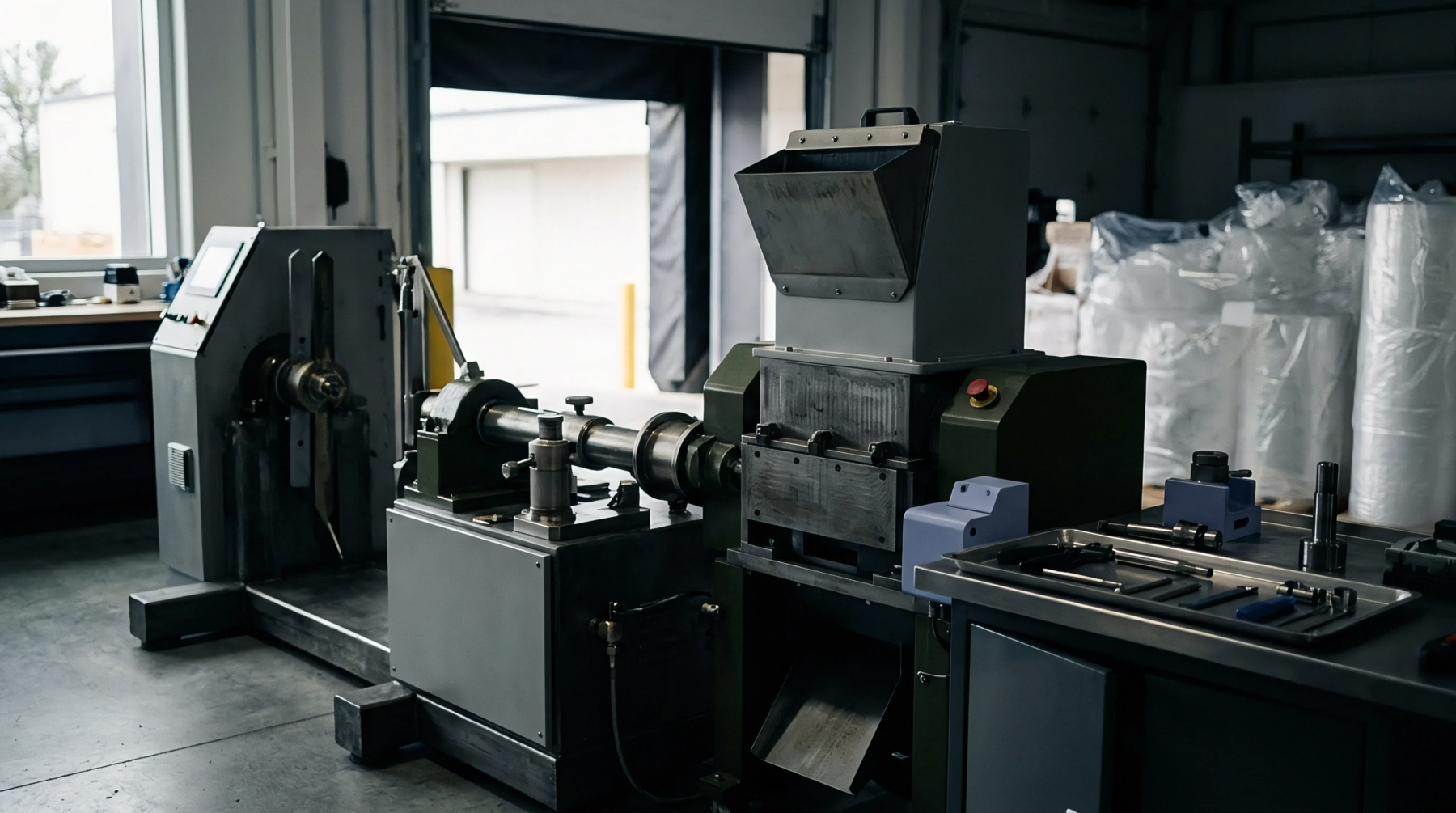
Tightly wound printed polymer rolls transfer photoinitiators through physical set-off, requiring pressure-aware diffusion modeling and batch-specific testing to verify compliance.
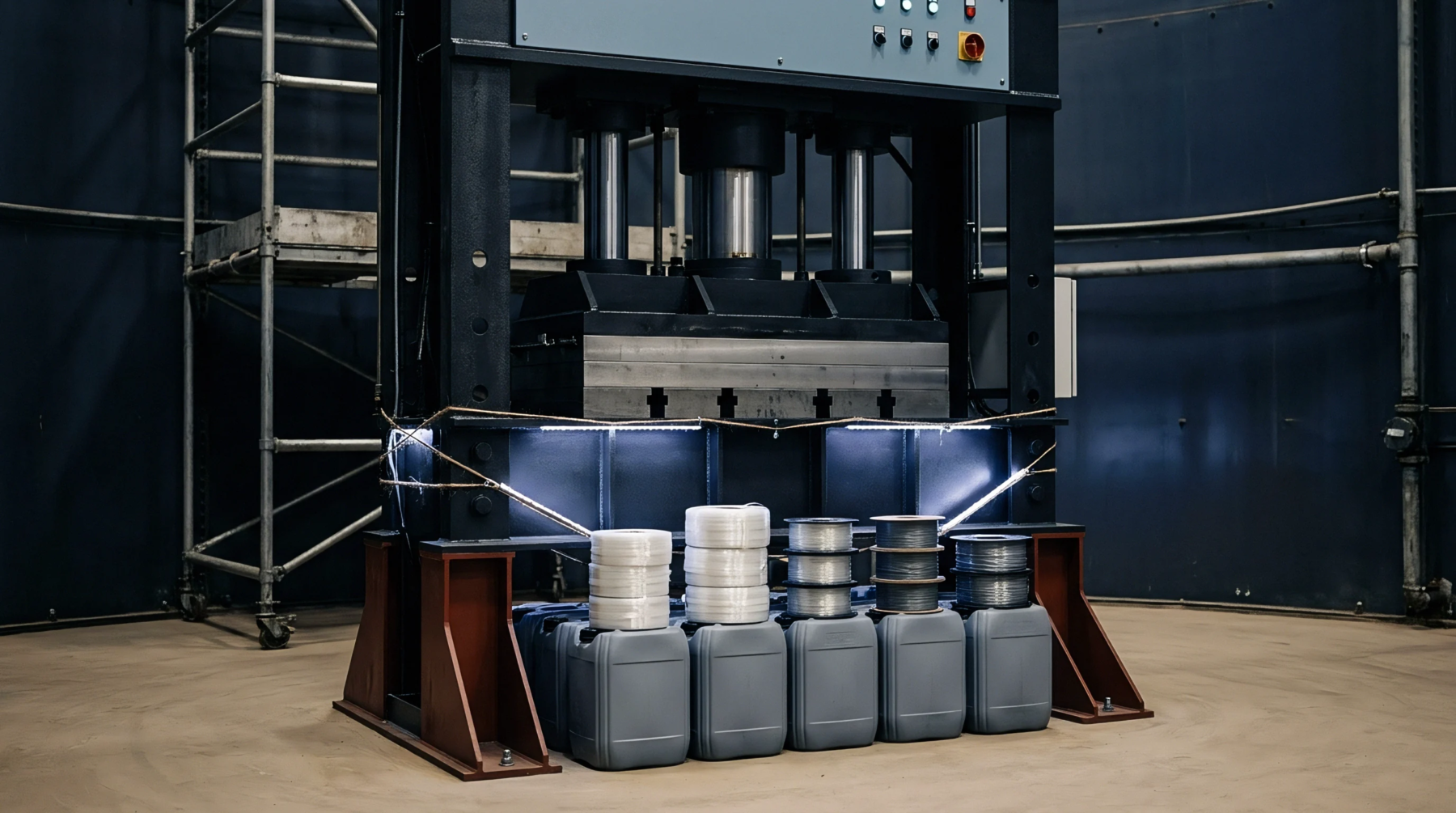
Verify photoinitiator compliance in recycled HDPE via GC-MS/MS extraction and ten-day migration testing under 10 ppb thresholds before signing declarations.
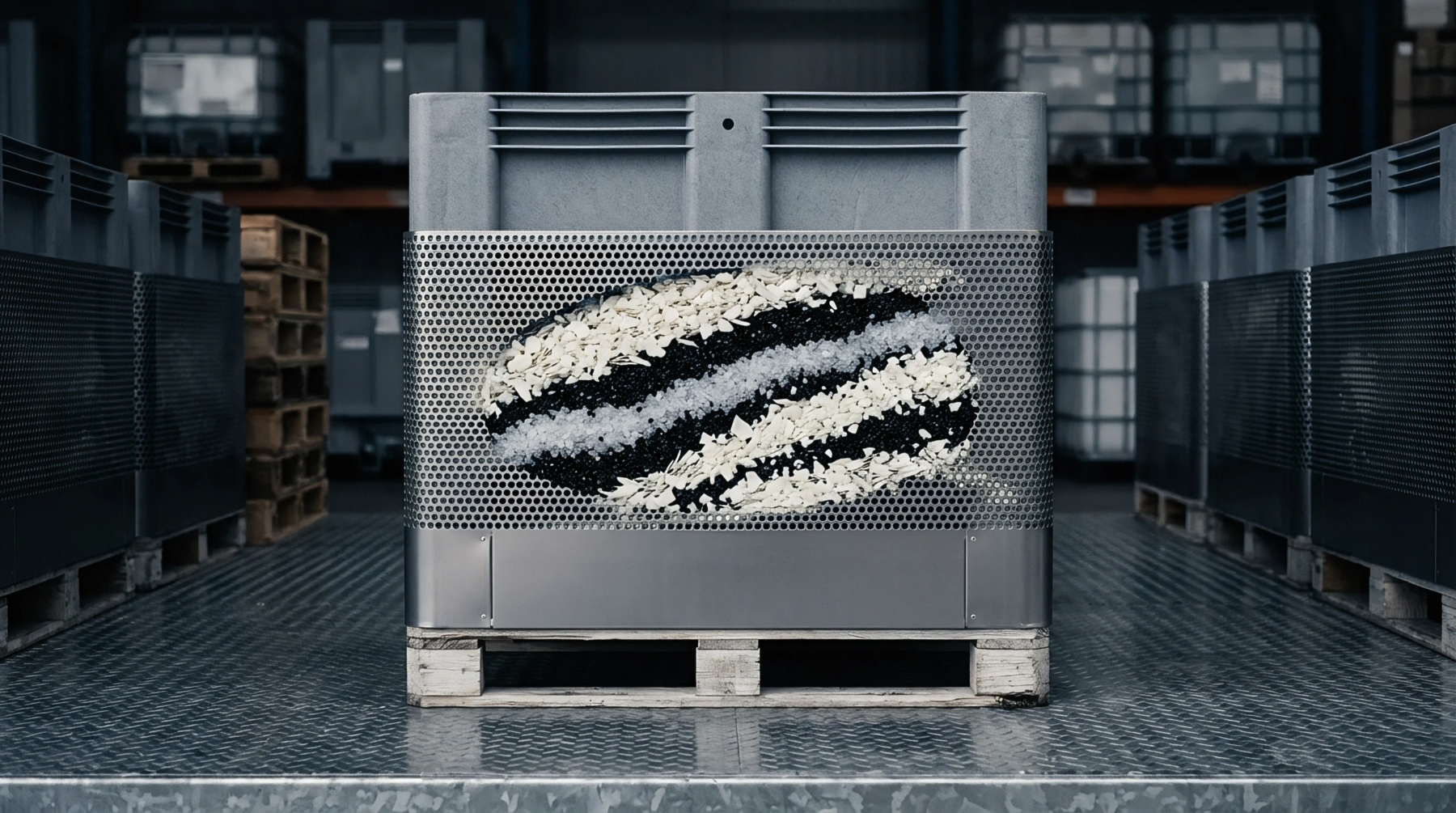
Recycled polyolefin food contact compliance demands targeted screening for photoinitiators to prevent set-off contaminants from exceeding specific migration limits.

Quantifying semi-volatile photoinitiators in recycled polyolefins requires matrix-matched standard addition to counter 40% measurement uncertainty.
Expertise is a utility, not a secret. sentiention™ publishes its working knowledge as open reference: intelligence layer covering the materials it sources, the markets it enters, and the reference that serves both.