Sampling High Density Polyethylene Granules for Import Screening
Representative core sampling and thermal screening prevent off-spec polyethylene import seizures before containers leave the border terminal.
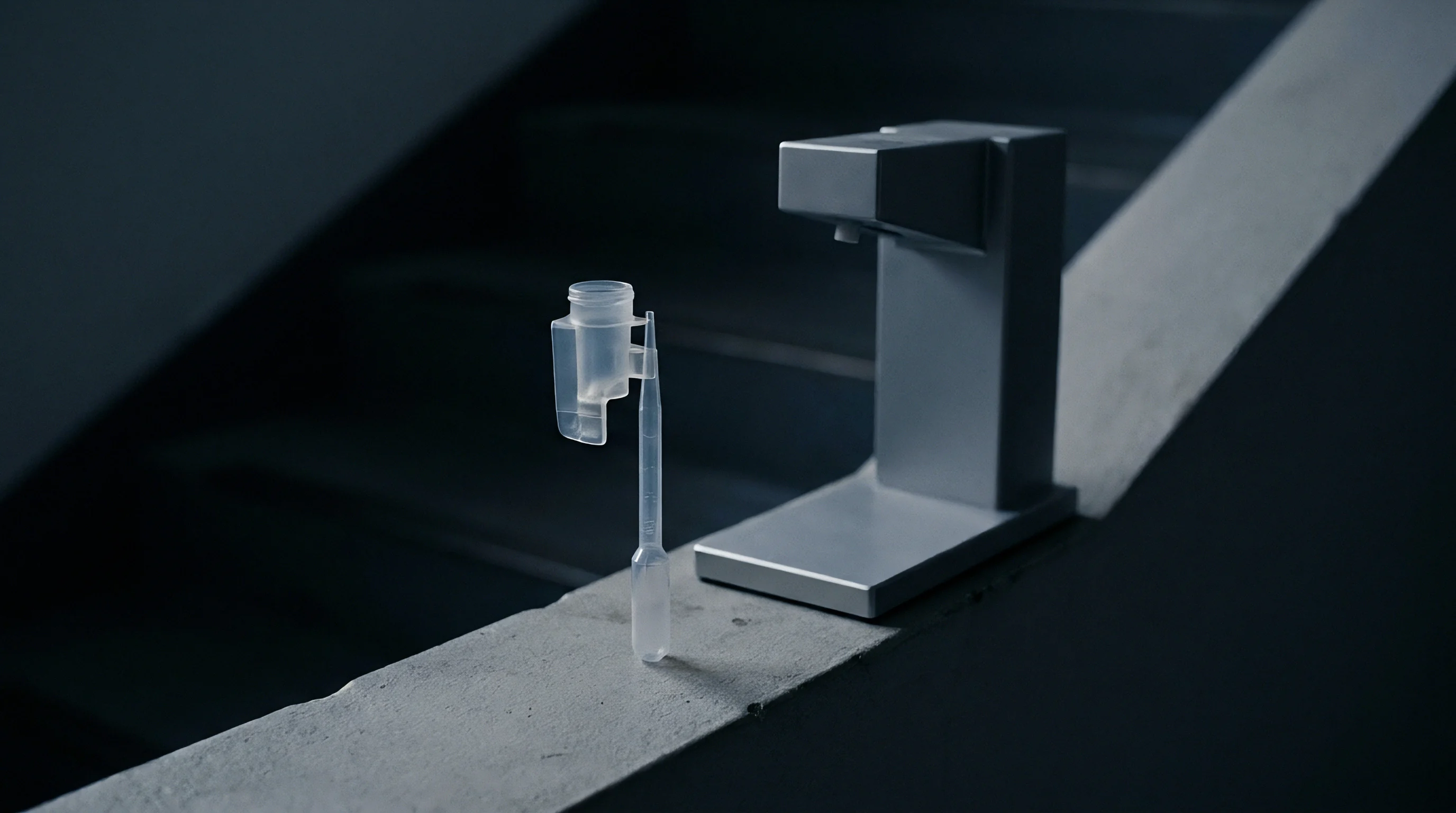
Thief
Bulk containers arriving at container freight stations hold up to twenty-six metric tonnes of high density polyethylene granules under sealed polyethylene liners. Shippers frequently present certificates of analysis generated from composite silos at the polymerization plant three weeks before vessel loading. Those factory documents describe a uniform batch.
Physical reality inside a sea container differs. Road transit vibrations induce granular segregation, vibrating smaller pellets, dust, and polymer fines toward the container floor while larger beads remain at the crown. Sampling through the rear inspection hatch with a handheld scoop yields material only from the top five centimeters, where resin properties rarely reflect the shipment mass.
Effective import screening requires mechanical extraction tools that span the full depth of the bulk package.
Section 4.2 of ASTM D1898 voids composite validity when sampling spears collect material from fewer than five discrete bin depths.

Container Penetration Points and Cross Contamination
A twenty-foot shipping box holding thirty ocean bulk liners presents severe physical gradients. Environmental moisture condensates against the cold steel corrugated walls during sea voyages, generating wet boundaries along the exterior bags or liner perimeter. The inspector drives a compartmental sampling lance through predefined grid coordinates across the cargo plane.
For palletized twenty-five kilogram bags, international sampling plans dictate selecting the square root of the total bag count plus one. A container bearing one thousand bags demands thirty-three discrete bag penetrations distributed across front, middle, and rear tiers. The inspector examines each extraction point for visual yellowing, burnt black specks, and particulate moisture.
The seal remains unbroken.

Concentric Tube Geometry and Pocket Volume
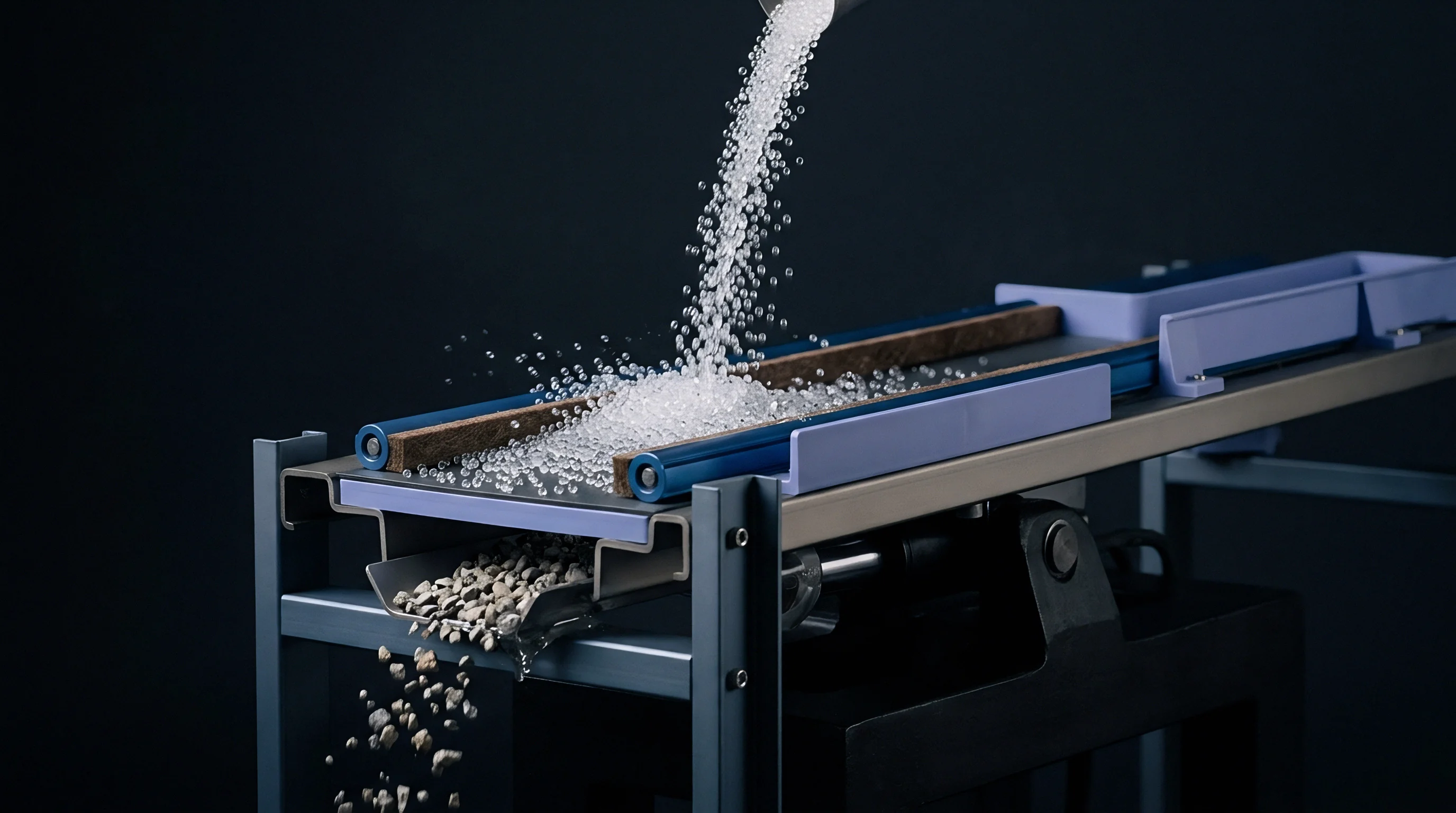
Double-sleeve instruments with slotted compartments allow material collection across discrete strata. The operator rotates the inner tube to seal twenty individual compartments, drives the stainless steel probe diagonally from upper corners to opposing bottom edges, and twists the handle to open the slots simultaneously. Polymer beads flow inward under hydrostatic granule head pressure.
Rotating the sheath back seals each chamber, preventing cross-level contamination during probe withdrawal. A single insertion recovers approximately five hundred grams across a two-meter trajectory. Moisture skews mass balance.
- Concentric grain probe captures stratified increments without jamming outer sleeves when granule diameters measure between two and four millimeters.
- Pneumatic vacuum sampler extracts continuous core samples from railcars rapidly, though high air velocities induce frictional melting on tube walls.
- Single chamber spear retrieves spot collections from suspected thermal damage pockets located near shipping container side walls.
- Tapered bag trier pierces multilayer paper and polyethylene sacks cleanly, leaving self-closing cuts when withdrawn along the sack grain.
Failing to clean the interior chamber between container entries invalidates the lot verification dossier. Granules from previous consignments lodge behind internal partition welds, discharging foreign masterbatch pellets into virgin polymer samples. The overseas trader argues that surface grab sampling represents the bulk because blending happens during pneumatic container discharge.


Division
Gross samples taken from thirty-three bags or multiple container probe points yield between fifteen and twenty-five kilograms of raw resin. Analytical instruments accept less than fifty grams for standard mechanical and thermal trials. Arbitrary reduction by kitchen-style quartering introduces user bias, as fines segregate along hand-swept boundaries.
Laboratorians employ calibrated mechanical riffle dividers complying with ISO 16012 to split bulk extractions into identical analytical subsamples without altering particle size distribution.
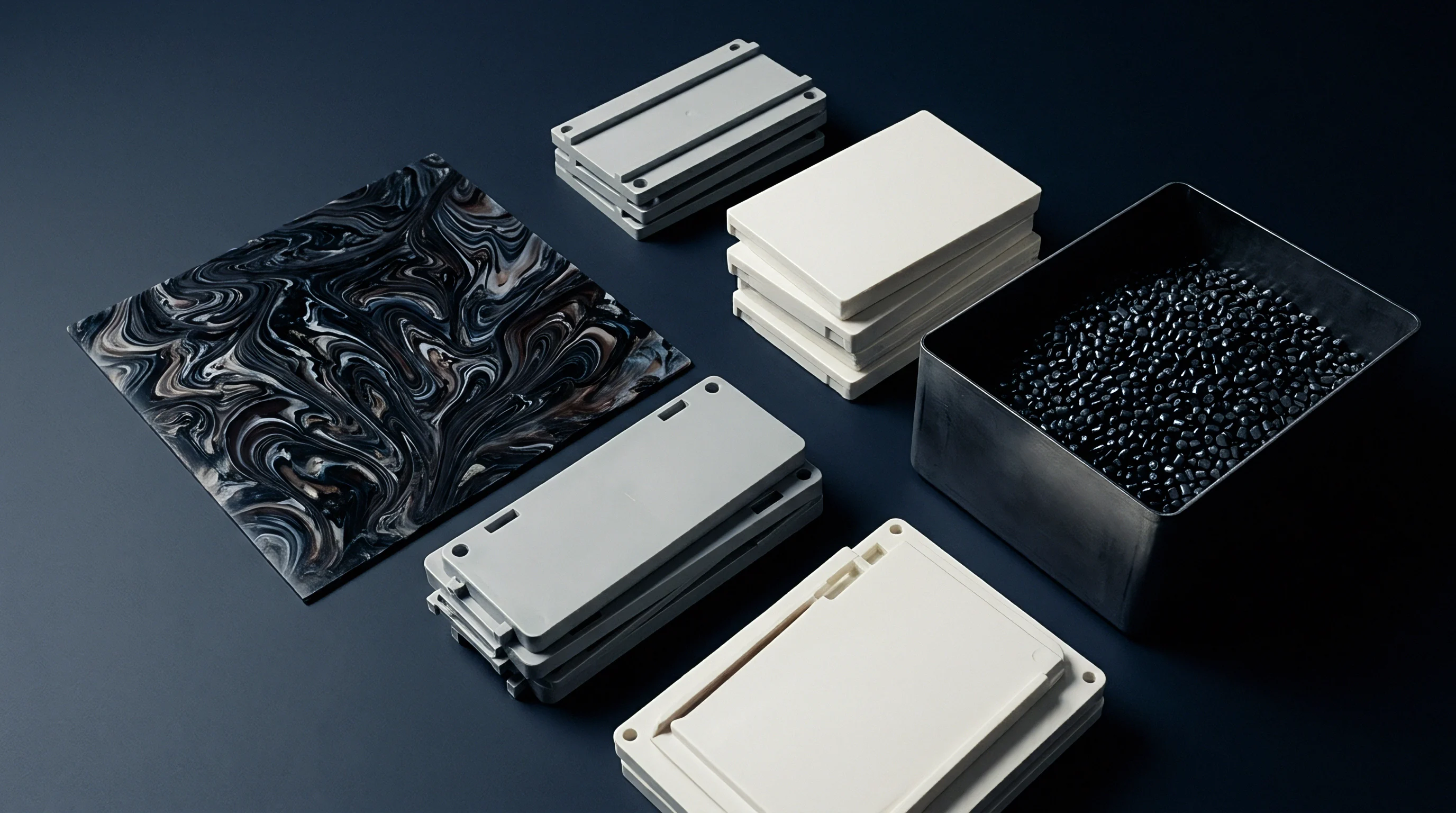
Mechanical splitters direct incoming pellets through alternating chutes into twin receiver pans. The operator pours the blended gross collection along the feed hopper centerline at a controlled flow rate. Half the volume diverts left; half diverts right.
Repeating this sequence through sixteen chute passages reduces a sixteen-kilogram gross lot to one kilogram across four passes while preserving the ratio of virgin pellets to off-spec particulates. The sample split reflects reality.
| Container Format | Consignment Mass Range | Primary Extraction Tool | Minimum Increment Count | Gross Sample Target |
|---|---|---|---|---|
| 25 kg Valve Bags | 10,000 to 25,000 kg | Slotted Bag Trier | 32 to 50 Bags | 8.0 to 12.5 kg |
| Octabin Gaylords | 15,000 to 22,000 kg | Compartmental Thief | 10 to 15 Bins | 10.0 to 15.0 kg |
| Bulk Sea Container | 20,000 to 26,000 kg | Extended Core Probe | 5 Penetration Lines | 15.0 to 20.0 kg |
| Bulk Rail Hopper | 60,000 to 90,000 kg | Pneumatic Tube Spear | 8 Top Hatches | 24.0 to 32.0 kg |
Riffling Mechanics for Bulk Reductions
Splitting devices must possess chute widths at least three times the maximum dimension of the largest polymer granule to prevent bridging. High density polyethylene pellets typically measure three millimeters in diameter with occasional tailing fragments reaching seven millimeters. A riffle divider equipped with twelve-millimeter slots accommodates these geometries freely.
Chute angles fixed at sixty degrees accelerate gravitational discharge, minimizing static adhesion between polymer surfaces and metal walls. Cross contamination destroys baseline data.
Handling plastic granules generates intense triboelectric surface charges, especially under relative humidity levels below forty percent. Electrostatically charged pellets cling to aluminum chute dividers, selectively capturing smaller polymer fragments and slip additive coatings. Technicians connect earthing straps to divider frames and store subsamples in anti-static conductive foil laminate pouches.
A sealed analytical portion travels to the physical testing station; an identical archive portion remains sealed under tamper-evident tape for dispute arbitration. Fines clinging to the splitter wall indicate static charging that will invalidate downstream particle size measurements.

Spectra
Verification of incoming resin relies on thermal transitions and rheological flow behavior. Importers face substantial commercial exposure when suppliers substitute cheaper recycled scrap or off-spec broad-distribution material for prime pipe-grade or blow-molding HDPE. Fourier transform infrared spectroscopy generates rapid confirmation of polymer identity within minutes of sample receipt.
Attenuated total reflectance spectra show characteristic methylene rocking doublets at 730 and 719 inverse centimeters, alongside carbon-hydrogen stretching bands between 2915 and 2848 inverse centimeters. Absence of carbonyl absorption at 1715 to 1740 inverse centimeters confirms negligible thermo-oxidative degradation during original pelletization.
Pellet discoloration near box seams signals moisture ingress before chemical testing begins.
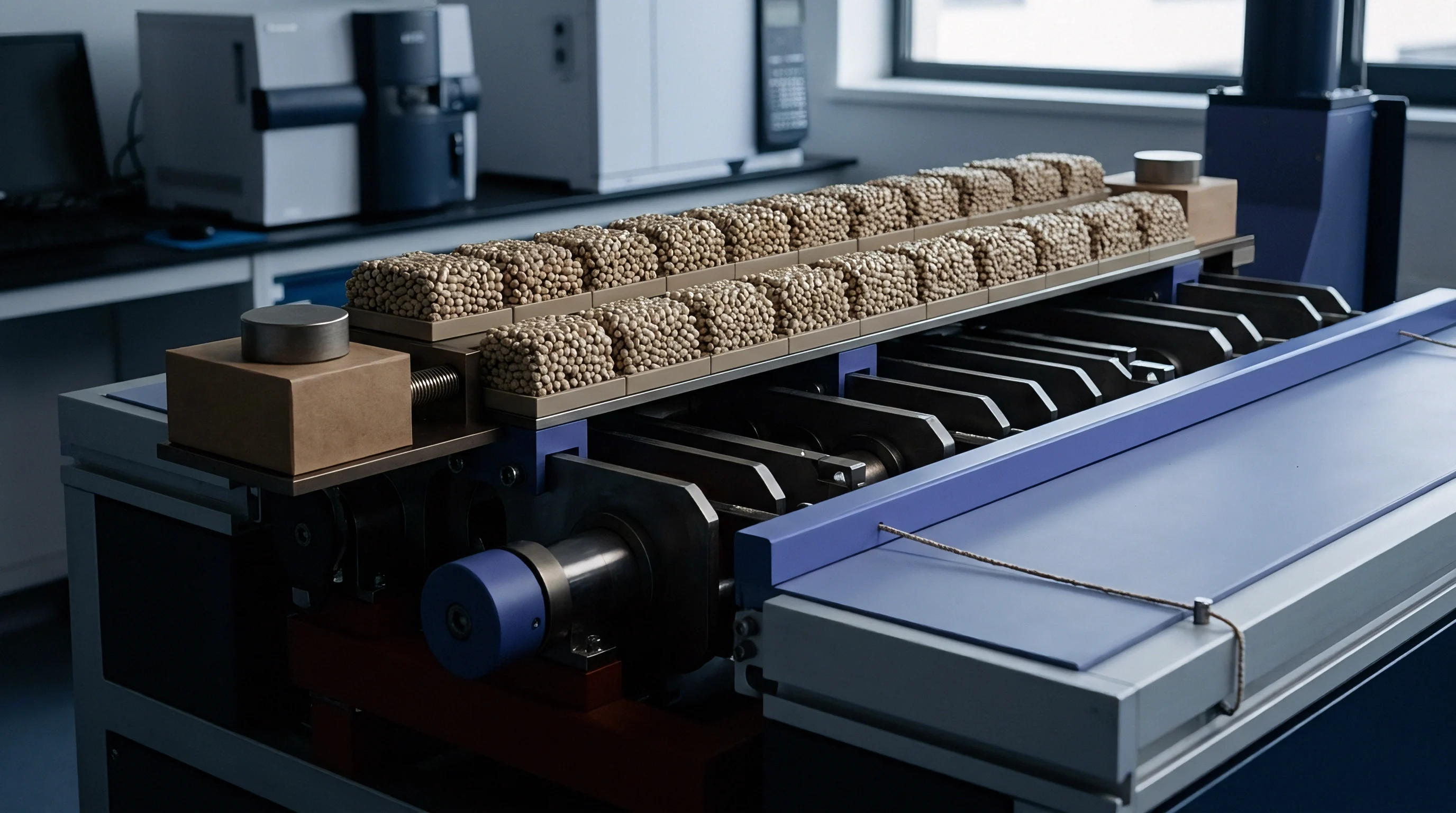
Differential Scanning Calorimetry Peak Profiles
Thermal transition records reveal secondary melting events when low density polymers contaminate an unformulated batch. Prime virgin HDPE demonstrates a sharp endothermic melting peak centered between 131 and 136 degrees Celsius under a ten degree per minute heating ramp according to ISO 11357-3. A secondary shoulder or distinct subsidiary peak appearing between 108 and 124 degrees Celsius exposes the presence of linear low density polyethylene or post-consumer reprocessed fractions.
Industrial deep-sea pipeline jacketing operations rely on exact crystallization kinetics to resist crushing hydrostatic floor pressures, drawing a direct link between crystalline lamellar thickness and macrostructural failure. Cooling thermograms establish crystallization temperature baselines, where pure homopolymer solidifies sharply near 118 degrees Celsius. Secondary additives shift these solidification envelopes.
Melt Flow Rate Tolerance Bands
Extrusion plastometers measure gram output over ten minutes under a two-kilogram load at standard temperature. Standard import screening measures flow under two load conditions: 2.16 kilograms and 21.6 kilograms at 190 degrees Celsius in accordance with ISO 1133 Procedure A. The ratio between high-load and nominal-load flow, termed the flow rate ratio, serves as an unyielding proxy for molecular weight distribution. Unimodal injection molding resins exhibit narrow ratios between twenty and thirty.
Bimodal blow-molding and pressure pipe grades demand broad ratios ranging from eighty to one hundred and twenty to combine environmental stress crack resistance with melt strength. The barrel temperature alters viscosity.
Oxidation induction time testing under ASTM D3895 provides clear insight into stabilization adequacy. The analyst heats twenty milligrams of polymer in an aluminum pan to 200 degrees Celsius under pure nitrogen, switching the purge gas to pure oxygen once thermal equilibrium establishes. The baseline oxidation induction time of 35 minutes at 200 degrees Celsius under oxygen flow rests on phenolic antioxidant packages formulated at 800 to 1200 parts per million in virgin resin.
Secondary heat cycles or regrind fractions drop this figure below 15 minutes. The measurement drops by five minutes if the purge gas contains ten parts per million oxygen contamination during the nitrogen phase. Density determines basic polymer stiffness.
| Analytical Parameter | Target Window | Test Method | Rejection Indicator |
|---|---|---|---|
| Density at 23°C | 0.942 to 0.965 g/cm³ | ISO 1183-1 Gradient | Deviation > 0.002 g/cm³ from DoC |
| Melt Mass-Flow (190°C/2.16kg) | Declared ± 15% | ISO 1133-1 Method A | Ratio drift exceeding declared grade |
| High Load MFR (190°C/21.6kg) | Grade Dependent | ISO 1133-1 Method A | Ratio shift > 20% indicates broad regrind |
| DSC Melting Point | 131.0 to 135.5°C | ISO 11357-3 (10°C/min) | Subsidiary peak at 122°C (LLDPE trace) |
| Oxidation Induction Time | > 30 minutes at 200°C | ASTM D3895 (Oxygen) | OIT < 15 min signals degraded stabilizer |
| Ash / Filler Content | < 0.05% mass fraction | ISO 3451-1 Method A | Ash > 0.10% indicates mineral contamination |
Does Core Extraction Detect Regrind Dilution?
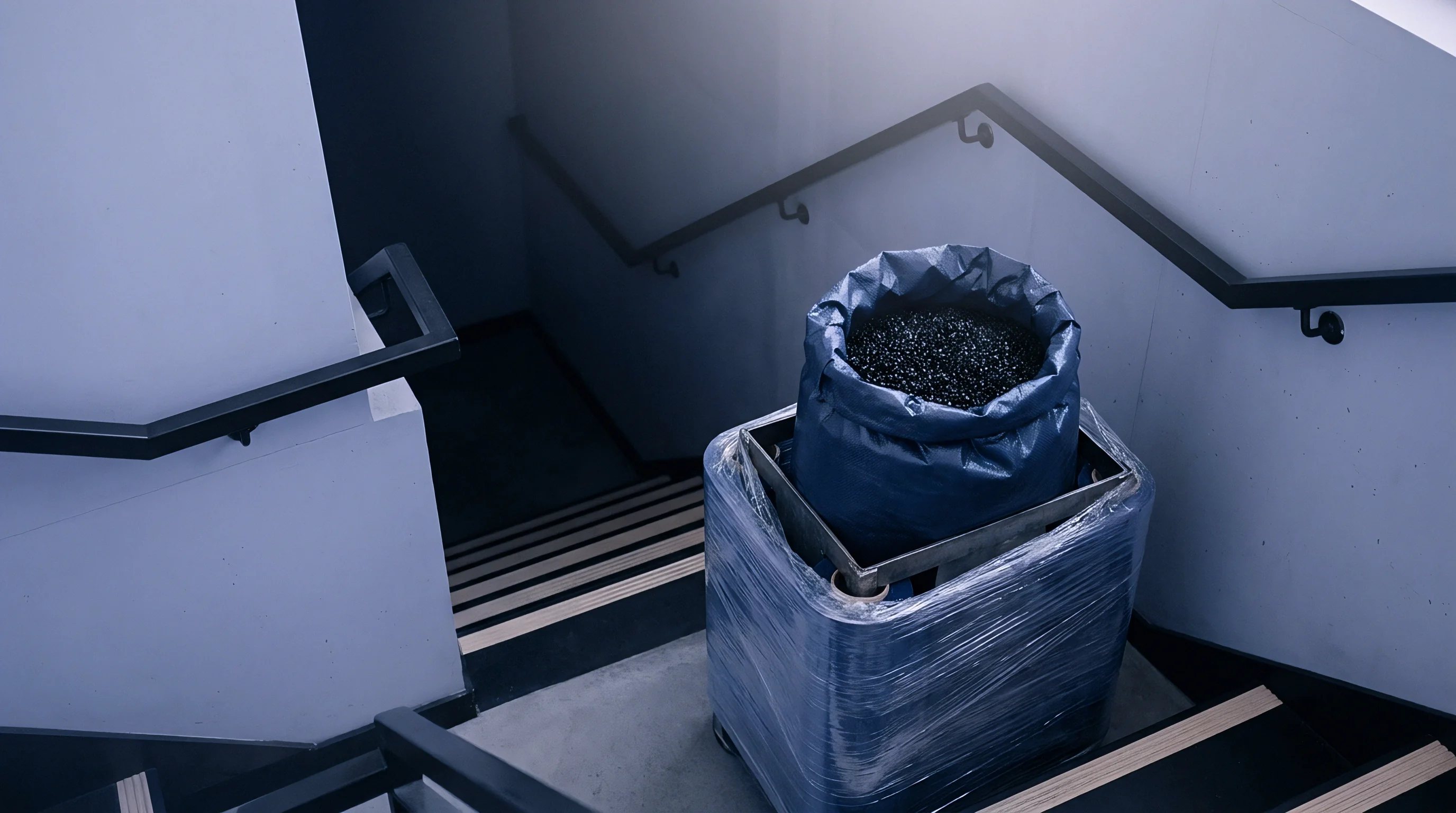
Composite blending masks recycled material pockets when operators collect material only from perimeter bags. Post-consumer polymer inclusions introduce variable melt viscosities that cause erratic parison sag during container extrusion. Evaluating individual core samples across the consignment identifies density fluctuations exceeding the narrow 0.002 grams per cubic centimeter window permitted for virgin homopolymers.
A density gradient column using isopropanol and water columns per ISO 1183-2 pinpoints sinking pellet anomalies immediately. Color sorting inspection tables expose darker grey or off-white pellets mixed into translucent virgin lots. Contamination triggers severe customs penalties.
- Density gradient verification detects microscopic voids, mineral fillers, and lighter polypropylene contaminants within calibrated columns.
- High load ratio calculation exposes unadvertised blending of broad molecular weight processing aids into narrow distribution lots.
- Thermogravimetric volatile analysis quantifies processing oil residues and atmospheric moisture driving bubbling defects inside molding cavities.
- Carbon black dispersion rating checks particle agglomeration in black masterbatch blends under transmission microscopy at one hundred magnifications.
Clause 8.3 of ISO 11357-3 permits shipment rejection when secondary endothermic peak areas exceed two percent of total melting enthalpy.
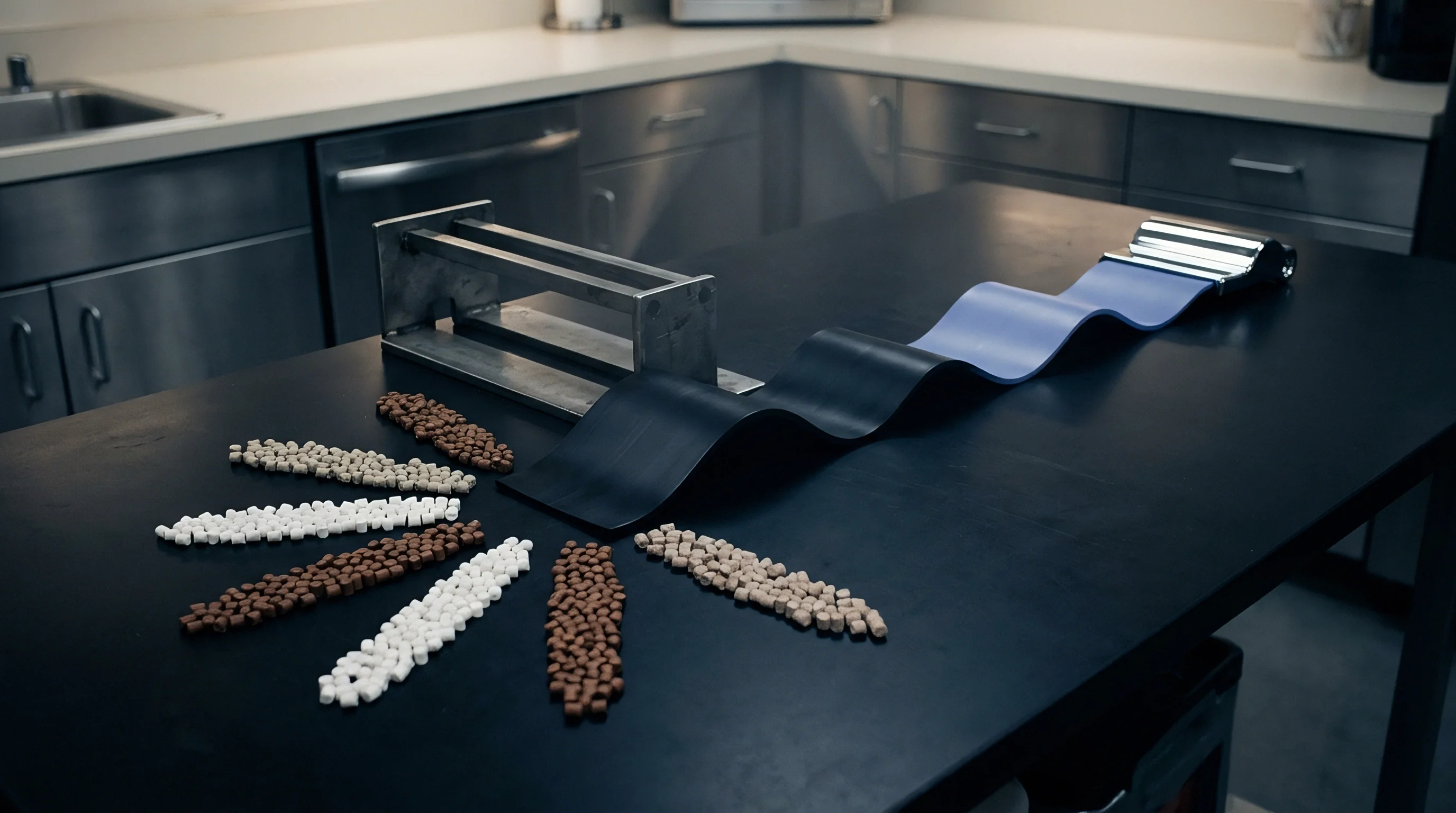
Extract
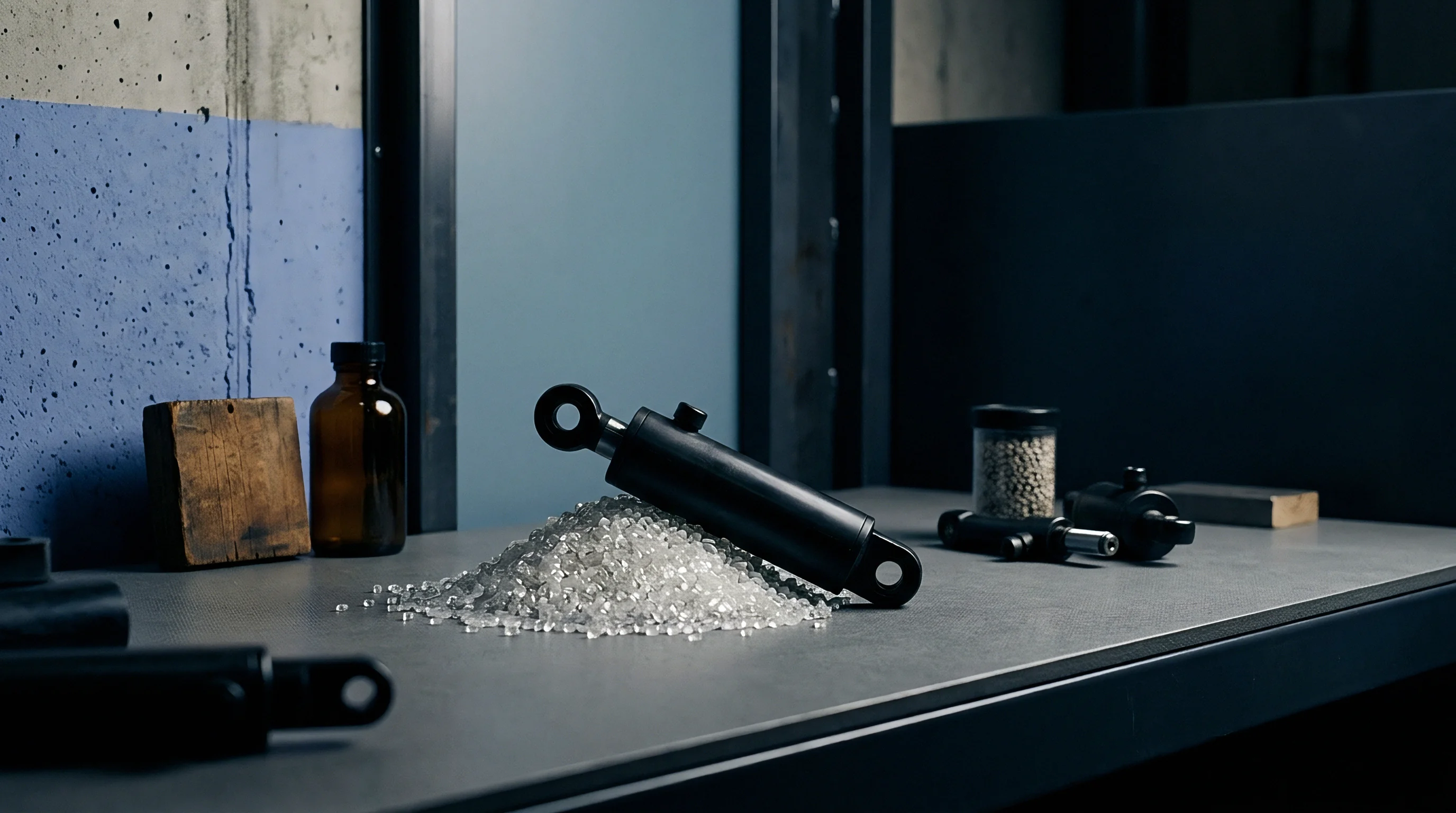
Regulatory compliance under food contact frameworks turns on chemical purity rather than mechanical strength. High density polyethylene granules destined for food packaging or drinking water conduit must satisfy overall migration limits and specific migration thresholds established in European Regulation (EU) 10/2011 or United States FDA 21 CFR 177.1520. Raw imported granules undergo solvent extraction to isolate mobile monomers, catalyst residues, synthetic antioxidants, and non-intentionally added substances.
Solvent extraction strips mobile fractions.
Granule testing requires immersion in chemical food simulants representing broad food matrices. Simulant A (ten percent ethanol), Simulant B (three percent acetic acid), and Simulant D2 (rectified olive oil or substitute ninety-five percent ethanol) extract mobile species over ten days at forty degrees Celsius to model prolonged room temperature storage. The overall migration limit of 10 mg/dm² (or 60 mg/kg food simulant) under Regulation (EU) 10/2011 rests on an assumed surface-to-volume ratio of 6 dm² per kilogram of food.
If an actual packaging geometry drops the volume to small single-serve pouches, the effective migration concentration increases three-fold. The chromatogram exposes unlisted plasticizers.
Tenax exposure for ten days at sixty degrees yields total migration below ten milligrams per square decimeter for compliant virgin polymer.
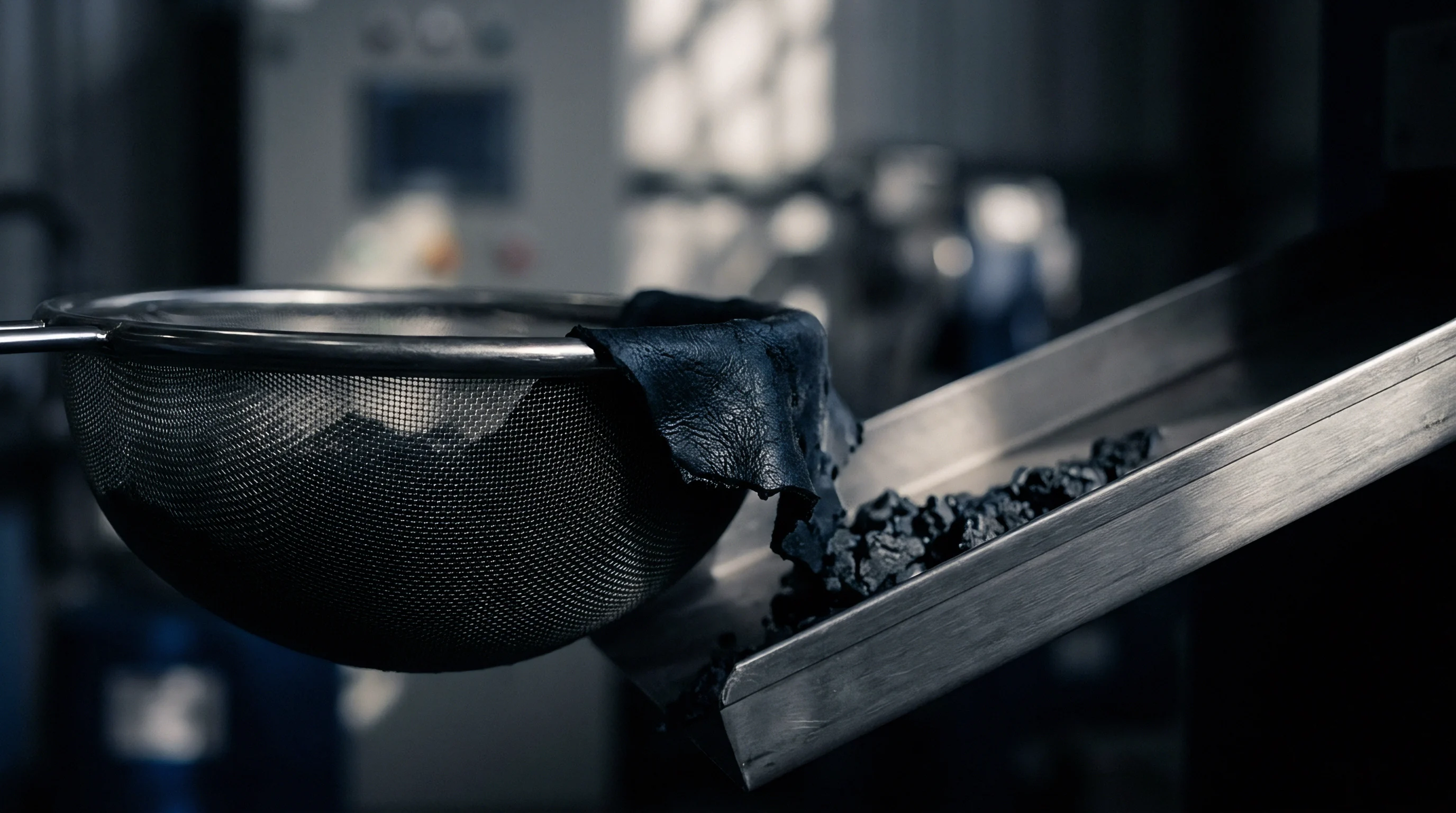
Headspace Gas Chromatography for Residual Monomers
Sealed thermal desorption vials release entrained light hydrocarbons directly into carrier gas lines. Ethylene monomer, 1-butene, 1-hexene, and 1-octene comonomers emerge cleanly across capillary columns linked to flame ionization detectors. Residual hexane or isobutane polymerization solvents should remain below established workplace and organoleptic limits.
For consumer water bottle applications, volatile aromatic hydrocarbons such as benzene or toluene must register non-detectable at parts per billion thresholds. Laboratory findings settle invoice disputes.
Liquid chromatography paired with tandem mass spectrometry screens for slip agents and thermal stabilizers. Importers frequently detect erucamide, oleamide, Irganox 1010, and Irgafos 168 alongside oxidized phosphite degradation byproducts. Specific migration limits restrict individual chemical species; Irganox 1010 carries a limit of thirty-two milligrams per kilogram of food simulant.
When testing reveals unauthorized primary aromatic amines or heavy metal catalyst residues like titanium, chromium, or zirconium above detection cutoffs, the conformity file collapses. X-ray fluorescence spectrometry verifies heavy metal thresholds under European packaging waste limits of one hundred parts per million cumulative lead, cadmium, mercury, and hexavalent chromium.
| Substance Category | Target Analytes | Extraction Simulant And Condition | Screening Threshold | Analytical Apparatus |
|---|---|---|---|---|
| Overall Migration | Non-volatile extractables | 3% Acetic Acid (10 days at 40°C) | 10 mg/dm² (60 mg/kg) | Gravimetric Evaporation |
| Fatty Simulant Migration | Lipophilic mobile species | 95% Ethanol (10 days at 40°C) | 10 mg/dm² (60 mg/kg) | Gravimetric / GC-FID |
| Volatile Residuals | Hexene, Hexane, Isobutane | Static Headspace (120°C for 60 min) | 1.0 mg/kg resin | HS-GC-MS |
| Antioxidant Additives | Irganox 1010, Irgafos 168 | Dichloromethane reflux (Soxhlet) | Declared ppm ± 10% | HPLC-DAD / LC-MS |
| Heavy Metal Catalysts | Cr, Ti, Zn, Al residues | Microwave Nitric Acid Digestion | Cr < 1 ppm; As/Cd < 0.1 ppm | ICP-OES / ICP-MS |
| NIAS Oligomers | Cyclic / branched oligomers | Isooctane (2 days at 20°C) | 0.05 mg/kg screening | GC-QTOF-MS |
| Methods note: Migration testing conditions mirror European Regulation (EU) 10/2011 testing table. Non-intentionally added substances (NIAS) screening utilizes semi-quantitative response against internal deuterated standards. | ||||
A non-intentionally added substances (NIAS) semi-quantitative screening limit of 0.05 mg/kg for unlisted oligomers via GC-MS screening remains difficult to substantiate definitively. The desk cannot fully defend this 0.05 mg/kg threshold because response factors vary across branched cyclic polyolefin oligomers without authentic standards. A buyer enforces a 10 parts per billion threshold for toxicological concern substances or demands toxicological migration clearance from the resin manufacturer.
Whether recycled polyethylene oligomers migrate into fatty simulants at rates equivalent to linear synthetic paraffin fractions remains an open debate among packaging toxicologists.
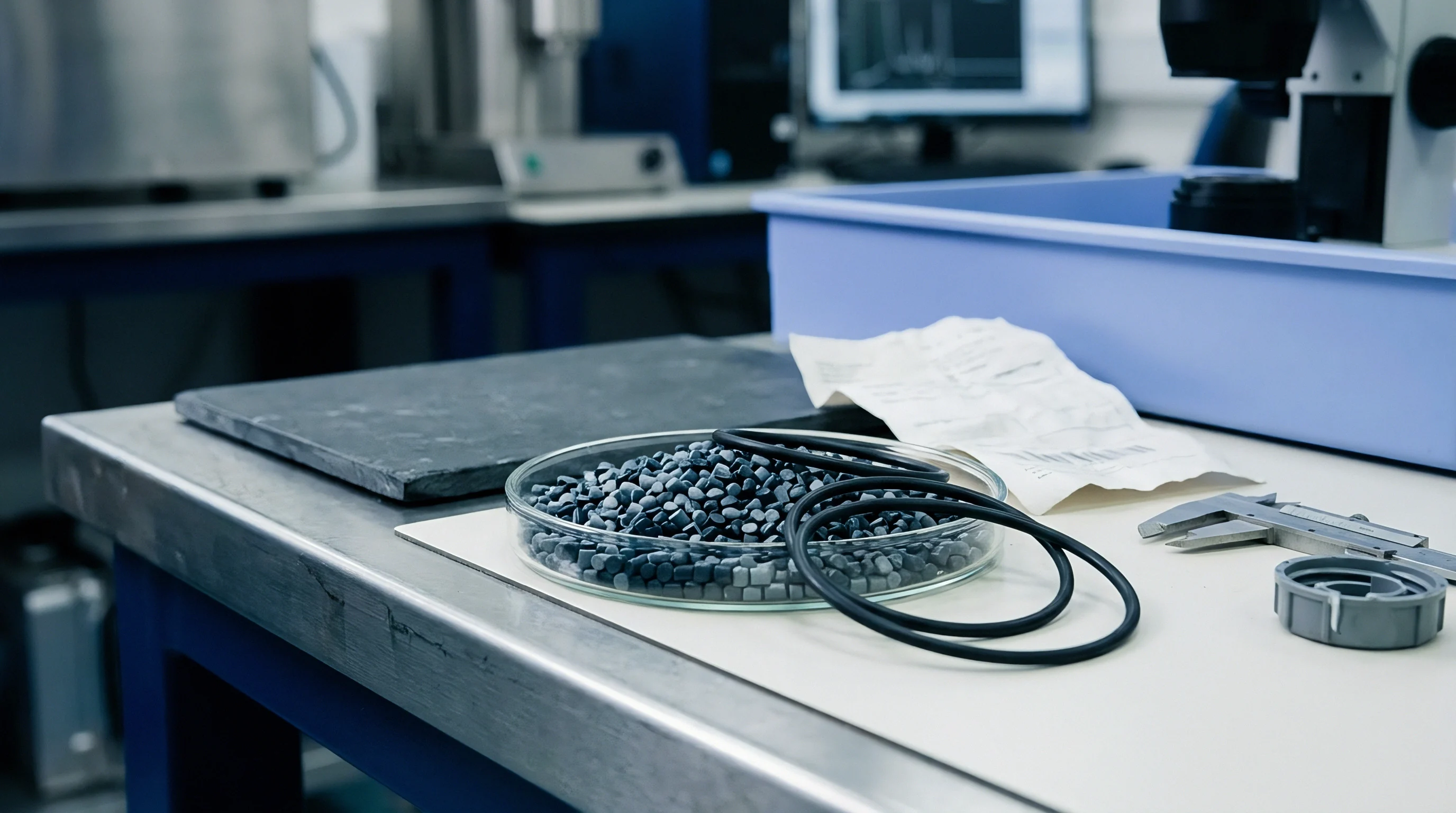

Tariff
Customs authorities classify uncompounded polyolefins strictly by specific gravity and comonomer chemistry. Harmonized System code 3901.20 designates polyethylene having a specific gravity of 0.940 or more in primary forms. Submitting an import declaration under code 3901.20 while the physical consignment tests at 0.935 grams per cubic centimeter reclassifies the cargo into 3901.10 as low density polyethylene, altering trade duty liabilities and anti-dumping tariff rates.
Customs brokers halt questionable entries.
Customs clearance laboratories reject manufacturer certificates whenever bulk lot numbers omit railcar vessel identifiers.

Is Cross Dock Composite Splitting Defensible?
Port clearance stations lack humidity controls and nitrogen blankets. Taking composite splits on open discharge quays introduces atmospheric particulates, engine exhaust soot, and rainfall moisture into sample jars. A customs agent observing unsealed composite preparation will challenge the integrity of third-party laboratory reports.
Importers protect declarations by writing sealed chain-of-custody requirements directly into purchase orders, specifying that independent inspectors draw samples inside bonded warehouse facilities using nitrogen-purged vessels.
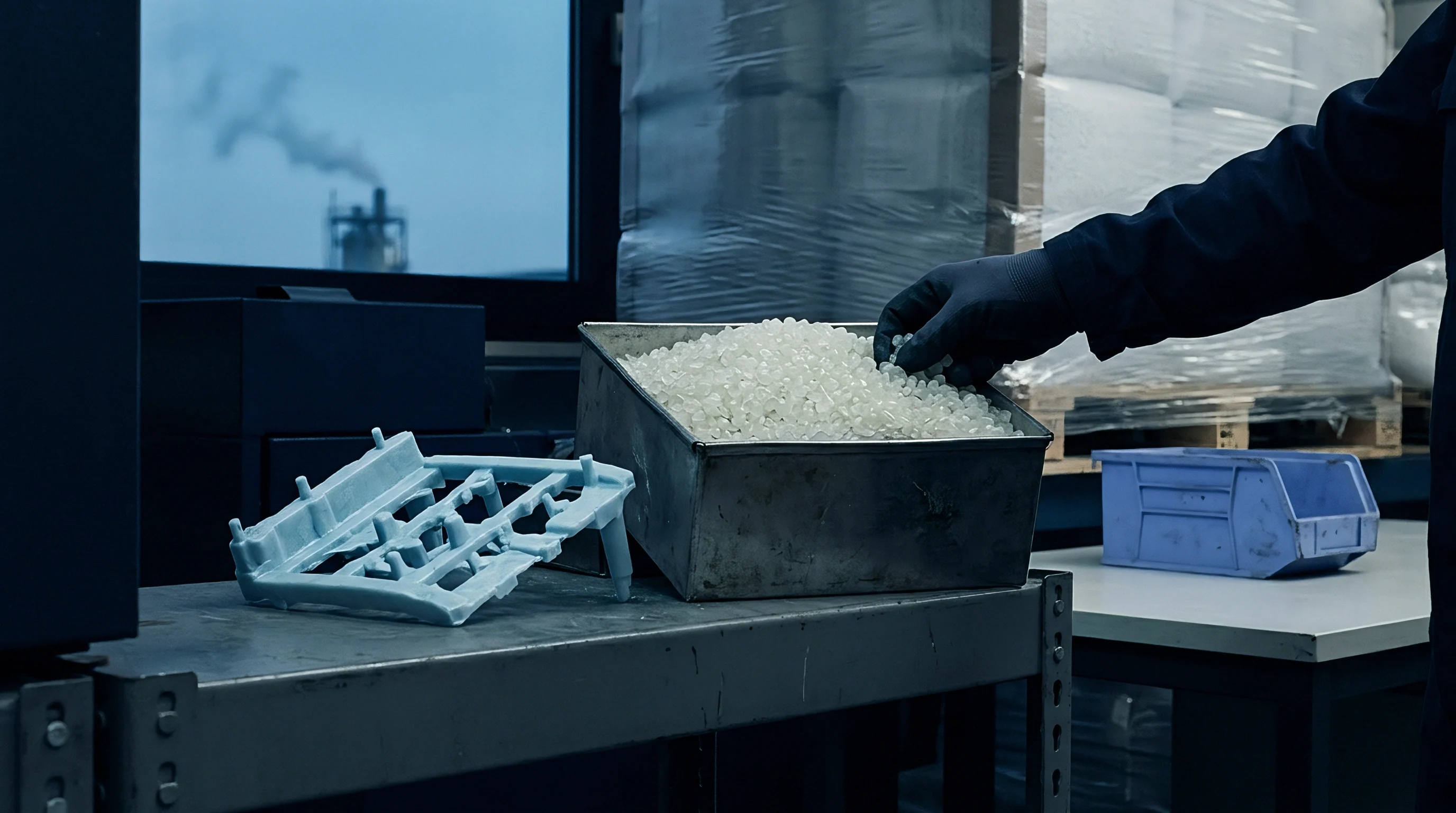
Landed Cost Exposure under Border Holds
Port demurrage fees compound daily while customs laboratories run confirmatory chromatography. Take a 25-tonne container of suspected blow-molding HDPE detained at the terminal on suspicions of carrying unlisted post-consumer recycled content. Assume terminal storage charges run two hundred dollars per day, chassis detention costs one hundred and fifty dollars per day, and a full regulatory screening suite costs three thousand two hundred dollars.
If testing drags across twenty-one business days, auxiliary logistics fees reach seven thousand three hundred and fifty dollars, representing nearly thirty percent of the resin shipment commercial value. Importers pay for unverified claims.
Misdeclaring contaminated reprocessed pellets as prime virgin polymer under tariff subheading 3901.20 triggers retroactive customs duties, container seizure, and mandatory disposal fees at the port of entry.