Meaning
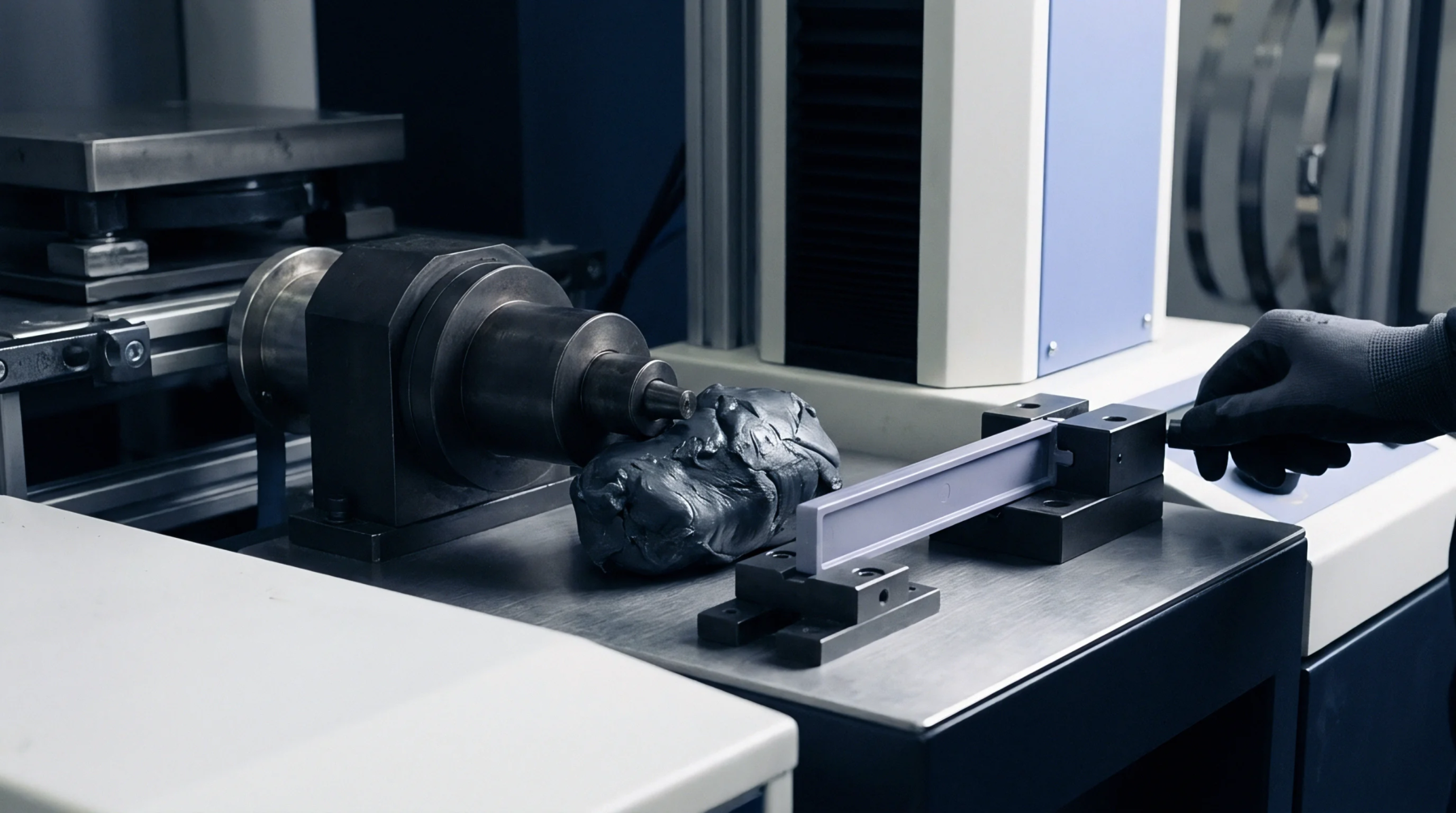
The quantitative measure of the energy absorbed by a material during fracture under high strain rates defines the toughness of a resin. This notched izod impact strength is determined by swinging a weighted pendulum into a clamped specimen that contains a milled V shaped groove. The notch creates a point of stress concentration that forces the polymer to fail in a brittle or ductile manner.
Results are typically expressed in energy per unit of thickness or area. The test identifies the resistance of a part to sudden loads or impacts in cold environments. It applies to rigid thermoplastics used in housings and structural components.
The value stops being representative if the specimen thickness differs from the standard.
Impact Resistance
A standard pendulum test evaluates the amount of energy lost as the striker breaks through the sample. The notched izod impact strength reveals how a specific geometry influences the failure mode of the moulded part. When the notch radius is inconsistent, the resulting data varies across a single batch of material.
Quality control labs use these values to verify that a resin meets the requirements for durable goods. Low impact values often indicate that the material is too brittle for the intended application. This information helps a moulder select the correct grade of plastic for parts that experience rough handling.
Maintaining a consistent temperature during the test ensures that the results are repeatable and defensible. The data recorded during these breaks allows for the comparison of different toughening agents added to the base resin.
Stress Concentration
The presence of sharp corners or transitions in a moulded part can lead to premature failure under load. The notched izod impact strength test simulates these conditions by using a standardized notch to initiate a crack. This allows engineers to understand how the material will behave in areas of high stress.
If a polymer has a high notch sensitivity, it will fail easily even if its unnotched strength is high. Designers use this information to decide where to place radii and fillets in the part geometry. By choosing a material with a high energy absorption value, the risk of catastrophic breakage is reduced.
This analysis is fundamental for parts used in the automotive and power tool industries. Accurate stress data supports the creation of safer and more durable products.
Material Toughness
Determining the balance between stiffness and ductility is a requirement for selecting the right resin for a project. The notched izod impact strength provides a clear numerical value that represents this balance. High values show that the material can deform plastically and absorb energy before breaking.
This property is often enhanced by adding rubber or other elastomers to the polymer matrix. Moulders must ensure that the processing conditions do not degrade these additives and lower the impact resistance. Regular testing of samples from the production line confirms that the parts will perform as expected in the field.
The cost of impact testing is justified by the reduction in liability and the improvement in customer satisfaction. Reliable toughness measurements ensure that the material can withstand the rigours of its intended environment.