Meaning
Rheological property measurements characterize the resistance of a polymer melt to flow under oscillatory shear. The complex viscosity of a material accounts for both the viscous response and the elastic behavior during dynamic testing. This parameter is used to evaluate how the polymer behaves during high-speed moulding and extrusion processes.
Oscillatory Rheology
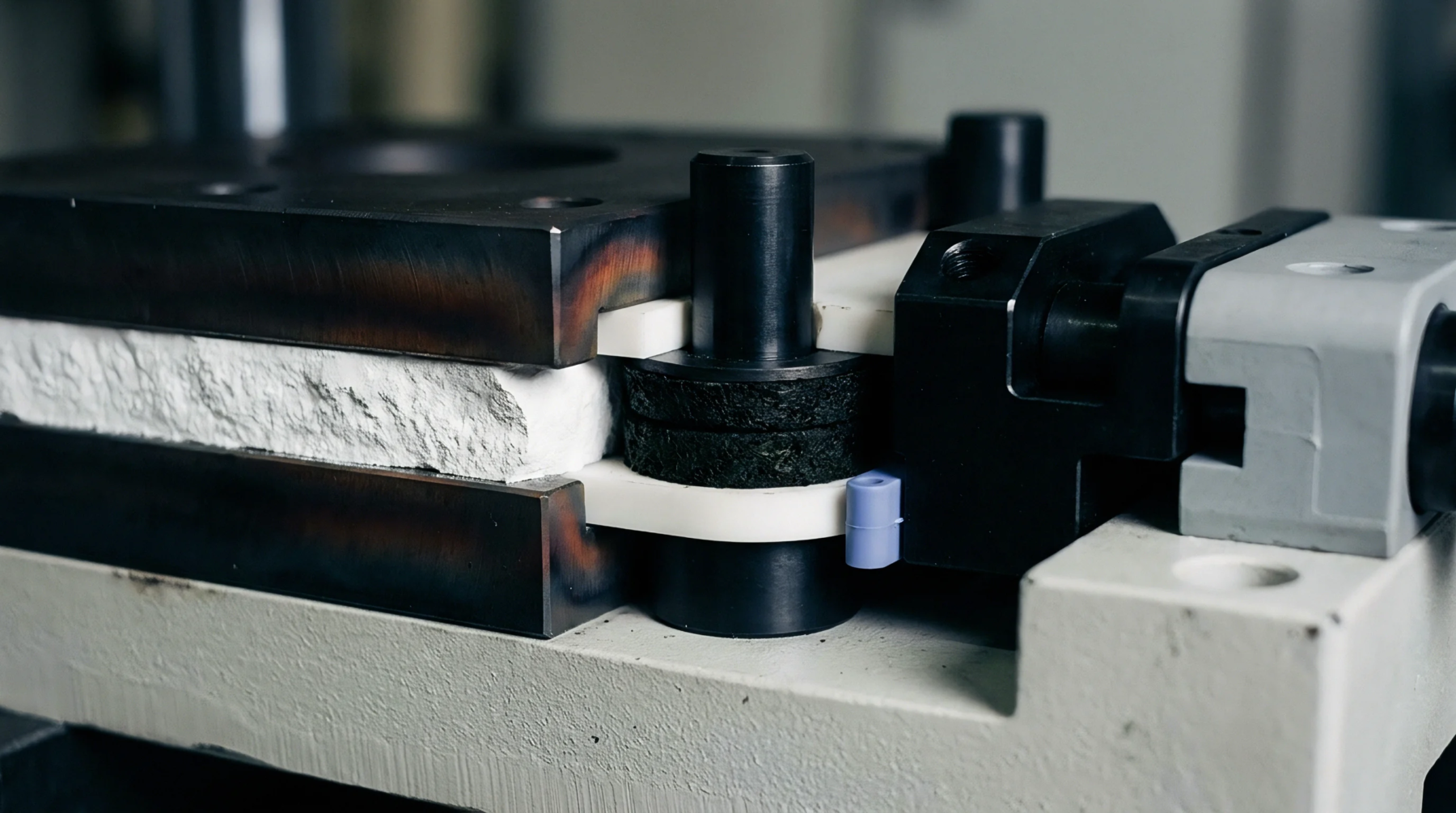
Testing is performed by placing the polymer melt between parallel plates and applying a sinusoidal strain. The resulting stress is measured to separate the in-phase and out-of-phase components of the material response. This method allows the lab to assess the molecular structure without destroying the polymer chain through excessive shear.
Frequency Response
Polymer melts exhibit shear-thinning behavior where the resistance to flow decreases at higher frequencies. Calculating the dynamic properties across a wide frequency range provides a profile of the polymer under various processing conditions. This profile is useful for predicting how a resin will flow in the high-shear region of an injection nozzle compared to the low-shear region of a mould cavity.
In addition, the zero-shear viscosity derived from the low-frequency data correlates directly with the molecular weight of the resin, providing a valuable quality check for incoming material.
Melt Behavior
Processing issues such as melt fracture and surface roughness are directly related to the elastic limits of the polymer. When the complex viscosity deviates from the specified range, the extrusion pressure can rise to unsafe levels. This deviation often signals that the polymer has begun to degrade or has absorbed moisture during storage.