Meaning
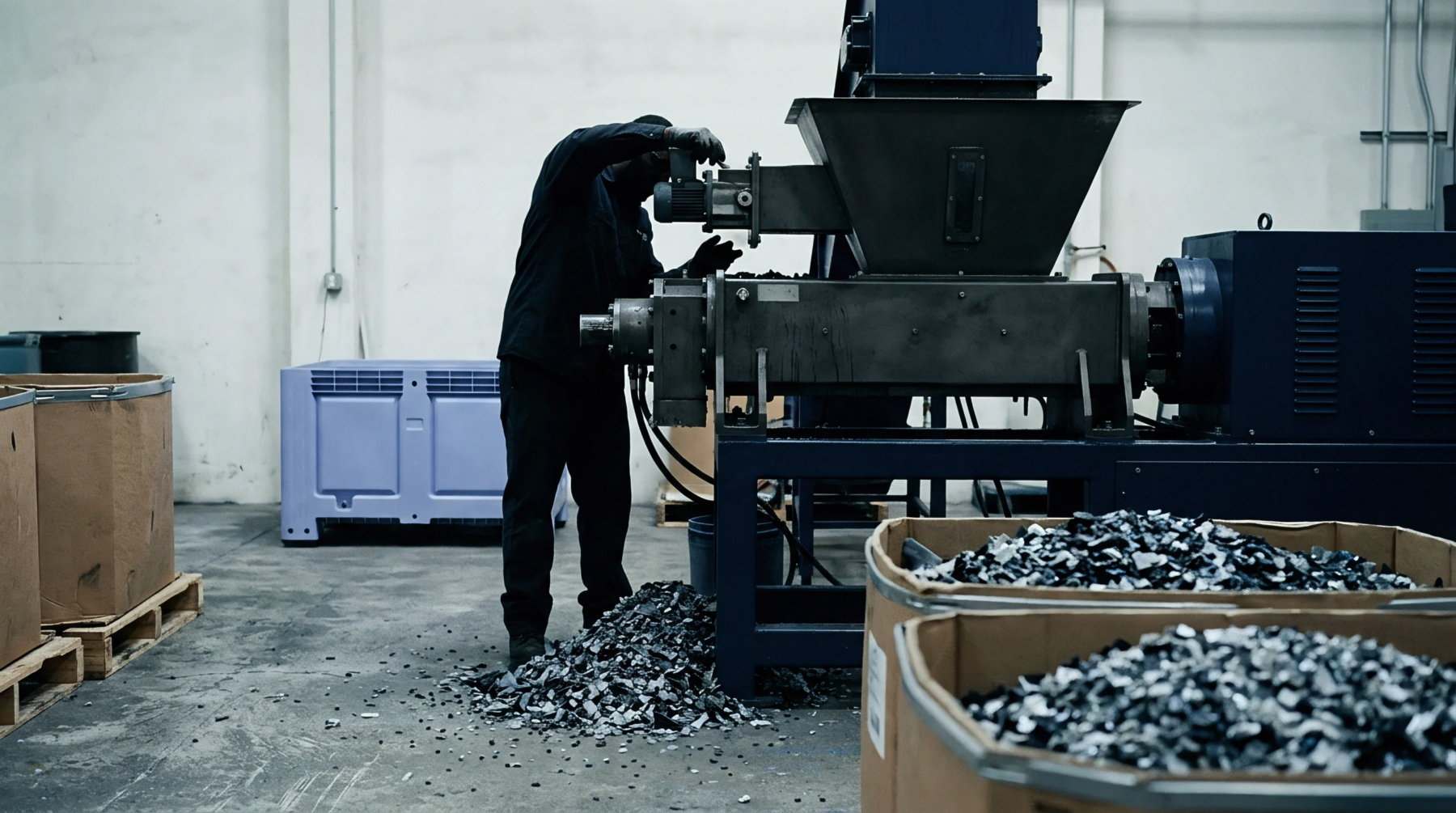
Extraction of volatile contaminants from a polymer melt occurs through the application of low pressure within a specialized processing zone. Vacuum devolatilization functions by lowering the partial pressure of residual solvents, monomers, or water trapped in the resin to induce their transition into the gas phase. This mass transfer process facilitates the separation of small molecules from the high-viscosity polymer stream before the material enters the final shaping stage.
Efficiency depends upon the residence time of the melt, the surface area exposed to the vacuum, and the temperature of the polymer.
Solvent Removal
Removal of low molecular weight species prevents the formation of voids or surface defects in finished parts. High concentrations of trapped gases often lead to splay, bubbles, or degraded physical properties in molded articles. Extruders frequently utilize a vented barrel section to perform vacuum devolatilization during the compounding phase.
Adjusting the vent pressure allows for the precise regulation of moisture content in hygroscopic resins. Insufficient removal of these components results in porosity that weakens the internal structure of molded components.
Economic Influence
Regrind usage requires stricter control of volatile content to maintain product consistency compared to virgin material feedstock. Contaminated recyclate often carries higher moisture levels or trapped odorants that necessitate a secondary pass through a devolatilization unit. Processing costs rise when vacuum systems operate at maximum capacity to compensate for inconsistent moisture levels in the input stream.
Stable operating windows remain difficult to maintain if the upstream drying stage fails to remove surface humidity before the resin reaches the screw.
Variable Optimization
Screw geometry governs the performance of the gas extraction zone by balancing melt shearing with residence time. Designers manipulate the flight depth and pitch of the screw to create a thin film of polymer that releases volatiles without clogging the vent port. Excessive shear forces in this region cause thermal degradation of the polymer chains that negatively impacts the molecular weight distribution.
Proper vacuum settings optimize the balance between achieving a clean output and minimizing the degradation of sensitive resins.