Meaning
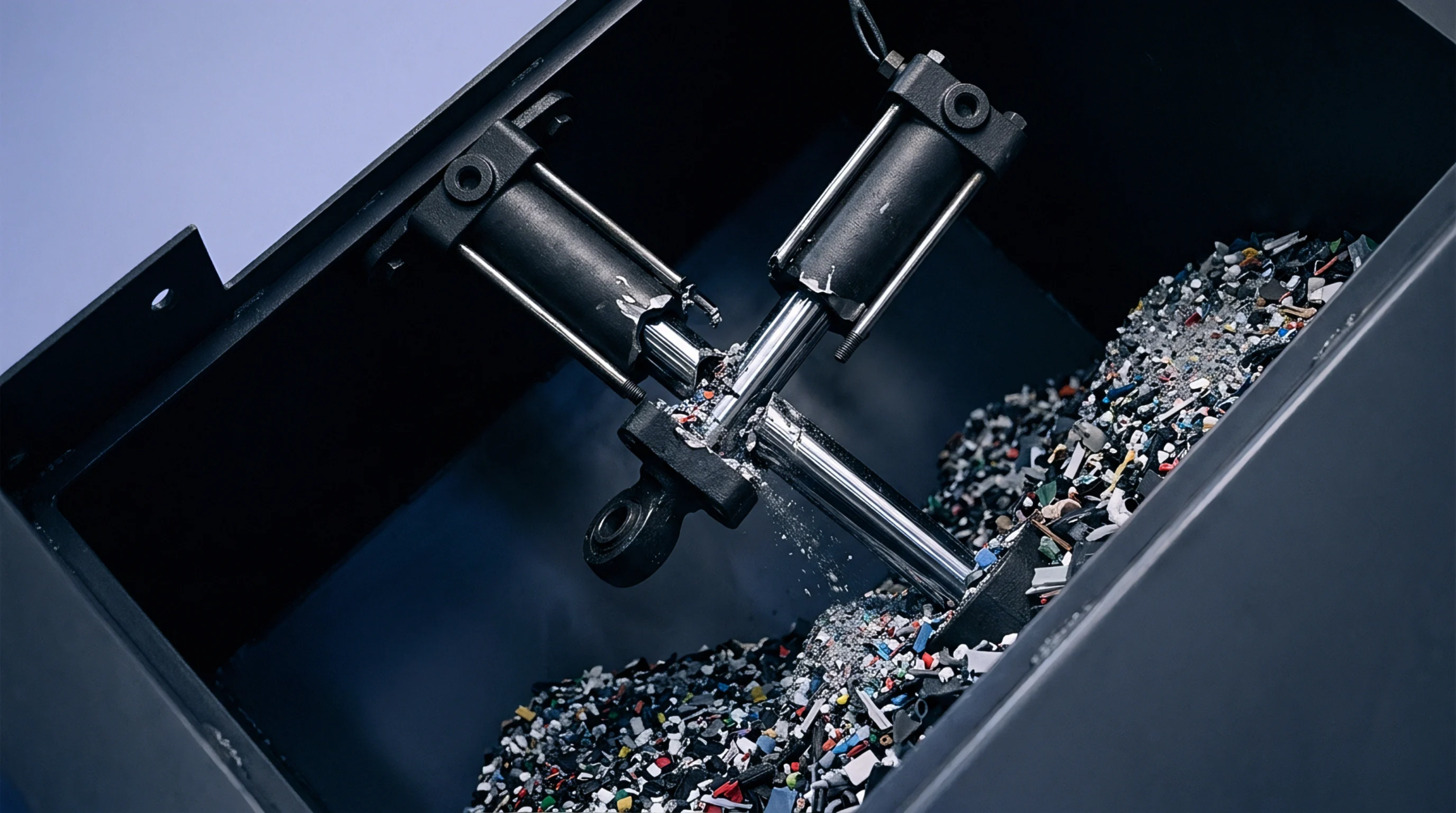
Reclaimed polymer feedstocks derived from post-industrial or post-consumer waste streams provide alternative raw material options for plastic converters. Processing secondary polyolefin requires adjustments in mould gating, filtration settings, injection pressures and thermal profiles due to wide melt flow rate variations. The material class includes recycled polyethylene and polypropylene recovered from packaging, automotive components, consumer goods or industrial scrap.
It covers reprocessed pellets or ground flake suitable for moulding and stops where polymer degradation renders structural recovery impossible.
Melt Rheology
Thermal history from previous processing steps causes chain scission or crosslinking in recovered plastics. Using secondary polyolefin introduces viscosity fluctuations that affect cavity filling and part dimensions during injection moulding. Converters blend virgin resin with reclaimed material to stabilize flow characteristics across production lots.
Contamination Profile
Non-target polymers, residual adhesives and inorganic dirt alter mechanical performance in finished parts. Inadequate washing or sorting leaves cross-contaminants in secondary polyolefin, resulting in surface splay, reduced impact strength and premature stress cracking. Melt filtration down to fine mesh sizes removes solid particles before die entry.
Economic Value
Price differentials between virgin resins and recovered feedstocks drive sustainability adoption in commercial moulding. Sourcing secondary polyolefin lowers raw material expenditure, though higher scrap rates and maintenance costs offset initial purchase savings. Quality verification using standardized datasheets establishes acceptable performance boundaries.