Bio Based Polyester Moisture Measurement Using Coulometric Karl Fischer
Coulometric Karl Fischer titration with thermal desorption isolates true moisture in bio-polyesters, preventing false readings from monomer breakdown and avoiding melt hydrolysis.

Equilibrium
Water molecules migrate into bio-based polyesters through hydrogen bonds with polar carbonyl groups along the polymer backbone. Because poly(lactic acid), polyhydroxyalkanoates, polybutylene succinate, and polyethylene furanoate have higher oxygen-to-carbon ratios than fossil-derived polyethylene terephthalate, water dissolves more readily into their amorphous matrices and diffuses faster at room temperature. Pellets exposed to ambient air saturate quickly, creating problems once they reach the melt phase.
When molten bio-polyesters carrying absorbed moisture enter an extruder or injection moulding barrel, heat and catalytic carboxylic acid end-groups drive rapid nucleophilic substitution. Water cleaves ester linkages along the macromolecular chain, generating lower molecular weight species, free carboxylic acids, and hydroxyl terminals. This chain scission drops weight-average molecular weight, suppresses melt viscosity, and degrades tensile strength and impact resistance in the molded component.
Bio-based polyesters absorb ambient atmospheric moisture faster than petroleum-derived polyethylene terephthalate due to higher ester linkage density.
Accurate moisture measurement before melt conversion determines whether a batch meets mechanical targets or suffers hydrolytic degradation. Standard loss-on-drying gravimetric balances lack the necessary sensitivity and selectivity for bio-polyesters; by measuring total weight loss at elevated temperatures, they lump absorbed water together with surface moisture, residual monomers like lactide or glycolides, and volatile bio-derived additives. Separating actual water from volatile thermal decomposition products requires a reaction specific to water alone.
Underestimating moisture upstream lets wet resin reach compounding or injection barrels, leading to catastrophic intrinsic viscosity loss, high scrap rates, embrittlement, and early failures in load-bearing applications.
Moisture Sorption Failure Modes in Bio-Polyesters
Inaccurate water detection leads directly to severe processing and end-use material defects.
- Melt strength collapse causes structural parison sag during blow molding and bubble instability in blown film production when water content exceeds one hundred parts per million.
- Acid-catalyzed ester cleavage accelerates internal polymer chain degradation, compounding intrinsic viscosity loss during every thermal cycle.
- Volatile bubble formation creates internal voids, surface splay, and severe optical clarity loss in transparent injection molded components.
- Additive leaching acceleration destabilizes plasticizer distribution, causing rapid surface migration and embrittlement in flexible bio-polyester compounds.
Oven
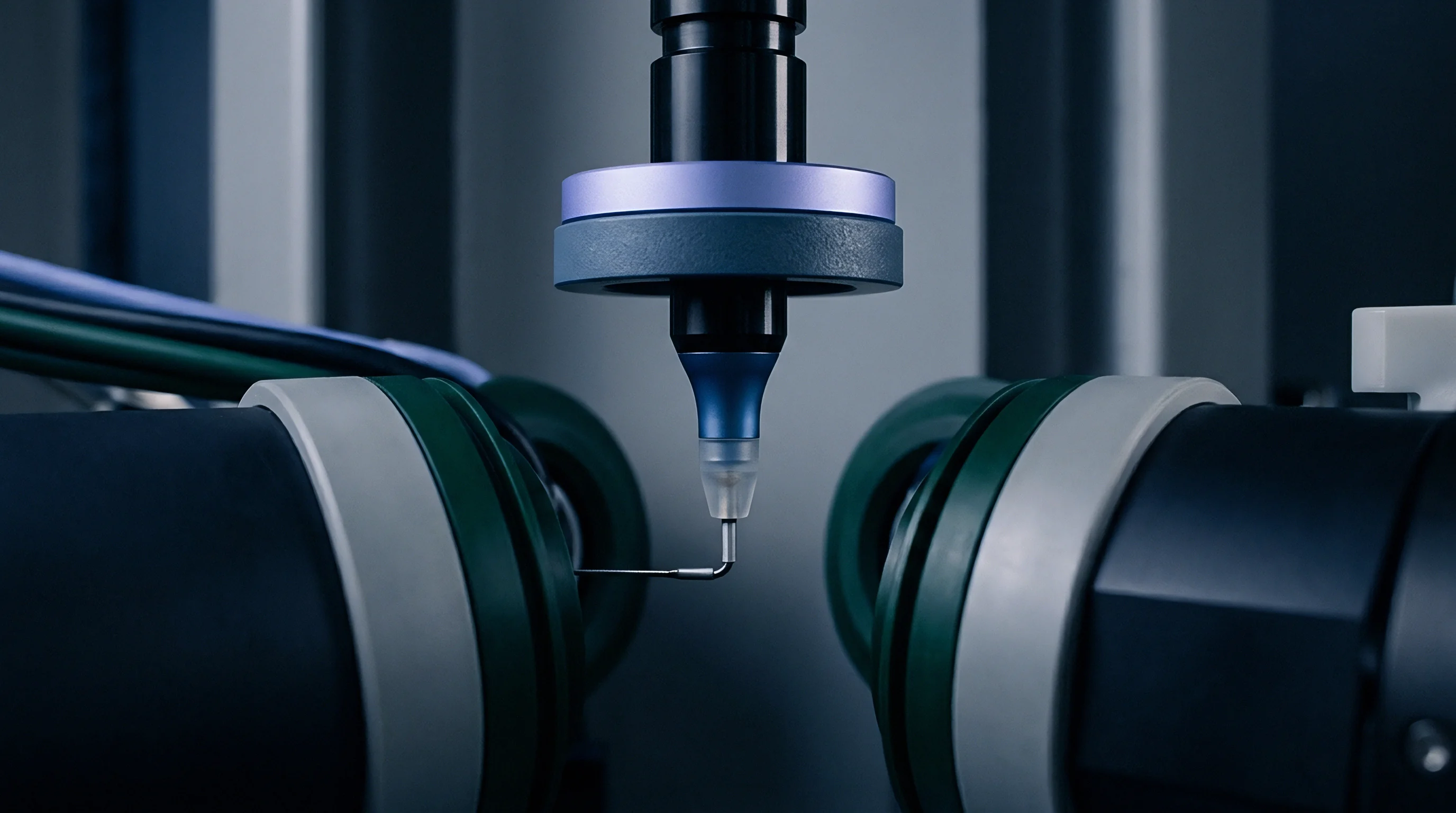
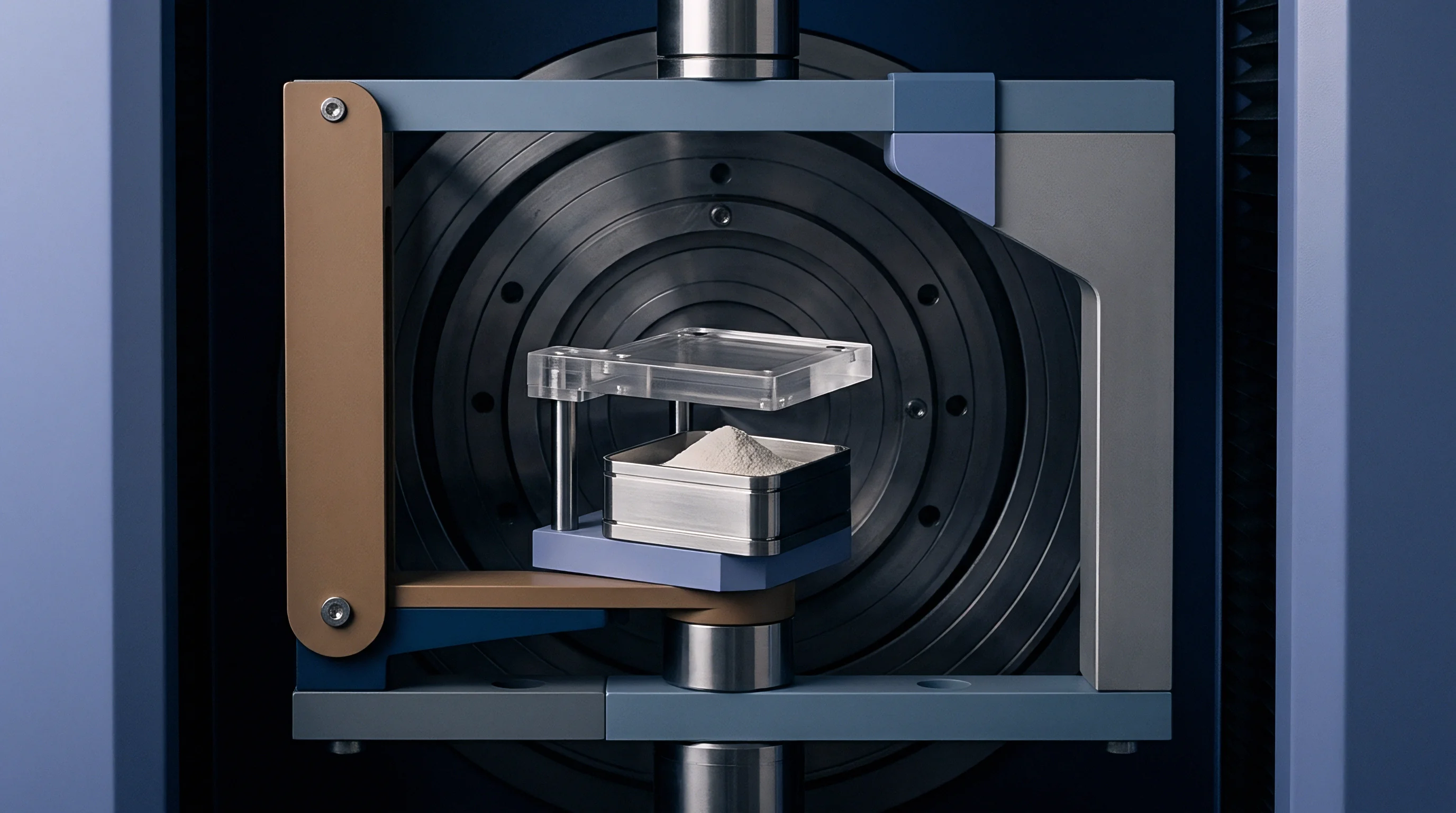
Direct volumetric Karl Fischer titration fails on solid polyester pellets because water remains trapped inside insoluble crystalline domains. Attempting to dissolve pellets in the titration cell using halogenated solvents such as trifluoroethanol or chloroform creates chemical interferences, fouls generator electrodes, and produces toxic waste. Combining coulometric Karl Fischer titration with a thermal desorption furnace bypasses sample dissolution entirely by driving moisture directly into an inert carrier gas stream.
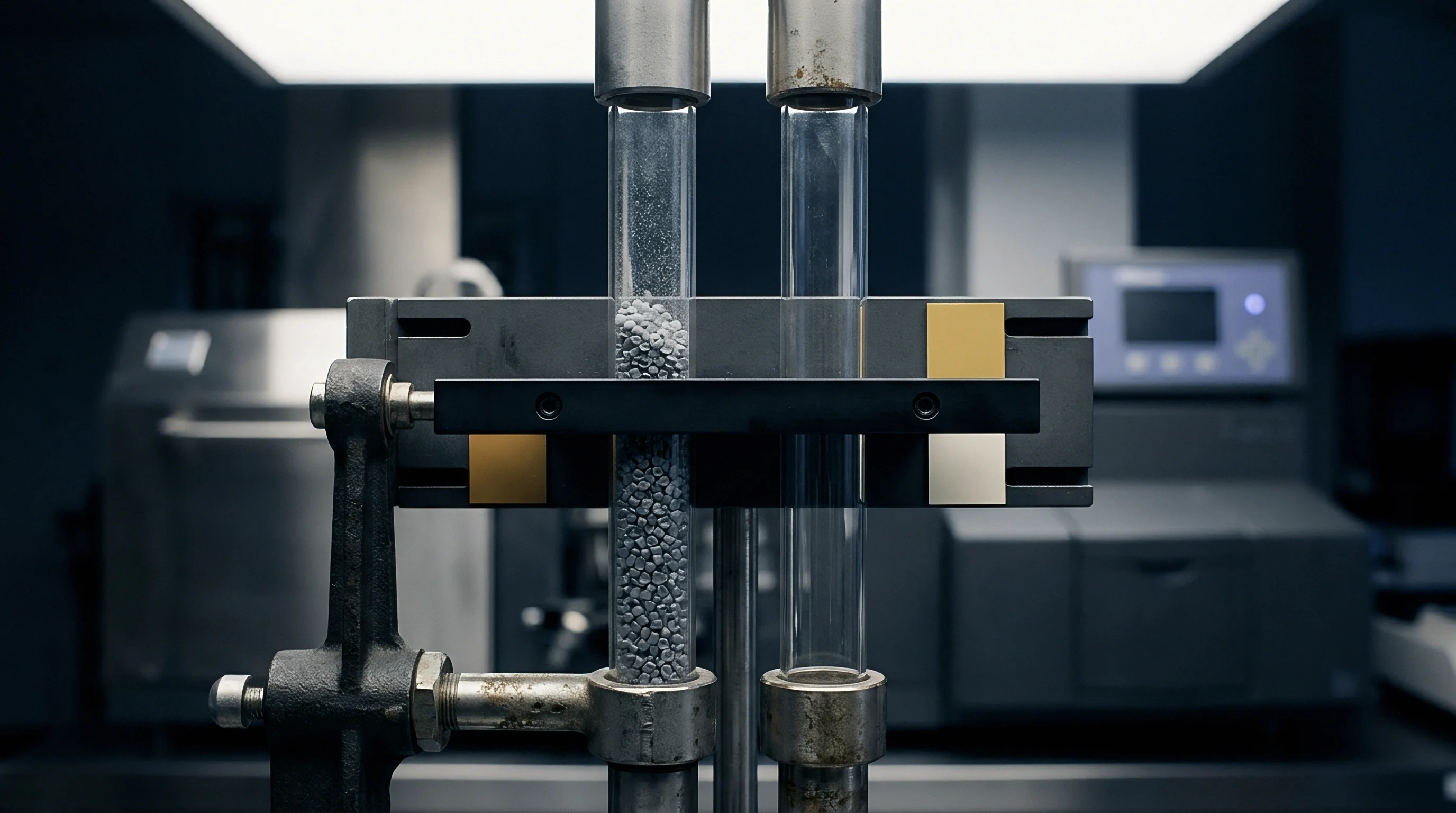
Pellets sealed inside a glass vial sit in the furnace tube while ultra-high purity nitrogen sweeps liberated moisture into the coulometric titration cell. Operating temperatures require strict control: the furnace must run hot enough to release tightly bound interstitial water from crystalline regions within practical test times, but cool enough to prevent thermal breakdown of the bio-polymer matrix. Bio-polyesters exhibit significantly lower thermal onset decomposition limits than standard polyethylene terephthalate.
Poly (lactic acid) dried to 150 ppm moisture exhibits less than three percent intrinsic viscosity reduction after five minutes at 210 degrees Celsius.
Polyhydroxyalkanoates start thermal unzipping through beta-elimination above one hundred forty degrees Celsius, yielding volatile crotonic acid and water as breakdown products. Running a polyhydroxyalkanoate sample at two hundred degrees Celsius in a moisture furnace synthesizes water from chemical decomposition, producing artificially inflated moisture readings. Poly(lactic acid) releases volatile lactide dimers above one hundred seventy degrees Celsius, which condense in transfer lines and foul titration cell reagents.
| Polymer Grade | Thermal Onset (°C) | Recommended Oven Temp (°C) | Carrier Gas Flow (mL/min) | Processing Moisture Ceiling (ppm) |
|---|---|---|---|---|
| Poly(lactic acid) amorphous | 165 | 140 to 150 | 120 to 150 | 200 |
| Poly(lactic acid) semi-crystalline | 180 | 155 to 165 | 120 to 150 | 150 |
| Polyhydroxyalkanoate (PHBV) | 135 | 115 to 125 | 100 to 120 | 100 |
| Polybutylene succinate (PBS) | 190 | 160 to 170 | 120 to 150 | 250 |
| Polyethylene furanoate (PEF) | 210 | 170 to 185 | 150 to 180 | 50 |
Purging with dry nitrogen prevents oxidation while sweeping liberated moisture from the heated vial to the titration vessel. Flow rates between one hundred and one hundred fifty milliliters per minute ensure quantitative transport without chilling the heating block or splashing solvent inside the cell. Carrier gas lines require heating to one hundred twenty degrees Celsius using flexible heat tracing to stop water vapor from condensing onto tube walls before reaching the anolyte solution.
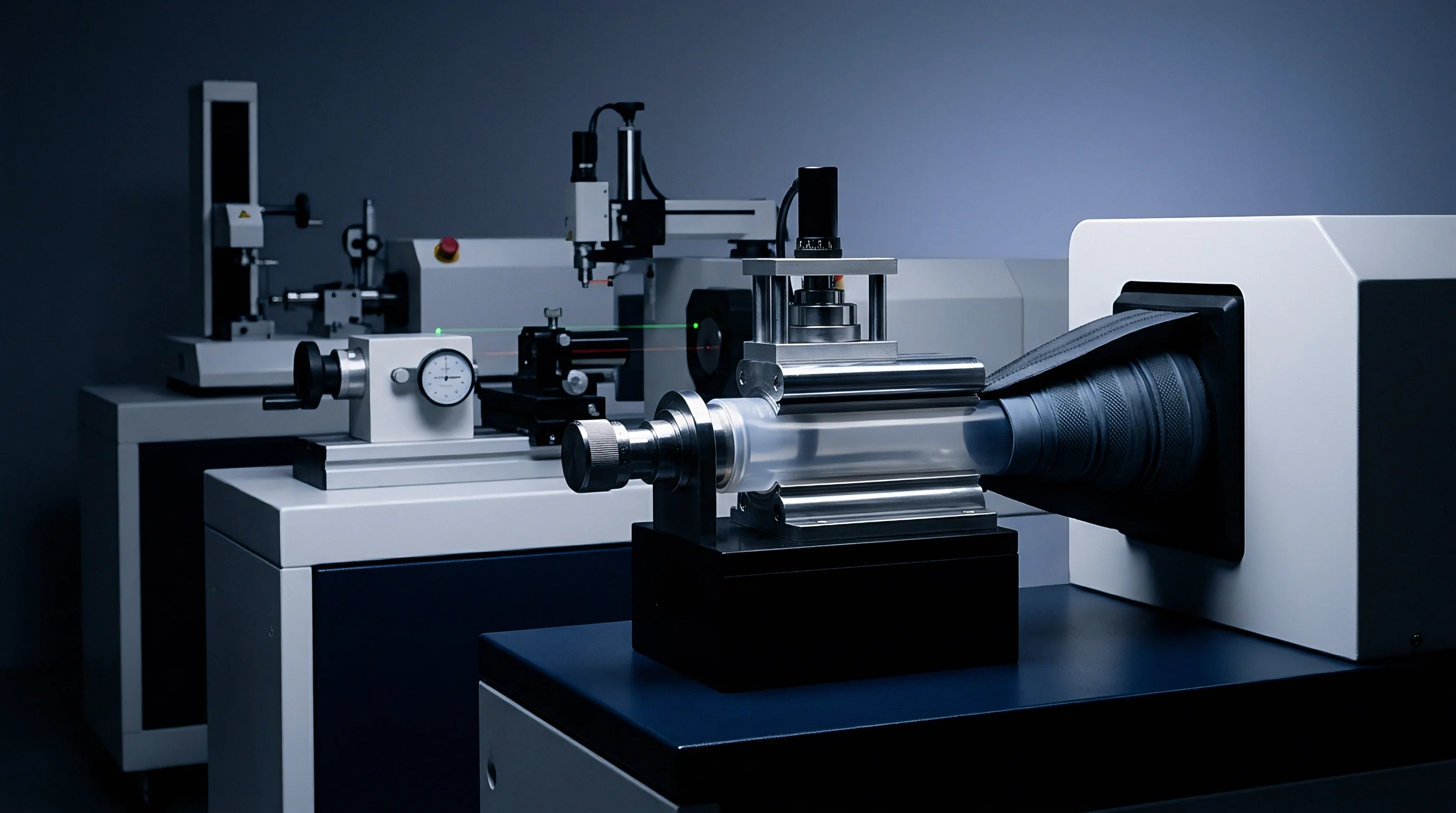
Thermal Desorption Parameters for Bio-Polyesters
Executing an analytical run demands strict adherence to thermal profiles to separate moisture release from thermal degradation.
- Purge the furnace tube with dried nitrogen at one hundred fifty milliliters per minute for twenty minutes until stable baseline drift registers below two micrograms of water per minute.
- Crimp two grams of bio-polyester pellets inside a clean septum vial under low-humidity dry box conditions to prevent atmospheric moisture pickup.
- Heat the sample vial at the target temperature specified in the resin test specification while recording real-time moisture release kinetics.
- Maintain isothermal heating until water evolution returns to the baseline drift rate, confirming complete moisture desorption from the polymer matrix.
Elevated titration values above specification are sometimes attributed to volatile monomer off-gassing rather than true absorbed water, setting analytical limits at odds with assertions that the resin remains dry enough for melt conversion.
Stoichiometry
Coulometric determination rests on the quantitative anodic oxidation of iodide ions to iodine within a specialized electrochemical cell. Water molecules transported by carrier gas react rapidly with generated iodine and sulfur dioxide in the presence of an organic base and alcohol solvent, proceeding with exact stoichiometry where one mole of iodine consumes exactly one mole of water.
Generating iodine electrochemically at the generator electrode eliminates titrant concentration drift seen in volumetric systems. Measuring total current passed through the anode allows direct calculation of moisture mass using Faraday’s law, where 10.72 milliamperes of current generated over time corresponds to exactly one microgram of water. That resolution makes coulometry ideal for bio-polyester resins requiring moisture limits below two hundred parts per million.
Oven temperatures set above the polymer decomposition threshold release volatile organic acids that consume anodically generated iodine continuously.
Analytical accuracy depends heavily on chemical compatibility between bio-polyester decomposition products and the anolyte reagent. Standard Karl Fischer formulations rely on methanol as the primary solvent. When bio-polyester samples undergo subtle thermal breakdown during furnace desorption, volatile aldehydes, crotonic acid, and lactide oligomers pass directly into the anolyte solution.
Aldehydes react with methanol to form acetals and water, generating synthetic water inside the cell and triggering endless titration loops with false high results.
Can Standard Anolyte Reagents Accept Bio Based Oligomer Evaporation?
Standard methanol-based anolyte reagents react directly with bio-based decomposition products such as lactide vapor, shifting reaction kinetics and compromising cell accuracy.
Using methanol-free anolyte reagents based on 2-methoxyethanol or 1-methoxy-2-propanol prevents acetal formation and suppresses side reactions with traces of furfural, hydroxymethylfurfural, or crotonic acid liberated during thermal extraction. Cell construction offers additional protection: dual-compartment generator cells with ceramic diaphragms isolate catholyte side reactions from the primary analytical vessel.
Karl Fischer Reagent Selection Protocol
Selecting appropriate chemistry protects analytical accuracy against organic interference.
- Methanol-free methyl cellosolve formulations prevent secondary acetal condensation reactions caused by volatile aldehyde evolution.
- Dual-compartment diaphragm generator cells isolate cathodic side reactions, stabilizing baseline potential during prolonged testing runs.
- Keto-complexing additive agents neutralize trace bio-derived ketone vapors before iodine consumption occurs.
- High-capacity sulfur dioxide buffers maintain neutral pH levels when acid breakdown products lower cell alkalinity.
The exact mechanism causing anolyte depletion when testing highly functionalized polyhydroxyalkanoate copolymers containing residual unsaturated fatty acid side chains remains an unresolved area in analytical polymer chemistry.
Calibration
Quantifying baseline environmental water ingress forms the foundation of accurate moisture measurements in polyester analytical routines. Before sample introduction, the instrument measures system background drift to calculate water entering the cell through ground-glass joints, carrier gas lines, and solvent atmospheric exposure. Stable baseline drift rates must fall below two micrograms of water per minute before starting resin measurements.
Submitting liquid water standards or certified solid hydrated salts validates system accuracy. Sodium tartrate dihydrate containing 15.66 percent water by weight provides a stable calibration check for furnace sample systems. Vaporizing precise masses of sodium tartrate dihydrate at two hundred twenty degrees Celsius confirms quantitative moisture transfer through carrier lines into the cell, verifying total recovery yields between ninety-seven and one hundred three percent.
| Target Moisture Range (ppm) | Minimum Sample Mass (g) | Replicate Count | Target Drift Rate (µg H2O/min) | Acceptable Bench Recovery (%) |
|---|---|---|---|---|
| 10 to 50 | 3.0 to 5.0 | 5 | < 1.0 | 98.0 to 102.0 |
| 50 to 200 | 2.0 to 3.0 | 3 | < 1.5 | 97.0 to 103.0 |
| 200 to 500 | 1.0 to 2.0 | 3 | < 2.0 | 95.0 to 105.0 |
| > 500 | 0.5 to 1.0 | 2 | < 3.0 | 95.0 to 105.0 |
Optimizing sample mass balances titrant consumption against test duration. Testing two grams of bio-polyester resin containing one hundred parts per million water yields two hundred micrograms of total water, placing the titration well within the optimal detection linear range of coulometric instruments. Small sample masses under half a gram induce large weighing relative errors, while excessively large sample masses overfill furnace vials and retard thermal diffusion.
Compliance with ISO 15512 Method D specifies carrier gas moisture purity below five parts per million to prevent additive baseline drift.
Carrier gas purity governs precision, as ambient moisture leaking into carrier lines artificially elevates resin moisture readings. Running blank vials purged with nitrogen establishes blank water baseline values. Subtracting blank vial moisture from raw resin values isolates true polymer water content from environmental contamination.
Quality Dossier Documentation Requirements
Verifiable batch certification demands full reporting of bench environmental parameters.
- Desorption temperature recording proves that sample heating stayed below thermal breakdown thresholds.
- Carrier gas moisture logs establish dry nitrogen purity compliance below five parts per million water content.
- Blank vial correction data verifies exact atmospheric subtraction across identical glass vial lots.
- System recovery verification values confirm instrument titration accuracy using certified reference materials prior to batch testing.
Standard quality specifications frequently mandate compliance with ISO 15512 Method D, requiring written proof of blank subtraction and daily water standard recovery checks before certifying resin moisture values below one hundred parts per million.
Threshold
Melt processing limits for bio-based resins establish the boundary between successful part consolidation and molecular weight destruction. Poly(lactic acid) specified for high-speed fiber spinning demands moisture levels below fifty parts per million to prevent filament breakage under high draw ratios. Standard injection molding grades of polybutylene succinate tolerate up to two hundred parts per million moisture without losing structural rigidity or surface finish during long cycle times.
Drying house protocols must balance thermal exposure against moisture removal rates. Dehumidifying desiccant dryers operating with dew points of minus forty degrees Celsius dry bio-polyesters efficiently at temperatures between sixty and eighty degrees Celsius. Drying bio-polyester pellets at temperatures above their glass transition point causes pellet agglomeration, bridging hopper throats and disrupting extruder feed rates.
Vacuum drying at lower temperatures eliminates sintering risks while maintaining moisture extraction kinetics.
Establishing rigorous coulometric Karl Fischer testing protocols ensures that incoming bio-polyester shipments meet processing specifications before entering dryer hoppers.
Commercial purchase contracts linking resin landed cost to moisture verification protocols enforce financial deductions when incoming lot shipments exceed contract moisture ceilings. If an incoming shipment delivers polyhydroxyalkanoate resin at four hundred parts per million moisture against a contract ceiling of one hundred parts per million, the buyer incurs additional energy costs for extended vacuum drying alongside processing downtime risks. Contractual penalty schedules assign direct drying cost backcharges to the resin compounder, deducting two percent of invoice value for every hundred parts per million over target limits.