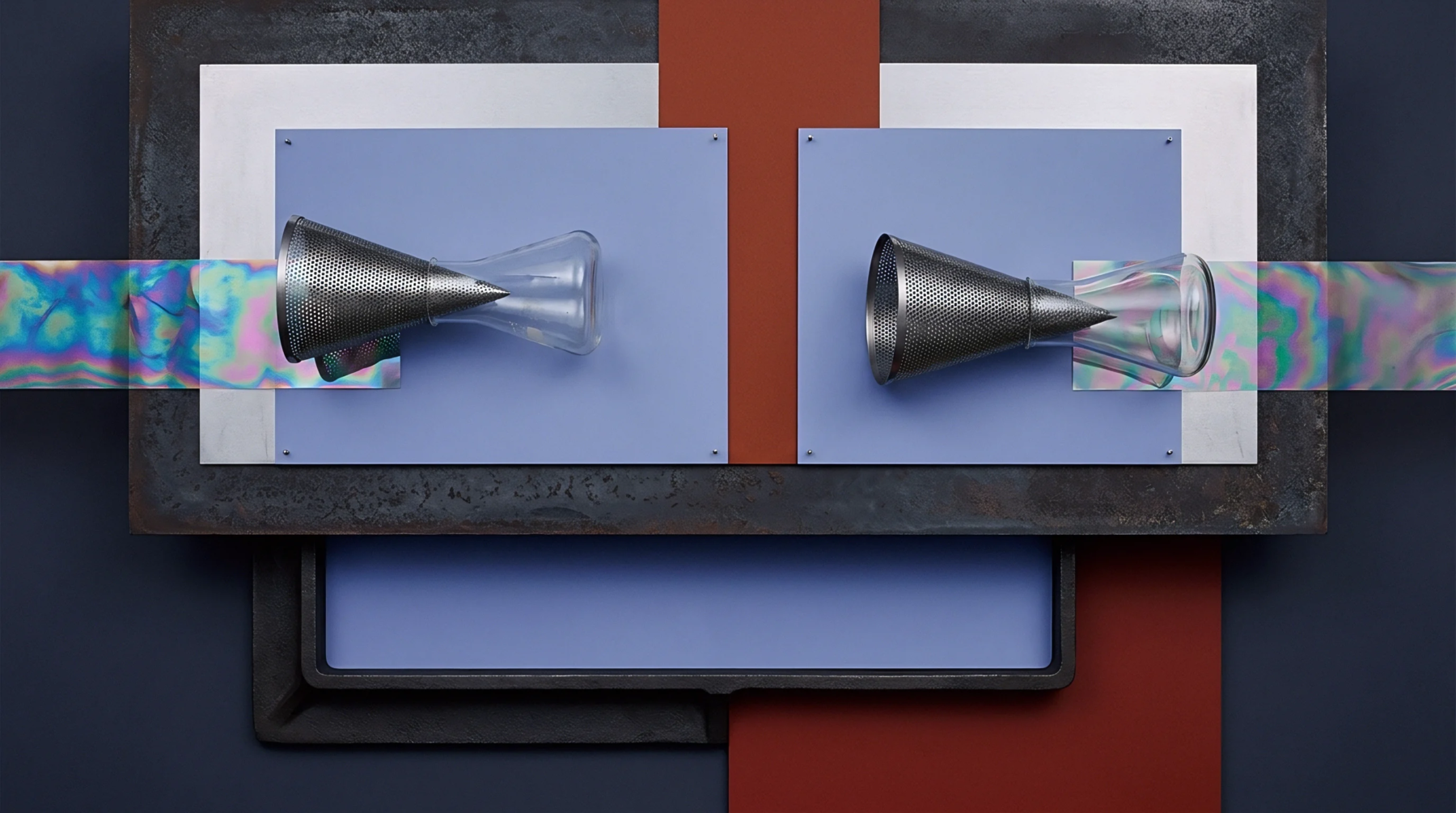
Coulometric Titration Baseline Drift Calibration Methods
Drift calibration isolates cell background current from true sample moisture, preventing hydrolytic degradation and avoiding false incoming resin lot rejections.
Drift calibration isolates cell background current from true sample moisture, preventing hydrolytic degradation and avoiding false incoming resin lot rejections.
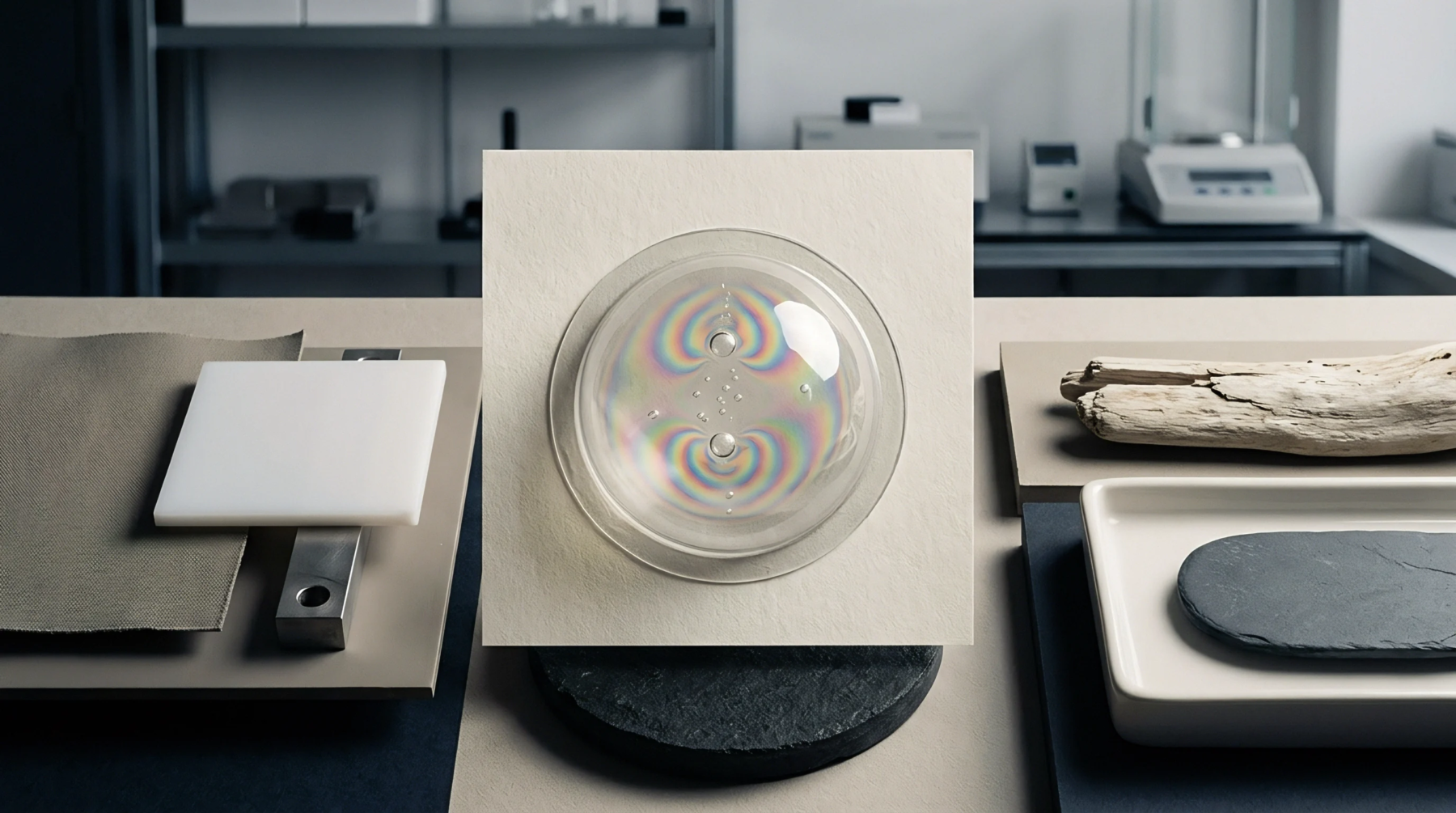
Karl Fischer moisture testing of recycled PET flake requires thermal desorption at 170 C with methanol-free reagents to eliminate volatile interference.
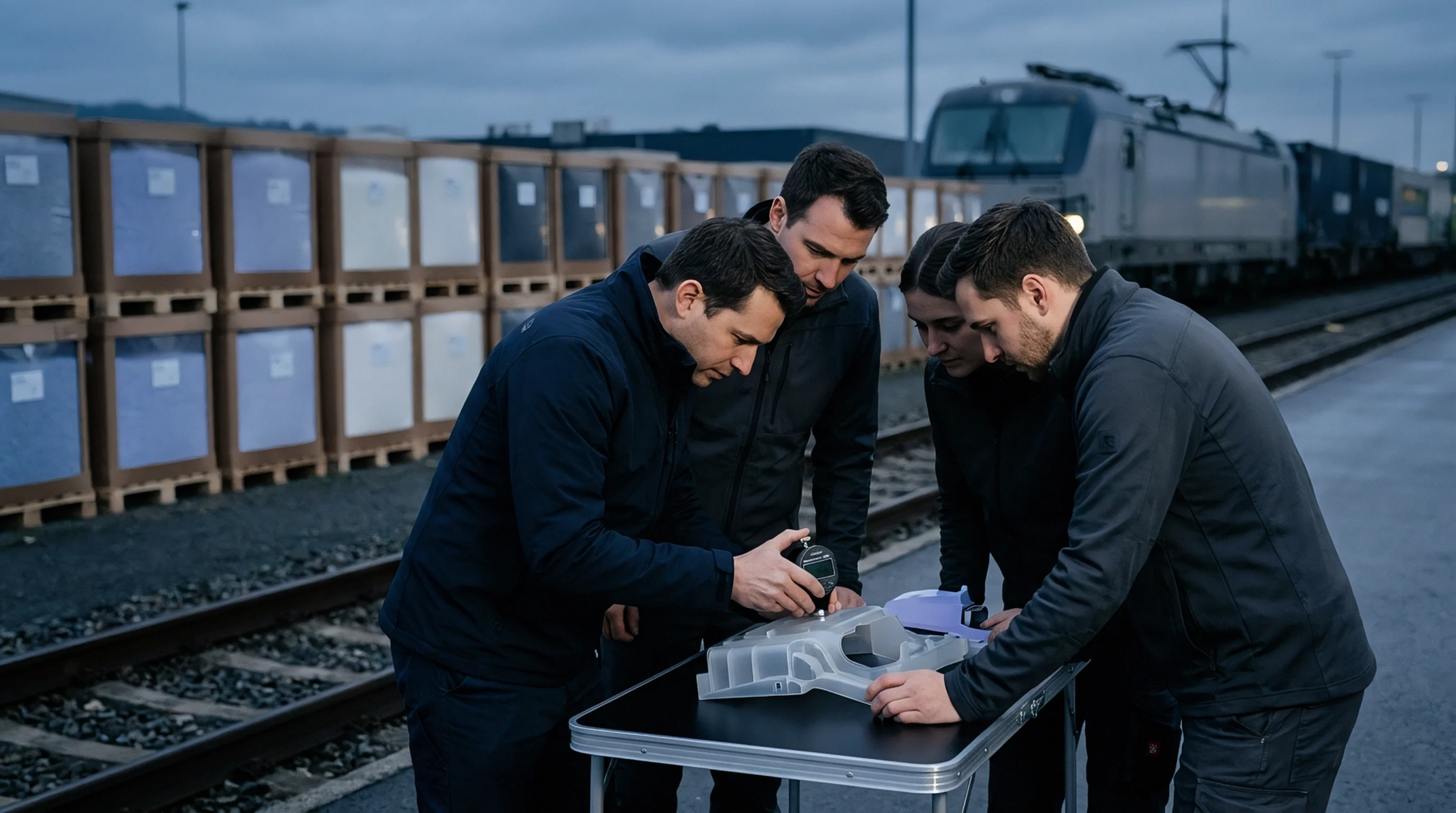
Headspace Karl Fischer titration requires temperature optimization between desorption and polymer decomposition to measure true moisture without pyrolytic errors.

Coulometric Karl Fischer titration paired with thermal desorption measures water down to 10 ppm while preventing matrix degradation in recycled polymers.

Coulometric Karl Fischer testing with oven desorption at 170 °C isolates true water content in rPET below 50 ppm, preventing costly IV degradation during melt processing.
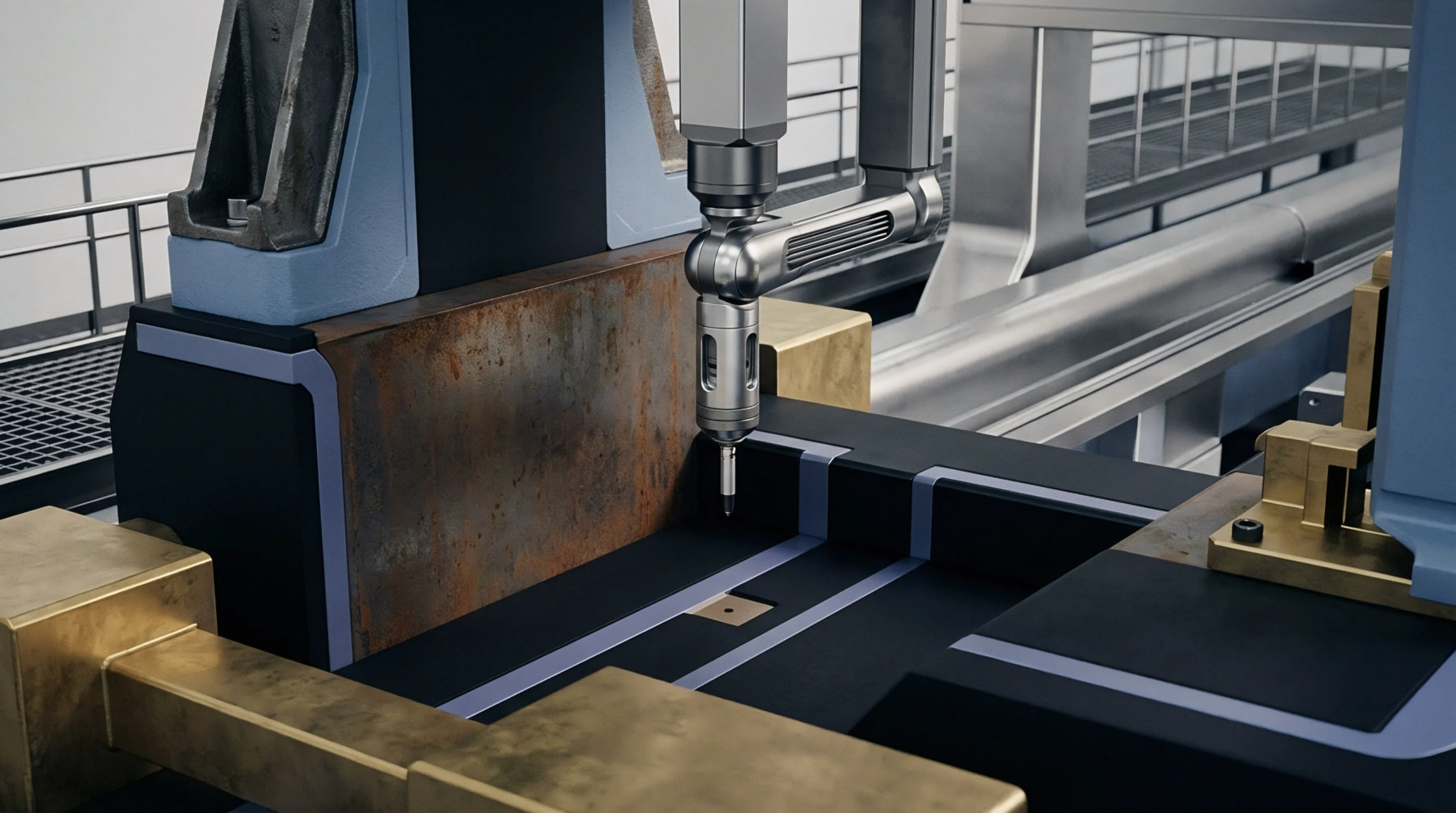
Dew point monitoring alone fails to guarantee dry resin; coulometric Karl Fischer titration per ISO 15512 Method B is mandatory to prevent hydrolytic scission.
Expertise is a utility, not a secret. sentiention™ publishes its working knowledge as open reference: intelligence layer covering the materials it sources, the markets it enters, and the reference that serves both.