Biaxial Extensional Deformation Dynamics of Semi Crystalline Polymer Sheets
Biaxial extensional strain hardening controls sheet thinning, requiring precise melt strength, tool friction, and temperature tuning to set uniform container wall thickness.

Kinematics
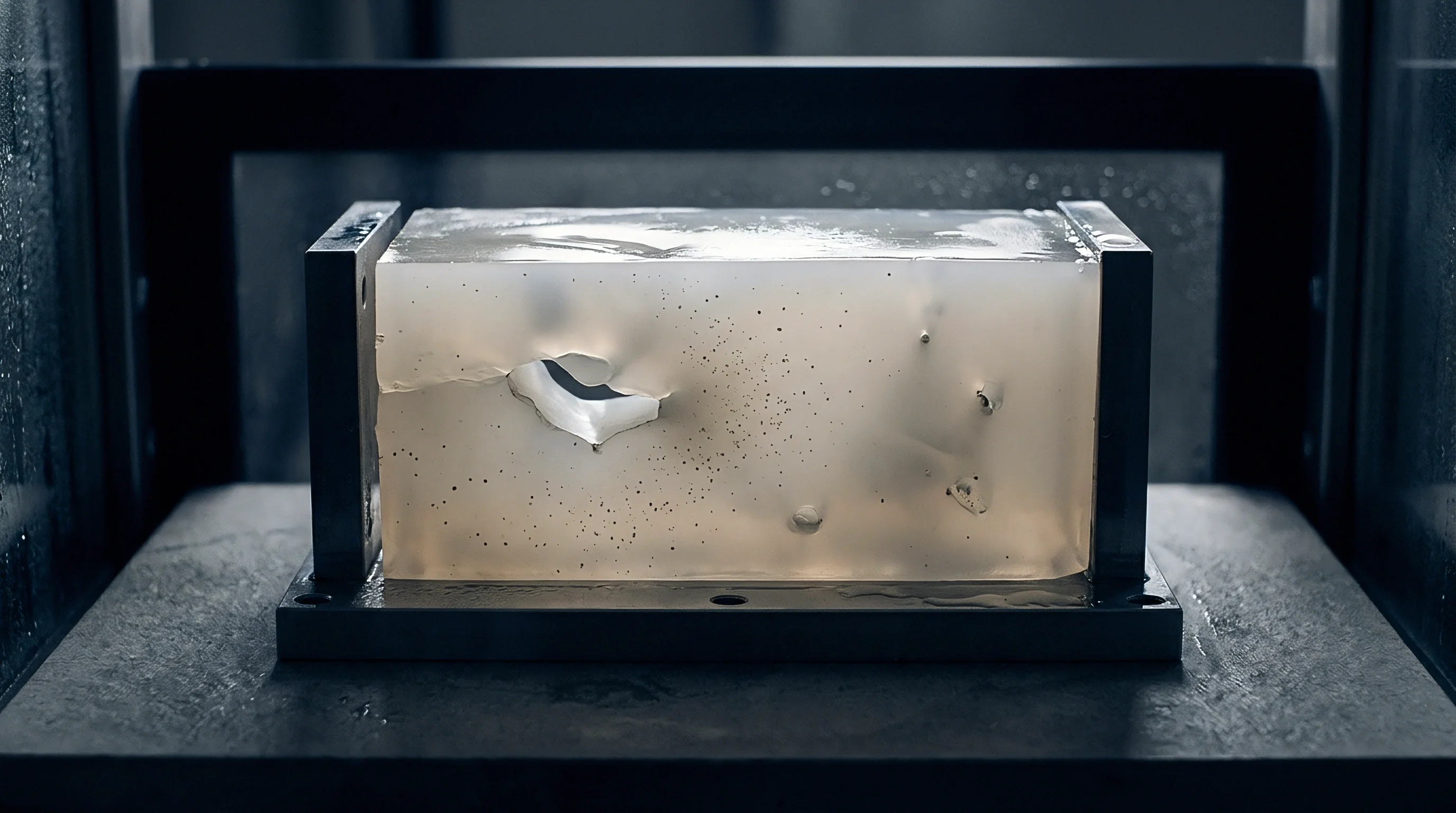
Biaxial extensional deformation governs thickness distribution and crystal structure in semi-crystalline polymer sheets during thermoforming, biaxial orientation, and stretch blow moulding. Expanding a heated polypropylene or polyethylene sheet into a tool cavity deforms it along two axes at once. The velocity gradient tensor describes this flow field, separating pure shear from equilateral biaxial extension.
Stretching the melt changes molecular entanglement density, forcing random coil chains into alignment parallel to the stretch plane.
Deformation mode dictates strain tensor components. Equilateral biaxial stretching applies identical strain rates along orthogonal axes, producing uniform area expansion. Planar extension holds one sheet axis constant while stretching the perpendicular direction, creating an asymmetric stress state.
Subjected to planar extension, linear semi-crystalline polymers exhibit localized necking once local true strain passes the work-hardening threshold. Industrial forming presses operate between these limits, combining mechanical plug prestretch with pneumatic pressure to push the sheet against cooled aluminum tool cavities.
Deformation rates in high-speed inline thermoforming exceed ten reciprocal seconds. At these rates, the polymer network lacks time to relax stress through reptation. Spherulitic structures inside polypropylene or polybutylene terephthalate deform into elongated fibrillar networks.
Process temperature sets the balance between crystalline phase melting and molecular orientation. Running sheet stock ten degrees below peak melting temperature retains unmolten crystal nuclei, which accelerates strain-induced crystallization during the draw phase.
| Stretch Mode | Strain Tensor Component Ratio | Maximum Strain Rate (1/s) | Dominant Stress State | Typical Thickness Reduction |
|---|---|---|---|---|
| Equilateral Biaxial | 1 : 1 : -2 | 15.0 | Isotropic Tensile | 60% – 85% |
| Planar Extensional | 1 : 0 : -1 | 8.5 | Anisotropic Pure Shear | 30% – 50% |
| Asymmetric Biaxial | 2 : 1 : -3 | 12.0 | Biaxial Shear Blend | 45% – 70% |
Temperature gradients through the sheet thickness distort deformation kinematics. Outer surfaces cool quickly when exposed to ambient air while moving from infrared heating zones to the forming station. This cold skin produces higher extensional viscosity at the surface than in the core.
Under low inflation pressure, the core stretches preferentially, causing subsurface voiding and micro-tears near sharp corner radii. Tool designers reduce skin cooling by fitting heated clamping frames and enclosed web transit chambers.
Sheet thickness uniformity directly reflects velocity field stability during inflation. Unstable inflation leads to localized thinning, producing weak corners and structural buckling during top-load testing. Adjusting heater panel duty cycles matches infrared absorption to sheet relaxation kinetics, controlling inflation dynamics before cavity contact freezes the wall structure.
A cold sheet core concentrates extensional strain along the outer skin, causing premature wall rupture.
Selecting an improper stretch rate causes catastrophic web rupture or localized wall collapse during inflation, generating excessive scrap and damaging tool cavity surfaces.

Rheology
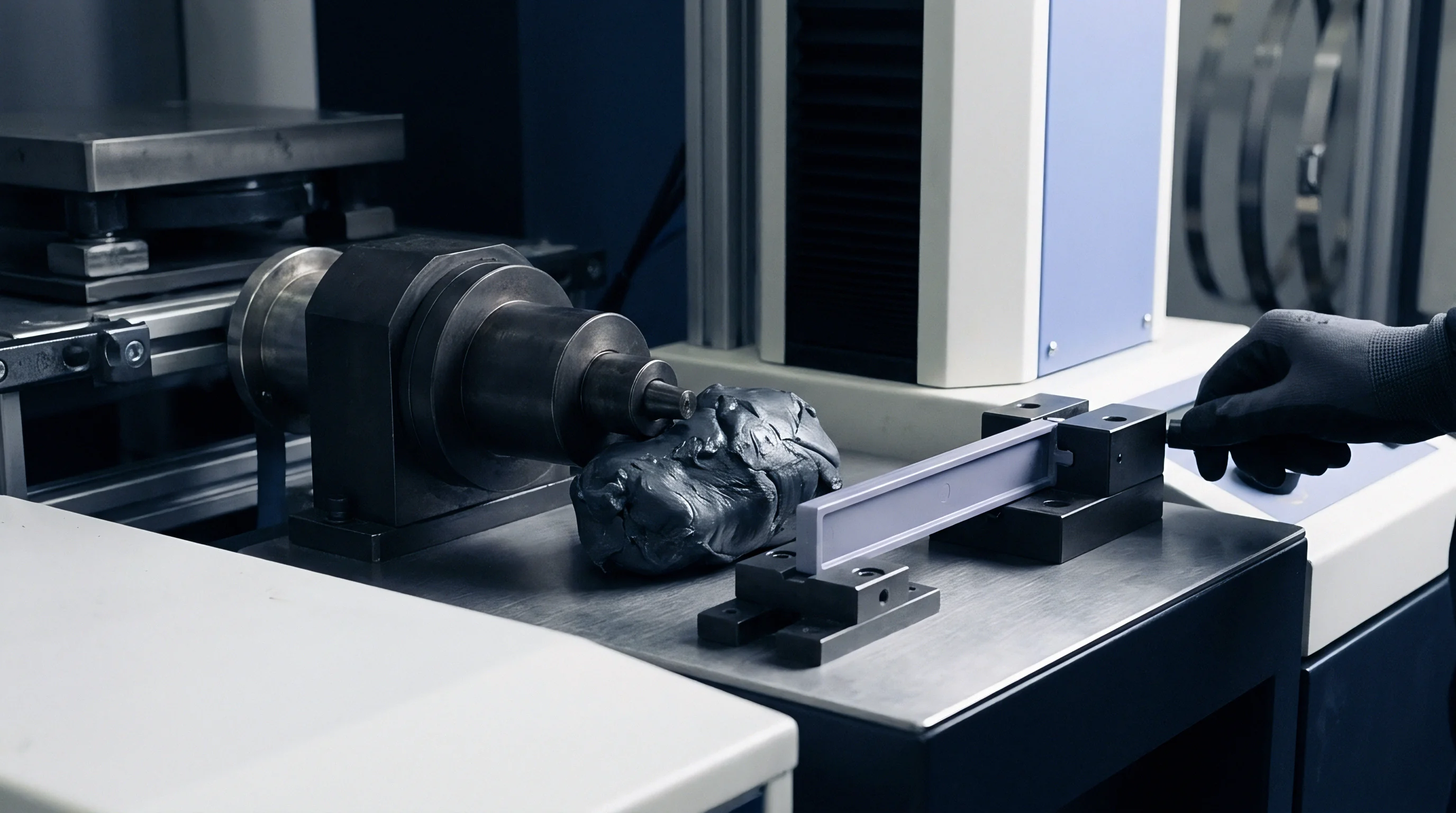
Extensional viscosity measures a polymer melt’s resistance to stretching flow. Standard rotational shear viscosimeter metrics fail to predict sheet behavior during biaxial draw. Semi-crystalline resins exhibit strain hardening, where extensional viscosity rises steeply above the linear viscoelastic envelope at high accumulated strains.
Strain hardening stabilizes inflation by distributing strain evenly across the sheet surface. Linear polypropylene grades lack this behavior, thinning rapidly at localized hot spots during inflation.
Molecular weight distribution and long-chain branching govern extensional melt strength. High-melt-strength polypropylene incorporates long-chain branches onto the linear backbone through controlled irradiation or reactive extrusion. Entanglements between branches resist chain disentanglement during rapid biaxial draw.
The Trouton ratio, comparing zero-shear extensional viscosity to shear viscosity, exceeds four in branched architectures during extension. This elevated ratio prevents strain localization, allowing deep-draw containers to maintain uniform side-wall dimensions.
When Does Strain Hardening Prevent Localized Necking?
Strain hardening arrests necking when the transient extensional viscosity growth rate exceeds the geometric thinning rate of the stretching sheet. As a thin area stretches faster, local stress rises. High transient viscosity increases local resistance, forcing adjacent thicker sheet regions to deform instead.
This self-repairing mechanism ensures uniform wall thickness across draw ratios exceeding five to one.
Crystalline phase dynamics alter the extensional response during stretching. As polymer chains align under extension, melting points shift upward, triggering strain-induced crystallization. Translucent homopolymer polypropylene develops high clarity when drawn in the solid-phase temperature window between alpha-relaxation and peak melting.
Polymer crystals act as physical crosslinks, elevating transient modulus and stabilizing thin walls against pneumatic pressure spikes.
High-melt-strength polypropylene displays a Trouton ratio above six at true strains exceeding two.
Process windows for semi-crystalline sheet forming require controls over specific molecular failure mechanisms during biaxial extension:
- Melt Ductility Collapse occurs when sheet temperature drops below the alpha-transition point, forcing brittle crystal fracture rather than ductile chain disentanglement.
- Thermal Necking Failure arises when radiant heater banks create localized temperature variations exceeding three degrees Celsius across the web surface.
- Cohesive Web Tear develops when stretch speed exceeds the maximum molecular disentanglement rate of high molecular weight species.
- Spherulite Interface Decoupling happens when coarse crystalline structures detach under rapid extension, forming internal voids and optical haze.
Determining the exact structural transition point between strain-induced crystallization and melt relaxation remains difficult due to high optical attenuation inside high-speed press cavities.

Plug
Prestretch mechanics rely on mechanical contact to distribute sheet material before pneumatic inflation. Contact between the cold polymer web and the assist tool alters local temperature and friction. Unheated aluminum tools draw heat from the sheet, raising local extensional viscosity and freezing thickness in the central web region.
Syntactic foam materials minimize thermal transfer, permitting uniform sheet extension around the tool tip during deep insertion.
Friction forces govern material displacement during prestretch. High friction locks the web against the tool nose, preventing material from moving into side-wall regions and leaving excess mass at the container base. Low friction allows the sheet to slide off the tool tip prematurely, thinning the center floor section.
Standard production lines use coated syntactic foams or textured polyether ether ketone tool caps to keep static friction coefficients between 0.15 and 0.25 under continuous operating conditions.
| Plug Material Grade | Thermal Conductivity (W/m·K) | Dynamic Friction Coefficient | Base Wall Thickness (mm) | Corner Thickness Variation (%) |
|---|---|---|---|---|
| Uncoated Aluminum 6061 | 167.00 | 0.45 | 1.20 | 38.5 |
| Syntactic Foam Grade A | 0.12 | 0.22 | 0.65 | 11.2 |
| PTFE-Coated Syntactic Foam | 0.15 | 0.12 | 0.42 | 22.4 |
| Anodized Aluminum with Heater | 120.00 | 0.30 | 0.85 | 18.0 |
Tool drive kinematics dictate material distribution profiles inside deep-draw cavities. Servo-driven actuators provide independent velocity control across the insertion stroke, matching plug speed to polymer relaxation time. Accelerating the insertion stroke mid-cycle forces material into lower container corners before sheet cooling limits stretch capacity.
Pneumatic cylinders cannot adjust speed dynamically, leading to wall variation during shift temperature fluctuations.
- Preheat syntactic assist tools to eighty degrees Celsius using internal cartridge heaters prior to starting a production run.
- Measure sheet surface temperature using calibrated dual-wavelength infrared pyrometers before assist tool entry.
- Advance the tool at one point two meters per second to ninety percent of maximum cavity depth.
- Apply primary inflation air pressure at two bar while holding the tool at bottom dead center.
- Retract the tool at two meters per second while ramping secondary inflation pressure to six bar.
ISO 1133 test standards require melt mass-flow rate reporting under specified temperature and load conditions.
Poor part clarity stems from resin grade variance or from incorrect tool tip temperature control and friction selection.
Gage
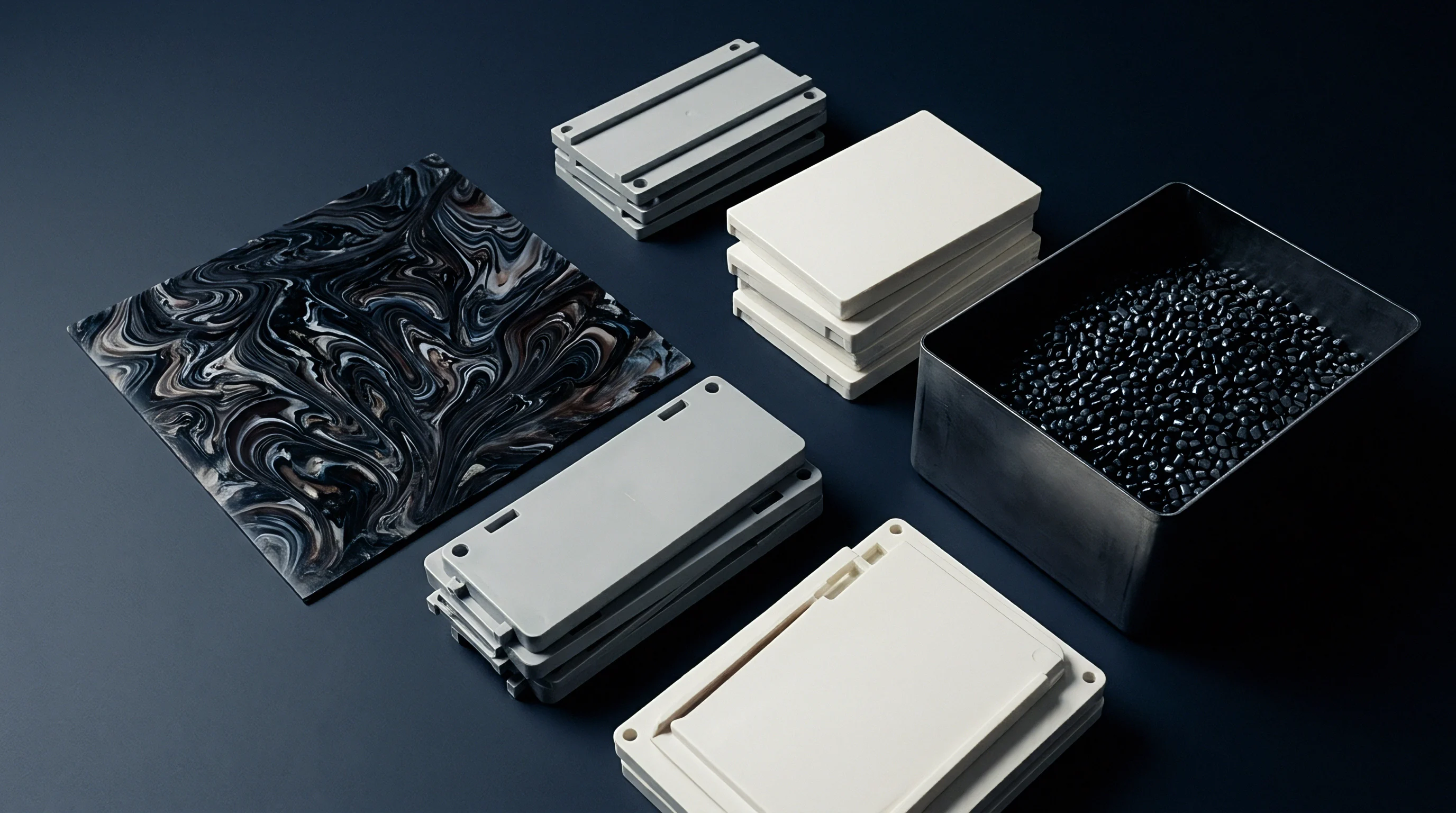
Dimensional verification of biaxially stretched sheets requires non-contact thickness measurement across drawn profiles. Ultrasonic gaging measures wall thickness with sub-micron repeatability, mapping geometry across deep-draw corners. Polarized light imaging detects residual stress fields, revealing orientation gradients created by asymmetric stretching.
Areas showing high birefringence correlate with elevated frozen-in orientation, predicting anisotropic thermal shrinkage during retorting or hot-filling.
Consider a semi-crystalline polypropylene sheet drawn into a rectangular tray with a draw ratio of four to one. Starting with an initial sheet thickness of one point five millimeters, isotropic extension yields a nominal side-wall thickness of zero point three seven five millimeters. Processing a linear resin grade without strain hardening causes wall necking, reducing corner thickness to zero point one two millimeters.
Switching to a long-chain branched grade with an extensional strain hardening exponent of one point eight raises minimum corner thickness to zero point two eight millimeters under identical temperature conditions. This structural change saves resin mass while maintaining top-load strength requirements.
Orientation measurement via Fourier-transform infrared spectroscopy isolates crystalline orientation from amorphous orientation. The Hermans orientation function quantifies chain alignment relative to draw directions. High crystalline alignment along draw axes increases tensile modulus, improving container stacking strength.
Unbalanced orientation causes post-moulding warpage when parts cool below ambient storage temperatures.
- Optical Retardation Analysis mapping birefringence patterns across drawn corner radii under polarized light.
- High-Frequency Ultrasonic Scanning verifying continuous wall thickness profiles without destroying sample parts.
- Differential Scanning Calorimetry measuring residual crystallinity changes induced by rapid biaxial extension.
- X-Ray Pole Figure Analysis determining crystalline plane orientation factors inside high-stretch sidewall sections.
Orientation gradients directly control anisotropic shrinkage in thermoformed semi-crystalline sheets.
According to DIN 16742 Group 130 tolerances, wall thickness variation across deep-drawn semi-crystalline containers must stay within plus or minus eight percent of nominal drawing dimensions to pass quality sign-off.
Yield
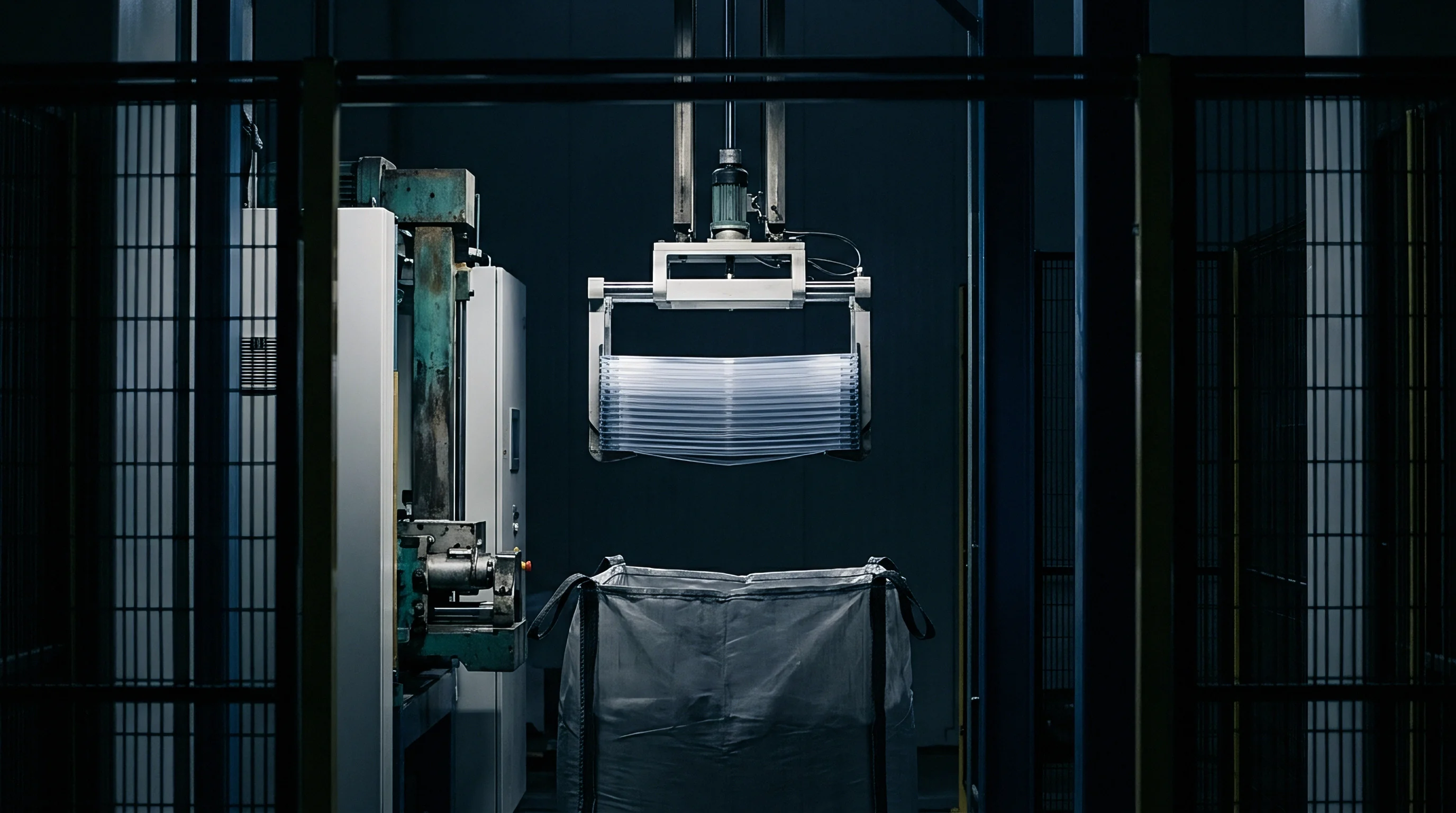
Process economics depend on optimizing sheet thickness while minimizing scrap. Overspecifying incoming sheet thickness compensates for poor biaxial extensional performance, adding resin cost to every unit. Resin represents seventy percent of total unit cost in high-volume packaging production.
Upgrading to high-melt-strength resin formulations increases raw material cost per kilogram, but permits a twenty percent reduction in sheet thickness without compromising container top-load limits.
| Resin Grade Type | Sheet Thickness (mm) | Part Weight (g) | Annual Resin Cost (USD) | Tooling Capital Amortization (USD) |
|---|---|---|---|---|
| Standard Linear PP | 1.40 | 18.2 | 546,000 | 0 |
| Branched HMC-PP | 1.10 | 14.3 | 457,600 | 15,000 |
| Blended High-Melt-Strength PP | 1.20 | 15.6 | 483,600 | 8,000 |
Machine output rates depend on sheet heating efficiency and cooling cycle duration. Thinner sheets absorb thermal energy faster in infrared heating zones, shortening cycle times and increasing hourly container output. High-speed thermoforming lines running optimized semi-crystalline web reach forty cycles per minute on multi-cavity tooling.
Maintaining stable sheet transport tension prevents web sag during heating, eliminating thickness variation caused by uneven distance to radiant heating elements.
Scrap re-grind integration alters extensional rheology in subsequent production runs. Thermal degradation during extrusion reduces molecular weight, lowering extensional viscosity and strain hardening response. Scrap loading above twenty percent causes noticeable web sagging during transit through heating stations, forcing operators to reduce web speed or lower heater temperatures.
Monitoring melt flow index across raw material lots maintains stable inflation windows across long production runs.
Capital investment in servo-driven assist tooling recovers costs within six months on high-volume packaging lines. Precise position control eliminates material waste at corner junctions, allowing downgauging across product families. Sourcing managers evaluate resin extensional property data alongside tooling capabilities to set landed part pricing before signing production contracts.