Meaning
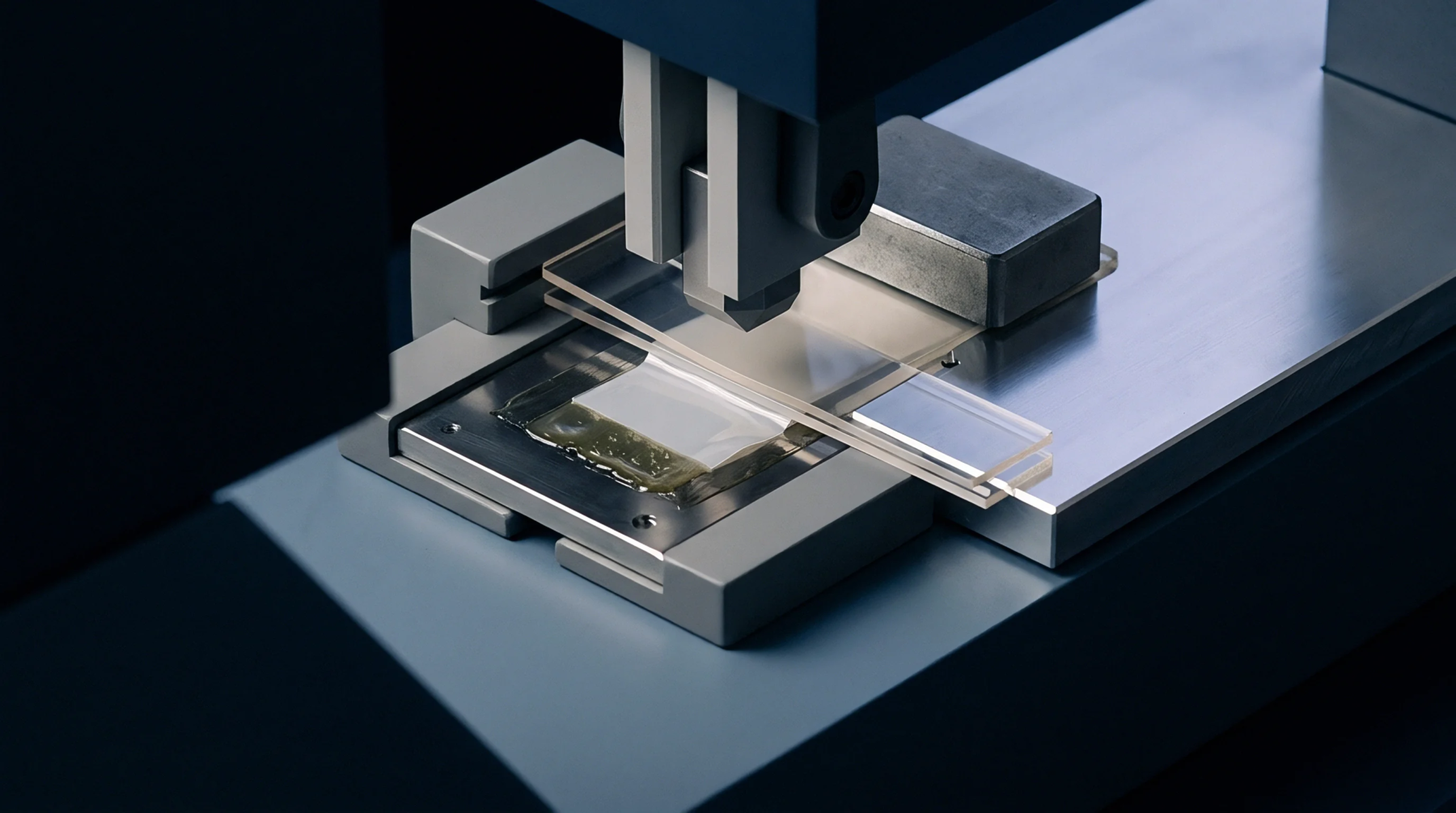
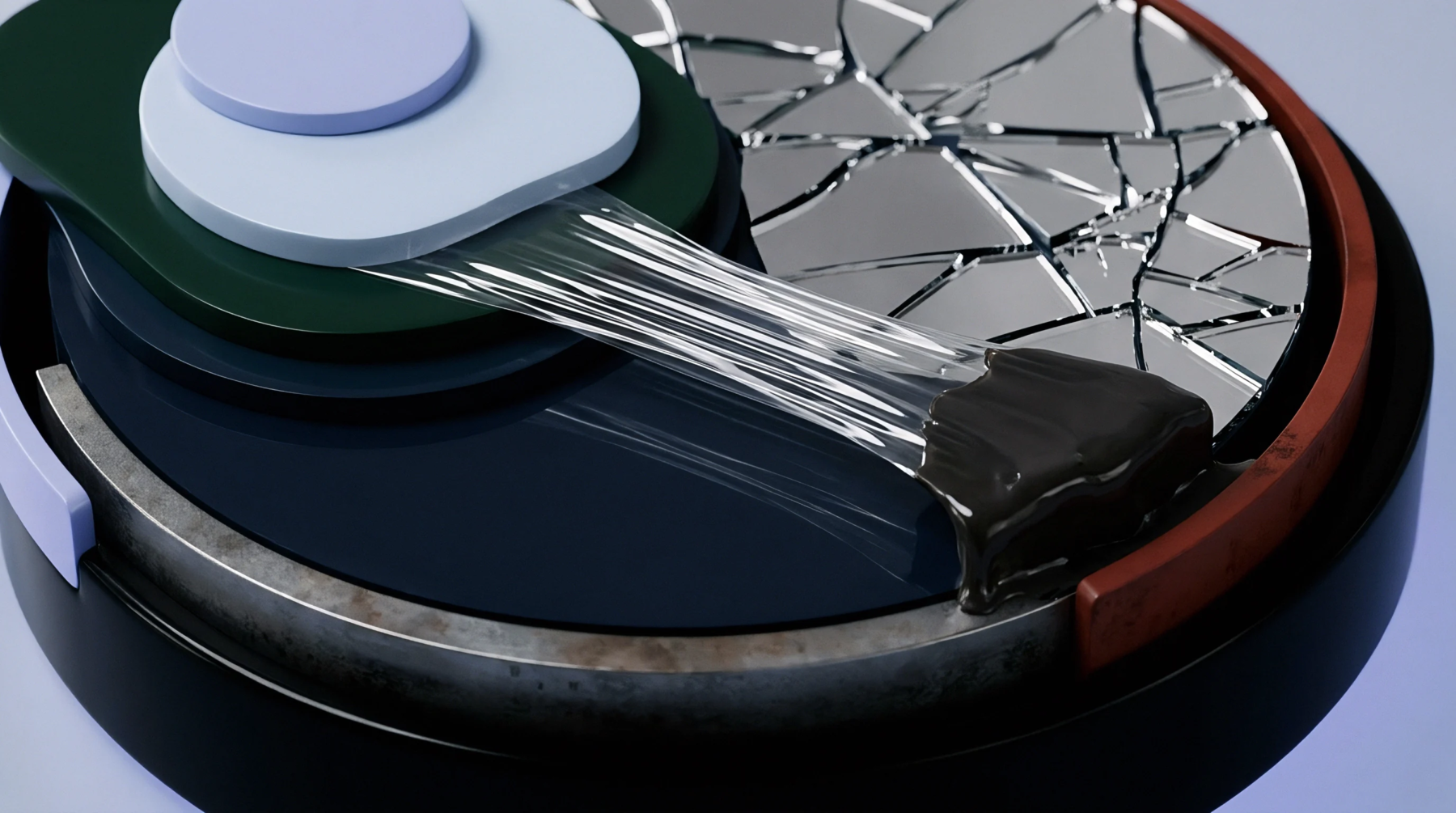
Strain induced crystallization is a polymer processing phenomenon wherein molecular chains align under mechanical tension to form ordered crystalline lamellae from an amorphous melt or solid. This structural transformation governs tensile strength, barrier properties, and dimensional stability in semi-crystalline thermoplastics during stretch blow moulding, fiber drawing, and film orientation. The boundary of this mechanism lies below the glass transition temperature where chain mobility ceases, preventing molecular rearrangement regardless of applied stress.
Thermal Window
Stretch blow moulding machines regulate preform temperature within a narrow band above the glass transition to promote molecular ordering during core rod extension. Tooling engineers specify heater bank zones to eliminate thermal gradients across the parison wall before the stretch rod descends. Insufficient preform conditioning suppresses crystalline nucleation, yielding low burst resistance and high container creep under carbonated pressure.
Shear Rate
Injection moulding barrel profiles generate localized velocity gradients that stretch polymer coils near cavity walls during the filling phase. High injection velocities accelerate chain extension, triggering premature nucleation ahead of the main thermal cooling front. Uncontrolled high shear rates cause jetting and surface delamination, while deficient shear reduces part stiffness by failing to develop oriented lamellae in thin-walled packaging.
Material Economics
Virgin resin grades exhibit predictable molecular weight distributions that facilitate uniform crystal growth under tensile loads during extrusion blow moulding. Regrind incorporation introduces chain scission and viscosity drops, altering the stress thresholds required to initiate molecular alignment during high-speed drawing. Moulders adjust clamp tonnage and stretch ratios to compensate for regrind batch variability, maintaining acceptable burst pressure limits without exceeding machine capacity.