Pressure Induced Co Crystallization Kinetics of Secondary Amides in Metallocene Polyethylene Heat Seals
Compressive jaw pressure forces secondary amides to co-crystallize with metallocene polyethylene, locking slip additives and elevating post-seal friction.
Kinematics
During flexible packaging sealing, thermal energy transfer causes rapid structural realignments in metallocene polyethylene films. Because single-site metallocene catalysis yields narrow molecular weight distributions and uniform short-chain branching, these resins crystallize faster than conventional broad-distribution polymers. When the heat seal jaws engage, thermal and mechanical stress hit the polymer matrix simultaneously, causing secondary amides ~ chosen as slip additives for their low volatility and high thermal stability ~ to shift dynamically within the compressed melt zone.
Melt Crystallization under Compressive Shear
Cooling from a molten state while mechanically confined changes how polymer chains align into folded lamellae. Sealing pressure reduces the free volume of the amorphous phase, raising the equilibrium melting temperature according to Clausius-Clapeyron relationships. Secondary amides like stearyl erucamide and behenyl erucamide have aliphatic tails longer than thirty carbon atoms, which fit neatly into the inter-lamellar amorphous regions of linear low-density polyethylene during unconstrained cooling.
Under applied pressure, however, the kinetic driving force for crystallization increases sharply.
Compressive stress forces secondary amide molecules to interact with growing polyethylene lamellae before phase separation can finish. Rather than migrating out to the surface, the additive co-crystallizes within the outer lamellar folds as pressure shifts the crystallization temperature. Trapped inside the primary crystal framework, less slip agent remains available to lubricate the surface once the film cools.
At 0.4 MPa clamp pressure and 125 °C dwell temperature, stearyl erucamide lowers the half-time of metallocene polyethylene crystallization from 4.2 seconds to 1.8 seconds.
Differential scanning calorimetry under elevated hydrostatic pressure confirms this faster kinetics. Standard ambient cooling traces measured per ISO 11357-3 show a single primary crystallization peak for metallocene hexene copolymers at 108 °C. At 0.5 MPa applied pressure, crystallization onset shifts up by 4.2 °C, and total enthalpy increases by 6 J/g. The uniform lamellar thickness stemming from narrow branching distributions lets metallocene polyethylene readily incorporate secondary amide aliphatic tails during this brief nucleation window.
| Resin Grade Density (g/cm³) | MFR 190°C 2.16kg (g/10 min) | Slip Additive Mass Fraction (ppm) | Peak Tc at 0.1 MPa (°C) | Peak Tc at 0.5 MPa (°C) | Half-Time t1/2 at 0.5 MPa (s) |
|---|---|---|---|---|---|
| 0.902 | 1.0 | 1200 Stearyl Erucamide | 98.4 | 103.1 | 1.4 |
| 0.912 | 1.0 | 1200 Stearyl Erucamide | 104.2 | 108.8 | 1.8 |
| 0.918 | 2.0 | 1500 Behenyl Erucamide | 108.1 | 112.5 | 2.1 |
| 0.927 | 1.0 | 1000 Erucamide Control | 114.5 | 117.2 | 3.5 |
Secondary Amide Partitioning at Lamellar Interfaces
Substituted fatty acid derivatives with higher molecular weights migrate more slowly than primary additives. Primary erucamide diffuses quickly through amorphous channels thanks to its smaller mass and tight cross-sectional radius. Secondary amides, carrying bulkier hydrocarbon groups on both sides of the central carbonyl group, experience steric hindrance that slows baseline diffusion through solid polymer.
When sealing pressure forces rapid co-crystallization, these bulkier molecules lock into boundary domains right at the crystallite interfaces.
As secondary amides migrate into these interfacial domains, localized slip concentrations at the film boundary fall below what is needed to keep friction low. Converting operations that require low friction values suffer immediate friction spikes along heat-sealed pouch edges, frequently causing line jams in high-speed form-fill-seal machinery.
- Interfacial Slip Depletion occurs when pressure forces secondary amides into the lamellar core, cutting surface slip concentration by over sixty percent post-seal.
- Seal Layer Delamination stems from localized phase segregation of additive pockets at the seal interface, which weakens inter-diffusion bonding.
- Thermal Jaw Fouling occurs when un-entrapped primary slip volatilizes at jaw temperatures above 140 °C, leaving carbonized residue on sealing platens.
- Optical Haze Banding develops when pressure-induced crystallization forms additive domains large enough to scatter visible light across the seal rim.
Co-crystallization rates depend directly on how well the secondary amide’s alkyl chain length matches the average ethylene sequence length between short-chain branches. Metallocene catalysts produce precise hexene or octene branch spacing along the backbone; when the straight-chain segment of the amide aligns with ten to fourteen uninterrupted ethylene units, co-crystallization meets almost no thermodynamic resistance. This raises the question of how variations in heat-seal dwell time alter the proportion of amide molecules that end up co-crystallized at the seal interface.


Clamp
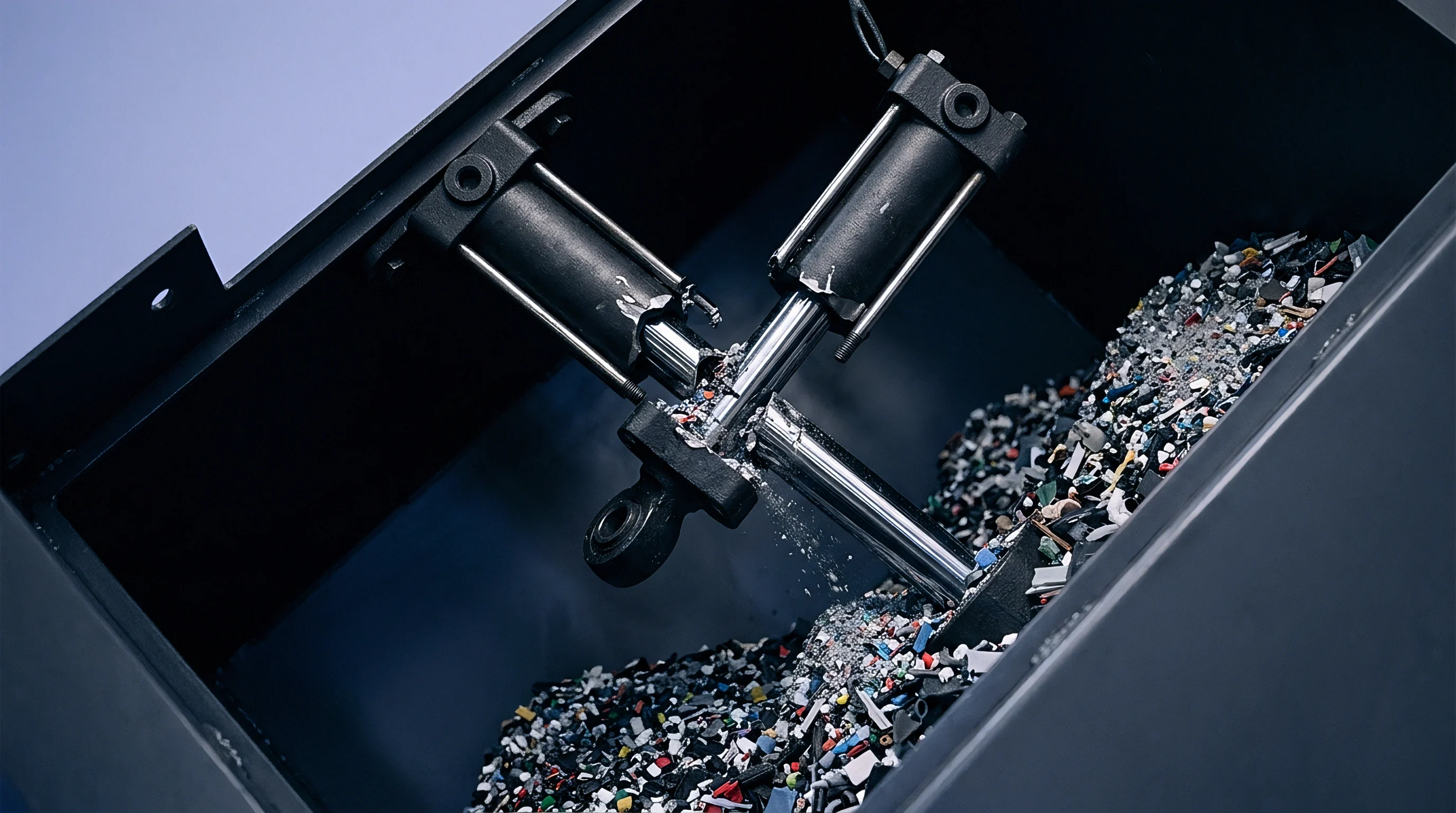
Mechanical seal jaws exert heavy localized forces across flexible packaging webs during thermal bonding. Bar geometry, platen alignment, and cylinder actuating force establish the boundary conditions of the seal zone. Because modern vertical form-fill-seal equipment operates with jaw dwell times under 0.4 seconds, thermal energy must transfer almost instantly through the outer barrier layers to the inner sealant interface.
Mechanical Energy Transfer across Polymer Interfaces
Applying force during heat sealing compresses the molten web and alters local kinetic energy profiles. Pressure squeezes out trapped air while forcing sealant layers into direct molecular contact. Under compressive stresses from 0.2 MPa to 0.8 MPa, molten metallocene polyethylene undergoes viscosity shifts, and reduced chain mobility pushes the resin’s relaxation time spectrum toward longer durations.
Secondary amides in the sealant layer respond directly to these stress gradients, which push additive molecules out of high-shear areas and into low-shear boundary regions within the seal bead. Because higher-density metallocene resins have less amorphous free volume between lamellae, mechanical pressure impacts additive phase separation much more strongly in denser grades.
Thicker film structures retain secondary slip additives inside amorphous domains when cooling rates exceed the migration rate of the amide molecule.
Cooling under active clamp pressure freezes the non-equilibrium distribution of secondary amides before molecular relaxation can take place. If the clamp opens while the internal interface is still above the crystallization temperature, the polymer relaxes quickly and drives secondary amides out to the web surface. Conversely, prolonged clamp contact below that crystallization threshold keeps additives locked inside the newly formed semi-crystalline network.

Dwell Pressure Impact on Additive Exclusion
Sustained jaw force compresses the free volume available inside amorphous resin domains. At atmospheric pressure, secondary amides separate from the cooling polyethylene matrix because their chemical potential in solid polymer exceeds solubility limits. Adding jaw pressure raises the chemical potential of the amorphous phase, driving either additive exclusion or co-crystallization depending on local cooling rates.
| Jaw Pressure (MPa) | Dwell Time (s) | Interface Temp (°C) | Kinetic COF ASTM D1894 | Seal Strength ASTM F88 (N/25mm) |
|---|---|---|---|---|
| 0.2 | 0.3 | 120 | 0.22 | 38.5 |
| 0.4 | 0.3 | 120 | 0.31 | 41.2 |
| 0.6 | 0.3 | 120 | 0.48 | 42.0 |
| 0.8 | 0.3 | 120 | 0.55 | 39.1 |
Heat sealing under excessive mechanical clamp pressure often compromises peel strength while leaving seal margins with elevated friction coefficients. Operating best practices call for reducing jaw pressure to the minimum threshold required for full surface compliance, preserving slip additive efficacy along converted package margins.


Phase
Solidification in narrow molecular weight distribution ethylene copolymers moves through distinct kinetic stages. Temperature gradients across the sealant film drive primary nucleation, followed by spherulitic lamellar growth. Secondary amides influence this transition, acting as plasticizers in the melt and as nucleating agents under specific thermal conditions.
Why Do Metallocene Resins Retain Secondary Amides?
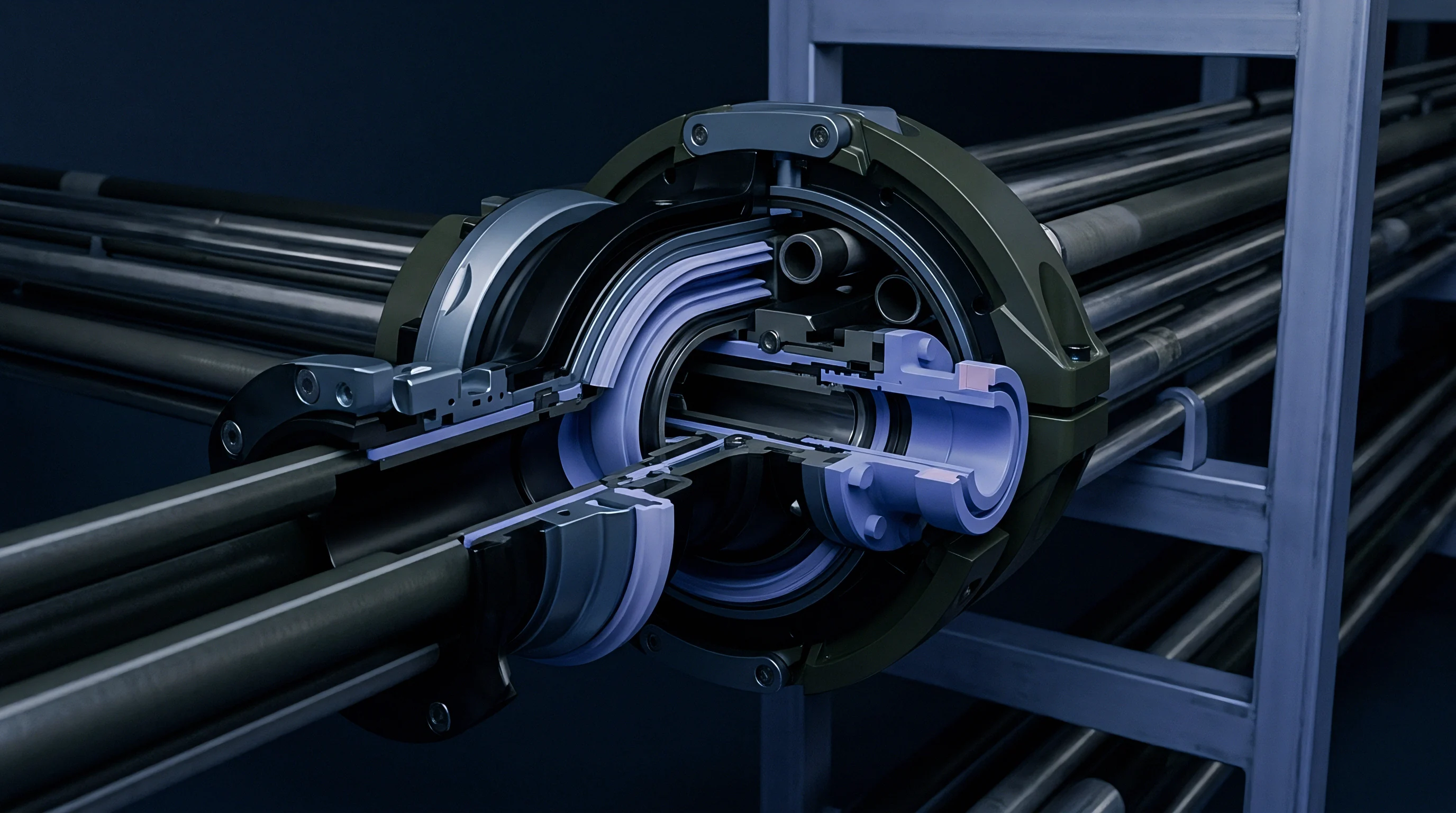
Ethylene copolymers made with single-site catalysts display uniform short-chain branching across all molecular weights. By contrast, conventional Ziegler-Natta LLDPE contains significant extractable, highly branched fractions alongside linear high-density chains, allowing secondary amides to settle preferentially into low-crystallinity zones. Lacking these highly amorphous pockets, metallocene resins force secondary amides into direct contact with uniform, crystallizable ethylene segments.
When temperatures drop under mechanical confinement, elevated pressure locks slip additives into place because matching ethylene sequence lengths in metallocene chains readily accept secondary amide tails into the growing crystallite lattice. Amide carbonyl and amine groups form intermolecular hydrogen bonds that align parallel to polyethylene lamellar folds, anchoring the secondary amides and preventing them from diffusing to the surface.
- High-pressure seal jaw closure forces molten metallocene polyethylene chains into parallel alignment.
- Secondary amide molecules align along the high-shear stress field created at the seal bar edge.
- Rapid heat extraction through the metal jaws initiates primary polyethylene nucleation at the interface.
- Secondary amides co-crystallize within expanding lamellar fronts before phase separation finishes.
- Trapped secondary amides remain in the cooled film, causing permanent slip agent depletion along the heat-seal line.
Cooling rates directly dictate slip mobility: when cooling exceeds 100 °C per second ~ typical of thin-film heat sealing ~ kinetic entrapment overrides thermodynamic phase separation. Slower cooling allows secondary amides to be rejected from growing crystallites into residual amorphous regions, eventually reaching the surface over a twenty-four-hour conditioning period.
Compliance with ISO 11357-3 heat flow calibration determines whether lot rejection claims hold valid standing during commercial disputes.
Morphological Segregation and Lamellar Thickness
Chain folding during rapid thermal quenching sets the core crystallite dimensions. High-resolution TEM combined with small-angle X-ray scattering shows that metallocene polyethylene lamellar thickness averages 8.5 nanometers for 0.912 g/cm³ density grades. Secondary amide molecules, measuring roughly 4.5 nanometers fully extended, fit within the inter-lamellar amorphous gaps or insert directly into lamellar defect zones.
Resin density governs phase segregation behavior. Lower densities offer higher short-chain branch frequencies that expand the amorphous volume, accommodating secondary amides without forcing co-crystallization. Above 0.918 g/cm³, reduced amorphous volume forces secondary amides into the crystalline phase at lower jaw pressures, causing severe loss of surface slip.
Setting process temperatures improperly leads to permanent surface changes that compromise packaging line efficiency.

Audit
Incoming polyolefin shipments require thorough lab evaluation before pneumatic transfer into storage silos. Standard certificate-of-analysis checks cover melt flow rate and total density, but miss slip additive blend ratios and secondary amide purity. Unannounced additive substitutions by resin compounders pose serious operational risks for high-speed converting and heat-sealing lines.
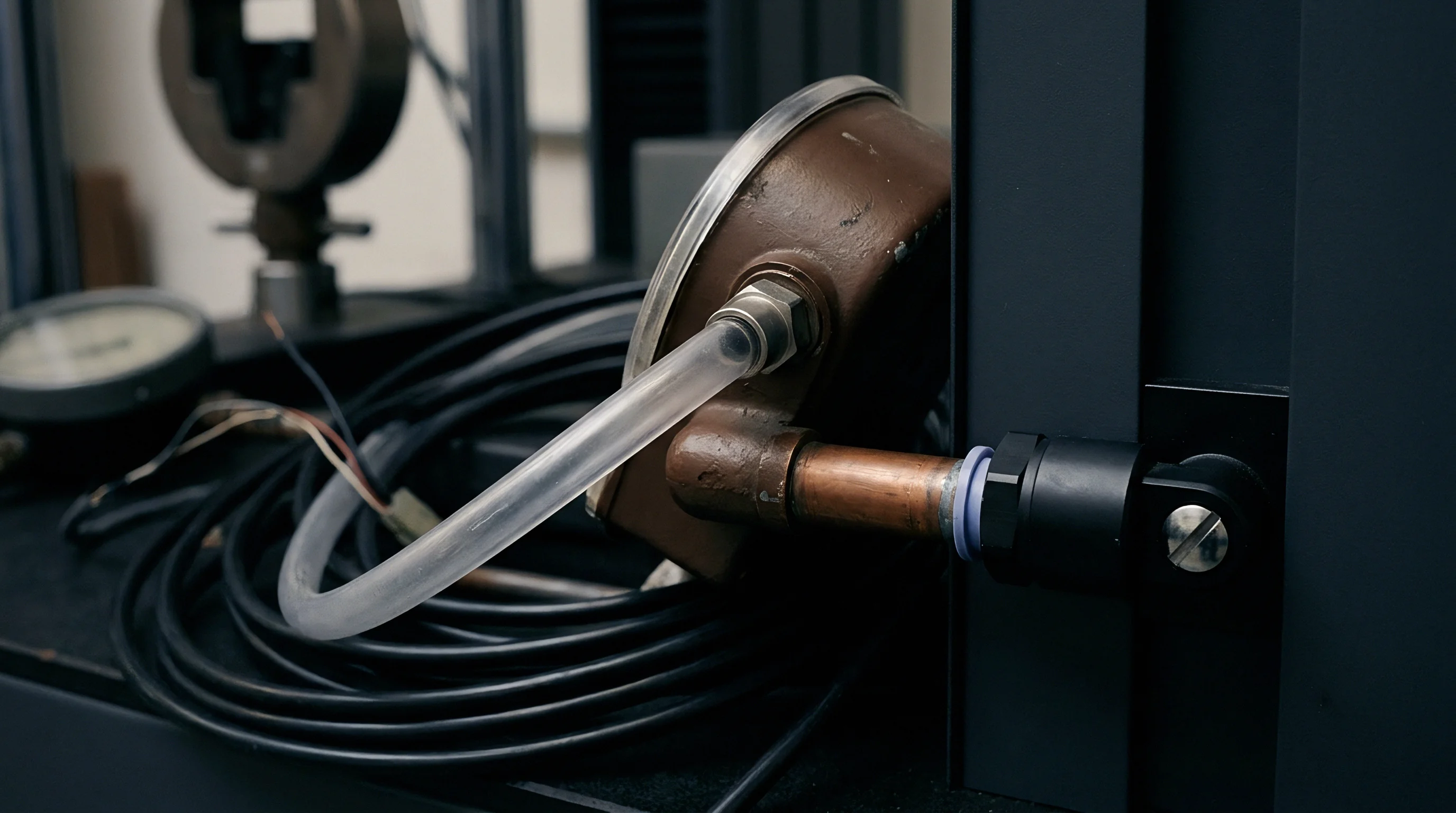
Incoming Resin Verification and Analytical Chromatography
Laboratory technicians test supplier lots for compositional compliance prior to blending. Gas chromatography coupled with mass spectrometry (GC-MS) isolates secondary amides from the polymer matrix. Standard extraction with boiling dichloromethane requires four hours of reflux to pull high-molecular-weight secondary amides like stearyl erucamide and behenyl erucamide from metallocene pellets.
Attenuated total reflectance Fourier transform infrared (ATR-FTIR) spectroscopy offers quick qualitative verification of functional groups on pellet surfaces. Primary amides display distinct double absorption peaks at 3350 cm⁻¹ and 3180 cm⁻¹ from asymmetric and symmetric N-H stretching. Secondary amides produce a single N-H stretch peak at 3300 cm⁻¹ alongside a secondary amide II band at 1550 cm⁻¹.
Differential scanning calorimetry traces run on raw pellets highlight secondary peak shoulders formed by pre-existing amide crystal aggregates. Quantitative testing confirms whether resin lots contain the exact additive concentrations required for high-pressure converting operations.
Extraction Protocols for High Mass Amides
Solvent extraction isolates low-concentration additives from solid polymer matrices. Dissolving three grams of polymer pellets in hot xylene followed by methanol precipitation leaves high-molecular-weight secondary amides in the filtrate. Evaporating the liquid allows chromatographic quantification of additive fractions down to ten parts per million.
- Gas Chromatography Extraction specifies the solvent reflux duration and column selection required to quantify high molecular mass secondary amides.
- Differential Scanning Calorimetry Trace captures subtle endothermic melting events tied to additive co-crystallization or phase separation.
- Dynamic Coefficient Testing measures static and kinetic friction values on converted web surfaces per ASTM D1894 standard conditions.
- Fourier Transform Spectroscopy verifies functional group spectra to distinguish primary erucamide from high-stability secondary amide formulations.
Secondary amide additions are often expected to maintain uniform performance across standard heat sealing pressure profiles, but field evidence shows this holds true only under ambient pressure cooling, failing when automated jaws exert compressive forces above 0.4 MPa.
Outlay
Specifying specialized slip packages changes raw resin pricing and impacts downstream operational costs. Base metallocene ethylene-hexene copolymers trade at spot prices tied to regional ethylene monomer indexes and energy surcharges. Using secondary amides instead of standard primary erucamide adds a material premium reflecting higher synthesis costs and lower compounding yields.

Pellet Pricing Adjustments for High Stability Slip Packages
Commercial suppliers charge extra for non-migratory additive formulations. Primary erucamide adds roughly twenty to thirty US dollars per metric tonne to resin base prices, whereas secondary amides ~ requiring two-step synthesis from refined fatty acid feedstocks ~ add eighty to one hundred twenty US dollars per metric tonne. Purchasing departments weigh this up-front premium against potential line efficiency gains during high-temperature packaging runs.
Choosing cheaper primary slip formulations can quickly drive up scrap rates through seal jaw fouling, frequent shutdowns for platen cleaning, and thermal degradation haze. Secondary amides remain thermally stable up to 280 °C during film extrusion, preventing slip oxidation and smoking in conversion facilities.
| Resin Grade Specification | Additive Package Type | Base Pellet Price (USD/tonne) | Additive Surcharge (USD/tonne) | Delivered Scrap Cost (USD/10k m²) |
|---|---|---|---|---|
| mPE 0.902 Density / MFR 1.0 | Standard Erucamide 1000ppm | 1420 | 25 | 310 |
| mPE 0.902 Density / MFR 1.0 | Stearyl Erucamide 1200ppm | 1420 | 95 | 85 |
| mPE 0.912 Density / MFR 1.0 | Behenyl Erucamide 1200ppm | 1380 | 110 | 62 |
| mPE 0.918 Density / MFR 2.0 | Erucamide / Secondary Blend | 1340 | 65 | 175 |
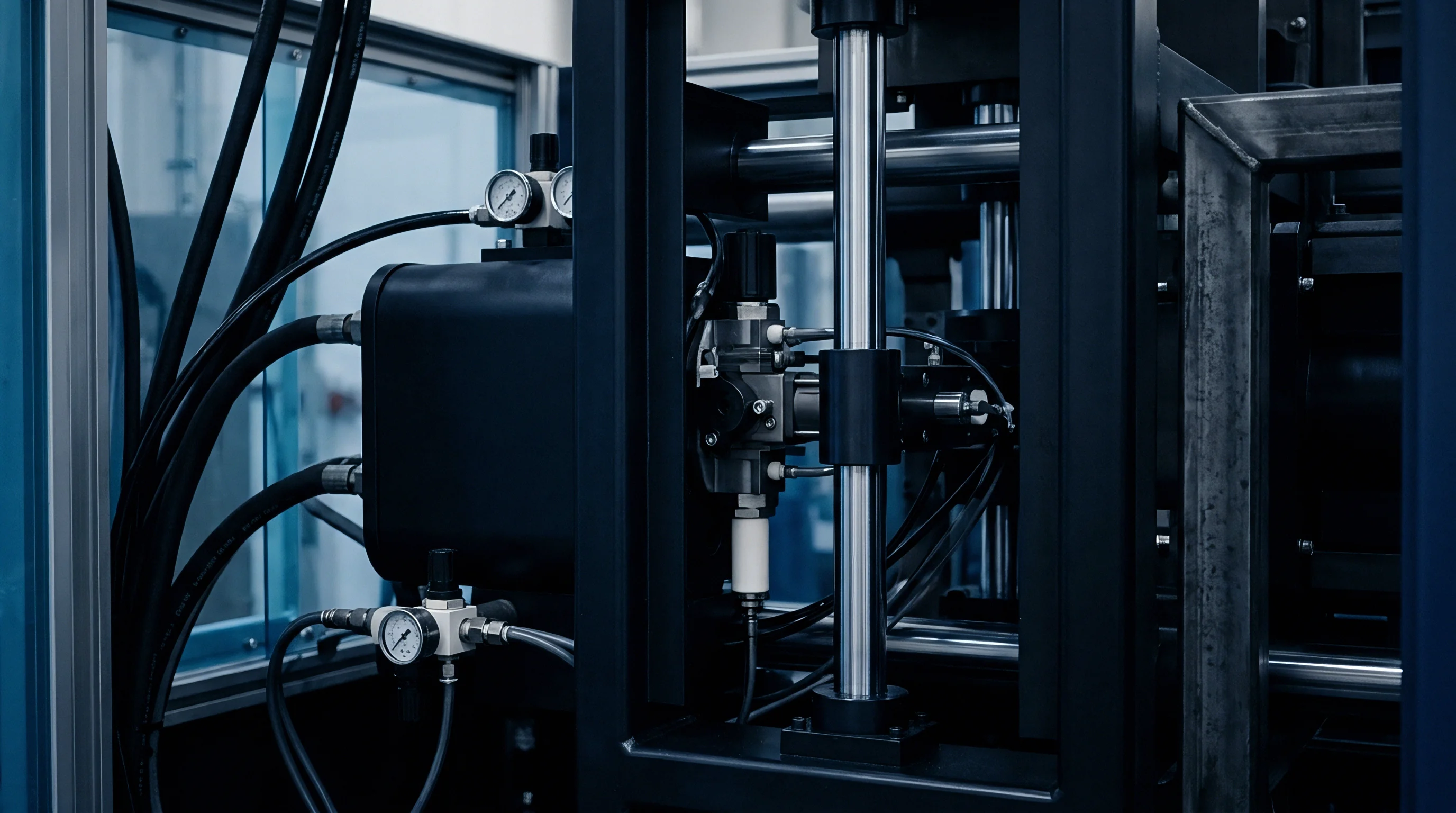
Delivered Cost Analysis across Converter Specifications
Overall expenditure depends on both resin purchasing terms and processing yield. High-speed pouch lines running at four hundred units per minute lose money rapidly when seal jaw pressure spikes cause slip co-crystallization, driving kinetic COF above 0.45. High friction disrupts web tracking, forcing shutdowns that cost over two thousand dollars per hour in lost capacity.
Optimized procurement contracts set clear secondary amide concentration targets and strict performance tolerances under high clamp pressure. Standard terms mandate that if converted material fails post-seal surface coefficient of friction testing under 0.5 MPa pressure, the supplier must issue full commercial credit adjustments for the affected resin lots.