Meaning
Standardized testing protocols define the procedures for measuring the frictional properties of plastic film and sheeting. A datasheet provides a baseline, but astm d1894 establishes the specific setup for a weighted sled moving across a stationary plane. The results indicate how a material interacts with itself or with stainless steel under controlled speed and temperature.
Measurement Variable
Kinetic and static friction values are the primary outputs of this procedure. High readings in astm d1894 suggest that a film will resist sliding through automated packaging equipment, leading to jams or uneven tension. This measurement identifies the threshold at which two layers of material begin to move and the force required to keep them moving.
Laboratory Consistency
Uniformity in testing depends on the preparation of the sample surface and the environment of the room. Small variations in humidity or slight contamination from skin oils can skew the astm d1894 results. A moulder relies on these values to predict how a roll of film behaves during unwinding.
Consistency ensures that the resin supplier and the converter are looking at the same performance data.
Equipment Specification
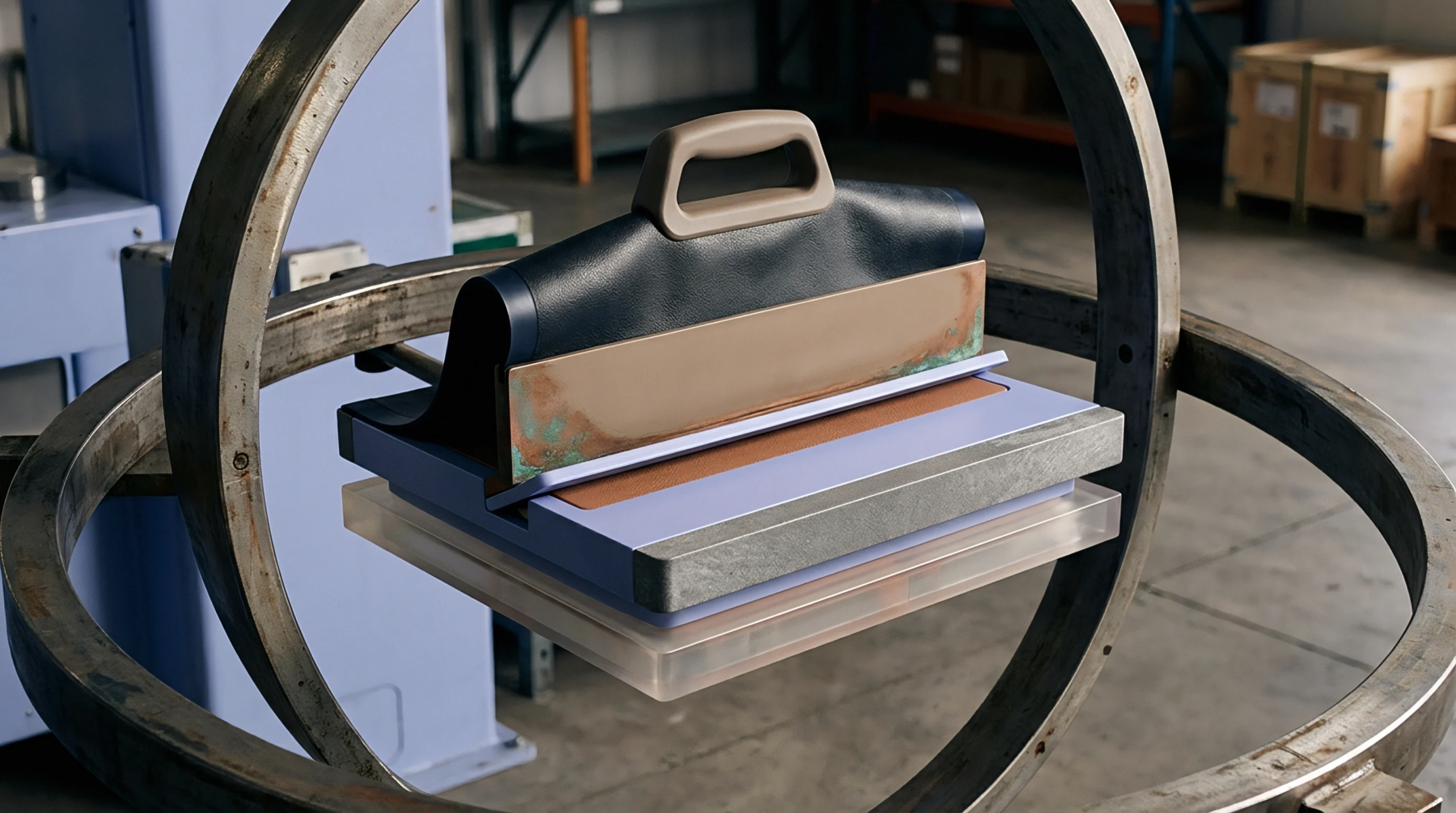
The physical hardware involves a horizontal test table and a drive mechanism that pulls the sled at a uniform rate. Proper calibration of the load cell ensures that the force recorded during an astm d1894 run is accurate.