Meaning
A mathematical probability function quantifies the duration individual fluid particles spend within a confined reaction vessel or flow channel before exiting the system. The residence time distribution describes the statistical spread of these durations across the entire volume of processed material. This model assumes a closed boundary where inputs undergo transformation through thermal or mechanical work before recovery occurs.
Engineers define the function by tracking a nonreactive tracer pulse injected at the inlet and measuring the concentration pattern observed at the discharge port. Ideal plug flow exhibits a sharp spike representing uniform transit, whereas backmixing leads to an elongated tail where particles exit far behind the mean transit period. High variance in this distribution indicates dead zones or stagnant material pockets that prevent consistent output properties.
Flow Variance
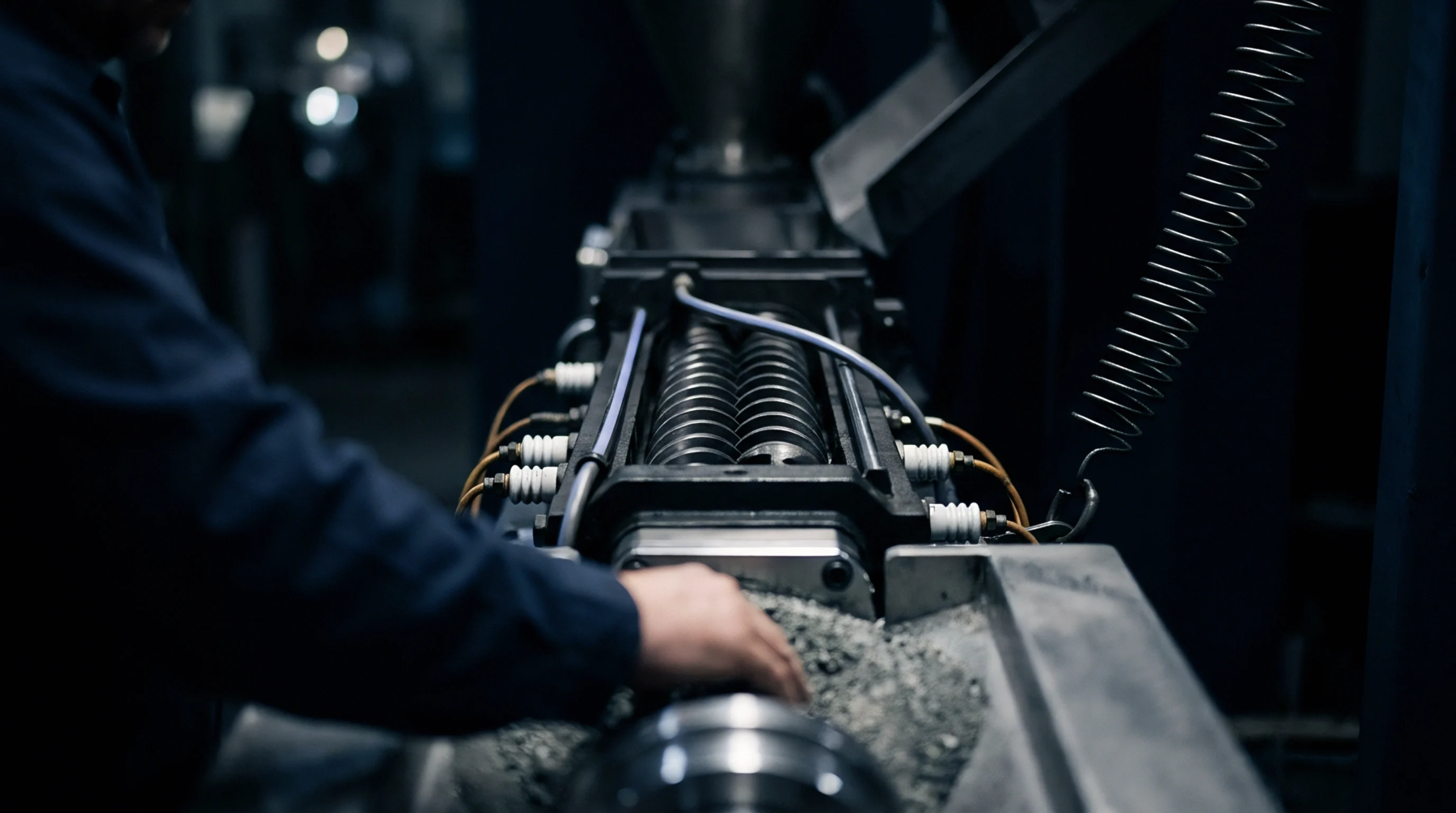
Different geometries dictate the specific behavior of polymer melts moving through an injection moulding barrel or extruder screw. A residence time distribution calculation identifies whether the molten resin experiences uniform shear and heat history during the transit period. Deviations from the target curve show that portions of the material stall against screw flights while other fractions travel through the center with excessive speed.
Practitioners monitor this phenomenon to prevent thermal degradation of sensitive resins or improper dispersion of pigments. Large variations in the observed transit times cause inconsistent mechanical properties in finished parts because the internal morphology depends on how long the plastic remains in the plasticized state.
Thermal Stability
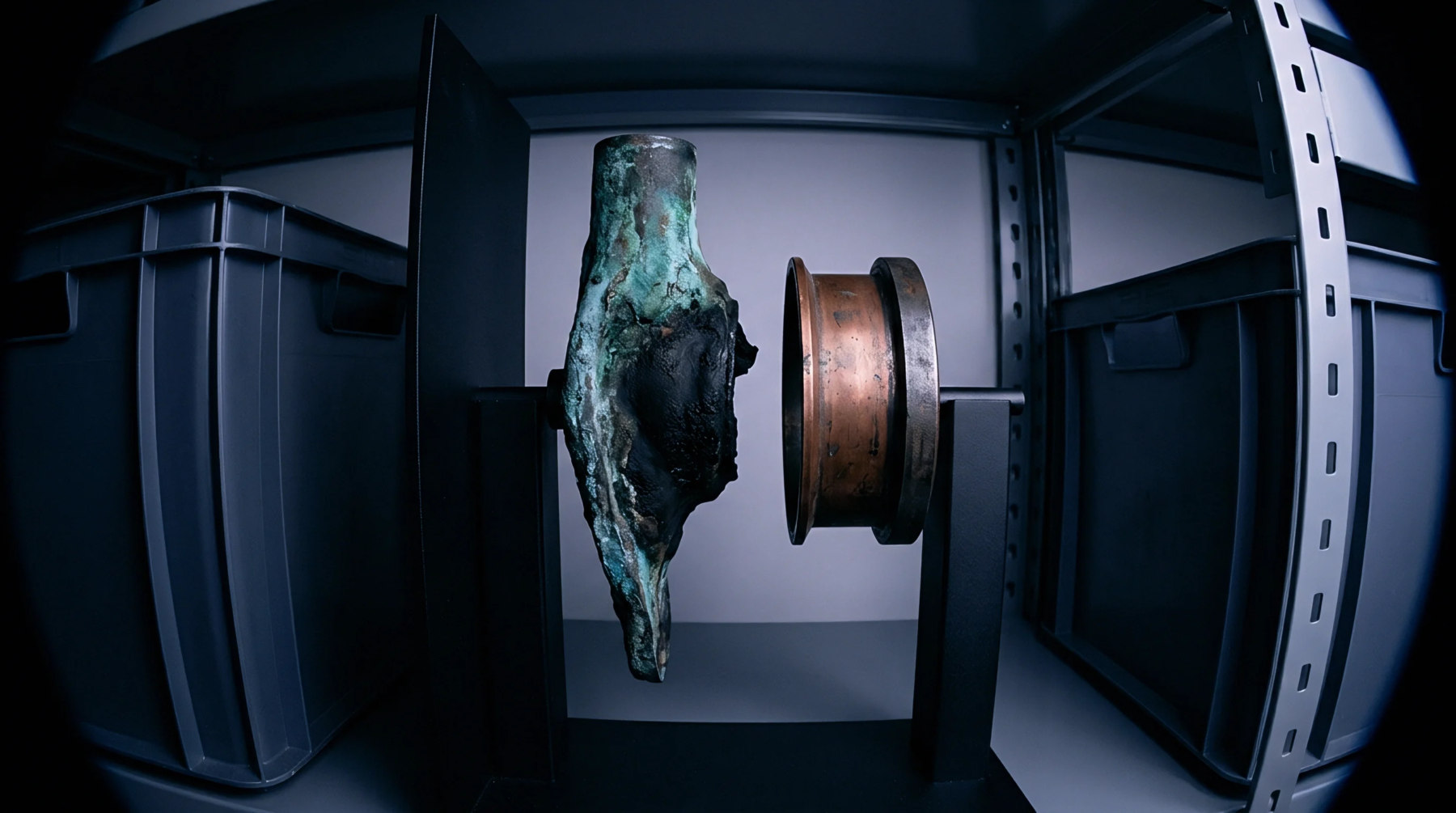
Processing requirements shift as heat sensitive resins demand precise control over the time spent at elevated temperatures to avoid molecular weight loss. The residence time distribution serves as the primary tool for verifying whether a barrel design maintains the integrity of high performance polymers. If the distribution spreads too wide, the material experiences localized overheating even if the barrel set points appear stable.
This condition leads to gas evolution and part discoloration which manifests as scrap at the end of the production line. Consistent output depends on tightening the spread of the distribution to ensure every pellet receives identical treatment.
Economic Optimization
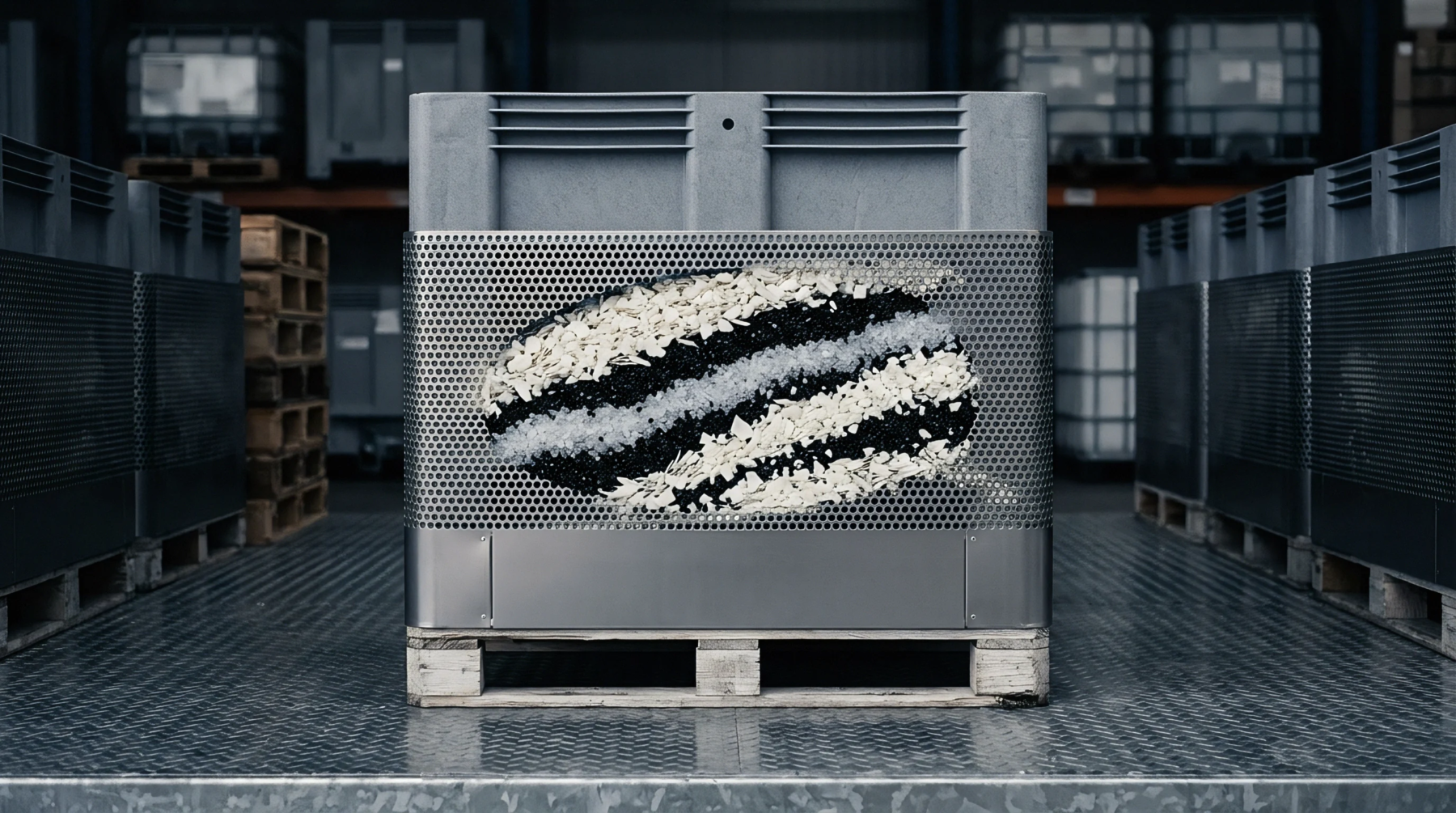
Regrind usage patterns change based on how the system handles the mixing of recycled flakes with virgin granules. Managing the residence time distribution allows for better utilization of regrind without compromising the structural requirements of the molded component. High levels of backmixing improve homogenization of the blend but increase the likelihood of material lingering long enough to lose its flow characteristics.
A narrow distribution profile permits a higher percentage of recycled content by minimizing the duration of heat exposure for the additive package. Maintaining a predictable flow path reduces the risk of batch to batch variability in high volume manufacturing settings. Controlling the exit pattern ensures that the final product meets all structural specifications within the allowed material cost structure.
Every injection cycle relies on the stability of this flow profile to deliver uniform quality parts.