Meaning
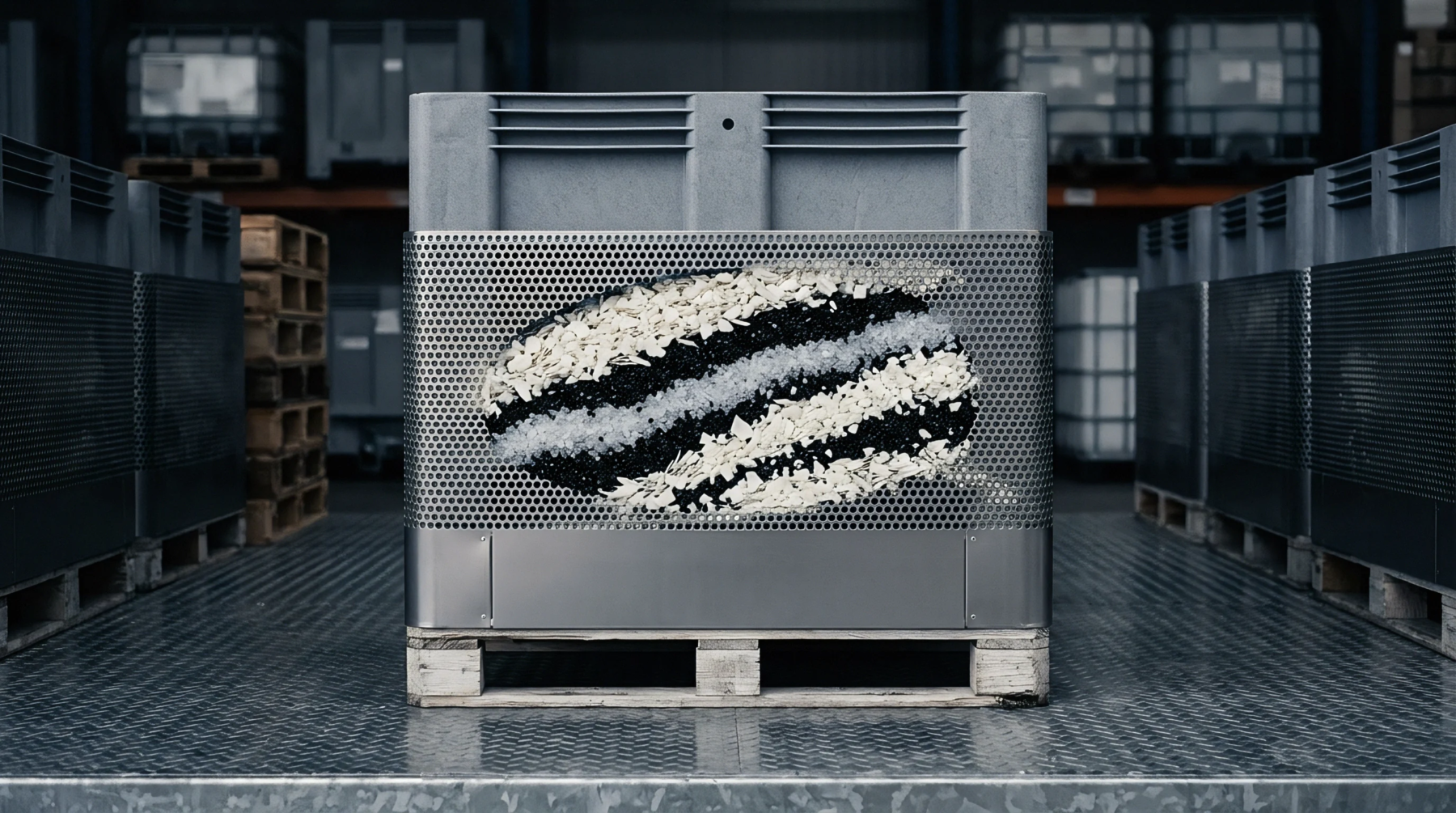
Mechanical recovery processes transform post-consumer and post-industrial blow molded containers back into re-usable plastic flakes and pellets. When processing milk bottles and detergent containers, high density polyethylene recycling relies on sorting and melt filtration to restore resin purity. The recycling process boundary terminates when melt degradation or cross-contamination renders recycled polymer unprocessable for target applications.
Polymer Sorting
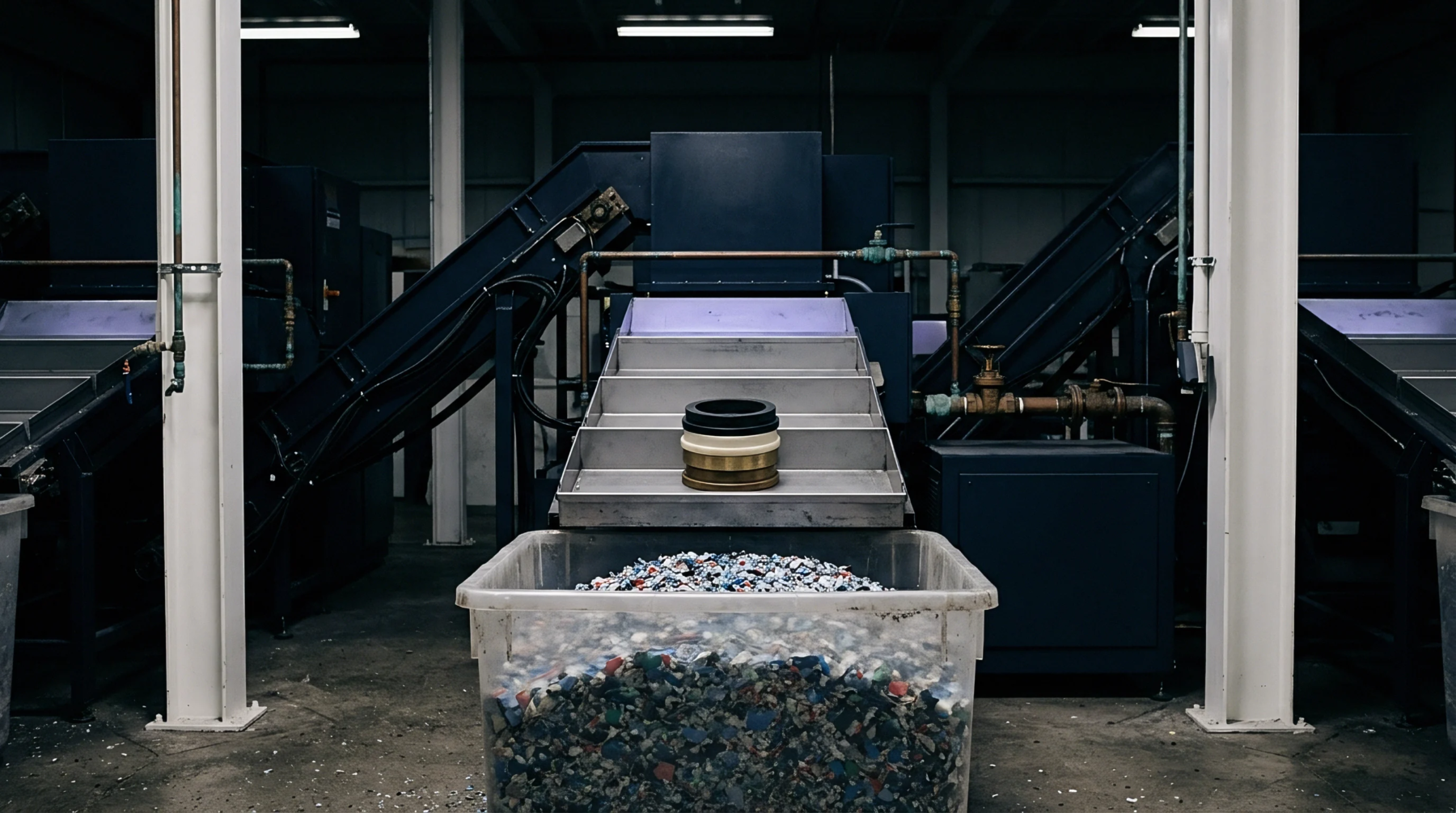
Automated near-infrared sorters separate container streams by polymer type and color before granulation. In post-consumer processing, high density polyethylene recycling requires strict removal of polypropylene caps and adhesive labels to prevent phase separation during subsequent molding. Washing steps employ hot caustic solutions to strip organic residues from flake surfaces.
Flake density separation tanks float polyethylene while sinking dense contaminants like polyvinyl chloride. Clean flakes undergo vacuum drying before melt pelletization.
Melt Filtration
Extrusion lines utilize continuous screen changers to capture un-melted rubber and aluminum particles. Within high density polyethylene recycling, fine mesh screens prevent nozzle clogging in downstream injection molding equipment.
Resin Economics
Recycled resin prices fluctuate based on virgin polymer market values and regulatory PCR mandates. Substituting recycled grades into blow molding applications lowers raw material costs but introduces melt flow index variations that demand active process adjustments. Moulders adjust wall thickness targets to compensate for lower environmental stress crack resistance in regrind blends.
Quality recycled pellets command premium pricing when supported by food contact clearance documentation.