
Determining Non Target Screening Thresholds for Recycled Polyolefins
Determining non target screening thresholds requires deriving analytical detection limits from toxicological thresholds divided by GC and LC response uncertainty factors.
Determining non target screening thresholds requires deriving analytical detection limits from toxicological thresholds divided by GC and LC response uncertainty factors.
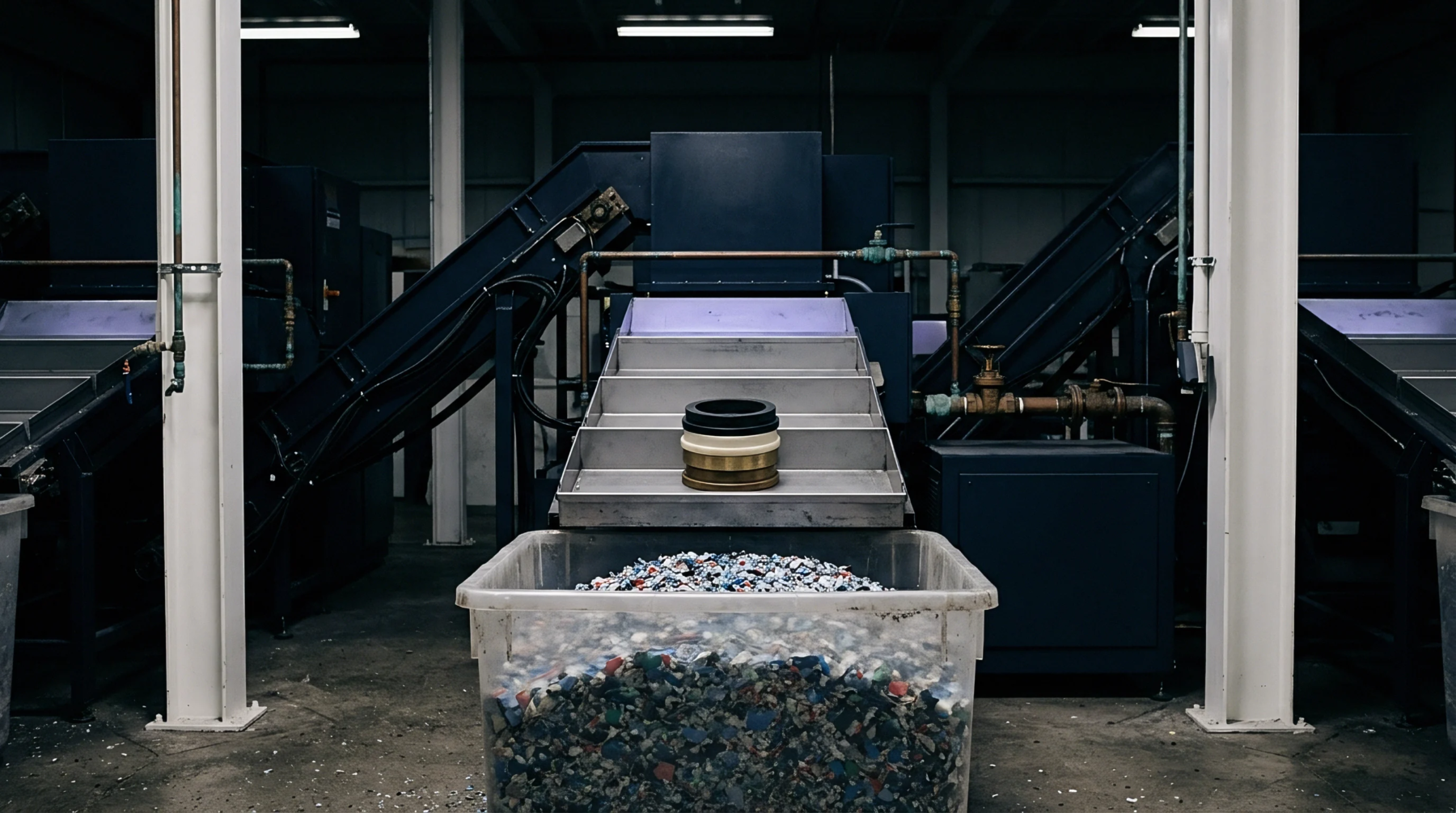
Surrogate selection for polyolefin challenge testing requires five distinct volatility and polarity classes to validate core matrix decontamination.
Post-consumer resin dossiers require dual GC-HRMS and LC-HRMS screening with response-factor modeling to establish NIAS toxicological thresholds below 10 ppb.
Apply 0.01 mg/kg food screening thresholds to non-target polyolefin extracts using high-resolution mass spectrometry and response factor uncertainty multipliers.
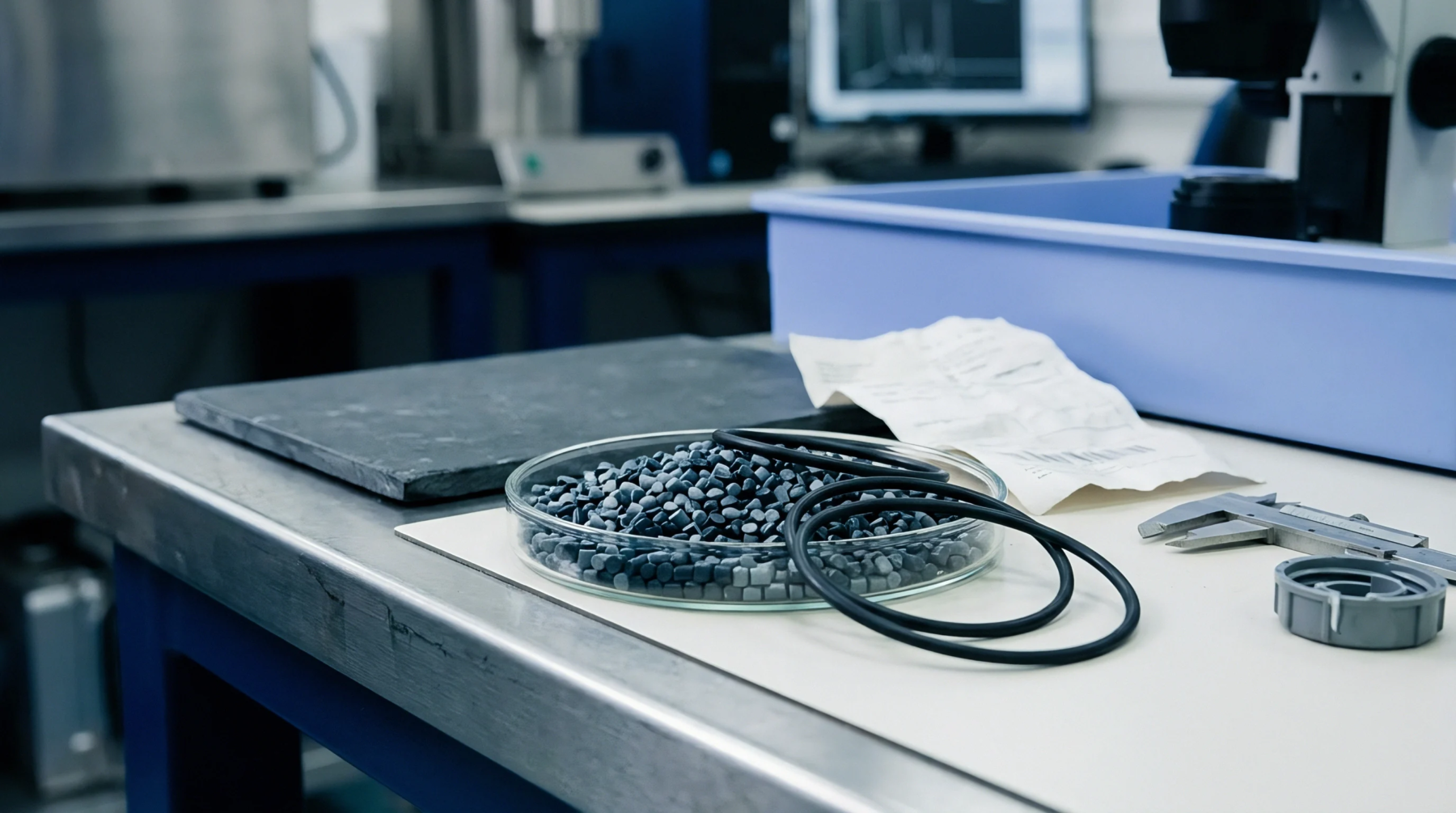
Mass spectrometry NIAS risk analysis quantifies unknown contaminants in recovered polypropylene using TTC thresholds to defend food-contact compliance dossiers.

Managing recycled plastic compliance under EU waste rules requires challenge-tested decontamination, accredited migration testing, and audited traceability dossiers.
Expertise is a utility, not a secret. sentiention™ publishes its working knowledge as open reference: intelligence layer covering the materials it sources, the markets it enters, and the reference that serves both.