Recycled Polyolefin Food Contact Compliance and Migration Testing
Recycled polyolefin food contact compliance demands verified decontamination challenge testing, targeted specific migration analysis, and lot-specific declarations.

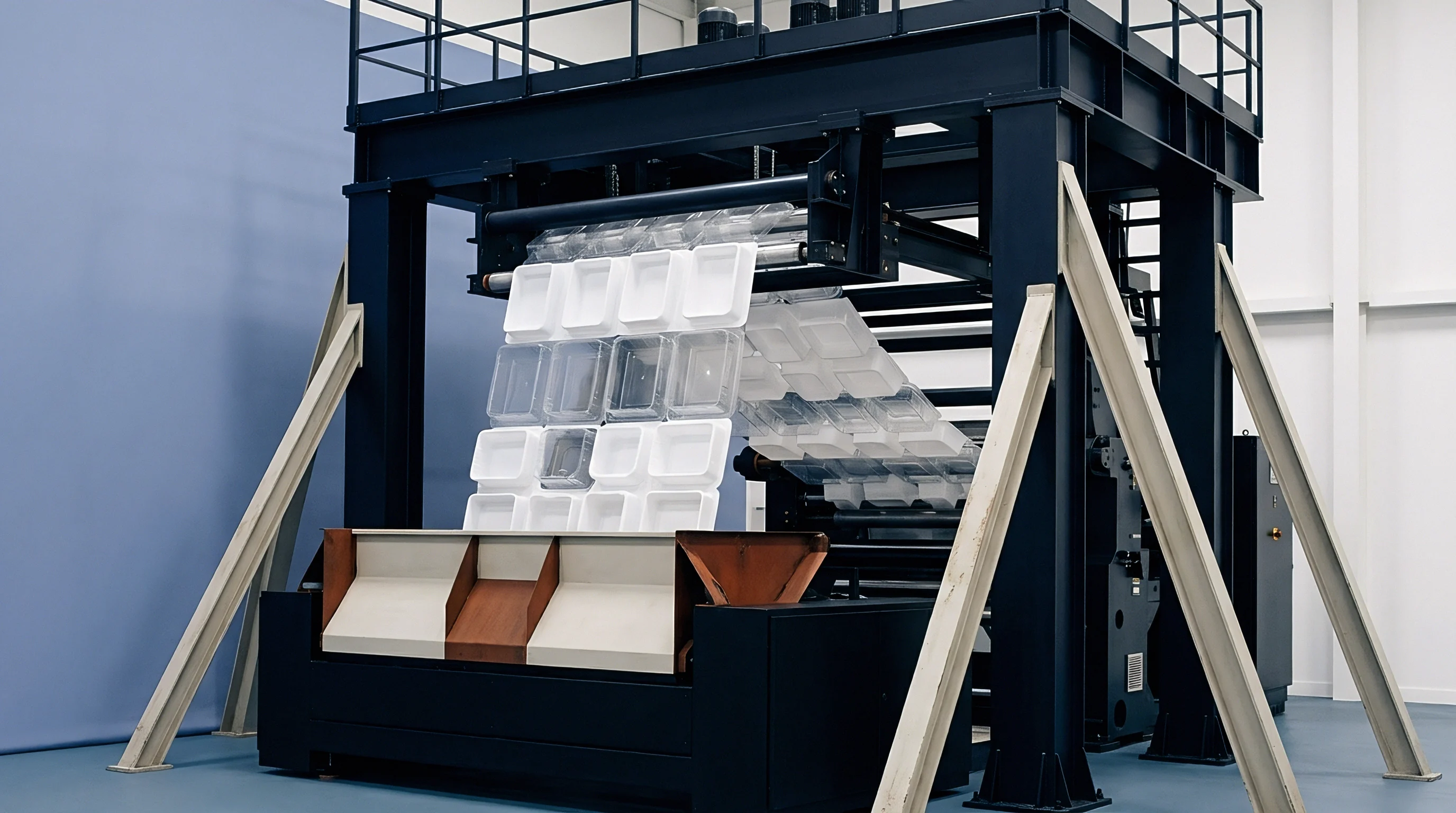
Feed
Post-consumer polyolefin streams carry complex contamination profiles originating from prior contact with foods, household chemicals, industrial fluids, and printing inks. High-density polyethylene and polypropylene absorb low molecular weight organic compounds into their amorphous polymer matrices during their initial service life. Shredding and washing operations remove surface residues, but absorbed volatile and semi-volatile species remain trapped within the bulk resin structure.
Re-melting during pelletization drives secondary reactions between residual antistatic agents, slip additives, and thermal oxidation products, yielding secondary degradation compounds that standard washing circuits fail to remove.
In post-consumer packaging recovery, the physical separation of food-contact containers from non-food packaging presents an immediate compliance challenge. Optical sorting machinery operating in the near-infrared spectrum identifies base polymer chemistry like high-density polyethylene or polypropylene, but fails to distinguish a milk bottle from a motor oil container or a detergent flacon made from the exact same polymer grade. Non-food polyolefin containers introduce heavy metals, brominated flame retardants, phthalate plasticizers, and industrial solvents into the recycled flake pool.
These chemical species diffuse throughout the melt during extrusion, creating a homogeneous baseline of restricted contaminants across the lot.
- Legacy Additive Retention Phenolic antioxidants like BHT, phosphite processing stabilizers, and hindered amine light stabilizers present in the initial packaging formulation persist through mechanical recycling, exceeding structural limits in recycled resins.
- Polymer Thermal Degradation Products Polyolefin backbone cleavage during thermal reprocessing generates aliphatic hydrocarbons, unsaturated aldehydes, ketones, and cyclic oligomers that readily transfer into food contact media.
- Cross-Contamination from Non-Food Streams Industrial chemicals, automotive additives, fragrance oils, and agrochemical active ingredients present in co-collected packaging absorb into the polymer matrix during storage and re-processing.
- Sorption of Volatile Organic Compounds Low molecular weight alkanes, aromatics, and ink solvents migrate into the container walls during first-use shelf life, remaining inside the recovered polymer mass after mechanical washing.
Post-consumer flakes retain volatile residues.
A 500 milligram per kilogram initial surrogate concentration in uncleaned flakes reduces to below 10 micrograms per kilogram in finished resin only when wash temperature reaches 85 degrees Celsius with a two percent caustic solution.
Polypropylene flake lots recovered from municipal sorting plants exhibit wide variations in melt flow index and volatile organic content between seasonal production runs. Ambient temperature shifts during collection change the diffusion rates of volatile compounds inside stored bales, altering the initial contaminant load before washing. Uncontrolled sorting inputs yield batch-to-batch chemical variance, complicating the downstream verification of specific migration limits.
Converting facilities sourcing post-consumer polyolefins without incoming chemical characterization risk introducing non-compliant lots into finished packaging lines.
Recyclers commonly claim that secondary sorting optical sensors remove all industrial containers prior to shredding, rendering full chemical screening redundant for post-consumer streams.

Strip
Decontamination technology for post-consumer polyolefins relies on high-temperature thermal stripping under high vacuum to extract volatile and semi-volatile contaminants from the polymer matrix. Solid-state processing and twin-screw degassing extruders drive molecular mass transfer by maximizing surface area exposure at melt temperatures between 200 and 260 degrees Celsius. Because diffusion coefficients in polyolefins are two to three orders of magnitude higher than in polyethylene terephthalate, absorbed compounds diffuse quickly out of the matrix, but polyolefins simultaneously re-absorb environmental volatile compounds at elevated rates during post-extrusion cooling and storage.
Demonstrating decontamination efficiency demands formal challenge testing using chemical surrogates that mimic the physical properties, molecular weights, and polarities of potential post-consumer contaminants. The European Food Safety Authority and the United States Food and Drug Administration specify reference compounds for challenge protocols, including volatile non-polar species like toluene, volatile polar species like chlorobenzene, semi-volatile non-polar species like phenylcyclohexane, semi-volatile polar species like benzophenone, and high molecular weight non-volatile species like methyl stearate. Validation requires spiking virgin polyolefin resin with these surrogates, running the material through the decontamination process under worst-case plant operating parameters, and measuring residual surrogate concentrations in the output pellets.
- Intentionally introduce standard chemical surrogates representing volatile, semi-volatile, polar, non-polar, and high molecular weight species into virgin polyolefin pellets at known concentrations between 100 and 1000 milligrams per kilogram.
- Homogenize the spiked resin and allow a 30-day equilibration period at 40 degrees Celsius to drive surrogate absorption into the polymer matrix.
- Process the equilibrated material through the recycling system under standard commercial operating parameters, including melt temperature, residence time, and vacuum pressure settings.
- Extract residual surrogates from the processed material using accelerated solvent extraction followed by gas chromatography coupled with mass spectrometry.
- Calculate decontamination efficiency percentages for each surrogate class by comparing pre-treatment and post-treatment mass fractions against target migration limits.
Thermal stress generates lower fragments.
Challenge test results define the maximum allowable input contamination level for a specific recycling process technology. If a twin-screw vacuum stripping system demonstrates a 99.5 percent removal efficiency for toluene and a 95.0 percent removal efficiency for benzophenone, the mathematical model limits the maximum concentration of those substance classes in the incoming flake feed to maintain finished package migration below 10 micrograms per kilogram. Process variations in melt temperature, vacuum pressure below 5 millibars, or reduced residence time inside the degassing zone directly reduce cleaning efficiency, invalidating the underlying challenge test authority.
Article 4 of Regulation (EU) 2022/1616 requires post-consumer mechanical recycling processes to operate under an explicit European Food Safety Authority authorized technology opinion, turning unapproved decontamination lines into immediate non-compliant inputs.


Bench
Standardized analytical testing measures the transfer of mass from plastic packaging materials into chemical food simulants under controlled duration and temperature parameters. Overall migration testing determines the total quantity of non-volatile substances transferring from the package into a contact medium, establishing a baseline limit of 10 milligrams per square decimeter of packaging surface area under European rules. Specific migration testing targets individual chemical substances possessing assigned toxicological limits, including monomers, antioxidants, plasticizers, and known degradation products listed in Union List Annex I of Regulation (EU) 10/2011.
Simulant selection depends on the food types intended for packaging contact. Simulant A (10 percent ethanol) models aqueous foods, Simulant B (3 percent acetic acid) models acidic foods with pH below 4.5, and Simulant D2 (vegetable oil, substituted by 95 percent ethanol or isooctane for testing convenience) models fatty foods. Polyolefins undergo significant swelling when exposed to lipophilic simulants like isooctane or high-concentration ethanol at elevated temperatures.
Swelling increases polymer free volume, artificially accelerating solute diffusion and yielding specific migration values that overstate physical mass transfer occurring in real food contact applications.

Does High Temperature Contact Alter Specific Migration Limits in Recycled Polyolefins?
Thermal testing conditions above 60 degrees Celsius accelerate both the diffusion rate of low molecular weight contaminants and the thermal breakdown of residual packaging additives. Testing a recycled high-density polyethylene container for 10 days at 60 degrees Celsius using Simulant D2 induces structural changes in the semi-crystalline polymer morphology, relaxing tie molecules between lamellae. This morphological relaxation releases trapped low molecular weight polyolefin oligomeric saturated hydrocarbons that remain stationary during room temperature storage testing, generating false-positive specific migration limit exceedances for low-risk applications.
| Chemical Species | Food Simulant | Test Conditions | Specific Migration Limit | Analytical Method |
|---|---|---|---|---|
| Polyolefin Oligomeric Saturated Hydrocarbons (C10-C30) | Simulant D2 (Vegetable Oil) | 10 days at 40°C | 50.0 mg/kg food | GC-FID with On-line LC Pre-separation |
| Irganox 1010 Breakdown Products | 10% Ethanol (Simulant A) | 10 days at 60°C | 6.0 mg/kg food | HPLC-UV / LC-MS-MS |
| Erucamide Slip Additive | 3% Acetic Acid (Simulant B) | 2 hours at 70°C | 60.0 mg/kg food | GC-MS |
| Benzophenone Volatile Surrogate | Tenax (Modified Polyphenylene Oxide) | 10 days at 40°C | 0.6 mg/kg food | Headspace GC-MS |
Testing costs scale with simulants.
Annex III of Regulation (EU) 10/2011 mandates the substitution of vegetable oil with 95 percent ethanol when testing high-density polyethylene for fatty food contact, directly increasing polymer swelling and solvent absorption during exposure.
For repeat-use articles, compliance verification demands three consecutive migration exposures using fresh simulant samples on the exact same polymer surface. The measured migration quantity in the third exposure must drop below the specific migration limit, and the third exposure value cannot exceed the concentration found in the second exposure. A rising migration trend across consecutive exposures signals active polymer matrix degradation or continuous diffusion of un-decontaminated bulk contaminants, leading to immediate sample rejection regardless of whether absolute values remain below statutory numerical limits.
Selecting an incorrect food simulant during initial qualification invalidates the resulting analytical certificate, triggering full re-testing expenses and holding customs clearances at destination ports until compliant laboratory reports arrive.
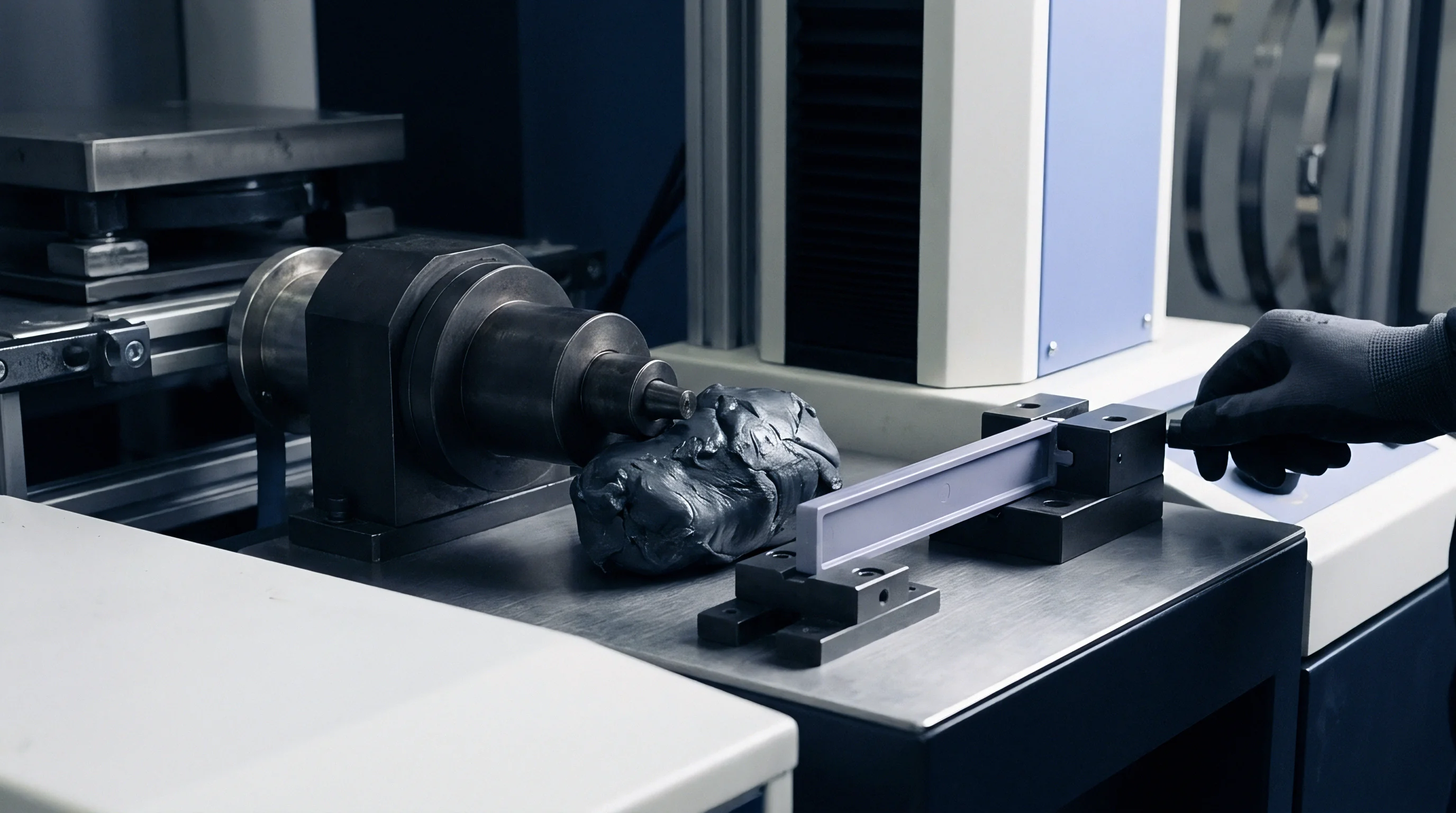
Scan
Analytical screening for non-intentionally added substances in recycled polyolefins requires combining high-resolution chromatography with high-accuracy mass spectrometry. Unlike virgin polymers where additive formulations are fully documented, post-consumer materials contain unknown breakdown products, side-reaction impurities, and environmental contaminants. Non-target analytical workflows deploy gas chromatography coupled to quadrupole time-of-flight mass spectrometry for volatile and semi-volatile species, complemented by liquid chromatography coupled to Orbitrap mass spectrometry for high molecular weight, polar compounds.
Quantifying unknown chromatographic peaks relies on the Threshold of Toxicological Concern framework when reference chemical standards are unavailable. Unknown compounds lacking structural identification are assigned a conservative safety threshold of 0.01 milligrams per kilogram of food (10 parts per billion), assuming potential Class III Cramer structural toxicity. If mass spectrometry spectral matching indicates potential genotoxic structures, such as alkylating agents or aromatic amines, the toxicological screening threshold drops to 0.00015 milligrams per kilogram of food (0.15 parts per billion), requiring advanced laboratory concentration steps to achieve acceptable detection limits.
- Volatile Species Profiling Headspace solid-phase microextraction gas chromatography captures low boiling point solvents, fragrance residues, and thermal degradation monomers present in post-consumer pellets.
- Semi-Volatile Extraction Analysis Solvent extraction using dichloromethane followed by gas chromatography mass spectrometry identifies plasticizer fragments, oxidized synthetic antioxidants, and photoinitiator residues.
- Non-Volatile Liquid Mass Spectrometry High-performance liquid chromatography coupled with electrospray ionization mass spectrometry resolves high molecular weight oligomers and non-volatile additive reaction products.
- Toxicological Threshold Assignment Peak area integration against internal standards maps unassigned chemical structures to Cramer structural classes to enforce maximum migration thresholds.
Solvents extract matrix additives quickly.
A mass spectrometry peak lacking identification in a recycled polyolefin extract treated as a Class I substance under the Cramer decision tree demands toxicological evaluation before commercial clearance.
Mineral oil hydrocarbons represent a critical non-intentionally added substance class in post-consumer polyolefins, originating from newspaper printing inks and industrial lubricants. Chromatographic separation differentiates mineral oil saturated hydrocarbons (MOSH) from mineral oil aromatic hydrocarbons (MOAH). Polyolefin oligomeric saturated hydrocarbons (POSH) co-elute with MOSH during liquid chromatography separation, creating broad unresolved complex mixture humps in gas chromatography flame ionization detection profiles.
Online coupled liquid chromatography-gas chromatography flame ionization detection separates POSH interference from aromatic MOAH fractions, establishing clear quantification down to 0.5 milligrams per kilogram for food-contact packaging clearance.
The precise structural characterization of cyclic polyolefin oligomers formed during repeated thermal processing cycles remains open, as current mass spectrometry databases lack reference spectra for newly identified branched isomers.

Sheet
Declarations of Compliance serve as the legally binding instrument carrying chemical safety claims down the packaging value chain. Under Regulation (EU) 10/2011 and Regulation (EU) 2022/1616, a declaration issued for a recycled polyolefin resin must explicitly reference the specific production lot, the underlying analytical migration test reports, and the authorized recycling decontamination technology opinion. Passing a generic material safety data sheet or a virgin resin compliance declaration in place of a lot-specific recycled content declaration constitutes documentary non-compliance, leaving importers liable for regulatory breaches at customs checkpoints.
Supporting technical dossiers must maintain traceability between raw post-consumer flake lots, processing parameters during thermal decontamination, and finished pellet laboratory testing. The declaration auditor verifies that specific migration limits for dual-use additives, such as silicon dioxide or calcium silicate used as both food additives and polymer processing aids, are disclosed to downstream packaging converters. Disclosing dual-use additive concentrations ensures the final food packer calculates total food additive exposure accurately, maintaining compliance with food safety limits under Regulation (EC) 1333/2008.
- Identity of Issuing Entity Legal name, production facility address, and contact details of the resin recycler or compounding entity issuing the compliance document.
- Confirmation of Authorized Decontamination Technology Reference identification number of the European Food Safety Authority positive opinion or US FDA Letter of No Objection covering the recycling process.
- Batch and Lot Traceability Identifiers Specific manufacturing batch codes mapping directly to shipping container numbers and physical production records.
- Operating Contact Boundaries Explicit definitions of allowable food types, maximum contact temperatures, maximum storage durations, and surface-to-volume ratio constraints.
- Dual Use Additive Disclosures Itemized chemical listing of processing additives that carry restricted concentration limits under relevant food additive regulations.
Batch records prove physical compliance.
Chain-of-custody documentation requires verification against mass balance records during site audits. A declaration claiming 50 percent post-consumer recycled polyolefin content demands matching raw flake procurement receipts, wash plant throughput logs, and finished pellet sales inventories. Gaps in mass balance arithmetic indicate unverified material mixing, invalidating chemical safety declarations and exposing brand owners to mislabeling penalties under national consumer protection laws.
A declaration of compliance lacking explicit batch identification maps only to a laboratory sample rather than the physical cargo moving through a port.
Levy
Non-compliance with recycled content packaging laws triggers immediate financial liabilities through tax assessments, border holds, and market removal orders. The United Kingdom Plastic Packaging Tax charges a statutory levy of £217.85 per tonne on plastic packaging components manufactured in or imported into the UK that contain less than 30 percent verified recycled plastic. In the European Union, national plastic packaging contributions calculated at €800 per tonne on non-recycled plastic packaging waste drive national customs authorities to scrutinize recycled content documentation during entry processing.
| Jurisdiction | Regulatory Standard | Recycled Content Mandate | Financial Penalty / Levy Rate | Mandatory Evidence Document |
|---|---|---|---|---|
| European Union | Regulation (EU) 2022/1616 & SUP Directive | 25% in PET beverage packaging by 2025 | €800 per tonne on unrecycled plastic waste | Authorized Technology DoC & EFSA Opinion File |
| United Kingdom | Plastic Packaging Tax Act 2021 | 30% recycled plastic in packaging components | £217.85 per tonne on non-compliant packaging | Mass Balance Audit File & Batch Test Certificates |
| United States | US FDA 21 CFR & State Mandates | 15% to 50% under state legislation | Civil enforcement, product seizure, state fines | FDA Letter of No Objection & Challenge Test File |
Customs authorities reject incomplete files.
Border inspection authorities conduct random headspace testing on imported packaging lots to detect solvent residues that signal unverified post-consumer material streams.
When analytical testing reveals specific migration exceedances or un-declared non-intentionally added substances in imported packaging, customs authorities place the affected container under quarantine hold. The importer of record incurs demurrage fees, storage surcharges, and mandatory destruction costs if the cargo cannot be retroactively re-certified. Product recalls triggered by non-compliant chemical migration from food packaging incur average expenses exceeding €300,000 per packaging run, excluding secondary brand damage and retail listing removal penalties.
Port inspectors sample imported lots.
Port authority audits evaluate the mathematical alignment between raw recyclate purchase records, converter batch production logs, and final customs manifest weights. Discrepancies between declared recycled content percentages and verified inventory movements trigger immediate customs holds and tax reassessments across imported shipments.