
Mass Spectrometry Screening of NIAS in Recycled Polyethylene Terephthalate
Mass spectrometry screening detects non-intentionally added substances in recycled PET by pairing GC-MS and LC-HRMS with analytical evaluation thresholds.
Mass spectrometry screening detects non-intentionally added substances in recycled PET by pairing GC-MS and LC-HRMS with analytical evaluation thresholds.

Selecting surrogate contaminants for challenge testing demands balancing chemical volatility, polarity, molecular mass, and matrix diffusion characteristics.
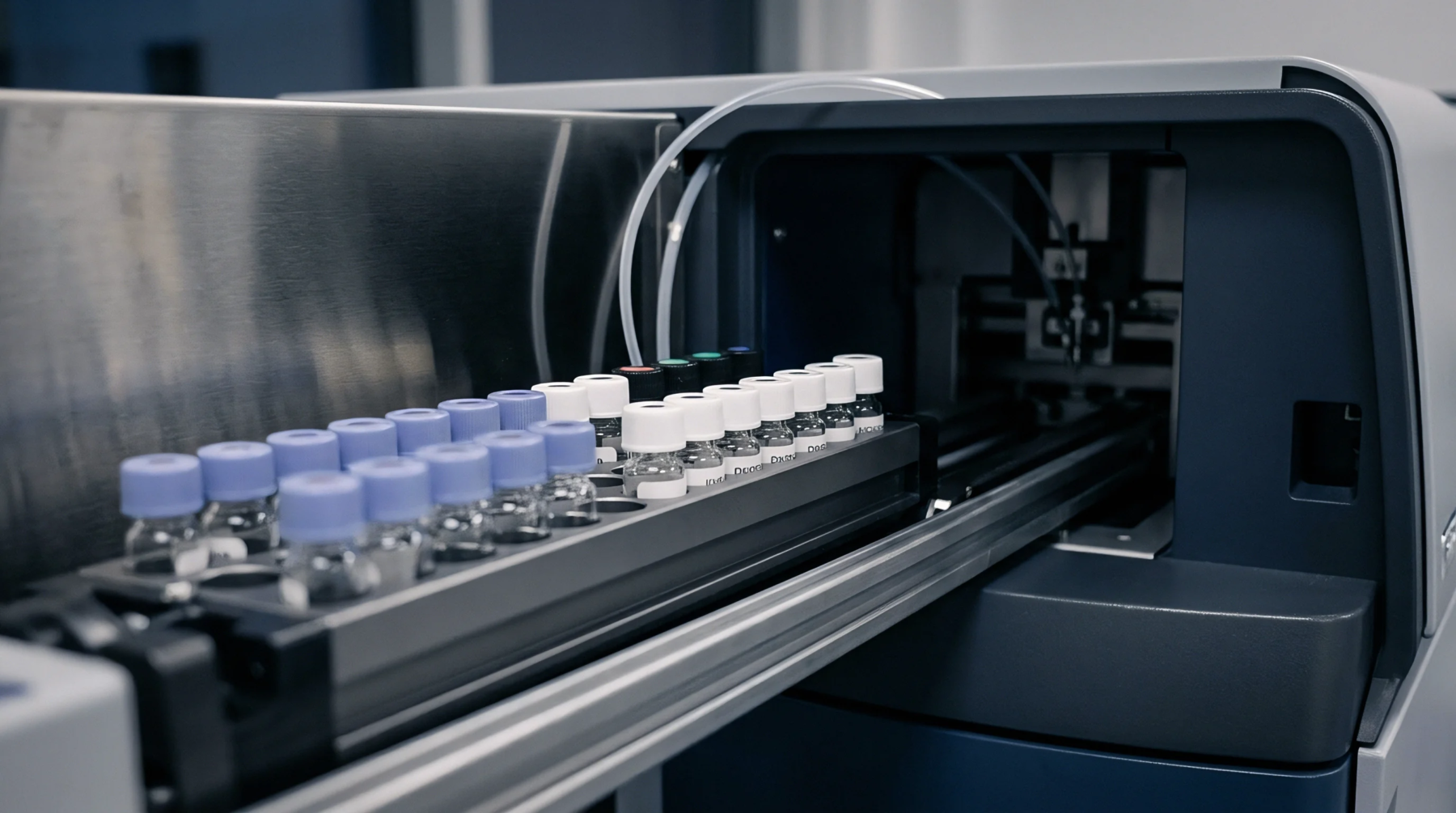
Polyolefin oligomers accumulating across closed-loop recycling cycles require structural separation and toxicological screening against Threshold of Toxicological Concern limits.
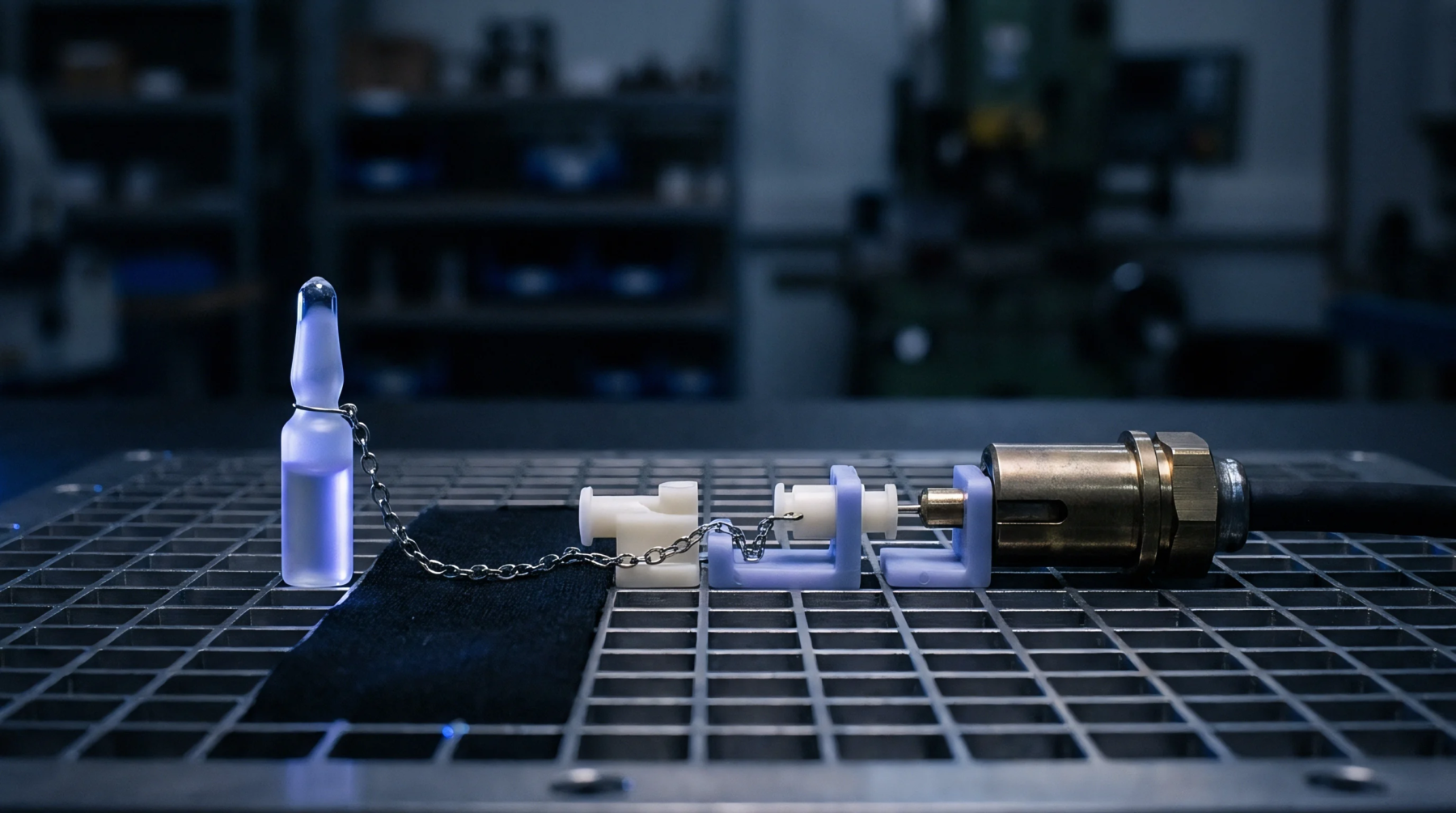
Post-consumer resin decontamination requires challenge test validation using surrogate contaminants to ensure specific migration limits stay below toxicological thresholds.
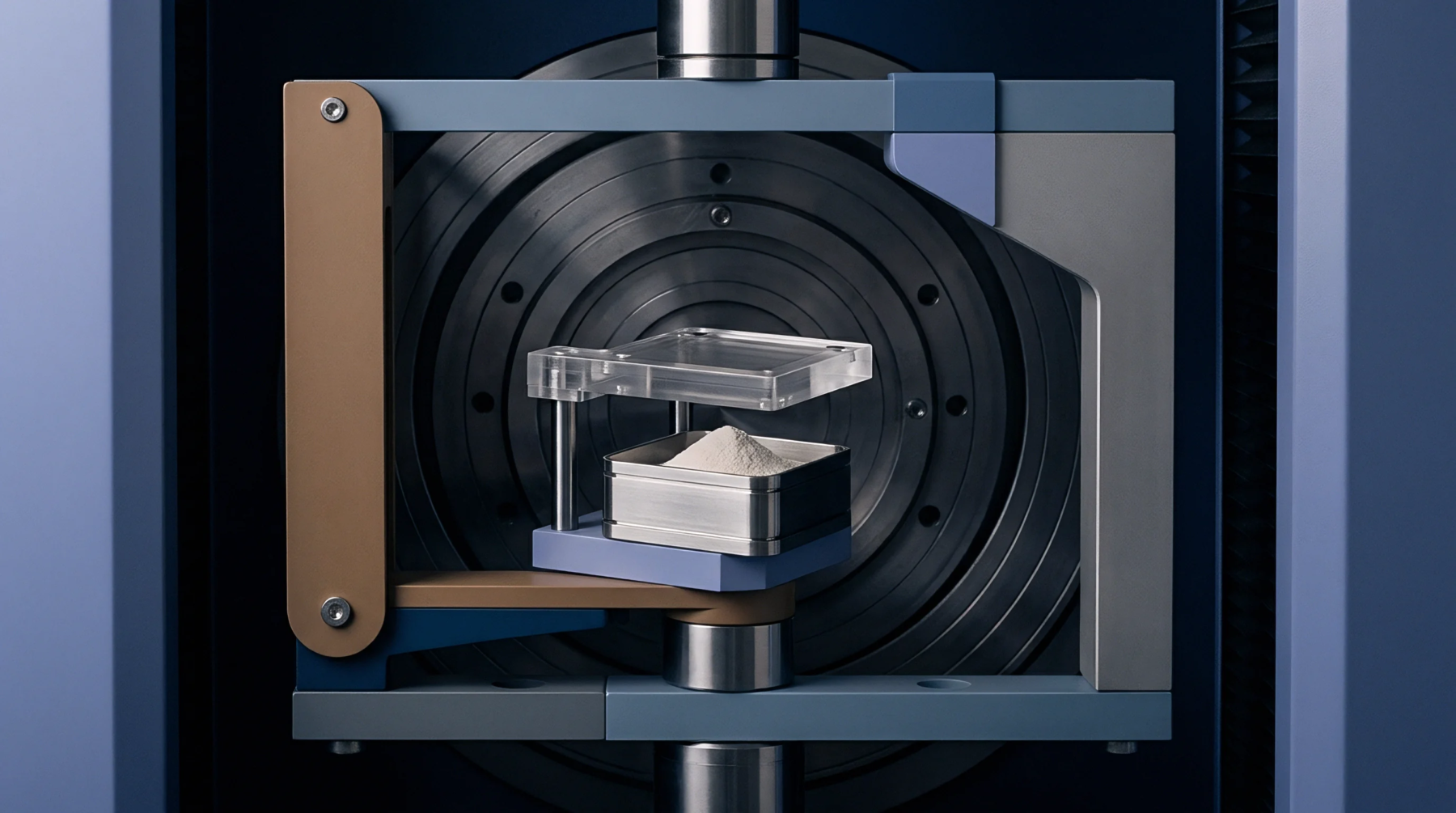
Toxicological evaluation of NIAS in PCR packaging combines non-target mass spectrometry, Cramer classification, and simulant migration testing against EU limits.
Uncharacterized degradation products in recycled food-contact polyolefins require non-target GC/LC-MS screening evaluated against TTC exposure thresholds.
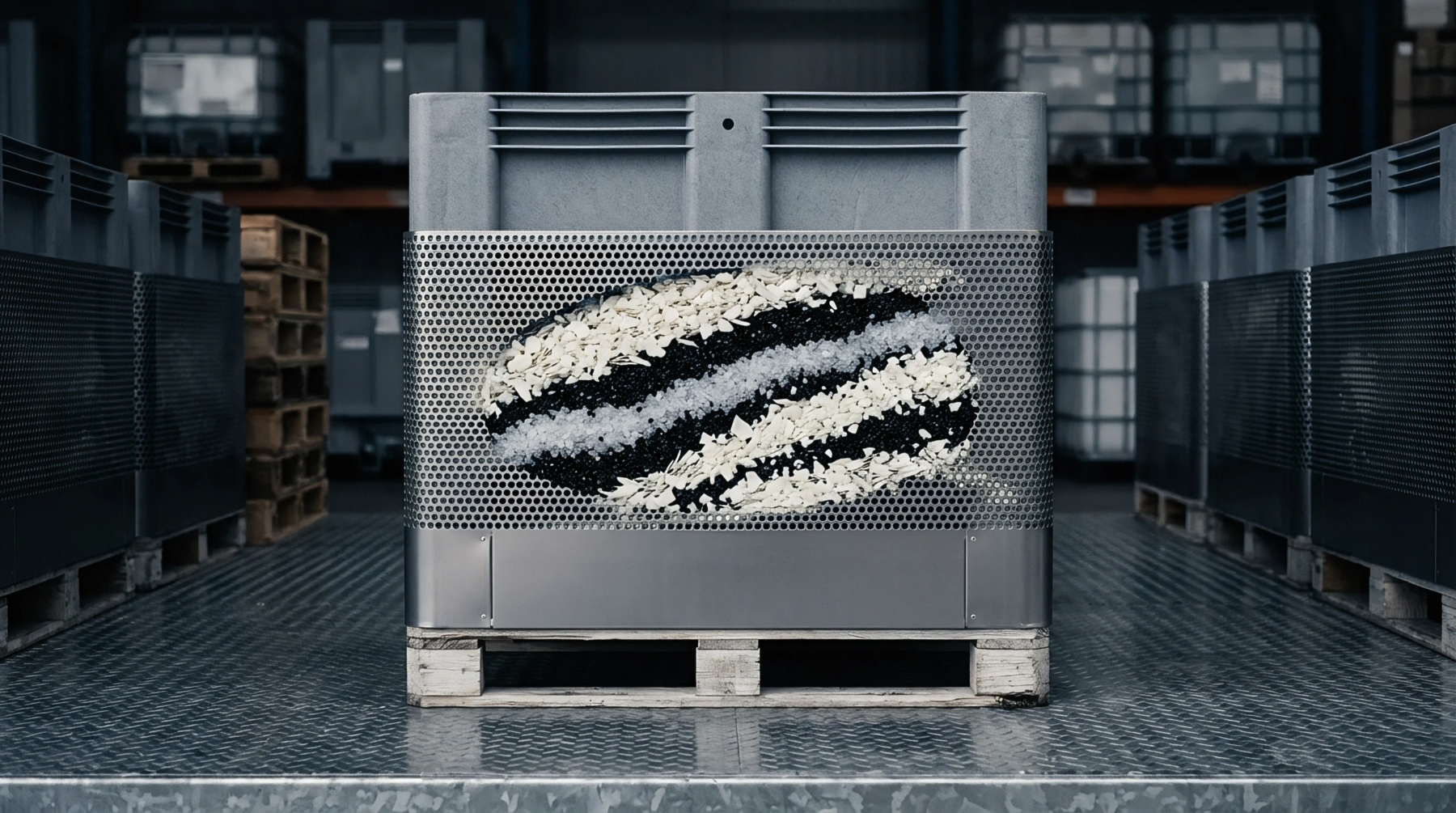
Devolatilization efficiency calculations translate validated surrogate removal rates into maximum safe raw feedstock contamination limits for food contact compliance.

Unidentified extraction peaks in recycled polyolefins require GC-MS/LC-HRMS screening and TTC toxicological evaluation to secure cross-border compliance.
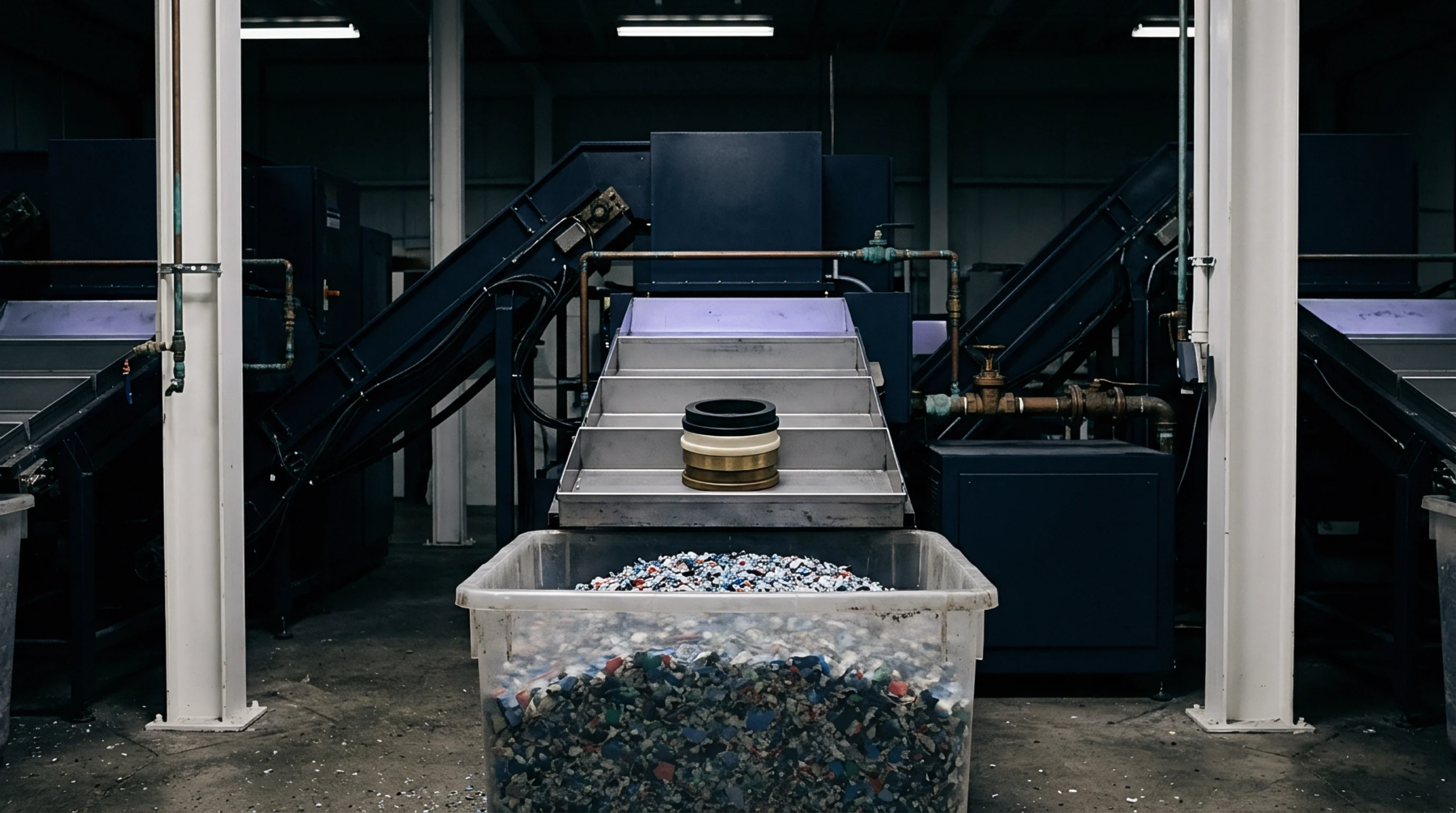
Polyolefin food contact validation requires surrogate challenge testing demonstrating matrix devolatilization down to safe migration thresholds under worst-case parameters.
Challenge testing verifies recycled polymer decontamination by measuring surrogate contaminant removal across reactors to prove secondary packaging conformity.
Expertise is a utility, not a secret. sentiention™ publishes its working knowledge as open reference: intelligence layer covering the materials it sources, the markets it enters, and the reference that serves both.