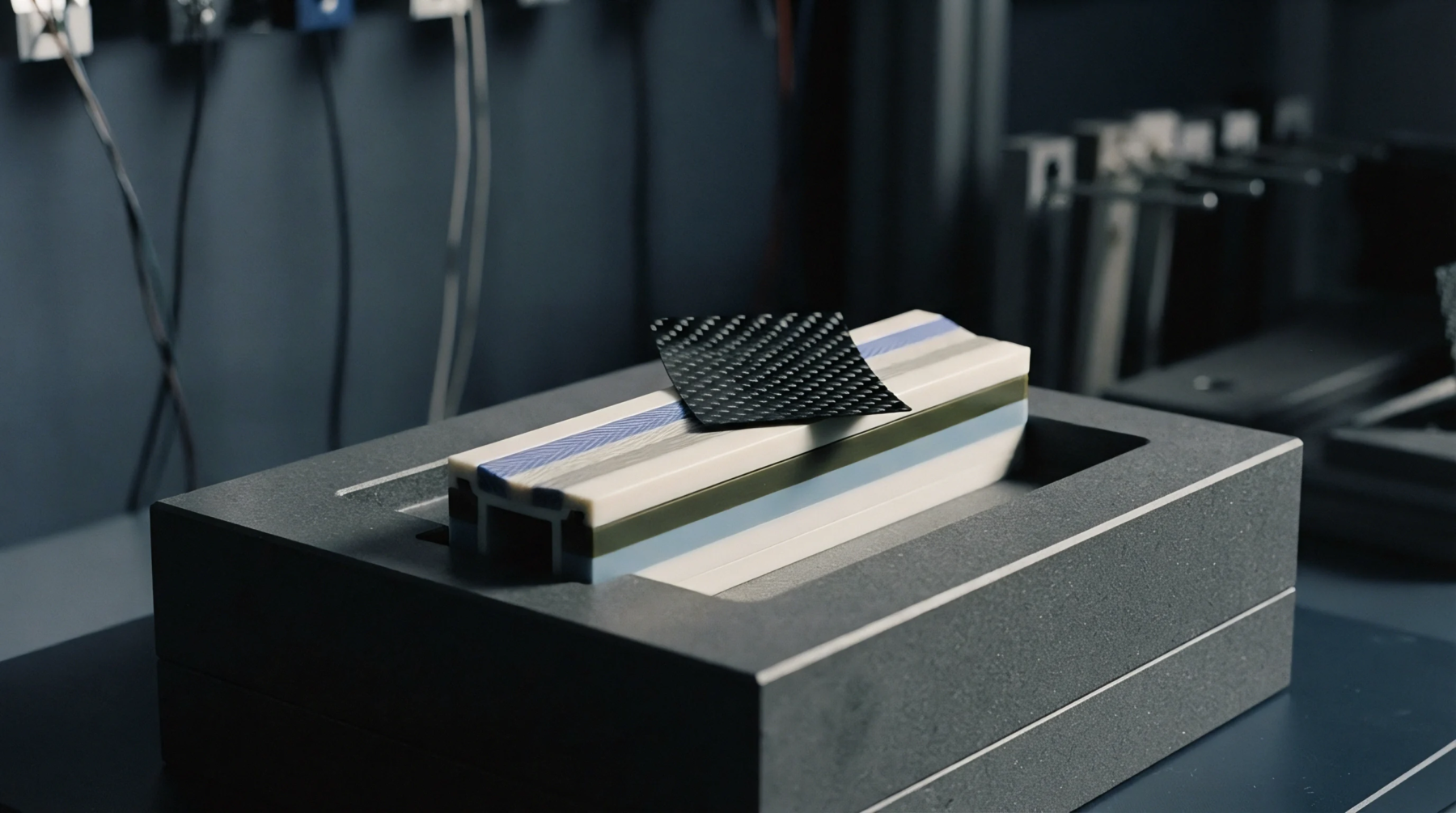
Selecting Polypropylene Block Copolymers for Cold Temperature Automotive Applications
Selecting polypropylene block copolymers for cold automotive parts depends on balancing ethylene-propylene rubber phase dispersion with matrix melt flow rate.
Selecting polypropylene block copolymers for cold automotive parts depends on balancing ethylene-propylene rubber phase dispersion with matrix melt flow rate.

Mitigate stoichiometric Karl Fischer interference in rPC by lowering oven extraction to 175 C and using buffered glycol-ether reagents.
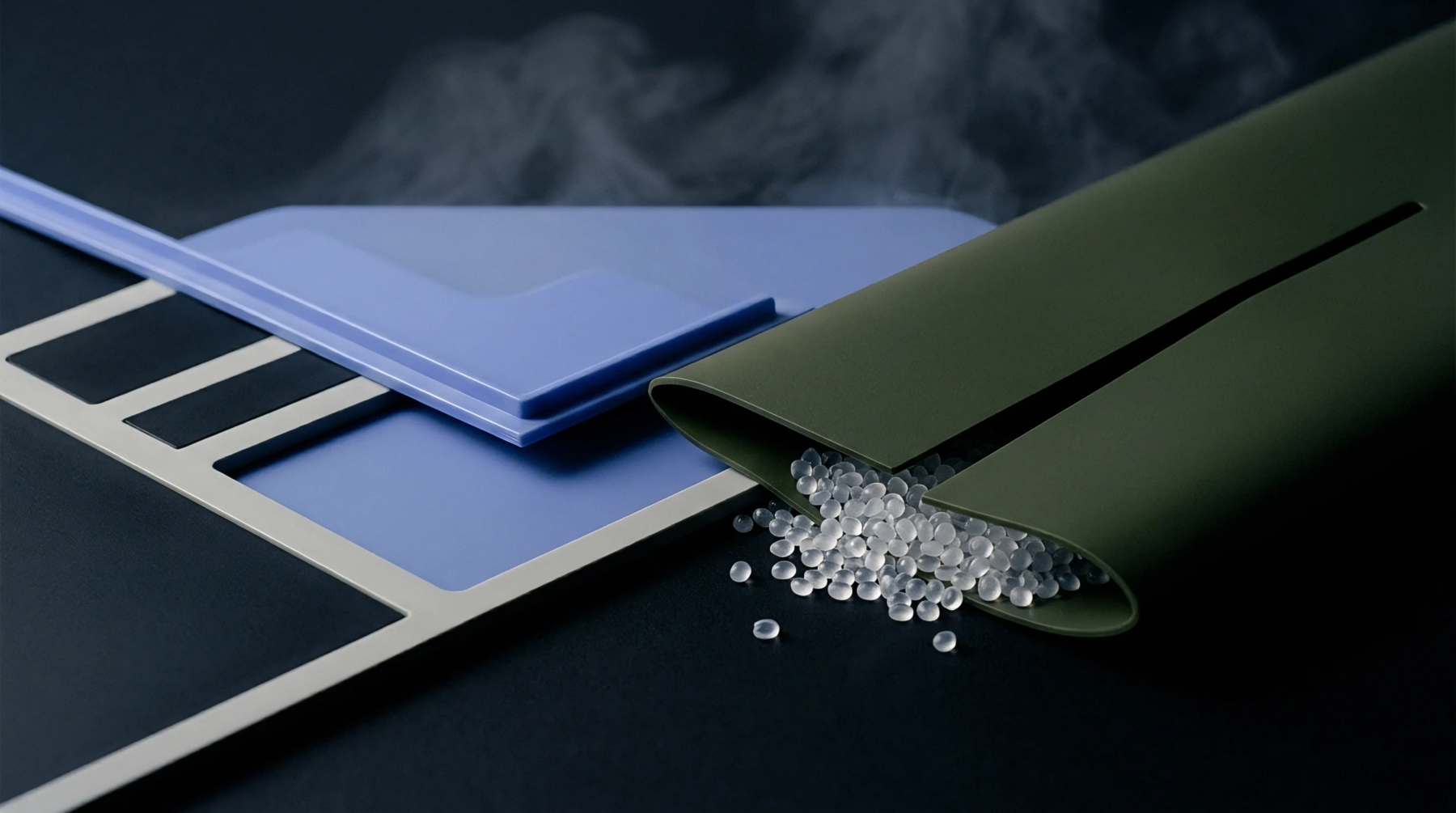
Tuning EPR domains to 0.4-0.8 microns with 45 percent ethylene content ensures sub-zero container shock survival at minus 30 degrees Celsius.
Quantifying interfacial adhesion in recycled polyolefins requires measuring essential work of fracture and domain size to set compatibilizer dosage.
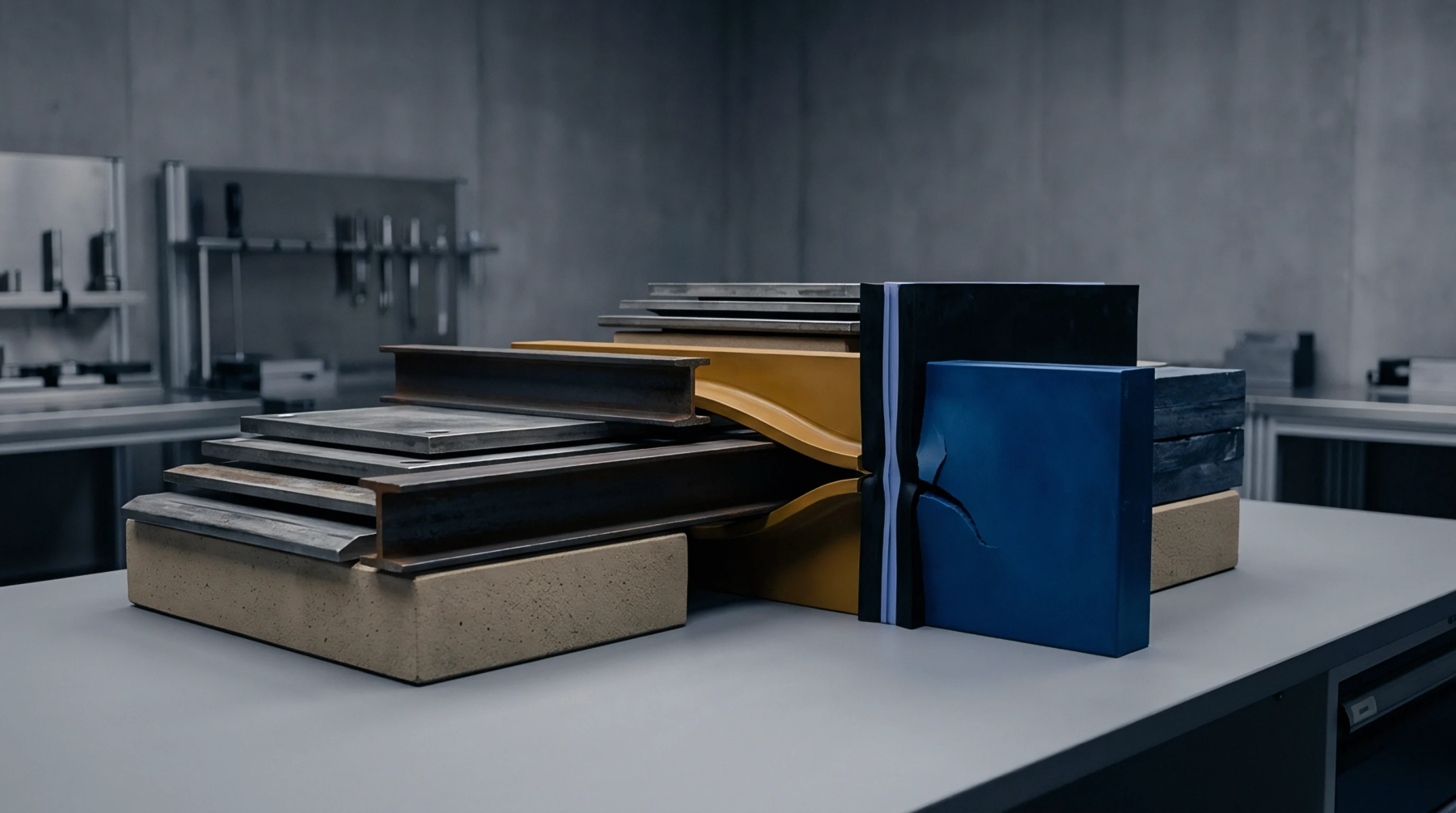
Impact copolymers deliver superior notched and subzero impact resistance over homopolymers by incorporating a dispersed ethylene-propylene rubber phase.
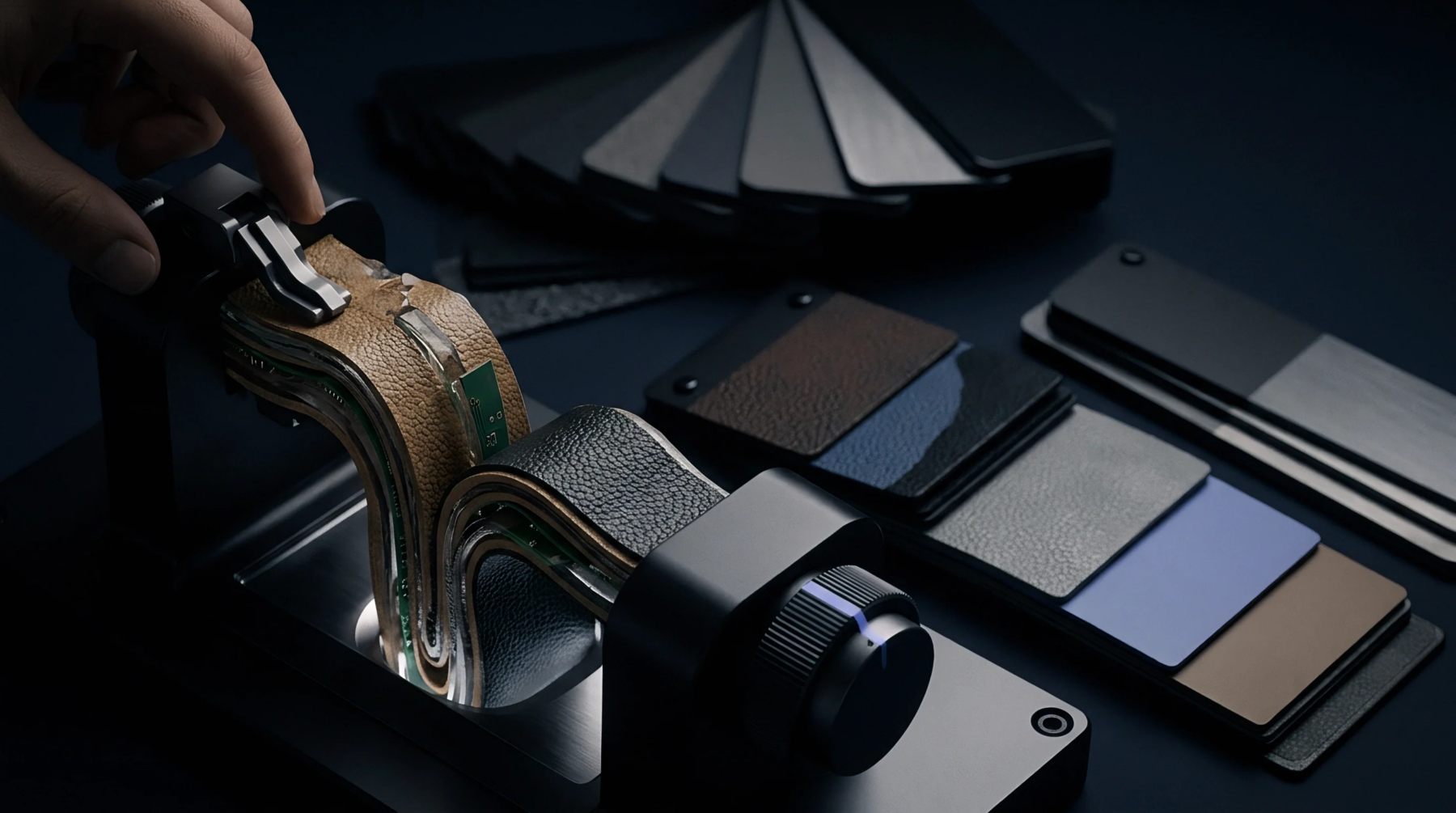
Tracking melt flow changes and oxidation time prevents part failure from degraded recycled polyolefin resins.
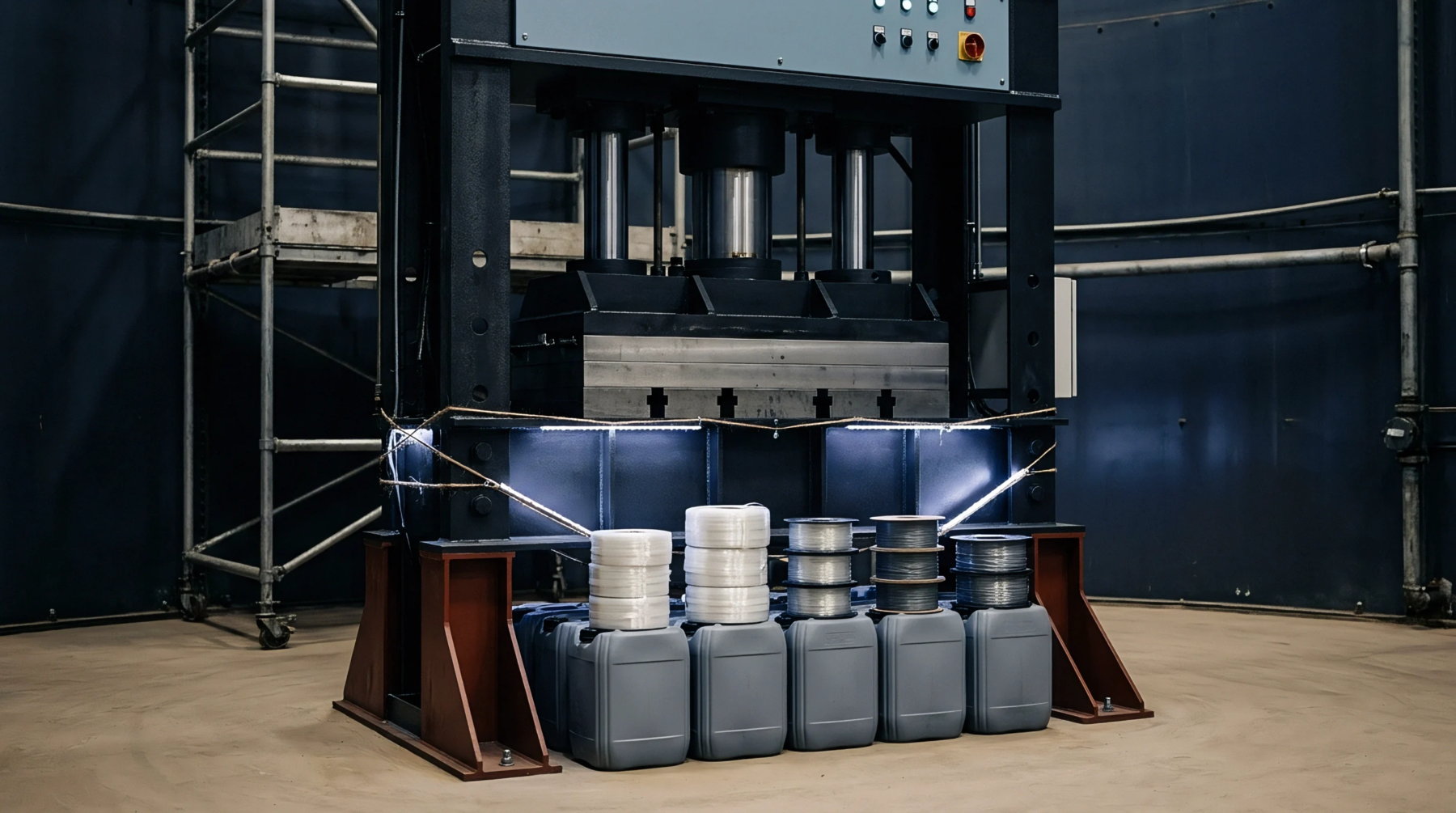
Polymer grade selection fixes mechanical properties, tool shrinkage, cycle time, compliance limits, and final landed part cost across production runs.
Expertise is a utility, not a secret. sentiention™ publishes its working knowledge as open reference: intelligence layer covering the materials it sources, the markets it enters, and the reference that serves both.