Quantitative Volatile Extraction Correlating Odor Thresholds with Recycled Polyolefin Oxidation
Dynamic thermal desorption coupled with gas chromatography-olfactometry links oxidation volatile mass to odor activity values for polyolefin lot qualification.

Radical
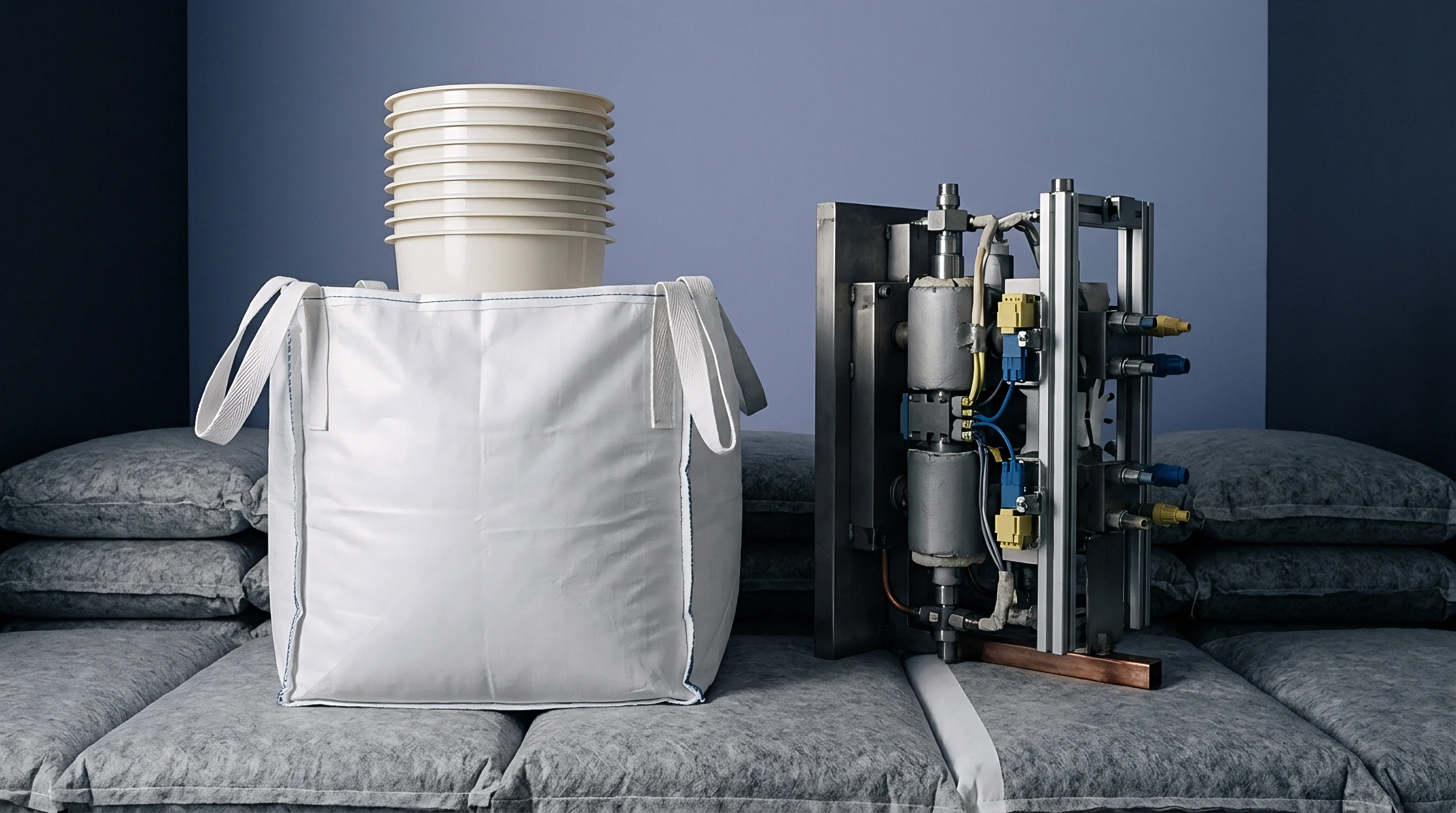
A sealed 25-kilogram bag of post-consumer high-density polyethylene pellets sits on the receiving dock with a certified melt flow rate of 0.85 grams per 10 minutes at 190 degrees Celsius under a 2.16-kilogram load, yet releasing the heat-sealed bag liner discharges a sharp, rancid stench of oxidized fatty acids and sour aldehydes. That odor confirms molecular degradation that raw melt index values conceal. Incoming resin verification requires quantifying these fugitive airborne molecules through standardized thermal extraction, matching gas chromatography concentrations against human sensory detection limits to predict whether finished automotive interior panels or cosmetic containers will pass odor compliance audits.
Auto-oxidation initiates during the prior service life and consumer washing steps, where heat, ultraviolet radiation, and residual transition metal catalysts cleave polymer backbones to yield alkyl species. These fragments combine with atmospheric oxygen to generate unstable hydroperoxides.
Thermal stress inside compounding barrels triggers homolytic decomposition of these hydroperoxides into alkoxy groups, propagating a degradation cascade that splits the carbon chain through beta-scission. Polypropylene undergoes chain scission yielding methyl ketones, tertiary alcohols, and terminal alkenes, lowering melt strength and increasing the melt flow rate from 12 to 28 grams per 10 minutes at 230 degrees Celsius under 2.16 kilograms. Polyethylene undergoes both scission and vinyl crosslinking, generating a broad spectrum of volatile degradation fragments that encompass saturated and unsaturated aldehydes, ketones, furans, and carboxylic acids.
Even at trace levels below ten parts per billion, specific short-chain carbonyls produce intense sensory rejection.

Peroxide Cleavage Pathways in Melt Regrind
Thermal breakdown mechanisms operate aggressively when post-consumer flakes encounter residual processing heat. Secondary alkyl hydroperoxides formed on tertiary carbons in polypropylene backbones split into alkoxy intermediates that cleave adjacent carbon-carbon linkages. This scission pathway releases volatile acetone, acetic acid, and 2-pentanone.
Polyethylene thermal decomposition generates primary alkyl hydroperoxides that cleave into formaldehyde, acetaldehyde, hexanal, and heptanal. Hydroperoxides decompose along competing pathways.
Dynamic headspace extraction at 80 degrees Celsius for 60 minutes onto Tenax TA traps quantifies hexanal at 3.2 milligrams per kilogram in post-consumer HDPE flakes, a value that drops by 40 percent following surfactant washing at 60 degrees Celsius and triples when compounding shear exceeds 230 degrees Celsius.
The presence of pro-degradant contaminants alters these reaction kinetics. Trace iron from sorting machinery, residual printing inks containing copper phthalocyanine, and surfactant residues accelerate hydroperoxide breakdown through Fenton-type redox mechanisms. Instead of forming stable secondary alcohols, the polymer chains fracture into volatile, odorous fragments during every melt phase.
Stabilizer packages based on hindered phenols and phosphites neutralize peroxy radicals and decompose hydroperoxides into non-radical species, yet recycled feedstock often arrives with its original antioxidant package depleted. Compounding un-stabilized recyclate produces exponential increases in volatile generation across each heat cycle. Hexanal signals severe chain cleavage.

Carbonyl Identification across Degraded Polyolefin Fractions
Precise chemical characterization separates baseline polymer volatiles from odor-active degradation signatures. Gas chromatography coupled with mass spectrometry identifies individual chemical structures, while simultaneous olfactory detection ports correlate specific elution retention times with perceived olfactory notes. Unsaturated aldehydes possess odor detection thresholds several orders of magnitude lower than their saturated analogs.
Trans-2-nonenal produces a greasy, stale odor detectable at 0.09 micrograms per kilogram, whereas nonanal displays a waxy note with a detection threshold of 1.0 microgram per kilogram.
- Hexanal arises from the thermal breakdown of omega-six fatty acid residues and oxidized polyethylene fragments, exhibiting a grassy, rancid odor with a low threshold of 5.0 micrograms per kilogram in air.
- Oct-1-en-3-one forms through secondary oxidation of unsaturated lipid contaminants and polyolefin chain fragments, imparting an intense metallic, mushroom scent perceptible at 0.005 micrograms per kilogram.
- Nonanal represents a primary auto-oxidation product of degraded polyethylene wax fractions, creating an unctuous, tallow-like sensory defect when concentrations surpass 1.0 microgram per kilogram.
- Isovaleric acid originates from microbial decomposition of proteinaceous post-consumer residues remaining on unwashed flakes, producing a pungent, sweaty odor registering down to 0.2 micrograms per kilogram.
Compounding plants processing mixed municipal post-consumer polyolefins face complex volatile matrices where sulfur compounds and terpenes intermingle with polymer oxidation products. Washing removes surface soil, yet volatile degradation markers embedded inside the amorphous polymer matrix persist. Sourcing engineers evaluating recycled polyolefin lots evaluate comprehensive volatile chromatographic profiles rather than relying on total volatile organic compound mass measurements.
Overlooking these specific volatile carbonyl fractions leads to mold cavity fouling, plant-floor worker exposure complaints, and immediate rejection of finished injection-molded parts during automotive cabin air quality verification.
| Chemical Compound | Chemical Formula | Molecular Weight (g/mol) | Odor Threshold in Air (µg/kg) | Primary Sensory Character | Polymer Precursor |
|---|---|---|---|---|---|
| Acetaldehyde | C2H4O | 44.05 | 15.0 | Pungent, suffocating, fruity | Polyethylene chain end scission |
| Hexanal | C6H12O | 100.16 | 5.0 | Cut grass, oxidized oil, tallow | PE hydroperoxide beta-scission |
| Heptanal | C7H14O | 114.19 | 3.0 | Fatty, harsh, pungent | PE thermal degradation fragment |
| Oct-1-en-3-one | C8H14O | 126.20 | 0.005 | Metallic, earthy, mushroom | Oxidized lipid and vinyl breakdown |
| Nonanal | C9H18O | 142.24 | 1.0 | Waxy, citrus, rancid grease | PE backbone cross-scission |
| trans-2-Nonenal | C9H16O | 140.22 | 0.09 | Cardboard, stale, greasy | Unsaturated carbonyl degradation |
| Acetic acid | C2H4O2 | 60.05 | 25.0 | Sour, vinegar, sharp | PP secondary hydroperoxide cleavage |
Trap
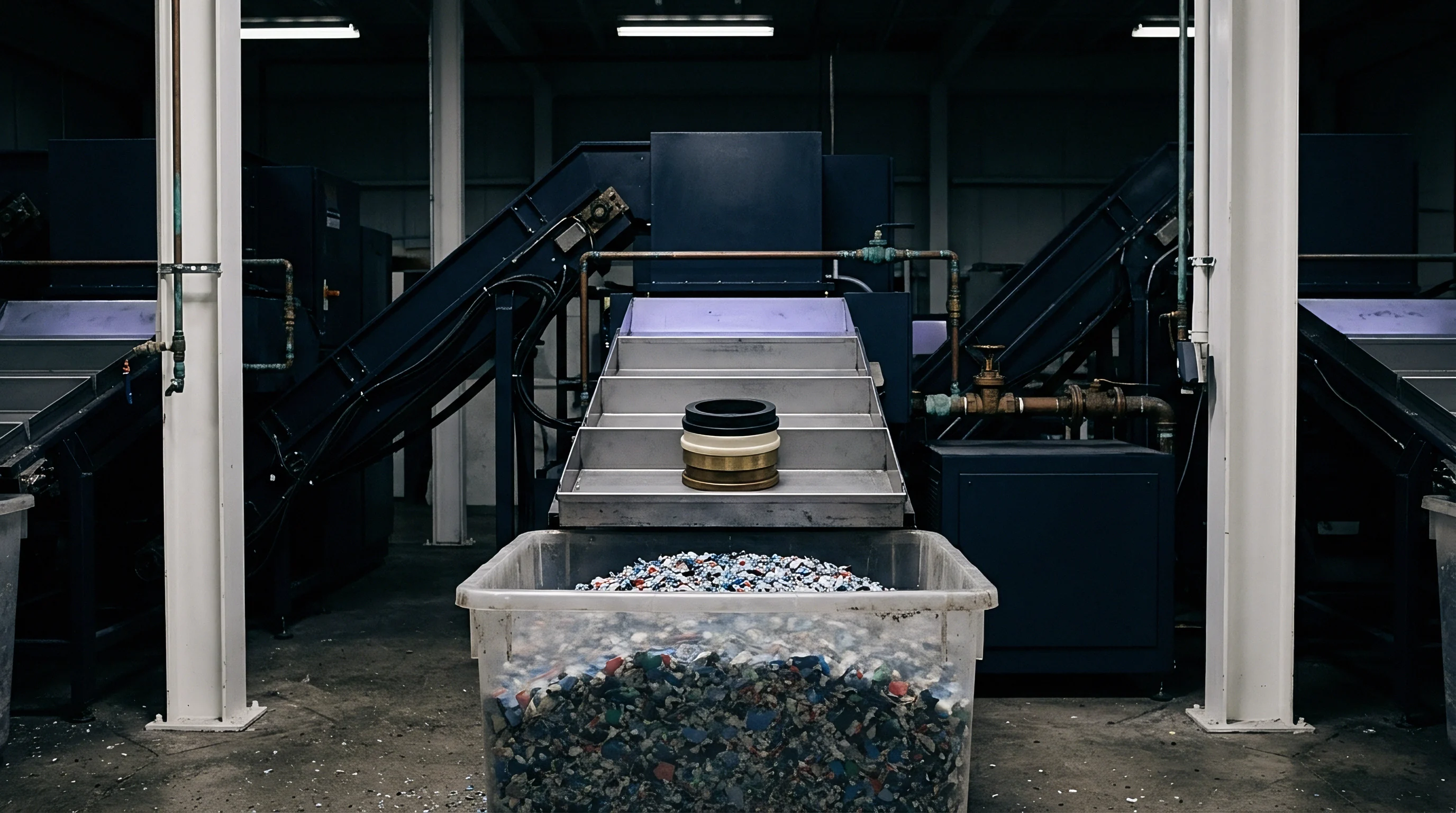
Solid sorbent tubes packed with porous polymers capture organic volatiles released from heated polyolefin pellets without condensing water vapor. Selecting appropriate thermal extraction conditions determines analytical precision. Standard static headspace sampling introduces limitations when quantifying trace oxidation volatiles whose concentrations fall below flame ionization detector limits.
Dynamic headspace extraction continuously sweeps an inert carrier gas across a heated polymer sample, concentrating the desorbed volatiles onto a multi-bed sorbent tube. This sweep-and-trap mechanism lowers detection limits by up to three orders of magnitude compared to equilibrium static methods, capturing parts-per-trillion markers responsible for severe odors.
Controlling sample temperature during dynamic desorption governs extraction accuracy. Polyolefin samples heated above their crystalline melting points generate secondary thermal degradation artifacts inside the extraction vessel. High-density polyethylene melts between 128 and 135 degrees Celsius; polypropylene melts between 160 and 165 degrees Celsius.
Heating solid pellets at 80 to 100 degrees Celsius desorbs existing volatile molecules without triggering further polymer auto-oxidation during the test duration. Sorbent traps loaded with Tenax TA retain polar and non-polar volatile organic compounds ranging from carbon-six to carbon-twenty-six, releasing them through rapid secondary thermal desorption directly into the gas chromatograph inlet. Tenax TA retains volatile hydrocarbons.

Could Extraction Temperature Alter Volatile Yields?
Heating polyolefin specimens beyond optimal thermal thresholds alters chromatographic results by synthesizing new volatile oxidation compounds during the extraction cycle. When virgin high-density polyethylene pellets are subjected to dynamic headspace extraction at 150 degrees Celsius under an air atmosphere, measured hexanal yields increase by 800 percent compared to extractions run at 90 degrees Celsius under high-purity nitrogen. Thermal degradation occurring during the assay masks incoming feedstock quality.
Artifacts distort the analytical baseline.
- Dry ten grams of cryogenically milled polymer pellets in an inert desiccator at 23 degrees Celsius to remove surface condensation without desorbing light volatile organics.
- Transfer five grams of milled sample into a deactivated glass extraction vessel equipped with gas inlet and outlet purge ports.
- Purge the sample chamber with ultra-high purity helium at a steady flow rate of 50 milliliters per minute for ten minutes to displace residual atmospheric oxygen.
- Heat the extraction cell inside an automated thermal desorption oven to 90 degrees Celsius while continuing helium sweep at 40 milliliters per minute for 45 minutes.
- Direct the effluent sweep gas through a conditioned sorbent tube containing 200 milligrams of Tenax TA backed by 100 milligrams of Carbopack B held at 25 degrees Celsius.
- Desorb the loaded sorbent tube inside a two-stage thermal desorber at 280 degrees Celsius, focusing analytes onto a Peltier-cooled cryo-trap at minus 10 degrees Celsius before rapid injection into the gas chromatography column.
Cryogenic milling increases the polymer surface area, accelerating volatile diffusion out of the solid matrix without requiring elevated extraction temperatures. Pellet diffusion coefficients scale with temperature; however, grinding pellets under liquid nitrogen into a fine powder with particle sizes under 500 microns allows complete volatile recovery at 80 degrees Celsius within 60 minutes. Sourcing laboratories that test intact whole pellets at excessive temperatures produce erratic data because extraction rates depend on pellet geometry, whereas milled samples yield repeatable, equilibrium-independent mass transfer rates.
Gas chromatography separates the desorbed vapor.
A lower extraction temperature applied over an extended dynamic purge duration delivers genuine volatile inventories, while elevated thermal extraction cycles manufacture artificial degradation markers on the analytical column.

Sorbent Selection for Dynamic Headspace Sampling
Selecting sorbent materials balances volatile retention capacity against water management and thermal stability. Hydrophobic porous polymers such as Tenax TA avoid water vapor retention, preventing chromatographic column phase degradation and flame ionization detector flameouts during injection. For ultra-volatile fragments such as acetaldehyde and acetone, Tenax TA demonstrates insufficient breakthrough volume.
Multi-bed sorbent tubes combine Tenax TA with stronger carbon molecular sieves, capturing light C2 to C5 aldehydes while permitting quantitative recovery of heavier C6 to C14 ketones and acids.
Calibration standards containing deuterated internal standards, such as d12-hexanal and d4-acetic acid, injected directly onto the sorbent beds compensate for extraction matrix effects and thermal desorption variations. Quantifying target analytes requires constructing multi-point calibration curves using authentic chemical reference standards dissolved in high-purity methanol, spiked onto glass beads, and desorbed under identical purge flows. Analytical validation confirms linear detector response across concentrations from 0.05 to 50 milligrams per kilogram of polymer, ensuring compliance with automotive test methods such as VDA 277 and VDA 278.
The technical question that remains unresolved centers on whether standardized solid-phase microextraction using divinylbenzene-carboxen-polydimethylsiloxane fibers can achieve calibration equivalence with multi-bed dynamic thermal desorption tubes when quantifying highly reactive, transient peroxy-derived hydroperoxides.

Nose
Human sensory evaluation registers volatile contaminants that challenge analytical instrument detection thresholds. Gas chromatography flame ionization detectors exhibit mass detection limits around 0.1 nanograms of carbon per second, yet human olfactory receptors detect compounds such as oct-1-en-3-one at concentrations of 0.005 parts per billion in air. Gas chromatography-olfactometry bridges this sensitivity gap by splitting the capillary column effluent between an analytical detector and a heated sniffing port, allowing a trained panelist to evaluate olfactory characteristics simultaneously with chromatographic peak recording.
Human olfactory receptors detect traces.
The Odor Activity Value provides a mathematical framework for correlating quantitative volatile extraction concentrations with human sensory thresholds. Calculating this metric involves dividing the absolute chemical concentration of an identified volatile compound by its compound-specific odor detection threshold determined in air or an inert matrix. A volatile showing a high analytical concentration of 50 milligrams per kilogram may contribute negligibly to overall malodor if its detection threshold is 100 milligrams per kilogram, resulting in an Odor Activity Value of 0.5.
A trace oxidation fragment present at 0.05 milligrams per kilogram with a threshold of 0.001 milligrams per kilogram yields an Odor Activity Value of 50, dominating the sensory profile. Odor activity values quantify potency.
Olfactometry Calibration against Human Odor Thresholds
Standardizing sensory assessment requires strict sensory panel qualification under controlled environmental conditions. Automotive standards such as VDA 270 classify odors on a six-point intensity scale ranging from grade 1, designating imperceptible odor, to grade 6, designating unbearable odor. Testing involves placing polyolefin pellets into sealed glass vessels, heating them to specified test conditions such as 80 degrees Celsius for two hours, cooling to 60 degrees Celsius, and presenting the headspace air to a panel of trained evaluators.
VDA 270 sensory panels evaluate whole-headspace mixtures, yet cannot isolate specific chemical culprits responsible for failures.
Dynamic olfactometry under ISO 16000-28 measures an oct-1-en-3-one detection threshold of 0.005 micrograms per kilogram in air with an eight-member sensory panel, but panel fatigue, relative humidity drops below 30 percent, and solvent tailing elevate this threshold to 0.02 micrograms per kilogram.
Perfume houses and brewery quality laboratories handle identical volatile carbonyl compounds during sensory evaluation, applying panel screening methods originally developed for hop oils and fragrance fixatives to detect rancidity. Polyolefin recycling facilities adopt these identical sensory screening protocols to prevent malodor in closed vehicle cabins. Sensory panels introduce human variability.
Compound-specific odor detection thresholds vary across published literature due to differences in carrier gas humidity, flow rates, and panelist training protocols. Sourcing specifications eliminate subjectivity by anchoring acceptance criteria to instrumental Odor Activity Value ceilings calculated from verified threshold libraries. Relying on sensory scores alone allows seasonal drift and panel habituation to compromise quality control on high-volume production lines.
| Analyte | Measured Concentration (µg/kg) | Odor Detection Threshold (µg/kg) | Calculated Odor Activity Value | Sensory Impact Ranking | Perceived Aroma Quality |
|---|---|---|---|---|---|
| Oct-1-en-3-one | 0.45 | 0.005 | 90.0 | 1 | Metallic, moldy mushroom |
| trans-2-Nonenal | 1.80 | 0.09 | 20.0 | 2 | Stale cardboard, oily |
| Hexanal | 65.00 | 5.0 | 13.0 | 3 | Rancid grass, green leaf |
| Isovaleric acid | 2.10 | 0.2 | 10.5 | 4 | Sweaty, sour feet |
| Heptanal | 18.50 | 3.0 | 6.2 | 5 | Fatty, pungent |
| Nonanal | 4.20 | 1.0 | 4.2 | 6 | Waxy, citrus tallow |
| Acetaldehyde | 38.00 | 15.0 | 2.5 | 7 | Fruity, sharp green |
| Acetic acid | 42.00 | 25.0 | 1.7 | 8 | Sour vinegar |

Sensory Perception Mechanics across Volatile Mixtures
Mixtures of volatile degradation products do not exhibit simple additive sensory behavior. Olfactory receptor cells experience synergistic, masking, and antagonistic interactions when exposed to complex volatile streams desorbing from post-consumer pellets. Two sub-threshold oxidation fragments, each possessing an individual Odor Activity Value of 0.6, can combine at the receptor level to produce a distinct, detectable off-flavor through odor synergy.
Conversely, pleasant background volatiles such as residual limonene from consumer detergent packaging mask sour fatty acid notes, concealing active oxidation until the volatile terpene evaporates during downstream injection molding.
Weber-Fechner logarithmic psychophysical scaling governs human odor intensity perception. Perceived sensory intensity increases as a function of the logarithm of chemical concentration, meaning that reducing volatile compound concentration by 50 percent yields an odor intensity reduction of only 15 to 20 percent. Deodorization stripping equipment must remove over 90 percent of odor-active volatile mass before human evaluators score a noticeable improvement in part scent.
A claimed degradation conversion factor of 1.4 linking carbonyl index measured by FTIR to volatile organic emissions cannot be defended across varied resin histories; under this uncertainty, the buyer ignores supplier FTIR correlation sheets and mandates direct gas chromatography headspace quantification on every incoming railcar.
When confronted with volatile rejection notices, recyclers typically claim that residual pellet odor naturally dissipates during customer injection molding processes and that final parts will meet technical interior requirements once cycle temperatures vent trapped gases.


Vent
Devolatilization hardware installed on compounding extruders extracts volatile oxidation products directly from molten polymer streams. Twin-screw co-rotating compounding extruders equipped with multiple vacuum vent zones remove gaseous degradation fragments through continuous surface renewal. Molten polyolefins passing through kneading blocks and backward-pumping screw elements form thin polymer melt pools under negative pressure, permitting dissolved volatiles to diffuse across the liquid-gas interface.
Vacuum levels drop stripping efficiency.
Vacuum extraction efficiency depends on thermodynamic vapor-liquid equilibria, polymer melt temperature, and volatile diffusion coefficients. Low-molecular-weight aldehydes and ketones diffuse rapidly through low-viscosity melts; however, long-chain carbonyls and carboxylic acids exhibit low vapor pressures and high Henry law constants, resisting phase separation. Standard atmospheric venting eliminates less than 20 percent of residual volatile content.
Cascaded vacuum systems operating at absolute pressures below ten millibars across three sequential extruder zones achieve substantial extraction, reducing total volatile organic contents from 450 milligrams per kilogram down to 85 milligrams per kilogram.
Should Moulders Depend on Devolatilization Extruders?
Converting processors operating standard single-screw injection molding machines cannot duplicate the devolatilization performance of dedicated compounding equipment. Single-screw plasticating barrels maintain closed, pressurized environments without vacuum vent ports, trapping volatile oxidation fragments inside the melt. Trapped gases dissolve into the pressurized polymer and subsequently nucleate into splay marks, micro-voids, and severe malodor upon injection into mold cavities.
Compounding devolatilization must be completed upstream.
Section 4.2 of automotive supply agreement standard VDA 278 mandates that post-consumer polyolefin compounds destined for passenger compartment components must not exceed an emission limit of 50 micrograms of volatile organic compounds per gram of polymer, rendering lots failing devolatilization subject to immediate return at supplier expense.
Entrainer-assisted devolatilization injects stripping agents such as superheated steam, nitrogen, or supercritical carbon dioxide into the extruder barrel upstream of the vacuum port. Injecting high-purity water at rates between 0.5 and 1.5 weight percent generates micro-bubbles that expand upon reaching the vacuum decompression zone. This steam expansion increases the available interfacial area for mass transfer, stripping low-volatility carbonyls through steam distillation effects.
Carbon dioxide injection lowers melt viscosity, accelerating the diffusion of trapped hexanal and nonanal molecules out of the viscous polyolefin matrix. Pellet temperature dictates desorption velocity.
| Extruder Stage | Operating Pressure (mbar) | Melt Temperature (°C) | Stripping Agent Type | Stripping Agent Rate (wt%) | Hexanal Content (mg/kg) | Total VOC Content (mg/kg) |
|---|---|---|---|---|---|---|
| Feed Hopper Flakes | 1013 | 25 | None | 0.0 | 14.2 | 480 |
| Primary Vent Zone | 200 | 210 | None | 0.0 | 8.5 | 290 |
| Secondary Vent Zone | 30 | 225 | Superheated Steam | 1.0 | 2.1 | 95 |
| Tertiary Vent Zone | 8 | 230 | Nitrogen Gas | 0.5 | 0.8 | 42 |
| Pelletizer Die Discharge | 1013 | 220 | None | 0.0 | 0.9 | 48 |
| Aeration Silo Discharge | 1013 | 65 | Heated Dry Air | Continuous | 0.2 | 18 |

Aeration Kinetics in Finished Pellet Silos
Solid-state desorption performed inside heated aeration silos removes residual volatiles that survive melt devolatilization. Extruded pellets transfer into tall degassing vessels where counter-current heated air sweeps through the packed pellet bed for 12 to 48 hours. Fickian diffusion governs desorption rates inside the solid semicrystalline matrix.
Volatile molecules migrate from the pellet core to the external perimeter before evaporating into the purge gas stream. Diffusion governs aeration silo dwell.
- Temperature Control balances desorption speed against thermal degradation by holding polyolefin pellets between 60 and 80 degrees Celsius, safely below the onset of crystal softening.
- Purge Gas Velocity maintains mass transfer driving forces across the bed by providing sufficient dry air displacement to prevent volatile equilibrium saturation in boundary layers.
- Pellet Geometry determines diffusion path distances, favoring smaller spherical micropellets with diameters under two millimeters over standard cylindrical pellets.
- Antioxidant Stabilization prevents secondary oxidation during aeration by dosing secondary phosphites and hindered phenols prior to hot-air exposure.
Thermal desorption rates double for every ten-degree Celsius increase in pellet bed temperature, yet exceeding 85 degrees Celsius for polyethylene triggers pellet agglomeration and accelerated hydroperoxide formation. Operating silos with dehumidified air prevents moisture accumulation, while continuous VOC exhaust filtering avoids plant-wide odor contamination. Compounding plants that shut down aeration blowers to economize on electricity ship pellets containing volatile gradients that fail quality checks upon delivery.
Residual odor in solid pellets decreases directly with the square of the diffusion path length.

Penalty
Commercial contracts for post-consumer polyolefins establish quantitative volatile ceilings tied directly to price settlement tiers. Relying on generic specifications that stipulate resin must be clean and free from foreign odors guarantees financial losses when tainted material enters manufacturing tooling. Legal enforcement demands precise analytical test parameters: maximum permissible concentration of individual degradation markers, specific thermal extraction methods, and defined sensory ratings under standardized test volumes.
Rejection disputes halt resin shipments.
Procuring post-consumer polypropylene or polyethylene for high-value applications involves structured price adjustments based on verified volatile compliance. Un-deodorized post-industrial scrap trades at a discount to virgin polymer, whereas thoroughly devolatilized and aerated post-consumer compounds command pricing within 10 to 15 percent of virgin pricing. If incoming inspection reveals volatile exceedances, financial mechanisms penalize the supplier through direct lot rejection or retroactive price reductions covering secondary degassing costs.
Off-spec lots erode operational margins.

Contractual Thresholds for Recycled Resin Procurement
Technical resin specifications stipulate specific chemical threshold limits determined through standardized thermal desorption testing. Automotive interior applications enforce total volatile organic compound emissions below 50 micrograms of carbon per gram of sample under VDA 277, with hexanal capped at 2.0 micrograms per gram and aromatic amines suppressed entirely. For cosmetic and household packaging, specifications restrict Odor Activity Values, requiring no single oxidation volatile to exceed an OAV of 3.0.
Rigorous purchase agreements specify sampling frequency and testing turnaround windows. Sourcing contracts dictate collecting representative composite samples from every bulk tanker or railcar compartment using clean grain probes, sealing specimens in Tedlar bags to prevent ambient contamination. Independent laboratory testing using TD-GC-MS verifies volatile content before payment authorization.
Tainted pellets spoil consumer packaging.

Landed Cost Arithmetic under Deodorization Surcharges
Consider a sourcing scenario involving a 40-tonne order of post-consumer high-density polyethylene compound priced at 1,350 euros per metric tonne delivered. The specification establishes an incoming hexanal ceiling of 1.5 milligrams per kilogram to guarantee acceptable odor performance in blow-molded bottles. Incoming static headspace testing detects a hexanal concentration of 4.8 milligrams per kilogram, indicating insufficient compounding devolatilization and triggering a lot quarantine.
Scrap rates escalate without notice.
The buyer faces three distinct financial and procedural paths:
Path A involves total shipment rejection, returning two 20-tonne truckloads to the compounder. The buyer incurs replacement freight expenses of 85 euros per tonne and production downtime costs assessed at 4,200 euros per day across three days, creating total non-recoverable losses of 16,000 euros while awaiting replacement material.
Path B accepts the material under a negotiated downgrade agreement. The buyer diverts the resin to non-critical drainage pipe applications, settling payment at 950 euros per tonne. This downgrade imposes a raw material value loss of 16,000 euros across the 40-tonne lot, yet avoids manufacturing line stoppages.
Path C subjects the quarantined material to secondary off-line aeration. The buyer routes the 40 tonnes through an external toll deodorization facility operating solid-state aeration silos at 75 degrees Celsius for 36 hours. Toll processing costs 180 euros per tonne, plus additional transit freight of 45 euros per tonne and material handling losses calculated at 1.5 percent of resin mass.
Secondary deodorization adds 9,810 euros to the total lot invoice, raising the landed cost from 1,350 euros per tonne to 1,595 euros per tonne.
Standard master purchase agreements enforce cost recovery through an explicit clause: If incoming material exceeds specified volatile compound limits or receives a VDA 270 sensory rating higher than 3.0, the buyer reserves the right to charge all secondary toll aeration expenses, handling fees, and freight adjustments back to the supplier via immediate invoice debit.