
Polypropylene Degradation Mechanics during Secondary Extrusion Processing
Secondary extrusion degrades polypropylene primarily through thermal-shear beta-scission at tertiary carbons, inflating MFR and demanding active restabilization.
Secondary extrusion degrades polypropylene primarily through thermal-shear beta-scission at tertiary carbons, inflating MFR and demanding active restabilization.
Dynamic oscillatory rheology detects antioxidant exhaustion and incipient gelation in polyolefins before thermal degradation alters melt flow rate.
Evaluating thermal and oxidative polyolefin flake degradation requires tracking melt flow shifts, oxidative induction time, and carbonyl accumulation.
Repeated high-shear PP compounding accelerates radical-driven beta-scission, requiring active phosphite and radical scavenger replenishment to preserve melt flow.

Standardizing oxidative induction in postconsumer polyolefins demands composite plaque preparation and aluminum pans to eliminate specimen variance.
Oxidation induction time testing at 200 °C establishes true additive depletion in recycled polypropylene before melt processing causes chain scission.
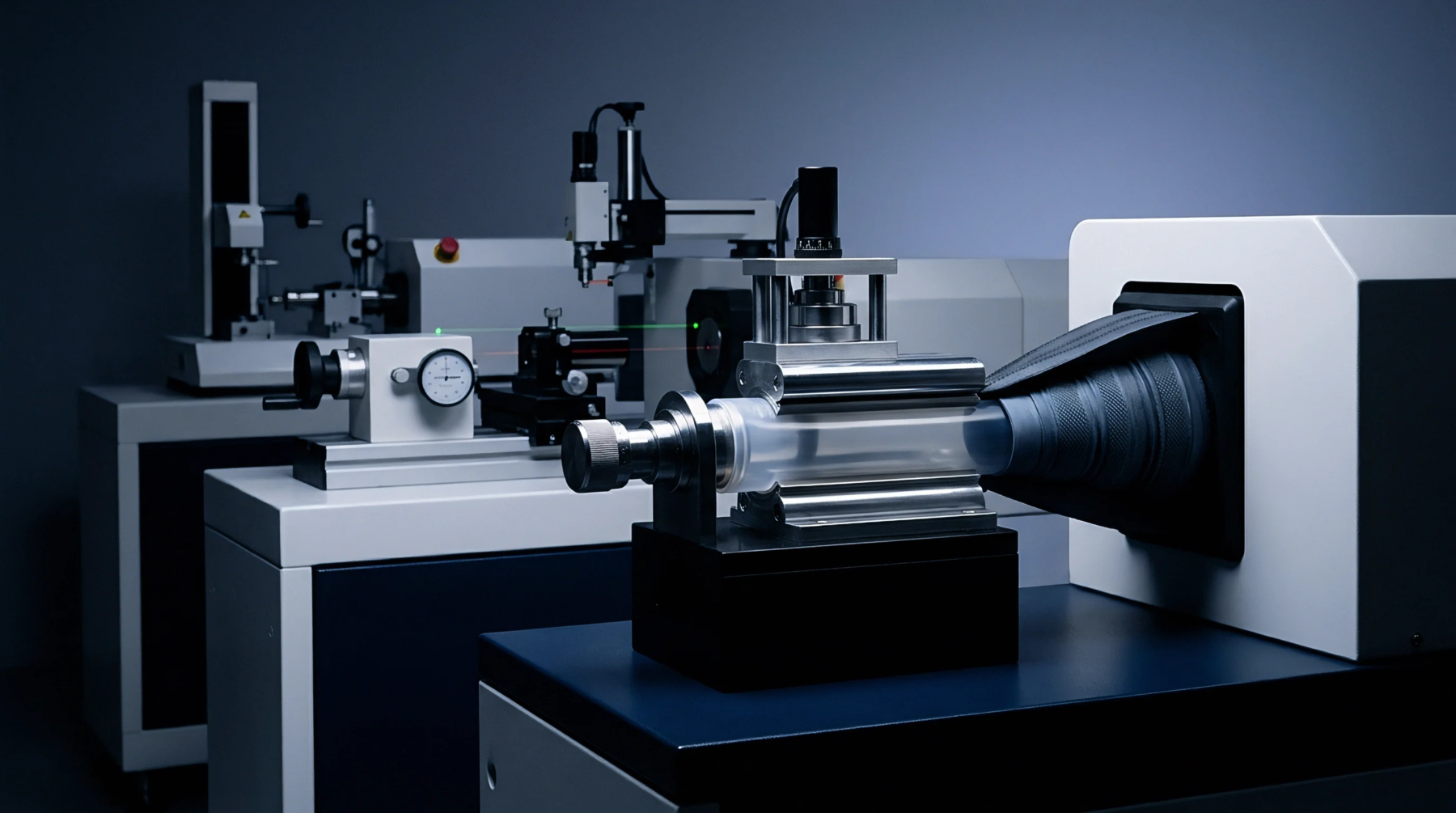
Stabilizing post-consumer flake requires baseline infrared oxidation metrology paired with balanced phenolic-phosphite packages to prevent melt chain scission.
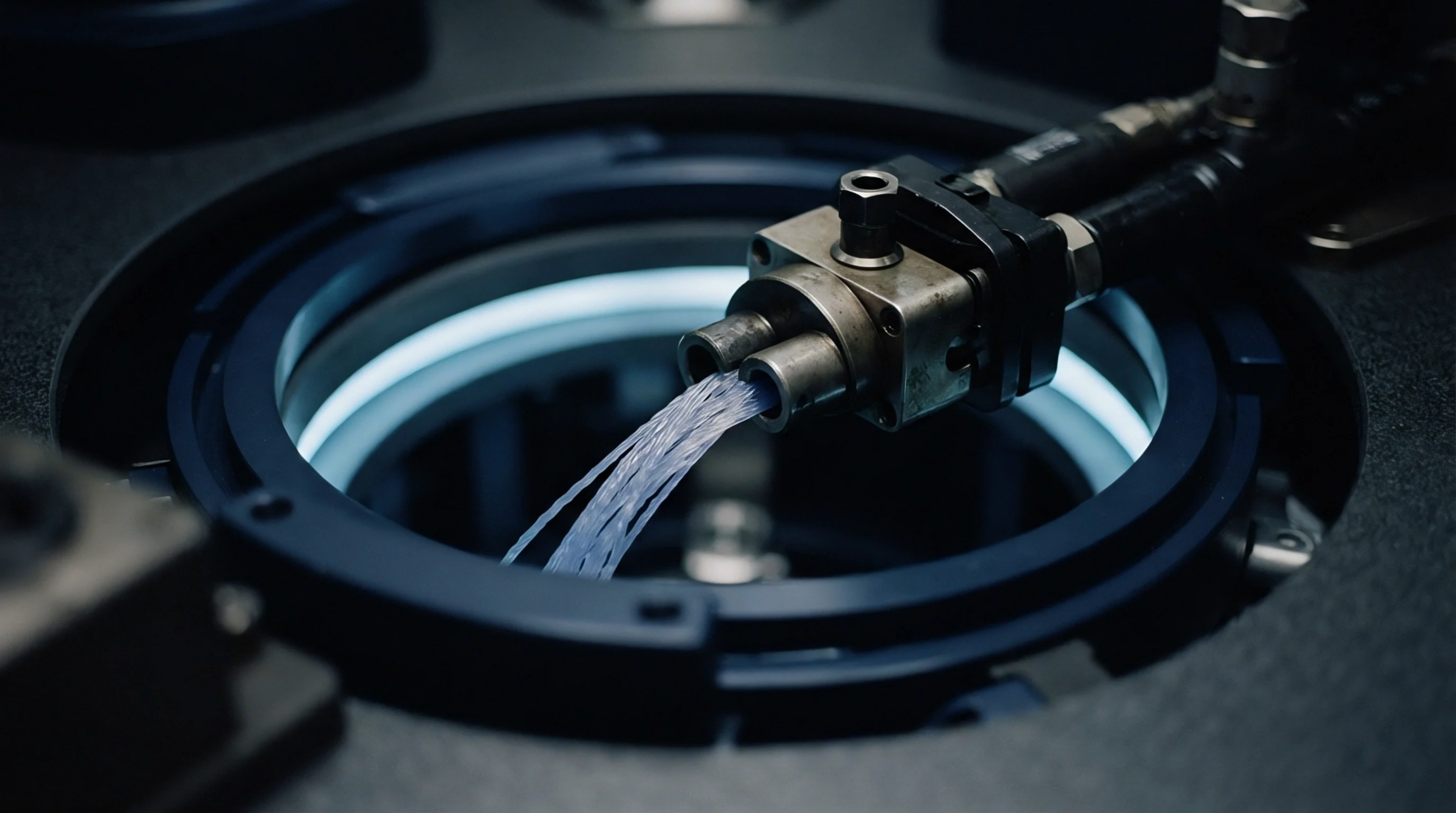
Zero-shear viscosity drops exponentially before MFR shifts, providing an early indicator of antioxidant depletion in recycled polypropylene.
Optimal thermal oxidation stabilizer letdown ratios for post-consumer polyethylene balance melt shear degradation with active antioxidant dosing to minimize landed part cost.
Expertise is a utility, not a secret. sentiention™ publishes its working knowledge as open reference: intelligence layer covering the materials it sources, the markets it enters, and the reference that serves both.