Meaning
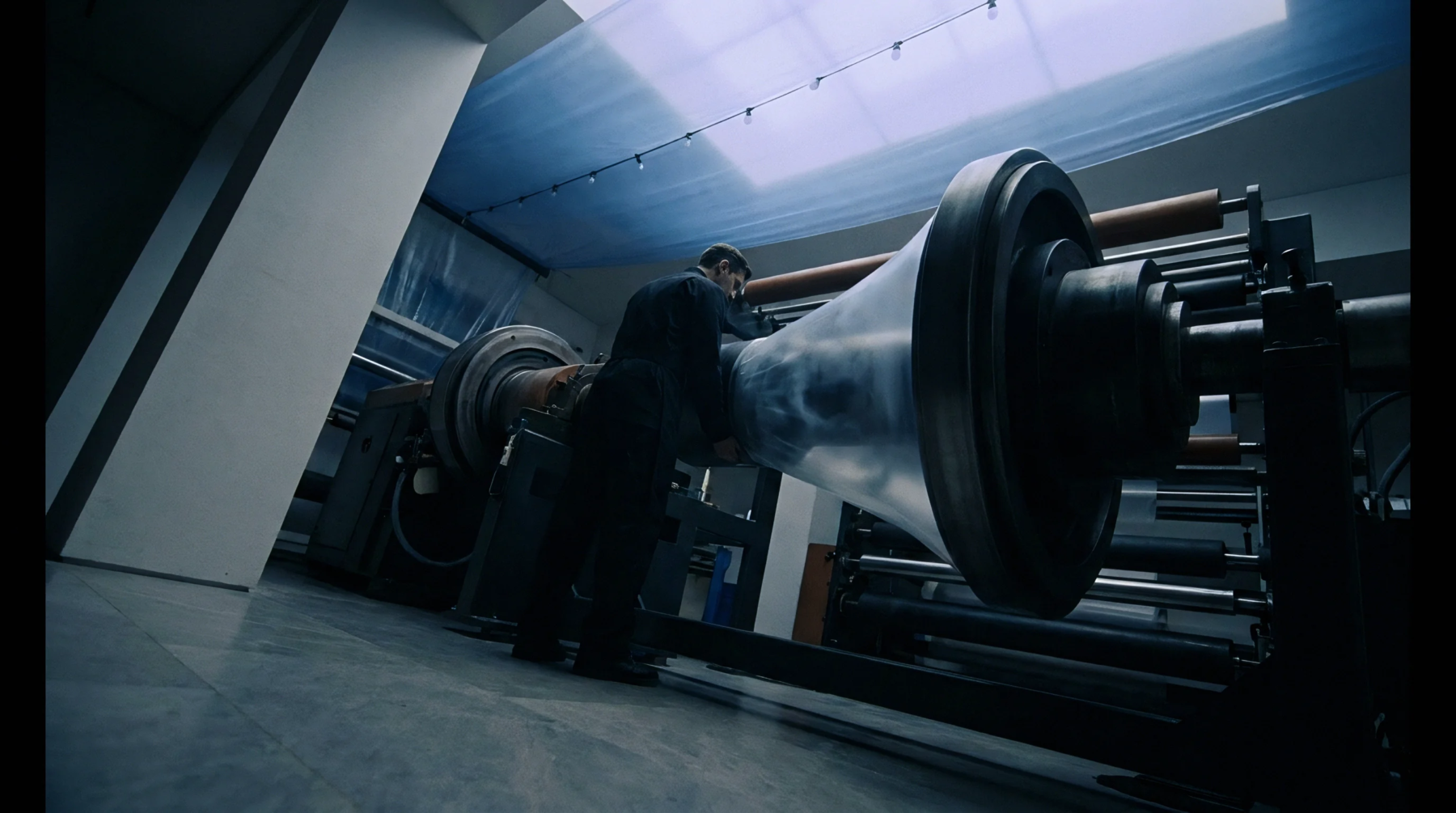
Continuous thermomechanical processing of semi-crystalline polyolefin resins converts solid pellets into continuous profiles, sheet, pipe or blown film through heated screw barrels. Executing polypropylene extrusion demands precise barrel temperature control and screw design to manage high melt elasticity and crystallization behavior. The process melts polymer granules through friction and barrel heating before pumping the homogenized melt through a shaping die.
This converting method applies to homopolymer, random copolymer and impact copolymer grades, but improper temperature profiles cause melt fracture and gauge variation in finished products.
Melt Viscosity
Viscoelastic behavior dictates how polymer melt flows through adapter blocks and shaping dies. Controlling shear rates during polypropylene extrusion prevents melt fracture and sharkskin surface defects on extruded profiles. High melt strength resins improve bubble stability in blown film lines and prevent sag in large diameter pipe profiles.
Screw designs with high L/D ratios ensure uniform melt temperature distribution prior to die entry.
Thermal Degradation
Exposing polyolefin melt to high barrel temperatures triggers chain scission along tertiary carbon sites. Uncontrolled thermal history during polypropylene extrusion increases melt flow index and lowers tensile strength in extruded products. Secondary antioxidants like phosphites scavenge hydroperoxides to mitigate chain scission during long residence times.
Excess regrind incorporation alters shear viscosity and destabilizes extrudate dimensions.
Die Swell
Elastic recovery upon exit from die orifice expands profile cross sections beyond tooling dimensions. Managing swell during polypropylene extrusion requires precise die land design and melt temperature adjustment. High molecular weight fractions increase elastic recovery and die swell ratios.
Calibration cooling units fix final dimensions before extrudate cools completely.