Volatile Extraction and Titration Frameworks for Recycled Polyolefin Pellets
Coupling thermal desorption solvent extraction with non aqueous potentiometric titration quantifies volatile contaminants and acid values in recycled polyolefins.
Trap
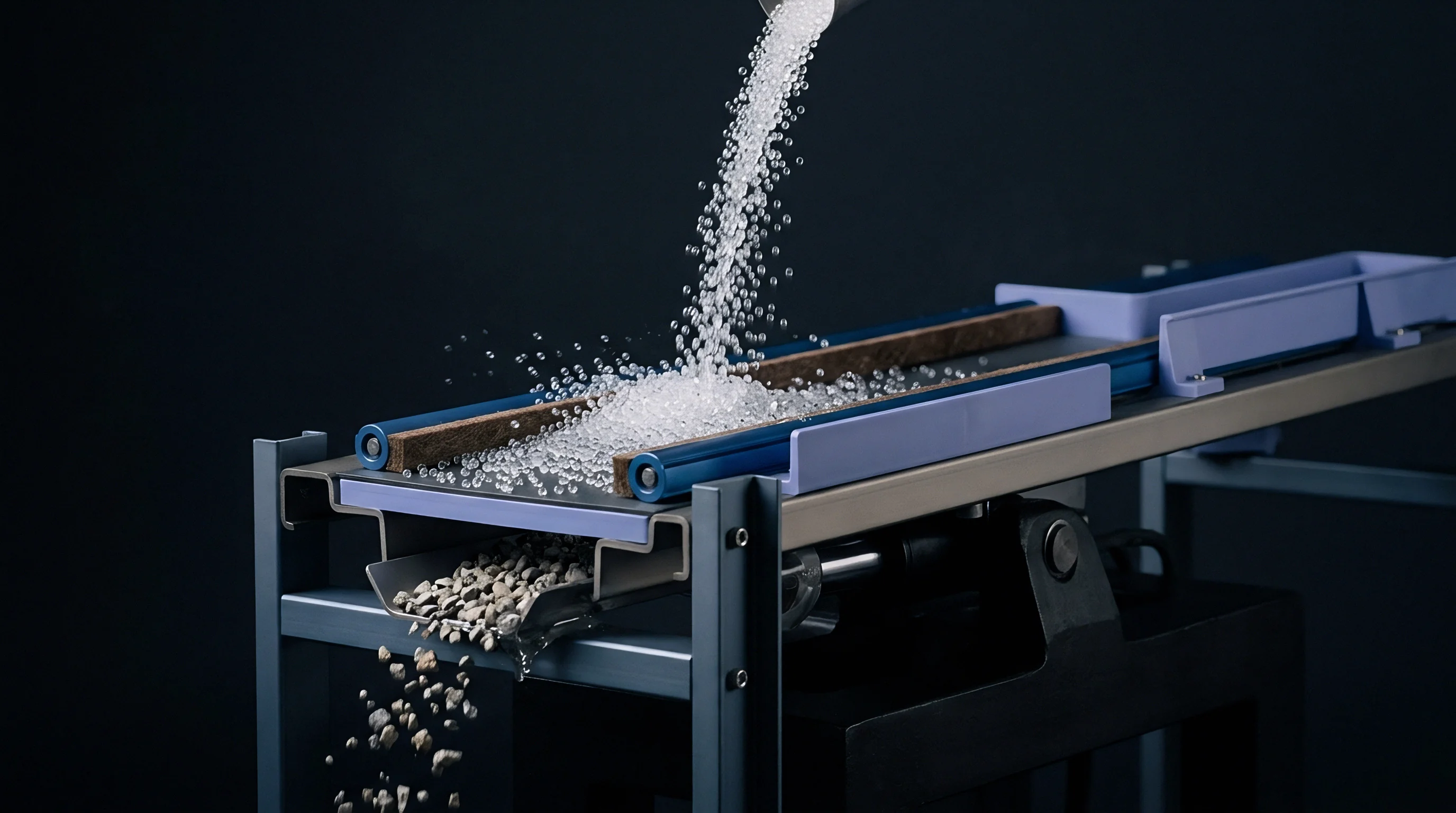
Heating post-consumer polyethylene and polypropylene resins between 120 °C and 200 °C extracts trapped low-molecular-weight compounds. Recycled polyolefin pellets contain residual solvents, degraded additives, oligomers, and absorbed environmental contaminants. Quantifying these volatile fractions requires direct coupling of thermal desorption to sorbent media or gas chromatography sampling loops.
Headspace Thermal Desorption Dynamics
In dynamic headspace sampling, nitrogen or helium sweeps across heated pellets in sealed stainless steel vessels. Flow rates between 30 and 100 mL/min strip volatiles as they partition out of the polymer matrix. Solid-phase microextraction fibers coated with divinylbenzene, carboxen, or polydimethylsiloxane collect organic compounds from C4 to C22.
Because dynamic extraction continuously removes volatiles over time, it outperforms static equilibrium methods on post-consumer HDPE bottles and post-industrial polypropylene scrap.
Cell temperature controls extraction yield while protecting against polymer breakdown. Heating at 150 °C for 40 minutes releases volatile organics from recycled HDPE without clipping the polymer backbone. Lower temperatures fail to drive out heavier volatiles like limonene or oxidation byproducts from the pellet core, undercounting total emissions, while excessive heat degrades the polymer and creates synthetic artifacts that obscure real contamination.
Sorbent Media Selection Criteria
Multi-bed tubes pairing Tenax TA with carbon molecular sieves trap polar and non-polar volatiles together. Managing moisture during dynamic purging is critical: water from recycled flakes freezes in cryogenic traps and degrades chromatography columns. Hydrophobic media keep water off the trap while retaining target aldehydes, ketones, and aromatic hydrocarbons.
Analytical gas desorption conducted at 150 °C under a 50 mL/min helium purge for 45 minutes recovers over 94 percent of C6 to C18 volatile organic compounds from post-consumer polypropylene pellets.
| Extraction Method | Temperature Range | Sorbent / Medium | Target Compound Class | Lower Detection Limit |
|---|---|---|---|---|
| Static Headspace (HS-GC) | 120 °C – 140 °C | Gas Equilibrium Phase | Light Solvents (C3–C8) | 0.5 ppmw |
| Dynamic Headspace (DHS) | 130 °C – 160 °C | Tenax TA / Carbotrap | Odorants, Terpenes (C6–C15) | 0.05 ppmw |
| Direct Thermal Desorption (TD) | 150 °C – 200 °C | Multi-bed Carbon Tube | Oligomers, Additive Fragments | 0.1 ppmw |
| Solvent Micro-Extraction | 80 °C – 110 °C | Dichloromethane / Xylene | Heavy Oxidation Residues | 1.0 ppmw |
Purge times are limited by sorbent breakthrough volumes. Over-purging a Tenax tube drives lighter species like valeraldehyde and ethyl butyrate out through the exhaust vent. Baseline stability is restored through re-equilibration cycles before thermal injection, after which GC-MS identifies the individual fractions to map the contamination profile.
Residual volatile mass loss below 0.5 percent by weight does not guarantee that recycled polyolefin pellets match virgin resin performance without targeted deodorization or degassing.
Dissolution
Dissolving high-density polyethylene and polypropylene pellets liberates non-volatile oxidation products and functionalized additives for liquid-phase analysis. Full matrix solubilization untangles polymer chains, bringing carboxylic acids, hydroperoxides, and esters into homogeneous solution. The choice of non-aqueous solvent determines chemical stability throughout subsequent volumetric titrations.

Xylene Toluene Solvent Matrices
Refluxing polyolefin samples in ortho-xylene or toluene at 110 °C to 135 °C breaks down semi-crystalline domains. As polymer chains uncoil, internal carbonyl and carboxyl groups become accessible. Accumulated acid values reflect thermo-mechanical damage from previous processing and use.
Solvents must be completely dry to prevent phase separation when titrants are added.
A 1:2 mixture of isopropanol and toluene provides a stable medium for non-aqueous titrations. Small amounts of methanol boost ionic conductivity without precipitating the polymer. Allowing the solution to cool below 80 °C risks crystallization, which traps functional groups and depresses measured acid numbers.
Maintaining solvent temperatures above 85 °C prevents polymer recrystallization during liquid titration steps.
Blank corrections compensate for trace acidity in commercial solvent grades. Solvents absorb atmospheric carbon dioxide, generating carbonic acid that shifts titration endpoints. Running blank titrations alongside sample digestions establishes an accurate baseline.
Thermal Extraction Cell Preparation
Preparing polymer solutions demands heating under a nitrogen blanket to block ambient oxidation, which would otherwise form synthetic hydroperoxides and carboxylic groups. Using glass reflux hardware with PTFE sleeves avoids grease contamination during hot digestion.
- Pellet Comminution reduces sample particle size to under 0.5 mm through cryogenic milling with liquid nitrogen.
- Mass Determination weighs 2.000 g to 5.000 g of ground polymer on an analytical balance reading to 0.1 mg.
- Solvent Additive Charging adds 75 mL of anhydrous toluene and 25 mL of isopropanol to the reaction vessel.
- Inert Gas Purging runs nitrogen through the liquid phase at 100 mL/min for 10 minutes.
- Reflux Digestion heats the mixture to 115 °C with light stirring until the solution turns clear.
Full digestion ensures uniform titrant access throughout volumetric neutralization.


Residues
Oxidative degradation forms distinct oxygenated groups along polyolefin chains. Hydroperoxides are the primary product of melt processing in trace oxygen; their homolytic cleavage subsequently yields aldehydes, ketones, esters, and terminal carboxylic acids. Measuring these species tracks the thermo-mechanical history of post-consumer resin.
Oxidative Functional Groups in Recycled Polyolefins
Carboxylic acid groups introduce polarity to hydrophobic polyolefins and alter melt rheology. High acid levels weaken melt strength and corrode extrusion dies. Esters and ketones act as photosensitizers that degrade UV stability in finished goods.
Total acid number thus serves as an indicator of cumulative thermal damage over successive recycling passes.
Unvented extrusion causes acid values to spike, though baseline levels vary widely across collection streams. Polymerization catalyst residues ~ including titanium, chromium, and organo-aluminum traces ~ further accelerate degradation during compounding by catalyzing peroxide decomposition and generating secondary radicals.
Recycled polypropylene containing hydroperoxide levels above 5.0 mmol/kg exhibits rapid melt flow rate increases during secondary extrusion.
Volatile Organic Contaminant Profiles
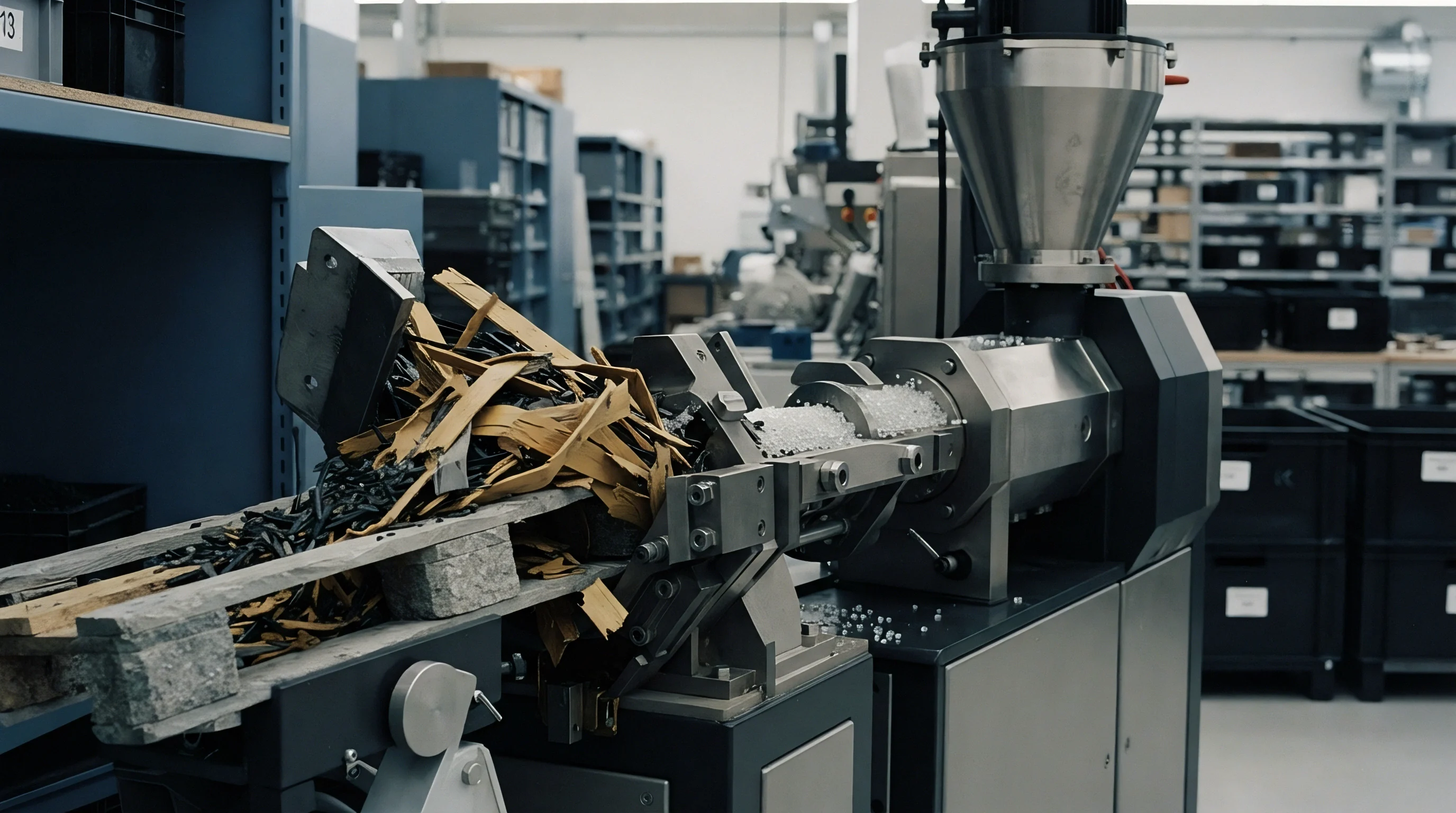
Oxidation yields both volatile and non-volatile fractions. Volatiles generate foul odors, whereas non-volatile oxidized chains degrade physical properties. Terpenes such as limonene readily absorb into HDPE containers used for personal care products, requiring high-temperature thermal stripping or extruder vacuum degassing for removal.
| Residue Type | Origin Mechanism | Analytical Method | Primary Target Parameter | Impact on Resin |
|---|---|---|---|---|
| Hydroperoxides (ROOH) | Primary Auto-oxidation | Iodometric Redox Titration | Peroxide Value (mmol/kg) | Autocatalytic Chain Scission |
| Carboxylic Acids (RCOOH) | Secondary Peroxide Decay | Potentiometric Titration | Acid Value (mg KOH/g) | Corrosivity, Die Buildup |
| Limonene / Odorants | Consumer Product Absorption | Dynamic Headspace GC-MS | TVOC Concentration (ppmw) | Organoleptic Failure |
| Short-Chain Oligomers | Thermal Chain Scission | Thermal Desorption GC-FID | Volatile Mass Loss (%) | Processing Smoke, Fogging |
Residual volatiles can migrate into packaged contents, impairing taste and smell. Lighter species diffuse faster through LDPE than HDPE because LDPE contains greater amorphous free volume. Screening volatile levels determines whether material meets quality demands for closed-loop packaging.
Interface mass transfer rates govern how polar carboxylic acids partition between molten polyolefin and organic solvents during dynamic washing.
Flask
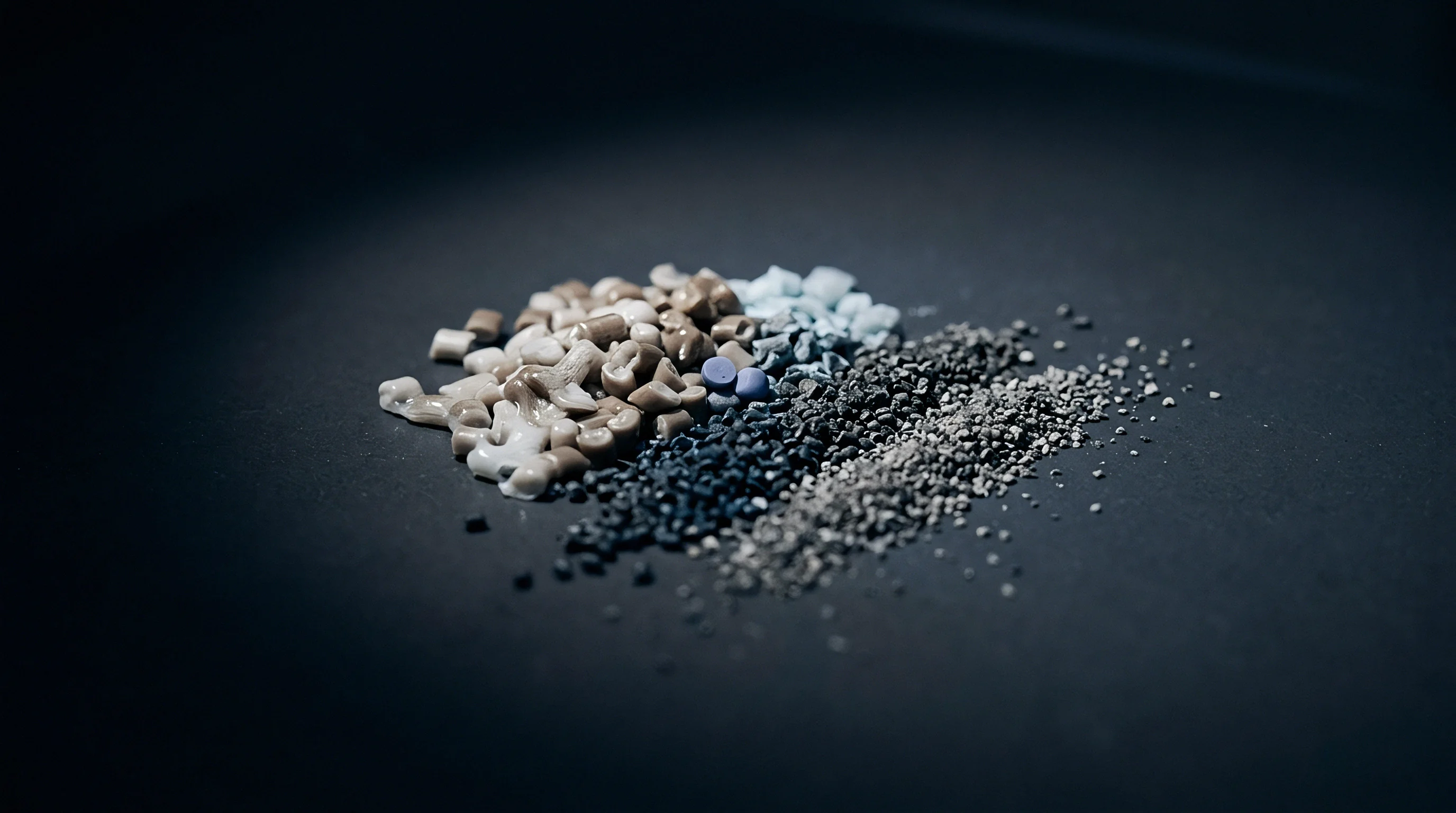
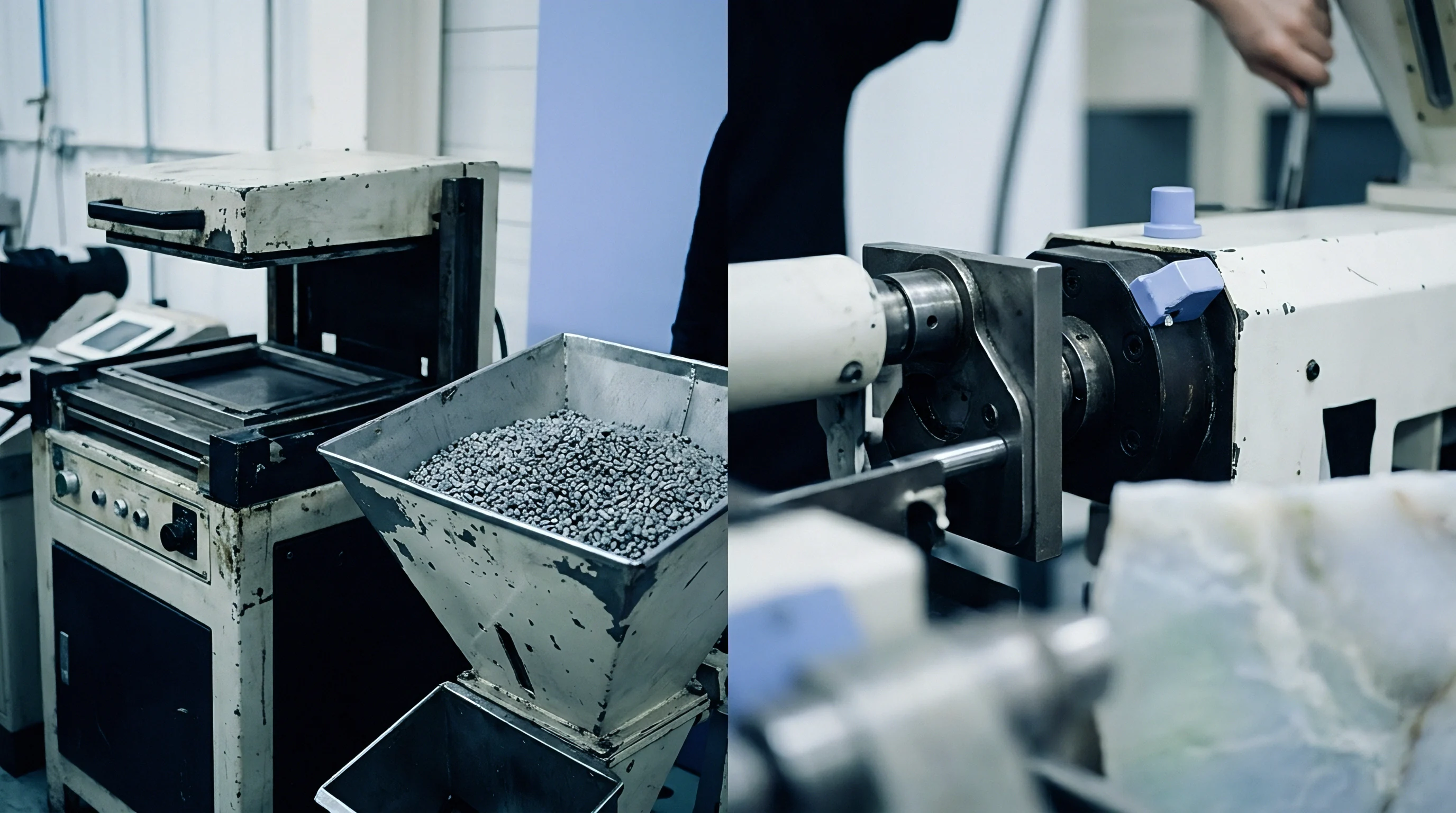
Dissolving polyolefins prior to volumetric titration allows precise measurement of acidity, hydroperoxides, and trace moisture. Standard aqueous methods fail because the polymer precipitates and phases separate. Non-aqueous potentiometric and coulometric techniques bypass these solubility issues, resolving low concentrations of functional groups.
Nonaqueous Potentiometric Titration of Recycled Polyolefins
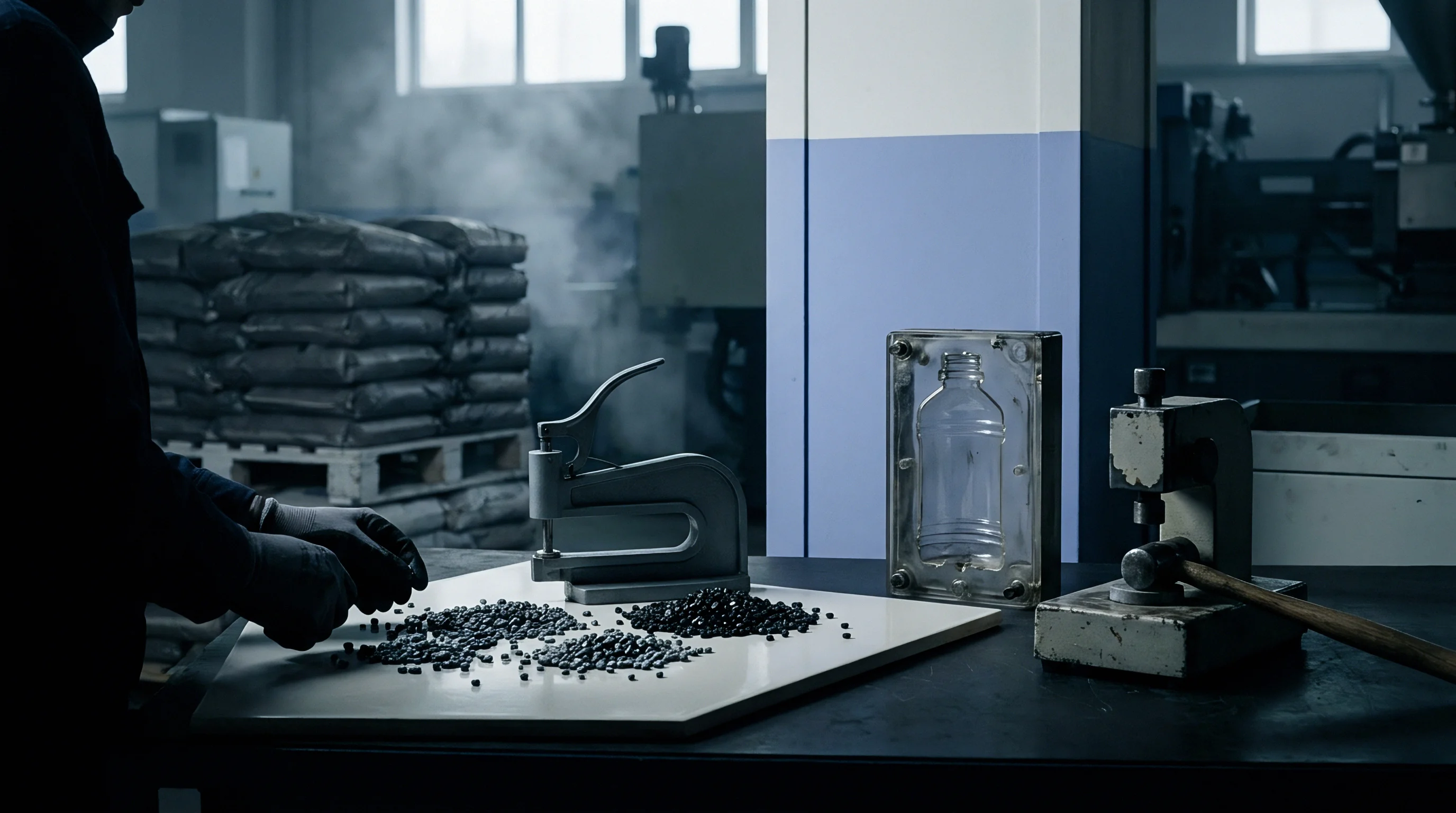
Potentiometric titration using non-aqueous potassium hydroxide accurately measures acidic species in oxidized polyolefins. Standard protocols like ASTM D1386 and ISO 2114 can be adapted by altering solvent ratios to keep the polymer in solution. A glass indicator electrode coupled with a lithium chloride reference electrode yields steady readings in toluene-isopropanol, with the equivalence point marked by a sharp drop in potential.
Acid Number (AN) is calculated using the following equation:
Acid Number = ((V – B) N 56.1) / m
Where V is the volume of potassium hydroxide titrant at the endpoint in milliliters, B is the blank titrant volume in milliliters, N is the exact normality of the standardized KOH solution, 56.1 is the molar mass of KOH in grams per mole, and m is the dry sample mass in grams.
For a 4.500 g sample of recycled polypropylene pellet digest consuming 1.85 mL of 0.025 N KOH titrant against a 0.10 mL blank titration:
Acid Number = ((1.85 – 0.10) 0.025 56.1) / 4.500 = 0.545 mg KOH/g
An acid number of 0.545 mg KOH/g reflects moderate oxidative damage, signaling possible depletion of processing antioxidants.

Karl Fischer Moisture Determination
Moisture in recycled polyolefin pellets decomposes hydroperoxides and creates steam voids during processing. In coulometric Karl Fischer testing, an oven evaporator heats the resin to 170 °C, driving water vapor into the titration cell under dry nitrogen gas. Electrolytically generated iodine reacts quantitatively with the desorbed water.
Keeping moisture below 200 ppmw prevents void formation when molding thin-walled containers.
| Titration Category | Reagent System | Detection Principle | Standard Standard Method | Typical Recyclate Value |
|---|---|---|---|---|
| Potentiometric Acid Value | 0.01M KOH in Isopropanol | Glass/LiCl Combination Electrode | ISO 2114 / ASTM D1386 | 0.10 – 1.20 mg KOH/g |
| Iodometric Peroxide Value | Sodium Thiosulfate / KI | Colorimetric / Potentiometric | ASTM E298 Modified | 0.5 – 12.0 mmol/kg |
| Coulometric Karl Fischer | Iodide / Sulfur Dioxide | Electrochemical Oxidation | ISO 15512 Method D | 50 – 500 ppmw |
| Non-Aqueous Basic Value | Perchloric Acid in Acetic Acid | Potentiometric End Point | ASTM D2896 Modified | 0.02 – 0.30 mg KOH/g |
Iodometric titration measures hydroperoxides by reaction with potassium iodide in acidic solution, titrating the liberated iodine against standardized sodium thiosulfate. Because hydroperoxides break down under heat and UV light, rapid sample handling is necessary for repeatable measurements.
Skipping non-aqueous titration protocols leads to processing failures, sudden viscosity drops, die buildup, and premature failure of molded parts in service.
Limits
Technical specifications impose ceiling limits on total volatiles, acid values, and hydroperoxides in recycled polyolefins. Exceeding these thresholds impairs melt stability and part performance. Sourcing procedures require lab verification against max limits before approving silo offloading.
Baseline Thresholds for Volatile Organic Compounds
Automotive interior standards restrict Total Volatile Organic Compounds (TVOC) to under 50 ppmw by VDA 278 thermal desorption, as higher levels cause windshield fogging and cabin odor. Packaging-grade HDPE limits volatile mass loss to 0.15 percent by weight after 4 hours at 105 °C; values above this point point to unremoved wash solvents or residual monomers.
Acid values govern stabilizer additions during compounding. Resins above 0.80 mg KOH/g require supplementary antioxidant packages containing primary phenolics and hindered amine light stabilizers. Without re-stabilization, high-acid resins degrade rapidly during conversion.
Standard automotive specifications reject recycled polypropylene lots exhibiting dynamic headspace volatile emission levels above 100 µg/g organic carbon equivalent.

Quantitative Standard Specifications
Quality control relies on statistical sampling of incoming lots, evaluating composite samples across each shipment.
- Total Volatile Organic Loss must remain below 0.20 percent by weight per ISO 1269.
- Potentiometric Acid Number must not exceed 0.50 mg KOH/g to ensure thermal stability.
- Hydroperoxide Concentration must remain under 2.0 mmol/kg to prevent autocatalytic degradation in the mold.
- Coulometric Moisture Content must not exceed 150 ppmw before extrusion.
Inconsistent sampling produces conflicting volatile results between laboratories. Standardizing collection protocols ensures consistent compliance across supply chains.
Procurement contracts require ISO 17025 test certificates, conditioning lot approval on verified acid numbers and dynamic headspace volatile limits.
Settlement
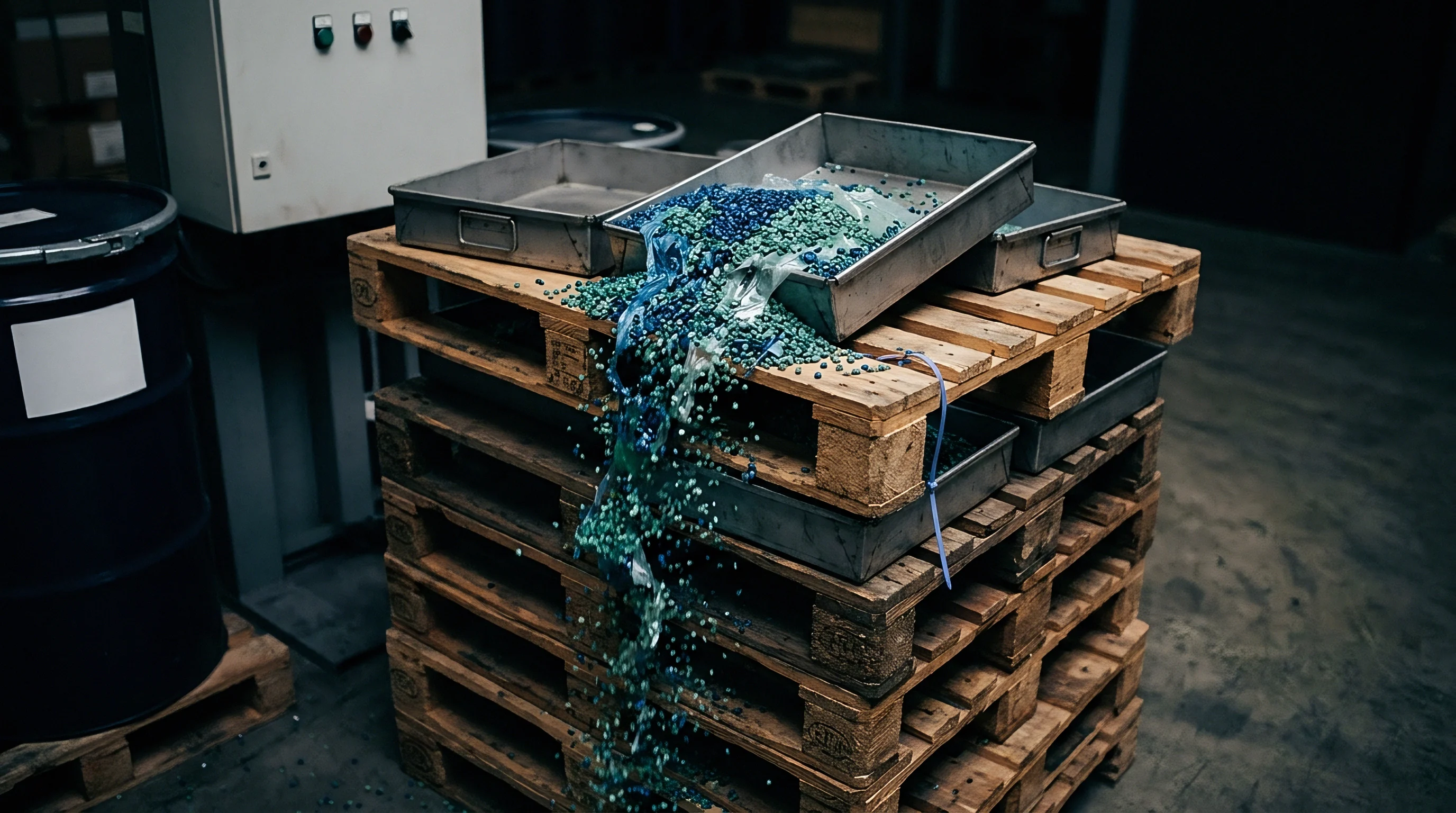
Discrepancies between certificate-of-analysis data and receiving lab test results trigger price adjustments. Excess volatiles or elevated acid values lower the usable value of the compound, with deductions covering extra degassing, additional additive loading, or material reclassification.
Commercial Price Adjustments for off Spec Shipments
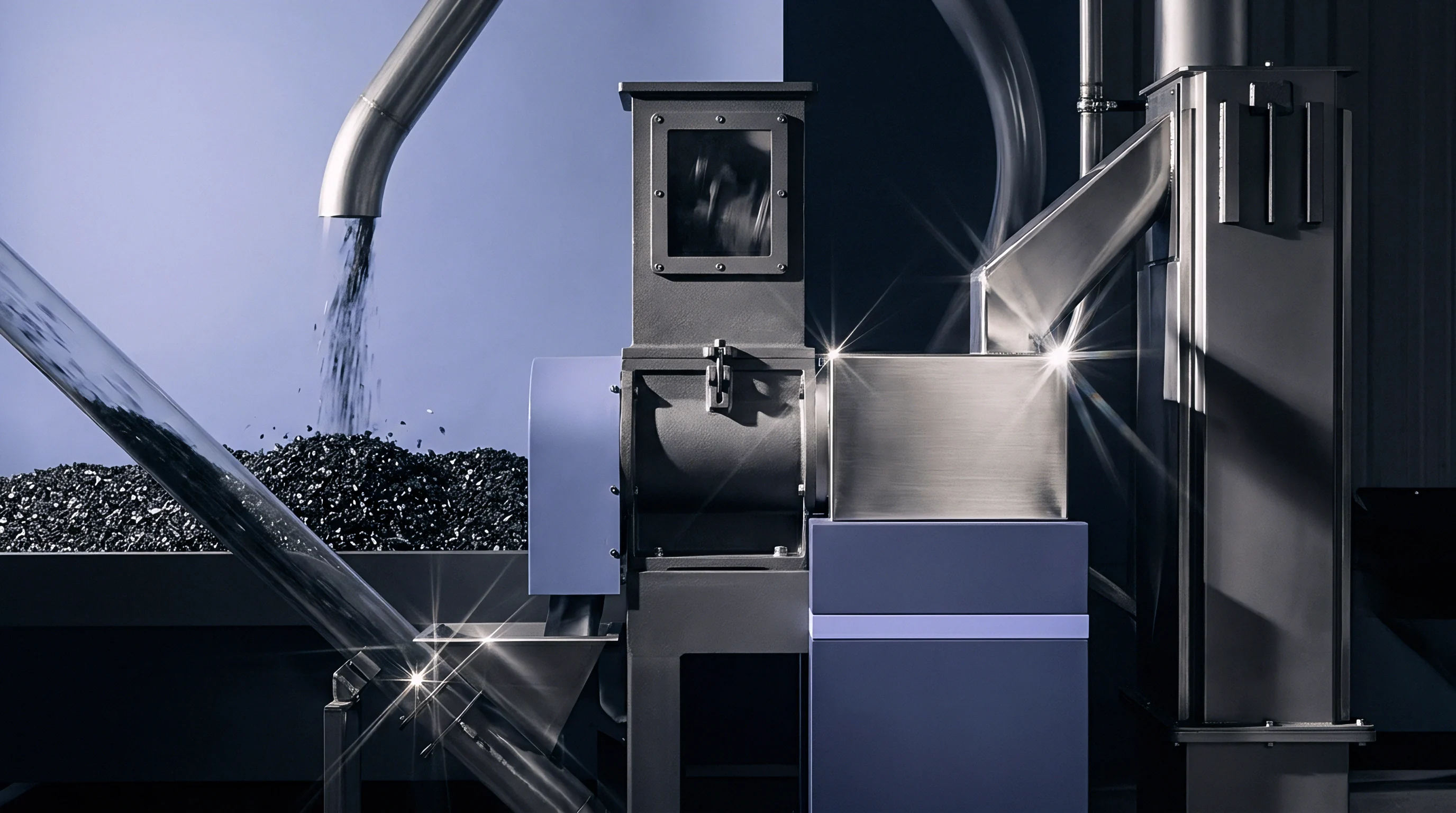
High volatile levels force lower extruder throughput and increase the load on vacuum degassing systems. Elevated acid numbers demand added stabilizer packages during compounding. Financial adjustments follow tiered penalty scales based on the degree of deviation.
| Analytical Parameter | Contract Specification | Measured Range | Financial Deduction | Commercial Consequence |
|---|---|---|---|---|
| Total Volatile Loss | < 0.15 wt% | 0.16 – 0.30 wt% | EUR 45.00 per tonne | Required Secondary Vacuum Degassing |
| Total Volatile Loss | < 0.15 wt% | > 0.30 wt% | EUR 120.00 per tonne | Full Rejection or Re-granulation |
| Acid Number | < 0.40 mg KOH/g | 0.41 – 0.80 mg KOH/g | EUR 35.00 per tonne | Mandatory Stabilizer Add-shot Fee |
| Acid Number | < 0.40 mg KOH/g | > 0.80 mg KOH/g | EUR 90.00 per tonne | Downgrade to Non-Critical Pipe Grade |
| Karl Fischer Water | < 150 ppmw | 151 – 400 ppmw | EUR 25.00 per tonne | Compulsory Pre-drying Pass Cost |
These price adjustments offset the operational costs of handling off-spec resins. Penalties apply to the net dry metric tonnage delivered.
Contractual Quality Assurance Terms
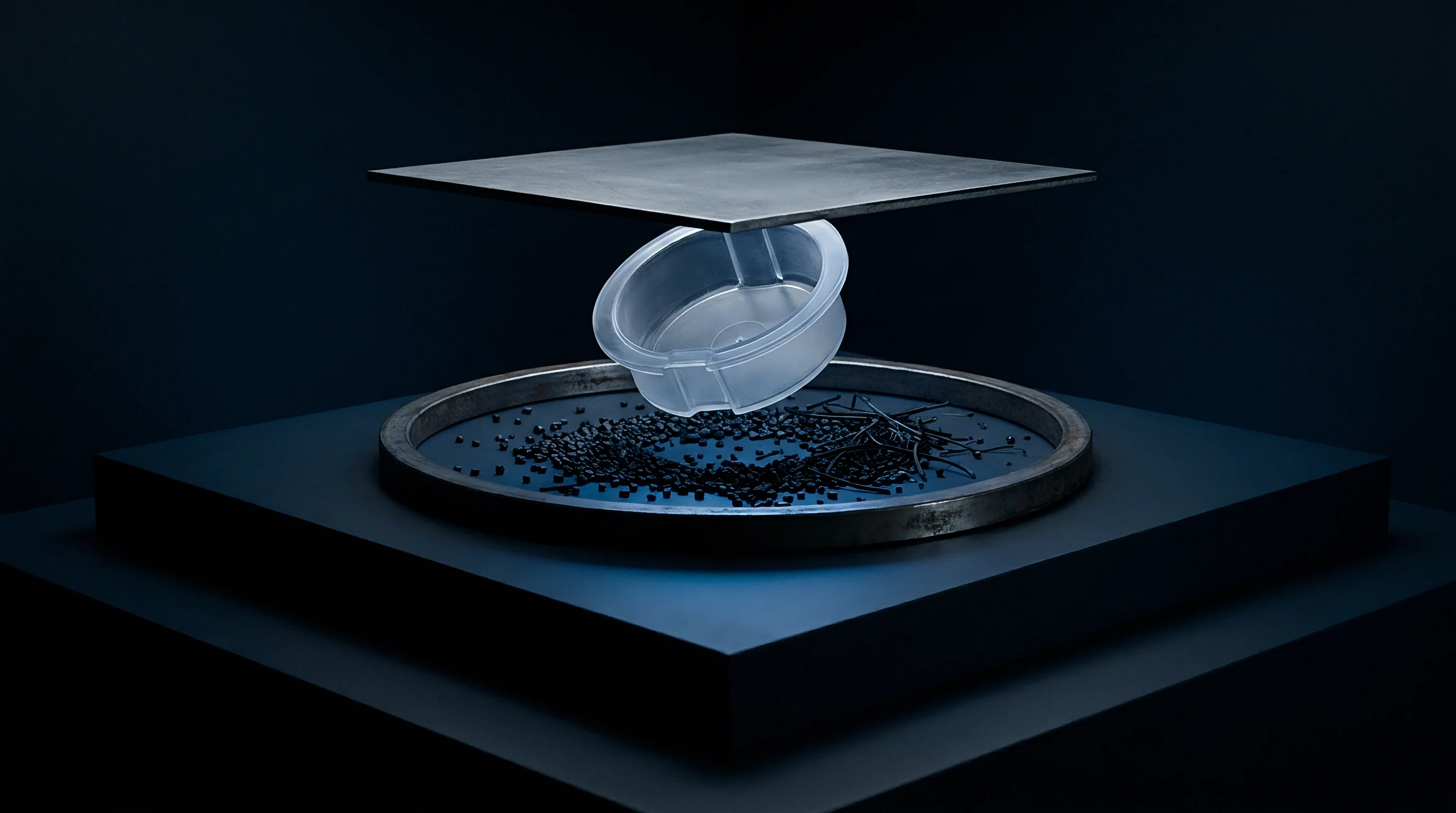
Procurement contracts outline clear testing windows and arbitration steps to handle disputes promptly upon shipment arrival.
- Sampling Isolation Protocol sets aside 10 percent of incoming gaylords or silo compartments for immediate sampling.
- Independent Referee Analysis routes disputed samples to an accredited third-party lab using identical non-aqueous titration procedures.
- Threshold Penalty Trigger issues immediate credit notes when volatile loss exceeds contract limits by over 0.05 percent by weight.
- Material Rejection Right allows full return of the shipment at seller expense if hydroperoxides exceed 5.0 mmol/kg.
A 0.30 mg KOH/g increase in polyolefin acid number increases required phenolic antioxidant dosing by 0.15 weight percent to prevent processing degradation.
Clear analytical specifications eliminate ambiguity in pricing recycled polyolefin lots. Standardized testing gives buyers and sellers a transparent basis for valuation across global recycling supply chains.