Meaning
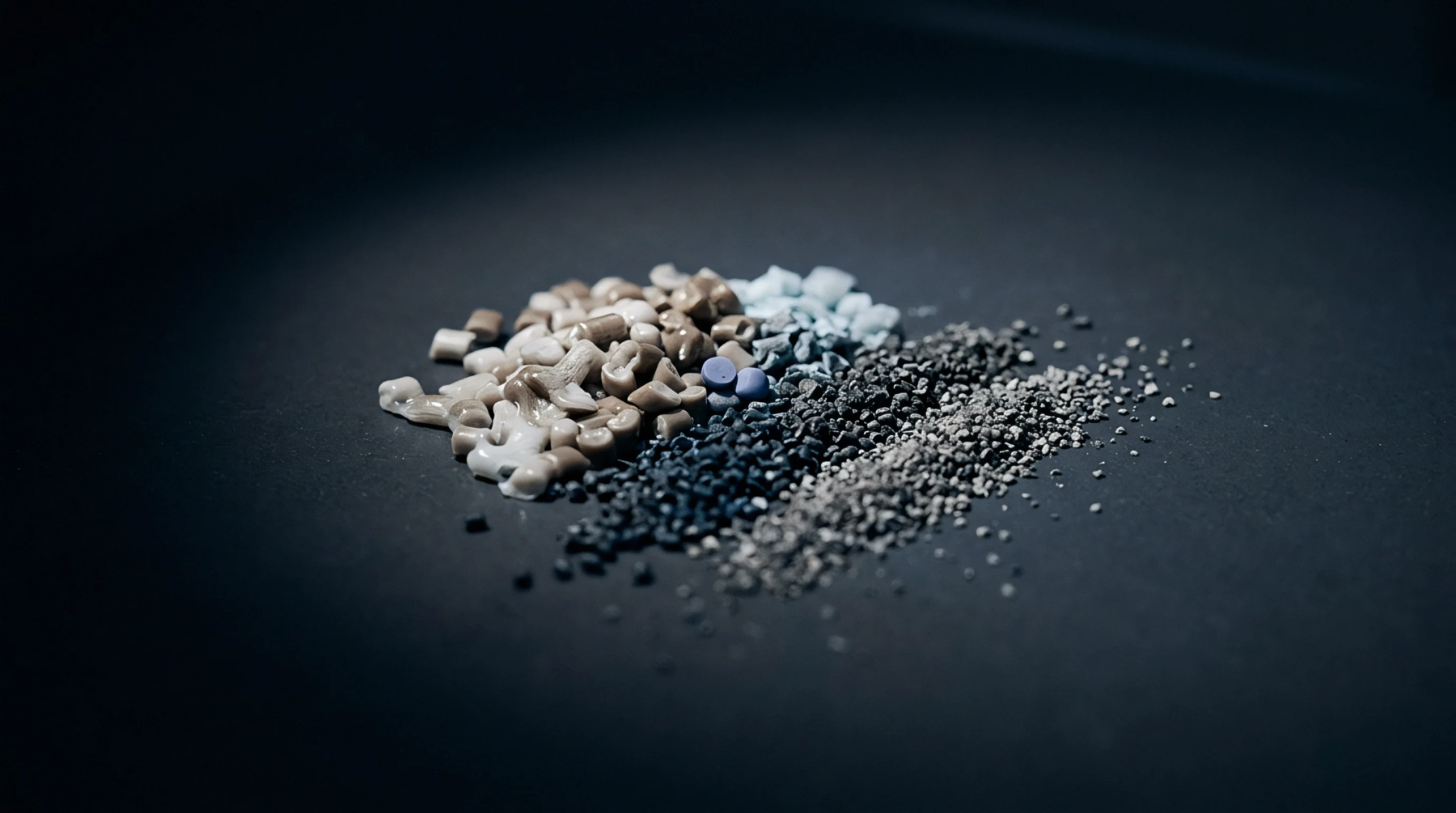
Physical reprocessing of plastic waste into reusable pellets or flakes without altering the chemical structure of the polymer represents the most common method of circular material recovery. Incorporating mechanical recycling into the polymer supply chain reduces the demand for virgin resins and lowers the carbon footprint of molded parts. This process includes sorting, washing, shredding, and extruding the recovered plastic.
It is widely used for polyolefins and polyethylene terephthalate, though it is less common for high-performance engineering plastics.
Processing Step
Contaminated post-consumer or post-industrial waste is first sorted by polymer type and color before being reduced to flakes. In the mechanical recycling workflow, the washing and drying steps are critical for removing adhesives and paper labels that would otherwise cause defects in the molded parts. The clean flakes are then compounded in an extruder to produce pellets that can be fed into standard injection molding machines.
Material Property
Thermal degradation occurs during each melt cycle, which reduces the molecular weight and shear viscosity of the recycled polymer. Materials processed via mechanical recycling generally exhibit lower impact strength and elongation at break compared to their virgin equivalents. To maintain the necessary mechanical properties in the final product, molders often blend the recycled resin with a specified percentage of virgin resin.
Economic Limit
The cost of sorting and cleaning post-consumer waste can sometimes exceed the market price of virgin resins, depending on oil prices. This makes mechanical recycling highly dependent on regulatory mandates and brand sustainability commitments rather than simple cost savings.