Mechanical Ink Set off Dynamics in Printed Web Rolls
Optimize roll winding tension and UV cure density to eliminate mechanical ink set-off and hold specific photoinitiator migration below legal regulatory limits.


Spool
Internal stress distribution within a wound web roll directly governs the physical proximity and contact force between a printed outer film surface and the unprinted inner food-contact side of the adjacent web layer. Continuous converting operations roll finished packaging films onto central cores under controlled web tension, web speed, and nip roller pressure. As winding progresses, successive film wraps exert cumulative radial pressure toward the inner core, generating compressive forces that drive migration by forcing non-cured ink constituents, low molecular weight photoinitiators, and fluid slip additives into intimate mechanical contact with the backing polymer face.
Mechanical set-off occurs when the physical contact stress across web faces overcomes the internal cohesive forces of the ink film or the surface energy barrier of the non-printed polymer substrate. Mathematical modeling of roll structures shows that internal radial stress peaks several layers above the rigid winding core rather than distributing uniformly throughout the reel diameter. Flexible plastic films undergo viscoelastic creep over storage time, causing local stress relaxation while maintaining static contact pressures that facilitate component transfer.
When high tension profiles couple with thermal expansion during warm warehouse conditions, microscopic surface asperities yield, increasing the contact surface area between layers.
Because tightly wound rolls trap residual volatile compounds, winding tension controls both macro-level pressure distributions and micro-level interface air gaps, determining whether mobile ink compounds remain bound within the ink matrix or migrate into the adjacent inner film layer. Reducing web tension during winding mitigates radial stress peaks, but excessive tension drop introduces mechanical roll defects such as telescoping, dish-shaped deformation, and inner wrap buckling. Achieving web structural stability while suppressing pressure-induced set-off requires explicit optimization of taper tension control systems.
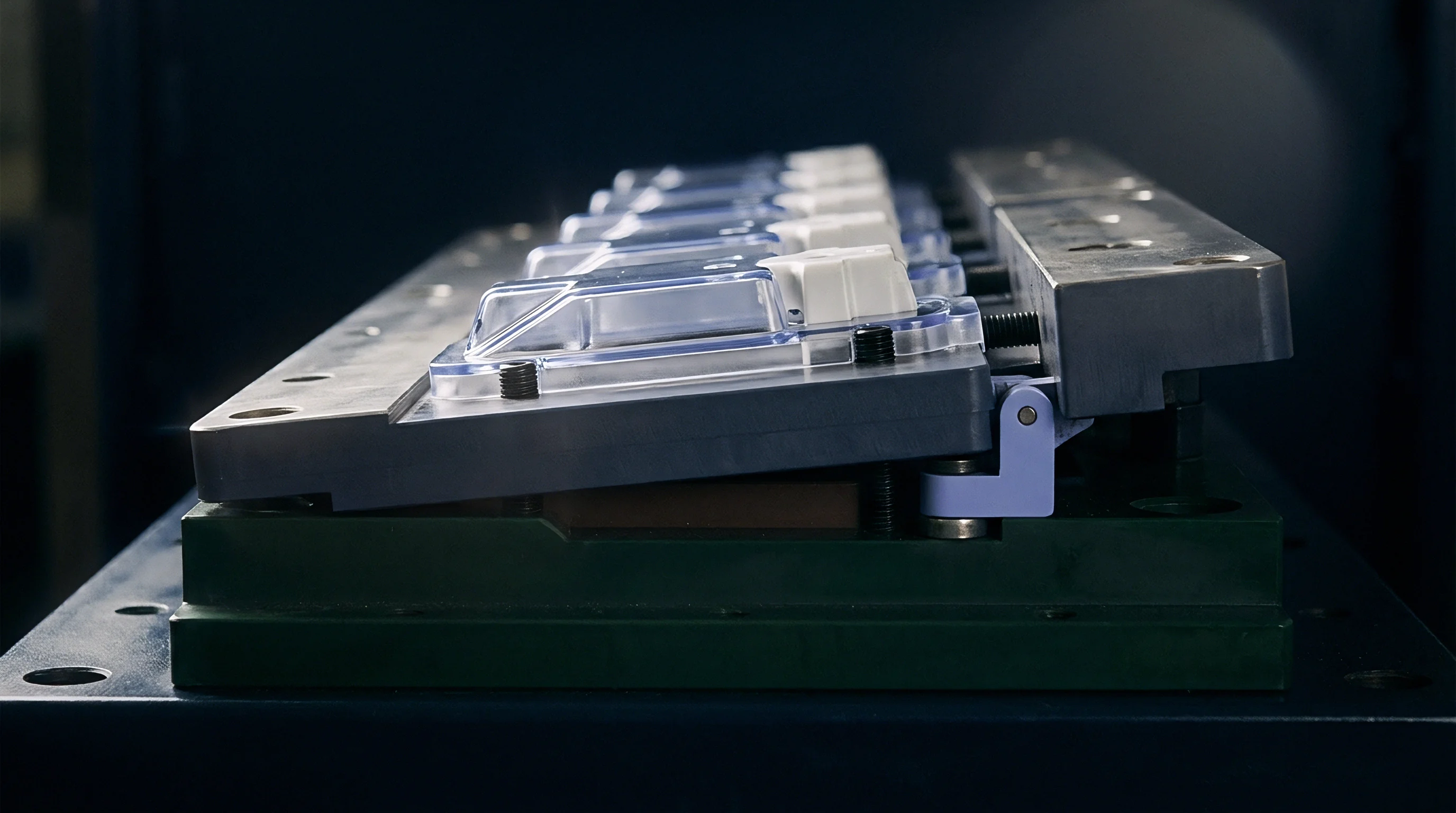
Winding Mechanics and Internal Radial Stress Calculations
Internal radial stress profiles across flexible polymer reels dictate the exact physical pressure applied to ink film interfaces. Standard wound roll stress calculations utilize non-linear elastic constitutive equations to account for film anisotropy, surface roughness compression, and core compliance. Radial pressure varies as a function of reel radius, web tension, film thickness, and the radial elastic modulus of the wound film pack.
The modified Hakiel non-linear winding model describes internal stress evolution across continuous wrapping sequences. Core stiffness provides a rigid boundary condition, creating a local stress concentration zone where radial pressure reaches multi-megapascal thresholds. Peak internal radial pressure profile values inside tightly wound flexible packaging rolls routinely range from 1.2 MPa to over 3.5 MPa.
Under these mechanical loads, soft ink vehicles, unreacted acrylate monomers, and unbound photoinitiators suffer dynamic phase migration, moving into surface micro-cavities on the unprinted film reverse side.
| Reel Position (mm from Core) | Applied Web Tension (N/m) | Radial Pressure Peak (MPa) | Interlayer Air Gap Thickness (µm) | Observed Set-Off Severity Index |
|---|---|---|---|---|
| 25 (Core Contact) | 350 | 3.42 | 0.08 | Critical Ink Transfer |
| 75 (Mid-Core Zone) | 310 | 2.85 | 0.12 | High Set-Off Risk |
| 150 (Mid-Roll Radius) | 260 | 1.94 | 0.25 | Moderate Set-Off Risk |
| 300 (Outer Wrap Zone) | 200 | 0.62 | 0.68 | Negligible Transfer |
Taper tension patterns directly influence internal compression curves. Constant tension winding schemes continuously increase internal radial pressure as roll diameter expands, maximizing set-off risks near the winding core. Programmable taper tension algorithms systematically reduce web tension as roll radius increases, linearizing internal radial stress profiles and maintaining interlayer boundary spacing above critical set-off thresholds.

Roll Structural Failures and Contact Mechanics
Interlayer contact dynamics inside stored rolls depend on localized mechanical stability and surface topography. Surface roughness profiles prevent full area contact by maintaining micro-void air channels between wrapped layers. When winding tension or thermal compression forces surface asperities to deform plastically, contact surface fractions approach unity, eliminating micro-void spacing and accelerating liquid-phase molecular transport.
- Interlayer blocking collapse occurs when soft unreacted ink resins soften under ambient temperature fluctuations, bonding adjacent film faces together into an irreversible solid block.
- Core proximity deformation generates extreme localized radial pressures that compress surface corona treatments, forcing non-cured organic photoinitiators into direct molecular contact with the base polyolefin matrix.
- Telescoping axial shear develops when insufficient tension allows adjacent wraps to slide laterally during transport, smearing partially cured ink solids across the unprinted contact layer.
- Thermal expansion compaction arises when web stock stored in non-climate-controlled logistics hubs expands radially, multiplying internal layer pressure and creating physical ink impressions on the reverse web surface.
Controlling physical contact geometry inside the reel demands careful alignment of film surface roughness parameters, ink drying efficiency, and web handling equipment settings. Static friction coefficients between printed ink surfaces and raw polymer films must remain balanced to prevent web slippage without inducing localized mechanical pinching. Evaluating internal stress profiles through finite element roll models establishes web winding limits that protect unprinted food-contact faces from contact transfer contamination.
A radial peak pressure exceeding 2.5 MPa at a core distance of 150 millimeters converts dynamic surface slip into permanent physical ink set-off across unprinted polyethylene contact films.
Because storage ambient conditions interact with mechanical stress states to alter ink film relaxation, elevated ambient temperatures accelerate diffusion rates. Resin binder matrices exhibit temperature-dependent glass transition behaviors, shifting from rigid glassy structures into compliant rubbery states under elevated storage conditions. Maintaining reel structural integrity while avoiding ink contact transfer requires operating well below the glass transition threshold of the cured ink vehicle.
Softening ink vehicles under static roll pressure promotes physical migration into the unprinted polyolefin inner surface, making web tension control a primary defensive measure against food packaging cross-contamination. Web tension set points must balance mechanical reel stability with interface contact pressure boundaries.


Transfer
Molecular transport of ink components across intimate web contact interfaces relies on combined physical set-off mechanisms and chemical thermodynamic driving forces. Printing inks applied to web materials consist of complex chemical mixtures: synthetic resin vehicles, pigments, organic solvents, reactive acrylate monomers, photoinitiators, plasticizers, surfactants, and slip additives. Unreacted low molecular weight constituents retain significant chemical mobility within the dried or cured ink matrix.
When printed film surfaces wrap against raw film backings under reel compression, volatile and semi-volatile molecules migrate across the contact interface into the unprinted polymer matrix.
Viscoelastic flow expands the interfacial contact area, leaving ink formulations that fail to achieve complete crosslinking or drying susceptible to liquid-phase capillary migration and solid-state diffusion. Ultraviolet curable inks present specific set-off challenges when polymerization processes suffer from oxygen inhibition or inadequate radiant UV dose during high-speed web runs. Oxygen molecules present at the surface of the ink film react with photoinitiator free radicals, forming stable peroxyl radicals that terminate growing acrylate polymer chains prematurely.
This reaction leaves a soft, liquid-rich boundary layer containing unreacted monomeric acrylates and residual photoinitiators directly against the contact film face.
Surface energy differentials between the printed ink film and the unprinted web backing dictate thermodynamic wetting and adhesion tendencies across the contact interface. Corona or plasma treatments applied to raw polymer films to improve liquid ink adhesion on the primary print face frequently increase the surface energy of the reverse side as well, particularly when double-sided treaters or high-energy treater roll bleed-through occurs. High surface energy on the reverse film side increases its thermodynamic affinity for polar ink additives, driving set-off migration during extended static roll storage.

Chemical Migration Kinetics and Photoinitiator Mobility
Uncured photoinitiators represent the primary class of mobile set-off contaminants identified in flexible food packaging webs. Common free-radical photoinitiators, including Benzophenone, Isopropylthioxanthone (ITX), 4-Methylbenzophenone, and 2-Ethylhexyl-4-dimethylaminobenzoate, possess molecular weights under 500 Daltons and relatively low boiling points. Their compact molecular structures allow rapid diffusion through non-crosslinked polymer networks and liquid ink vehicles.
Set-off kinetics follow Fickian diffusion models modified for multi-layer contact boundaries. Initial set-off migration rates depend directly on the concentration gradient between the printed ink layer and the unprinted polymer interface, the solubility parameter match between migrating species and the receiving polymer, and the applied mechanical contact pressure. Once photoinitiator molecules breach the contact surface boundary, they dissolve into the outer amorphous regions of the receiving film, establishing a secondary contamination reservoir within the non-printed food contact layer.
When UV curing is incomplete, unreacted photoinitiators and their cleavage products, formed during radiant exposure, introduce additional non-intentionally added substances (NIAS) that exhibit higher diffusivity than parent compounds. Benzoyl radicals, alkylamine fragments, and chlorinated degradation byproducts migrate readily into polyethylene and polypropylene layers, altering off-odor profiles and creating chemical contamination hazards that evade basic physical inspection protocols.

Evaluating Formulation Integrity and Curing Efficiency
Preventing physical and chemical set-off requires rigorous screening of ink formulation chemistry, curing kinetics, and surface processing parameters during continuous web conversion. Printing operations must establish empirical control limits to verify ink conversion efficiency prior to high-tension roll winding.
- Formulation monomer viscosity optimization regulates capillary migration rates across film contact boundaries by limiting low molecular weight acrylate concentrations.
- Radiant energy dose monitoring verifies that UV cure units deliver sufficient millijoules per square centimeter across all spectral absorption bands to achieve high acrylate double-bond conversion.
- Inert gas atmosphere purging displaces atmospheric oxygen inside the curing chamber with nitrogen gas, eliminating free-radical oxygen inhibition and surface tackiness.
- Solvent retention extraction analysis quantifies residual volatile organic solvent concentrations within gas-dried flexographic or rotogravure ink films prior to web rewinding.
Chemical set-off evaluation demands real-time monitoring of curing unit output and ink film physical properties. Inadequate cure doses create viscous boundary layers that transfer immediately upon reel contact, while solvent retention softens polymer substrates and increases chemical diffusion constants. Minor surface tackiness can stem from atmospheric ambient humidity variation during web conversion rather than incomplete radiation polymerization.
Incomplete monomer polymerization during high-speed printing creates an immediate migration path across tightly wound web contact faces.
Uncured acrylic monomers readily migrate across contact interfaces, and reactive diluents such as Tripropyleneglycol diacrylate (TPGDA) and Trimethylolpropane triacrylate (TMPTA) display high acute chemical toxicity and low sensory detection thresholds, making their set-off migration into packaging food-contact layers a critical regulatory failure point. Crosslinking density verification using attenuated total reflectance Fourier-transform infrared spectroscopy confirms double-bond conversion ratios prior to reel winding approval.
Physical surface topography and ink drying kinetics govern overall set-off dynamics across converted web stock. Converting operations must enforce rigorous inline curing diagnostics alongside rewind web tension management to eliminate chemical transfer into unprinted packaging inner faces.


Extraction
Accurate quantification of mechanical ink set-off requires specialized laboratory extraction protocols designed to distinguish chemical substances present on the internal unprinted food-contact layer from contaminants fully incorporated into the bulk polymer matrix. Standard compliance testing involves single-sided surface solvent extractions, gas chromatography mass spectrometry, and liquid chromatography tandem mass spectrometry techniques to screen for targeted photoinitiators, acrylate monomers, and non-intentionally added substances.
Laboratory extraction techniques utilize high-purity organic solvents, such as acetonitrile, ethanol, or cell-specific solvent mixtures, to selectively wash the unprinted internal contact layer without dissolving the underlying polymer substrate. Immersing entire film samples into extraction solvents yields total bulk migrant concentrations, failing to differentiate surface set-off contamination from internal additive migration. Single-sided migration cells isolate the contact surface area, allowing precise chromatographic measurement of substances deposited strictly via mechanical roll set-off mechanisms.
Non-target screening strategies using high-resolution time-of-flight mass spectrometry detect unexpected set-off products, photoinitiator breakdown fragments, and ink vehicle degradation compounds. Analytical sensitivity must achieve detection limits down to 0.01 milligrams per kilogram (10 parts per billion) to verify compliance with non-listed substance thresholds specified under European packaging regulations.
Where Do Volatile Photoinitiators Migrate across Packaging Layers?
Volatile and semi-volatile photoinitiators deposit predominantly onto the outer amorphous regions of unprinted polymer contact layers during web roll storage. Solvent extraction dynamics demonstrate that surface-deposited set-off contaminants dissolve rapidly into mild organic solvents within short contact durations, whereas internal polymer additives require prolonged swelling periods to leach out from the bulk polymer matrix.
Chromatographic profiling of set-off extracts reveals rapid equilibrium transfer for small aromatic photoinitiators. Compounds such as Benzophenone and 2-Isopropylthioxanthone (ITX) partition dynamically between the crosslinked printed ink matrix and the non-polar polyethylene or polypropylene contact layer. Once absorbed into the amorphous polymer phase, migrants undergo lateral and transverse diffusion, penetrating deeper into the food contact film over extended storage periods.
| Chemical Identifier | CAS Number | Molecular Weight (g/mol) | Extraction Efficiency (%) | Specific Migration Limit (mg/kg) |
|---|---|---|---|---|
| Benzophenone | 119-61-9 | 182.22 | 98.4 | 0.60 |
| 2-Isopropylthioxanthone (ITX) | 5495-84-1 | 254.35 | 95.1 | 0.05 |
| 4-Methylbenzophenone | 134-84-9 | 196.25 | 97.8 | 0.60 (Group Limit) |
| Irgacure 907 | 71868-10-5 | 279.40 | 92.3 | 0.05 (Non-Detectable) |
| Ethyl-4-dimethylaminobenzoate | 10287-53-3 | 193.24 | 96.7 | 0.05 |
High molecular weight photoinitiators and polymeric photoinitiators show significantly reduced set-off mobility. Compounds exceeding 1000 Daltons possess low diffusion coefficients within polyolefin matrices, restricting set-off transfer to surface contact phenomena without deep polymer penetration. Formulators utilize polymeric derivatives to minimize chemical migration risks while maintaining ultraviolet curing reactivity during high-speed printing operations.

Mass Spectrometry Screening and Non-Intentionally Added Substances
Screening web roll set-off extracts for non-intentionally added substances (NIAS) requires rigorous mass spectrometry evaluation. Ink curing processes generate complex chemical reaction cascades, producing secondary degradation products, isomer contaminants, photo-reduction byproducts, and thermal cleavage fragments that transfer onto unprinted food-contact faces under roll compression.
Gas chromatography coupled with quadrupole time-of-flight mass spectrometry (GC-QTOF-MS) identifies volatile set-off markers, including residual printing solvents, aldehyde degradation products, and unreacted acrylic monomers. Liquid chromatography tandem mass spectrometry (LC-MS/MS) isolates polar, non-volatile migrants such as polymeric photoinitiator breakdown chains, oligomeric resin fractions, and surfactant residues. Mass spectrometry screening of imported printed polypropylene rolls identified 14 separate non-target photoinitiator derivatives, highlighting the necessity of comprehensive non-target analytical screening over simple target-compound testing.
Laboratory extraction results quantify precise migrant surface density values, expressed as milligrams of migrant per square decimeter of packaging interface. Surface concentration values feed directly into food migration modeling equations, allowing regulatory chemists to predict chemical migration potential into real food matrices under defined end-use storage conditions where laboratory limits set the detection threshold.
Whether physical set-off contamination during high-tension roll storage alters the long-term barrier properties of thin structural food-contact films remains an open analytical question under active investigation.


Screening
Verifying compliance of printed web materials with food contact safety standards requires standardized migration testing using official food simulants and standardized contact conditions. European Union Regulation (EU) No 10/2011 and European Standard EN 1186 define technical frameworks for evaluating overall migration and specific migration limits across packaging films exposed to physical set-off contamination.
Food simulants replicate the solvent properties of distinct food categories under accelerated laboratory exposure conditions. Simulant A (10% ethanol) models hydrophilic aqueous foods; Simulant B (3% acetic acid) evaluates acidic food environments; Simulant C (20% ethanol) covers alcoholic media and specific moist foods; Simulant D1 (50% ethanol) models milk, dairy products, and oil-in-water emulsions; Simulant D2 (vegetable oil or alternative fatty simulants such as 95% ethanol and isooctane) replicates lipophilic fatty food contact; and Simulant E (poly(2,6-diphenyl-p-phenylene oxide), trade name Tenax) measures dry food migration dynamics.
Because simulant selection governs migration yield, set-off contaminants located on the internal unprinted packaging layer dissolve rapidly into liquid simulants during contact testing. Testing protocols must apply simulants exclusively to the unprinted food-contact surface using standardized migration cells to avoid false-positive extraction results caused by direct solvent washing of the printed outer surface.

Standardized Exposure Conditions and Migration Testing Protocols
Migration testing conditions simulate worst-case realistic exposure scenarios based on actual food packaging supply chain lifetimes. Standardized test designations define specific time-temperature combinations, ranging from brief ambient contact to extended shelf-life storage and high-temperature thermal processing.
Test condition OM2 specifies 10 days of exposure at 40 °C, modeling long-term ambient storage conditions applicable to ambient-filled flexible packaging webs. Test condition OM3 covers 2 hours at 70 °C, reflecting warm-fill operations or hot-chain distribution. For packaging applications subject to high-temperature thermal sterilization, test condition OM5 demands 2 hours at 121 °C using pressurized migration autoclaves.
Evaluating physical set-off under accelerated testing parameters requires strict enforcement of sample handling procedures to prevent cross-contamination during laboratory preparation. The numbered workflow defines the core sampling protocol executed by testing laboratories to isolate set-off migration values on converted web rolls.
- Cut representative full-width film swatches across the web profile, discarding the outer three protective wraps of the sample reel to eliminate ambient handling contamination.
- Mount the cut film specimen into a single-sided stainless steel migration cell with the unprinted food-contact layer facing the internal exposure chamber.
- Fill the exposure chamber with the selected food simulant at a standardized volume-to-surface-area ratio of 100 milliliters per 1 square decimeter of packaging interface.
- Seal the migration cell assembly and place it into a calibrated environmental chamber set to the target exposure temperature and time duration.
- Extract the simulant volume post-exposure, concentrate volatile components using vacuum evaporation, and inject samples into chromatographic analytical systems for quantification.
Specific migration limits (SML) regulate maximum permitted chemical concentrations transferred into food or food simulants. The generic overall migration limit (OML) sets an absolute threshold of 10 milligrams of total chemical substance per square decimeter of packaging surface area (10 mg/dm²), preventing structural degradation and excessive chemical transfer from packaging components.
Storage of printed web stock above 30 °C destabilizes low molecular weight photoinitiators across film contact interfaces regardless of surface corona treatments.
Although dedicated functional barrier layers ~ such as aluminium foil, silicon oxide coatings, or ethylene vinyl alcohol (EVOH) resins ~ prevent inner layer penetration by suppressing internal migration, physical ink set-off during roll winding bypasses them entirely by depositing ink directly onto the inner food-contact surface, rendering the internal barrier layer completely ineffective against set-off cross-contamination.
Importers placing non-compliant packaging materials onto regulated markets face immediate product seizure, mandatory commercial recall operations, and complete administrative market rejections under regional food safety enforcement frameworks.


Declarations
Placing printed flexible packaging materials onto international markets requires full legal and technical compliance documentation establishing structural safety and chemical conformity. Regulation (EC) No 1935/2004 frames general safety requirements for all food contact materials, prohibiting chemical migration in quantities that endanger human health, bring about an unacceptable change in food composition, or cause deterioration in sensory characteristics. A Declaration of Compliance (DoC) serves as the primary legal document attesting to regulatory conformance throughout the packaging supply chain.
Conformity documentation must trace every raw material, ink formulation, adhesive compound, and processing aid integrated into the finished web reel. Under Regulation (EU) No 10/2011, manufacturers of plastic packaging materials must issue formal written declarations confirming compliance with restricted substance limits, specific migration thresholds, and Good Manufacturing Practice (GMP) standards established under Regulation (EC) No 2023/2006.
Supporting regulatory dossiers must detail manufacturing traceability mechanisms, raw material supplier declarations, analytical testing reports, and mathematical migration modeling data. Declarations relying on generalized claims or incomplete testing documentation fail legal regulatory scrutiny during official customs enforcement audits.

Mandatory Elements of Packaging Compliance Dossiers
Legal compliance dossiers supporting converted web reels must contain specific structural and analytical data components to substantiate regulatory safety claims. Regulatory authorities review these dossiers to verify that physical set-off dynamics have been evaluated and mitigated during printing and rewind operations.
- Identity of converted web materials defines polymer composition, layer structures, nominal film gauges, trade names, and specific production batch identifiers.
- Chemical inventory disclosure itemizes all intentionally added substances, dual-use food additives, and restricted monomers carrying specific migration limits under regional food contact frameworks.
- Set-off analytical verification provides empirical chromatographic test reports proving that unprinted food-contact faces comply with specific migration thresholds following roll winding compression.
- Functional barrier justification presents structural diffusion evidence confirming layer integrity and defining the functional boundary limits of internal barrier films.
Compliance documentation requires batch test validation and must explicitly address dual-use additives ~ chemical substances authorized both as plastic additives and as direct food additives or flavorings under food safety standards. Packaging converters must disclose dual-use additive concentrations to downstream food packagers to prevent cumulative compound levels from exceeding authorized food intake limits.
| Food Simulant Designation | Simulant Media Composition | Standardized Exposure Profile | Contact Ratio (dm²/kg Food) | Regulatory Limit Threshold |
|---|---|---|---|---|
| Simulant A | 10% Ethanol (v/v) Aqueous Solution | 10 Days at 40 °C (OM2) | 6.0 | 10 mg/dm² (OML) |
| Simulant B | 3% Acetic Acid (w/v) Aqueous Solution | 10 Days at 40 °C (OM2) | 6.0 | 10 mg/dm² (OML) |
| Simulant D2 | Vegetable Oil / 95% Ethanol Substitute | 10 Days at 60 °C (OM4) | 6.0 | 0.01 mg/kg (Unlisted NIAS) |
| Simulant E | Tenax Polyarylene Oxide Powder | 10 Days at 40 °C (OM2) | 6.0 | Specific SML Compound Limits |
Supply chain integration requires seamless communication between ink manufacturers, film extruders, web converters, and food packaging brands. Ink manufacturers provide confidential disclosures of composition (DoC) to certified third-party testing laboratories to enable comprehensive NIAS screening without compromising proprietary formulation trade secrets.
Standard purchase agreements without explicit specific migration limit thresholds leave packaging buyers fully liable for set-off contamination identified during port customs audits.
Because non-compliant reels risk immediate stall at customs checkpoints, commercial supply agreements must mandate that converted web stock suppliers provide certified batch-specific analytical test reports verifying set-off controls prior to reel release and shipment dispatch. Incorporating mandatory compliance verification clauses into purchasing documentation transfers analytical compliance obligations directly onto converting suppliers.
The standard procurement clause mandates that the seller warrants all converted web rolls comply fully with Regulation (EC) No 1935/2004 and Regulation (EU) No 10/2011, guaranteeing that single-sided migration testing of the unprinted food-contact face demonstrates zero detectable ink set-off above 0.01 mg/kg for unlisted substances under defined roll storage conditions.

Recourse
Commercial liabilities associated with mechanical ink set-off failures extend across the entire converting and packaging distribution chain. When chemical set-off transfers photoinitiators, unreacted monomers, or off-odor volatile compounds onto food-contact layers, downstream food manufacturers face severe operational and financial exposure. Contaminated packaging stock can cause complete product recalls, brand reputational damage, and massive financial write-offs for affected food inventory.
Supply agreements between packaging converters, film suppliers, and food brand owners assign contamination liability by explicitly defining risk allocation frameworks, quality verification protocols, and rejection procedures for web materials exhibiting mechanical set-off defects. Standardized purchase specifications must stipulate non-destructive inline curing inspection metrics, maximum allowable roll winding tension parameters, and required analytical certification frequencies for converted packaging lots.
When official regulatory border controls or port health authorities identify set-off contamination exceeding legal migration thresholds, enforcement actions are swift. Import containers face immediate quarantine orders, followed by official notifications under international alert systems such as the European Rapid Alert System for Food and Feed (RASFF). Penalties include mandatory destruction of non-compliant inventory at the importer expense, administrative financial fines, and heightened audit scrutiny on all subsequent web shipments originating from the responsible converting facility.
Commercial recourse strategies rely on precise forensic analytical testing to establish the exact root cause of ink set-off failures. Converting facilities, ink manufacturers, and film extruders routinely dispute financial liability when set-off contamination surfaces at packaging plants. Disputes often center on whether migration stems from improper UV lamp maintenance and excessive rewinding tension during converting, or from substandard resin formulations with poor curing reactivity and high residual solvent levels.
Defending against commercial claims demands comprehensive laboratory records tracing ink batch numbers, UV curing radiometer logs, web tension rewind parameters, and sealed retain sample reels preserved under climate-controlled conditions.
Establishing analytical compliance protocols and reviewing technical conformity dossiers protects packaging buyers from latent migration risks before converted reels enter commercial distribution channels. Implementing systematic quality control steps, including single-sided surface extraction screening and inline UV cure monitoring, eliminates chemical set-off defects at the press, safeguarding product safety, regulatory compliance, and commercial supply chain integrity across global packaging markets.