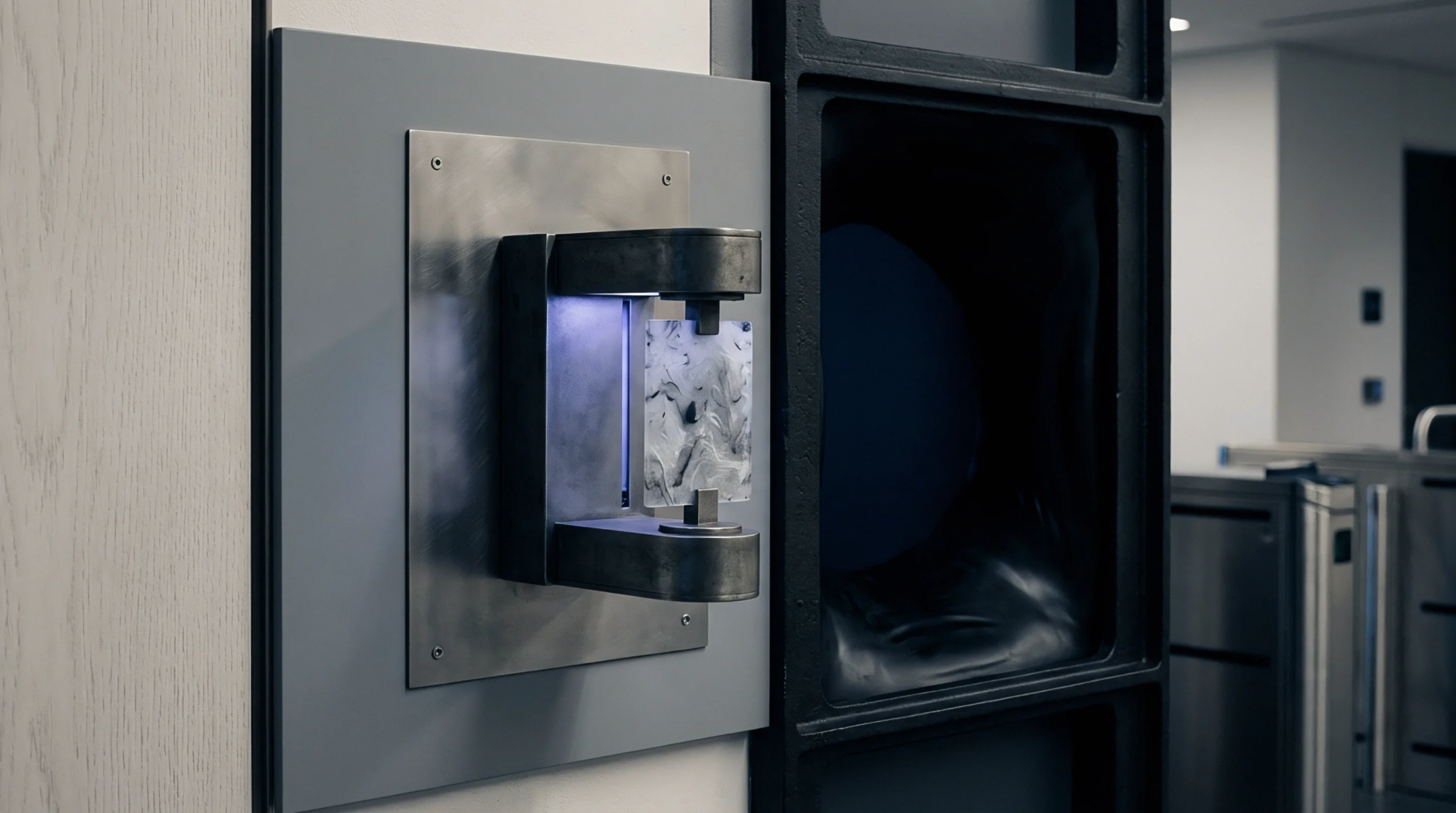
Headspace Volatile Extraction Methods for Recycled Resin Testing
Headspace volatile extraction quantifies residual odorants and degradation products in recycled resin to establish compliance and prevent lot failures.
Headspace volatile extraction quantifies residual odorants and degradation products in recycled resin to establish compliance and prevent lot failures.

Recycled polymer traceability relies on strict mass balance boundaries, physical yield reconciliations, and verified custody transfers across conversion steps.
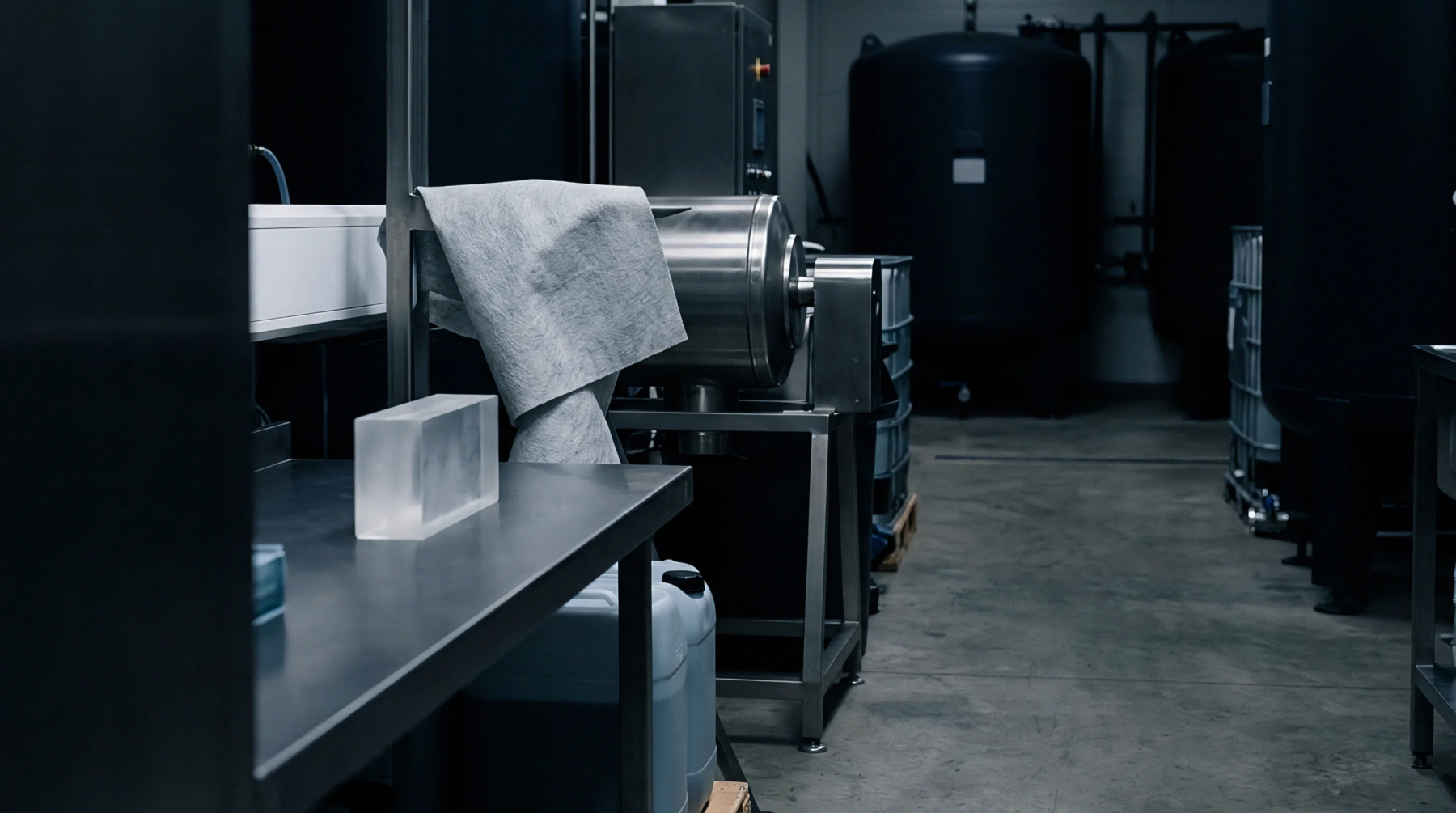
Mass balance credit verification demands tracing pyrolysis yields, deducting fuel losses, and enforcing physical site allocation rules on certified resin claims.

Verify post-consumer resin lot conformity by combining core lance sampling, melt flow shear sweeps, and DSC purity screens before unloading silos.

Double dipping prevention in cross border mass balance claims demands strict physical batch matching ISO 22095 registry retirements and verified mass yield audits.

Post-consumer HDPE sourcing relies on batch melt testing, DSC thermal screening, and mass balance audits to prevent factory scrap and field failure.

Clearance of imported food packaging requires matching exact batch lot numbers across invoices, declarations of conformity, and ISO 17025 accredited migration test reports.
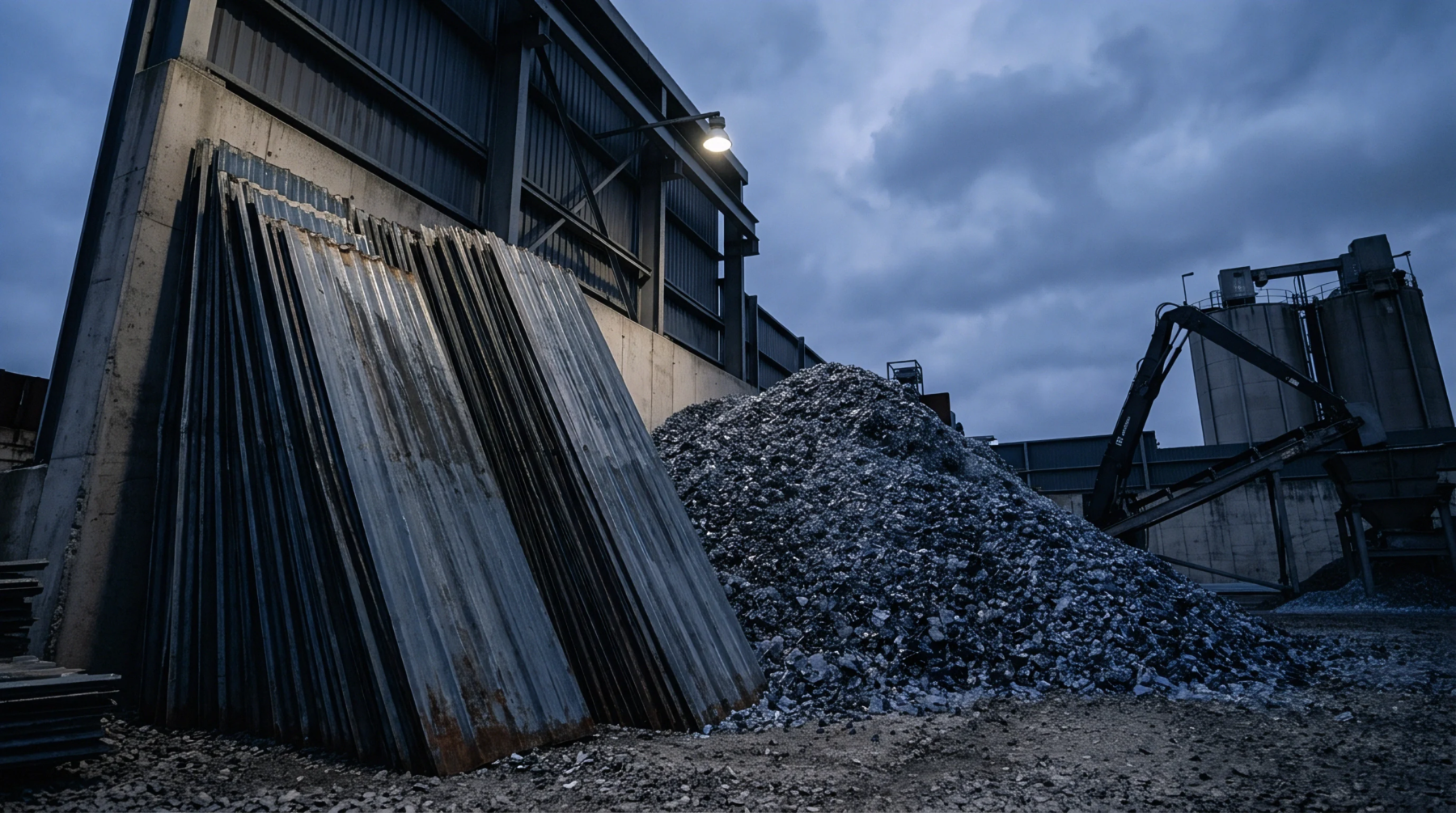
Verifying chemical recycling content requires adjusting gross waste intake by verified unit yields across pyrolysis, hydrotreating, and steam cracking process nodes.

Statutory plastic packaging tax directives require site-specific physical attribution of recycled resin mass, invalidating multi-site mass balance credit transfers.

Enforceable recyclate compliance claims demand silo quarantine protocols, ASTM D6866 chemical verification, and un-capped indemnity clauses offsetting regulatory fines.

Customs physical isotopic testing measures physical molecules rather than mass balance credits, exposing importers to packaging tax reassessments and tariff duties.

Secondary plastic compliance requires analytical batch testing, Article 6 End-of-Waste validation, and REACH SCIP candidate list disclosures for all lots.

Evidencing post-consumer recyclate requires batch-level physical mass balance audit trails, independent radiocarbon or DSC testing, and rigorous dock-side sampling before silos accept delivery.

Recycled content tax claims require lot-specific EN 15343 audit trails and migration reports to withstand customs audits and avoid retroactive landed tax liabilities.
Expertise is a utility, not a secret. sentiention™ publishes its working knowledge as open reference: intelligence layer covering the materials it sources, the markets it enters, and the reference that serves both.