
Standard Accounting Mechanics for Recycled Polymer Traceability
Recycled polymer traceability relies on strict mass balance boundaries, physical yield reconciliations, and verified custody transfers across conversion steps.
Recycled polymer traceability relies on strict mass balance boundaries, physical yield reconciliations, and verified custody transfers across conversion steps.

ISO 22095 mass balance audits demand strict site boundaries, verified baseline yield conversions, and zero negative credit balances across accounting periods.

Co-processing plastic pyrolysis oil in steam crackers requires yield-based mass balance attribution under ISCC PLUS rules to substantiate circular claims.

Polyolefin tax exemption audits require strict stoichiometric loss deductions, site-boundary verification, and proof of physical hydrocarbon intake.

Verifying post-consumer recycled plastic content for European tax exemptions requires paired analytical testing and EN 15343 mass balance auditing.

Exemption from plastic packaging taxes requires EN 15343 chain-of-custody dossiers and mass balance ledgers backing physical PCR fractions above statutory thresholds.

Mass balance accounting requires rigorous yield loss deductions and fuel exclusion rules to legally defend circular resin claims during regulatory audits.

Managing recycled plastic compliance under EU waste rules requires challenge-tested decontamination, accredited migration testing, and audited traceability dossiers.
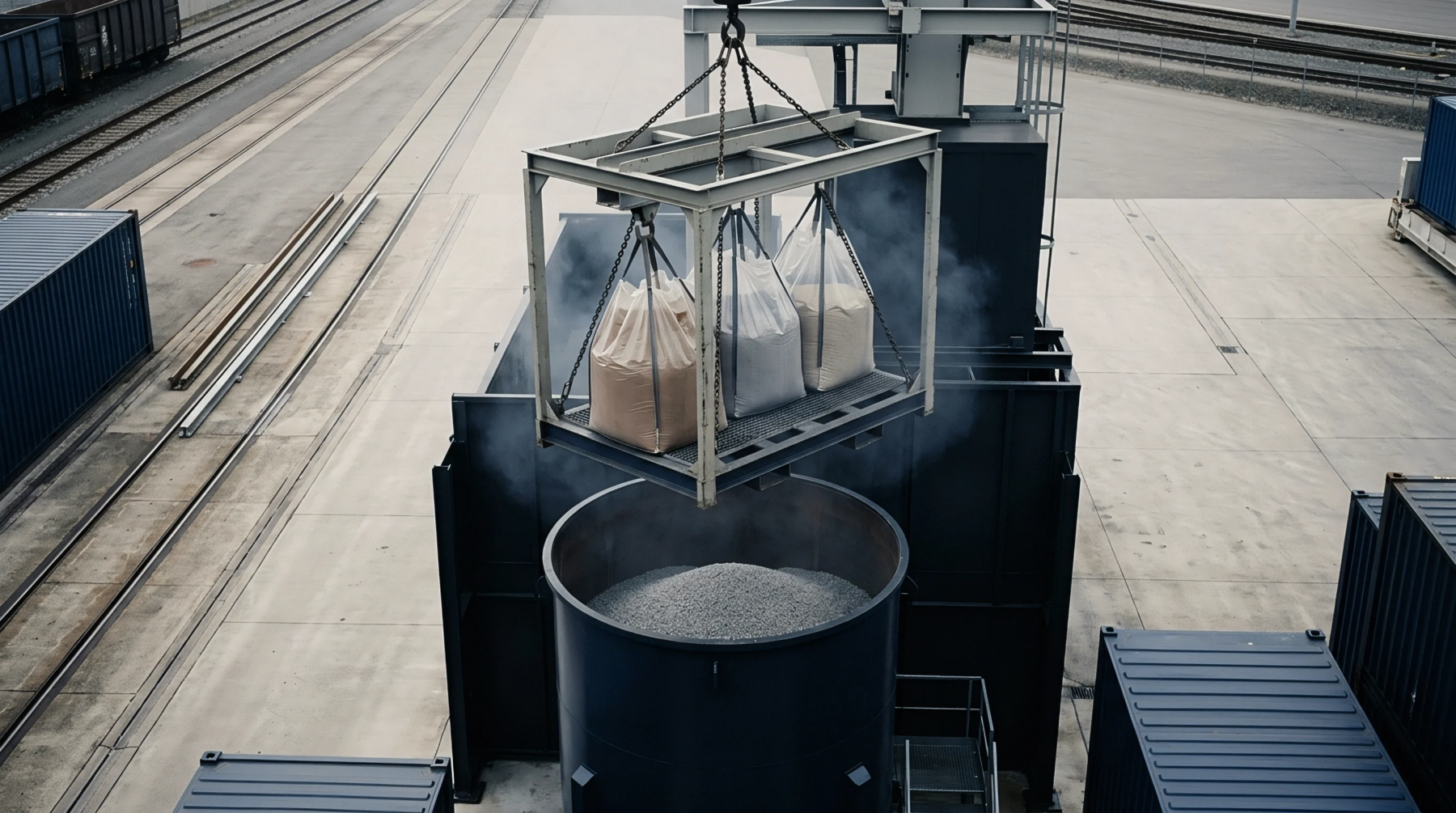
Recycled packaging tax exemptions demand verifiable post-consumer batch evidence, leaving mass balance certificates vulnerable to customs duty clawbacks.
Expertise is a utility, not a secret. sentiention™ publishes its working knowledge as open reference: intelligence layer covering the materials it sources, the markets it enters, and the reference that serves both.