Mechanisms of Polymer Degradation and Migrant Transport in Recycled Packaging
Mechanical recycling creates low-molecular-weight degradation products whose migration into food simulants requires batch verification and challenge-tested barriers.
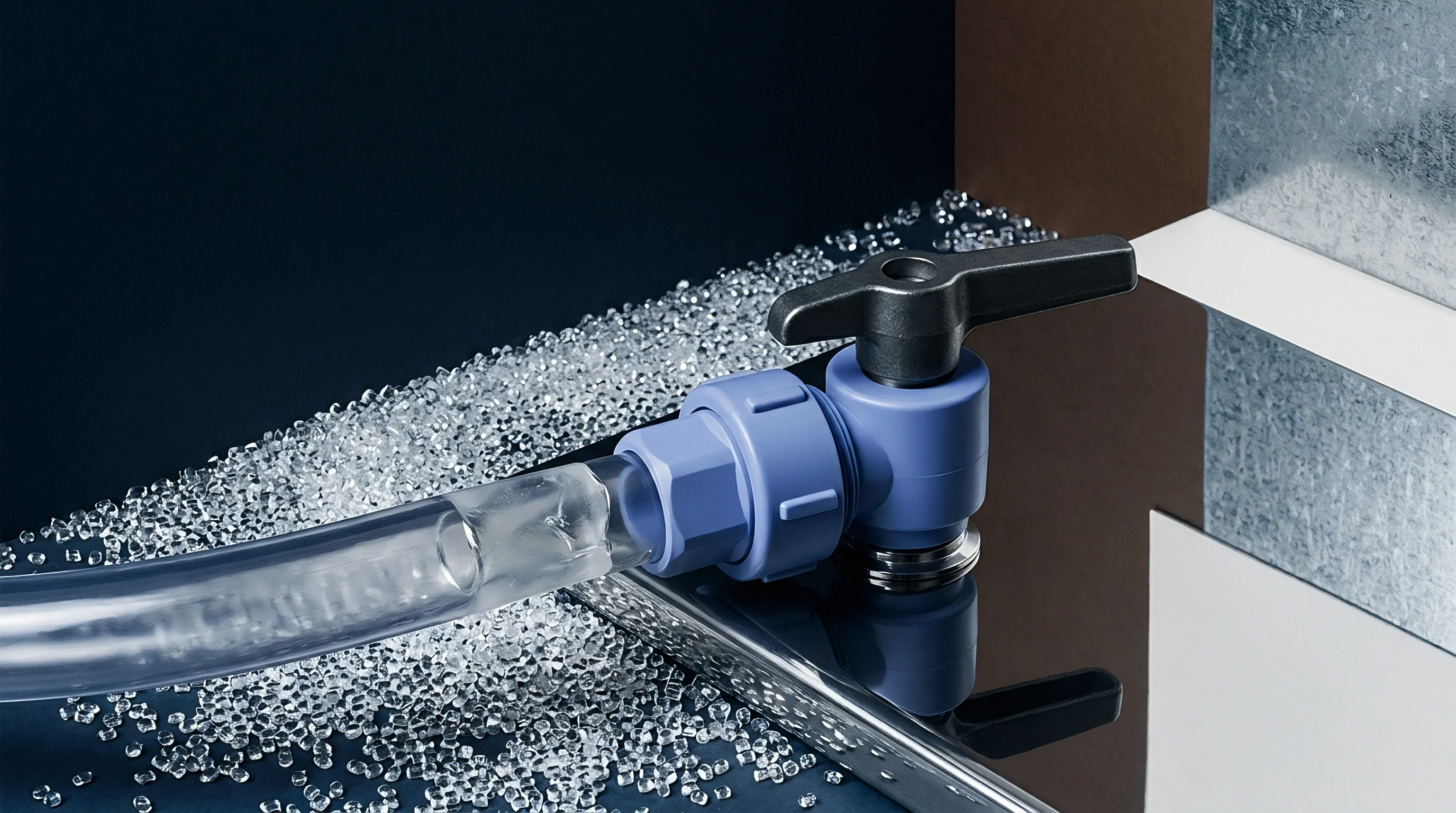

Melt
High thermal shear inside an extruder barrel breaks covalent carbon-carbon bonds within recycled polyolefins and polyesters. Homolytic scission generates alkyl radicals that initiate degradation cascades, altering polymer chain length distributions and generating volatile breakdown products. Temperature spikes above two hundred sixty degrees Celsius accelerate homolytic cleavage, while dissolved oxygen fuels autoxidation cycles.
Reprocessed polyethylene terephthalate undergoes thermal degradation primarily through ester cleavage, forming vinyl ester and carboxyl end groups. Polyethylene and polypropylene undergo chain scission and cross-linking simultaneously, depending on localized oxygen availability and shear stress intensity.
Mechanical processing subjects post-consumer resins to intense mechanical stress. Viscosity drops during extrusion. Processing conditions drive the accumulation of low-molecular-weight species that increase migrant potential in finished food contact articles.
Reclaimed polymers carry thermal history from prior conversion cycles, lowering the energy barrier required for thermal initiation during reprocessing. Antioxidants added during primary polymer synthesis deplete rapidly across multiple melt steps, leaving the polymer backbone unprotected against thermo-mechanical degradation.
| Resin Type | Primary Degradation Mechanism | Predominant Breakdown Products | Rheological & Physical Indicator |
|---|---|---|---|
| Polyethylene Terephthalate | Ester thermal scission and hydrolysis | Acetaldehyde, vinyl esters, terephthalic acid, cyclic oligomers | Intrinsic viscosity reduction, carboxyl end-group accumulation |
| High-Density Polyethylene | Chain scission and radical cross-linking | Linear alpha-olefins, alkanes, saturated dicarboxylic acids | Melt flow rate shifts, molecular weight distribution broadening |
| Polypropylene | Tertiary carbon β-scission | Methyl-branched alkenes, ketones, formal formaldehyde, volatile organics | Melt flow rate elevation, impact strength reduction |
| Low-Density Polyethylene | Radical combination and branching | Long-chain alkyl radicals, macro-cyclic alkanes, aldehydes | Melt elasticity increase, die swell variation |
Melt flow shifts quickly. Beta-scission dominates polypropylene breakdown due to the high stability of tertiary carbon radicals formed during extrusion. Secondary alkyl radicals in polyethylene participate in hydrogen abstraction, generating double bonds and volatile alkanes.
Alkylperoxy radicals abstract hydrogen atoms from adjacent polymer chains, yielding hydroperoxides that undergo homolytic cleavage into alkoxy and hydroxyl radicals. These radical fragments accelerate secondary oxidation loops, producing low-molecular-weight carbonyl compounds including aldehydes, ketones, and carboxylic acids.
Chain scission lowers intrinsic viscosity while branching elevates melt resistance, altering wall thickness and migration kinetics across reprocessed container batches.
Chain cleavage drives degradation. Reprocessors manage thermo-mechanical breakdown by adding secondary phosphite antioxidants and hindered phenol radical scavengers during compounding. Processing additives stabilize the polymer matrix during melt filtration and pelletization, yet unreacted additives and their oxidation byproducts persist in the final resin.
Organophosphite stabilizers convert to organophosphates during peroxide decomposition, contributing to the profile of non-intentionally added substances that transport into contact media during storage.
Suppliers frequently explain unexpected melt flow variation by pointing to variable post-consumer bale input mixtures rather than thermal degradation inside their extrusion systems.

Cleavage
Thermal oxidation during wash cycles and drying generates low-molecular-weight fragments that persist through solid-state polymerization. Cleavage of polymer chains produces a distinct spectrum of degradation products specific to each resin family. Post-consumer recycled polyethylene terephthalate contains cyclic ester oligomers formed through intramolecular transesterification during processing.
Cyclic dimers, trimers, tetramers, and pentamers possess kinetic diameters small enough to diffuse through the polymer matrix at room temperature, reaching food contact surfaces over extended storage periods.
- Acetaldehyde accumulation occurs when thermal ester scission in polyethylene terephthalate forms vinyl ester intermediates that tautomerize into volatile aldehydes during bottle blowing.
- Cyclic oligomer formation proceeds via intramolecular transesterification, generating low-molecular-weight ester rings that migrate into fatty food simulants.
- Post-consumer contaminant carryover results from consumer misuse, where absorbed industrial solvents, detergents, and fragrance compounds diffuse deep into container sidewalls prior to collection.
- Autoxidation byproduct buildup generates short-chain carboxylic acids, methyl ketones, and aliphatic aldehydes through radical degradation of polyolefin tertiary carbons during secondary extrusion.
Radicals react with oxygen. Oxidation forms carboxyl groups. Polyolefin breakdown produces complex mixtures of volatile and semi-volatile compounds.
Limonene absorbed during previous use as a beverage container flavorant degrades into terpinolene, alpha-terpinene, and carvone during reprocessing heat steps. Uncontrolled thermal cleavage during mechanical washing and melt filtration converts innocent flavor compounds into potent odorants and potential migrants.
Compliance declarations under Regulation EU 10 2011 fail when screening limits omit low-boiling cyclic oligomers identified in GC-MS headspace scans.
Ester cleavage reactions in polyethylene terephthalate proceed rapidly above two hundred forty degrees Celsius in the presence of trace moisture. Flake drying protocols that fail to drop residual moisture below fifty parts per million yield severe hydrolytic degradation during extrusion. Hydrolysis cleaves ester linkages along the main polymer chain, generating open-chain oligomers carrying terminal carboxyl and hydroxyl groups.
These polar oligomers alter interfacial tension between the packaging surface and aqueous food simulants, elevating specific migration values for low-molecular-weight species.
Reprocessing heat history directly dictates the final molecular weight distribution and migrant loading of recycled packaging grades.

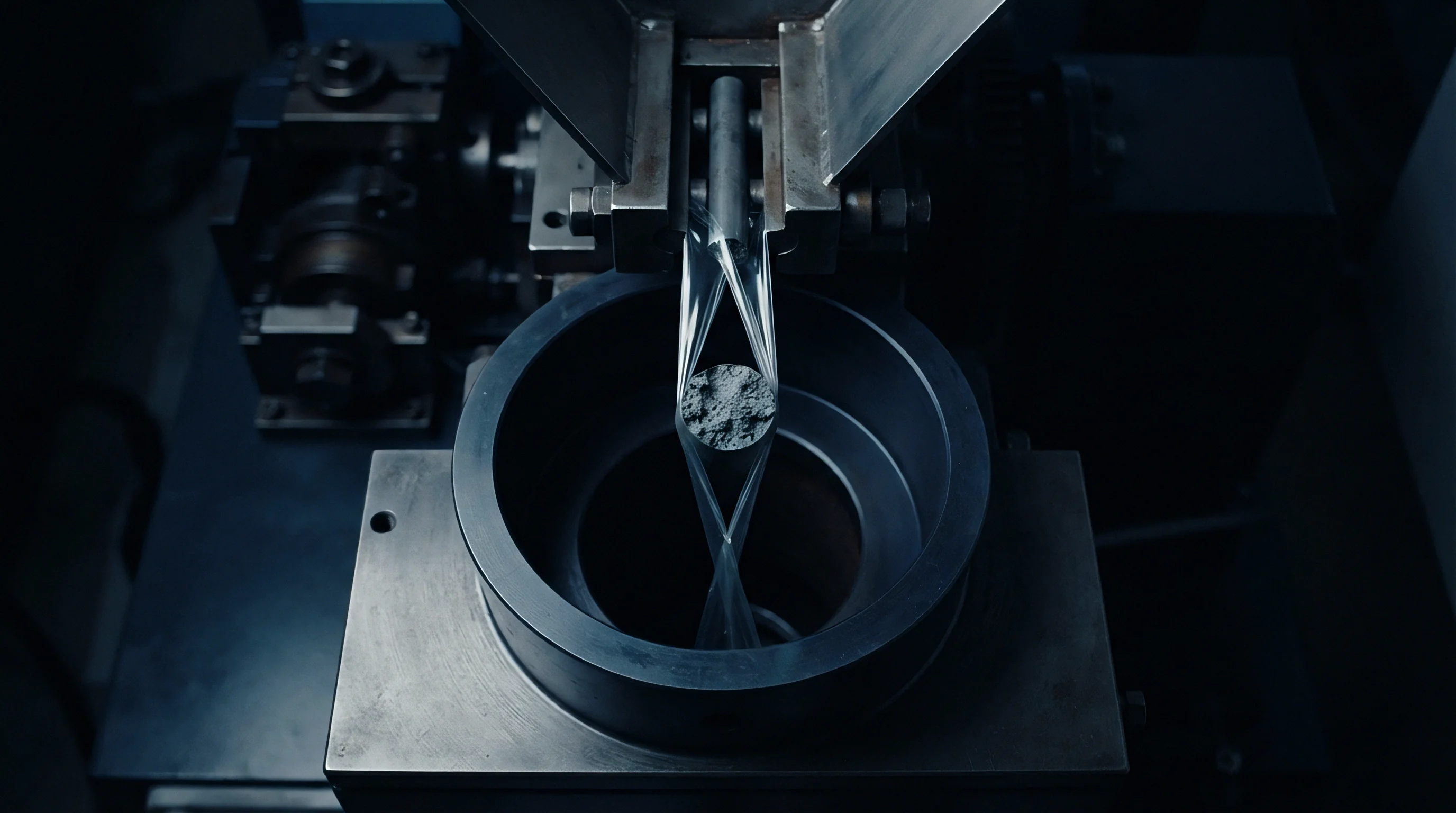
Flux
Diffusion rates for volatile organic molecules depend on matrix crystallinity, temperature, and migrant kinetic diameter. Transport of migrants within recycled polymers obeys Fick’s second law of diffusion, where migrant mass transfer across a packaging interface relates directly to the concentration gradient and diffusion coefficient. Temperature accelerates mass transfer.
Molecules migrate through matrix paths defined by amorphous regions, as crystalline domain structures act as impermeable barriers to migrant transport.
Simulants model food media. Tenax models dry foodstuffs. Testing protocols in European Regulation EU 10 2011 mandate standardized food simulants to evaluate mass transport from plastic packaging.
Ethanol solutions at ten percent volume model hydrophilic foods, while three percent acetic acid models acidic media. Vegetable oil, ninety-five percent ethanol, and modified polyphenylene oxide, known commercially as Tenax, model lipophilic food contact. Specific migration testing establishes migrant transport quantities under defined time and temperature profiles, such as ten days at forty degrees Celsius for ambient storage or two hours at seventy degrees Celsius for warm filling.

Which Contaminants Pass through Functional Barriers?
Volatile compounds with molecular weights below three hundred Daltons permeate polyolefin inner layers within standard shelf lives. Diffusion coefficients for non-polar molecules inside high-density polyethylene run three orders of magnitude higher than diffusion coefficients for identical molecules inside polyethylene terephthalate at twenty-three degrees Celsius. Low-density polyolefins present minimal barrier resistance to organic migrants, allowing low-molecular-weight post-consumer contaminants, thermal breakdown products, and printing ink components to migrate rapidly into food contact layers.
| Migrant Chemical Identity | Molecular Weight (g/mol) | Diffusion Coefficient at 23°C (cm²/s) | Mandated Test Simulant | Specific Migration Limit |
|---|---|---|---|---|
| Acetaldehyde | 44.05 | 1.2 × 10⁻⁹ in PET | 10% Ethanol, 3% Acetic Acid | 6.0 mg/kg food |
| 2-Methyl-1,3-dioxolane | 88.11 | 4.5 × 10⁻¹⁰ in PET | 10% Ethanol, 10% Isooctane | 1.2 mg/kg food |
| Limonene | 136.23 | 8.3 × 10⁻⁸ in HDPE | 95% Ethanol, Tenax | 5.0 mg/kg food |
| Benzophenone | 182.22 | 2.1 × 10⁻⁹ in PP | 95% Ethanol, Vegetable Oil | 0.6 mg/kg food |
| PET Cyclic Trimer | 576.51 | 3.1 × 10⁻¹³ in PET | 95% Ethanol, Tenax | 5.0 mg/kg food (group limit) |
Diffusion follows Fickian laws. Activation energies for diffusion inside semi-crystalline polymers range between forty and one hundred twenty kilojoules per mole, depending on glass transition temperature and cross-linking density. Mathematical modeling based on the Piringer model estimates conservative diffusion coefficients (DP) by incorporating polymer-specific matrix parameters (AP).
High AP values assigned to polyolefins reflect rapid transport kinetics, whereas low AP values for glass-like polyesters reflect tight structural resistance against migrant mobility.
A ten-day migration test in ten percent ethanol at forty degrees Celsius yields lower mass transport than actual commercial storage of oily condiments at ambient temperatures over six months.
Partition coefficients (KP,F) dictate the equilibrium concentration ratio of a migrant between the recycled polymer matrix and the contacting food phase. High partition coefficients indicate preferential migrant retention within the plastic matrix, while low partition coefficients drive rapid thermodynamic migration into fatty food media. When fat-containing foods contact recycled polyolefins, aggressive simulant swelling swells the amorphous polymer network, increasing matrix free volume and accelerating migrant diffusion coefficients by up to two orders of magnitude.
Miscalculating partition coefficients for fatty food contacts leads directly to unexpected border rejections and costly product recalls when official enforcement testing uses full-fat food simulants.

Barrier
Decontamination efficiency in mechanical recycling relies on high vacuum levels combined with elevated temperatures during extrusion. Recycling processes designed for direct food-contact authorization must demonstrate high decontamination performance against volatile and semi-volatile chemical contaminants. Vacuum stripping removes volatiles.
Process validation requires challenge testing, where post-consumer flake batches are intentionally contaminated with surrogate chemicals representing distinct polarities, molecular weights, and volatilities.
Process validation uses high-dose chemical spikes to evaluate decontamination efficacy. Surrogates measure decontamination efficiency. Toluene represents volatile non-polar compounds, chlorobenzene represents volatile polar compounds, phenylcyclohexane represents non-volatile non-polar compounds, benzophenone represents non-volatile polar compounds, and methyl stearate represents high-molecular-weight fatty acid esters.
Challenge tests quantify the log-reduction capability of vacuum extruders, solid-state polymerization reactors, and hot-air stripping towers under worst-case operational parameters.
- Inoculate post-consumer flake lots with surrogate contaminants covering specified volatility and polarity ranges.
- Measure initial concentration levels via solvent extraction and gas chromatography with flame ionization detection.
- Process contaminated material through decontamination extruders and solid-state reactors under full production settings.
- Calculate residual contaminant concentrations to establish log-reduction factors for each surrogate molecule.
Layers prevent migrant transfer. Structural functional barriers isolate recycled polymer layers from direct food contact, restricting migrant flux across the packaging sidewall. Co-extruded virgin polyolefin or polyester capping layers act as physical diffusion barriers, delaying migrant arrival at the food interface beyond the functional shelf life of the package.
Functional barrier design depends on layer thickness, storage temperature, migrant diffusion coefficients, and initial contaminant loading within the core recycled layer.
- Layer thickness verification confirms that virgin capping layers maintain minimum spatial dimensions across deep-draw thermoforming zones.
- Polymer solubility matching prevents organic migrants from plasticizing the interface between virgin cap layers and recycled core stocks.
- Thermal boundary stability prevents interlayer delamination during high-temperature retort or hot-fill processing cycles.
Multi-layer structures using recycled polyolefins require virgin capping layers when decontamination processes deliver less than four logs of surrogate reduction.
European Union Regulation EC 2022/1616 establishes strict legal frameworks for recycled plastic materials intended for food contact, requiring recycling technologies to obtain authorization through European Food Safety Authority evaluations. The United States Food and Drug Administration issues Letters of No Objection for recycling processes achieving surrogate reduction efficiencies that limit calculated dietary exposure below 0.5 parts per billion for non-carcinogenic migrants.
Contractual supply specifications must explicitly name the authorized recycling technology code, vacuum operational limits, and minimum virgin cap thickness required to preserve functional barrier integrity under purchase orders.

Proof
Analytical verification requires matching every batch lot to a specific analytical report listing exact testing simulants. Compliance files supporting food-contact recycled plastics require total chain-of-custody documentation combined with comprehensive specific migration data. Non-intentionally added substances screening utilizes gas chromatography coupled with mass spectrometry for volatile screening, liquid chromatography with high-resolution time-of-flight mass spectrometry for non-volatile species, and inductively coupled plasma mass spectrometry for inorganic residue trace analysis.
Overall migration testing measures total non-volatile substance transfer under standardized conditions. Test reports lacking simulant specifications, contact duration, or temperature records fail legal compliance reviews. Declarations of Compliance must trace back through converters, recyclers, compounding plants, and additive suppliers to verify that dual-use additives, restricted substances, and specific migration limits comply with Regulation EU 10 2011 annexes.
Importing non-compliant food contact articles exposes brand owners to financial penalties. Consider an import shipment of forty thousand thermoformed trays containing seventy percent post-consumer recycled polyethylene terephthalate. Assume a purchase price of zero point fifteen Euros per tray, yielding a total lot purchase value of six thousand Euros.
Customs inspections flag the batch for missing specific migration proof regarding PET cyclic trimers in fatty food simulants. Holding fees at the port run three hundred Euros per day. Retesting by an accredited laboratory under emergency turn-around timelines costs two thousand five hundred Euros per simulant set.
If migration values exceed five milligrams per kilogram of food, the authority issues a border rejection notice. Mandatory destruction costs reach one thousand eight hundred Euros, while import packaging tax exemptions are revoked, triggering full packaging liability levies plus late filing penalties. Importers hold primary legal duty.
Customs agents check reports.
What analytical detection limits should buyers require from accredited laboratories when screening post-consumer polyolefin recyclates for unknown non-intentionally added substances to guarantee full regulatory immunity?