Non Intentionally Added Substance Detection Protocols in Post Consumer Recycled Polyolefins
Verify post-consumer polyolefin food-contact safety by combining high-resolution untargeted GC/LC-MS screening with TTC toxicological evaluation down to 10 ppb.


Melt

Thermo-Oxidative Degradation and Volatile Generation
During re-granulation and conversion into packaging, post-consumer polyolefins face repeated thermal cycles. Temperatures above 200 degrees Celsius and shear within single- and twin-screw extruders break polymer backbones via free-radical chain reactions. Residual oxygen in the feed hopper rapidly forms alkoxy and alkylperoxy radicals, which undergo beta-scission to produce aliphatic aldehydes, ketones, methyl ketones, alkanes, alkenes, and carboxylic acids.
High-density polyethylene yields homologous series of alpha-olefins, n-alkanes, and alkadienes. Polypropylene breaks down mainly through tertiary carbon cleavage, producing 2,4-dimethyl-1-heptene, 4,6-dimethyl-2-heptanone, and complex branched oligomers.
Thermal stress also breaks down primary organophosphite antioxidants such as tris(2,4-di-tert-butylphenyl) phosphite. Hydrolysis and oxidation convert this stabilizer into tris(2,4-di-tert-butylphenyl) phosphate and 2,4-di-tert-butylphenol, whereas secondary hindered amine light stabilizers oxidize into lower-molecular-weight nitrosamines and alkylamines. Packaging made from re-granulated flake accumulates these breakdown products across consecutive melt passes, with volatile non-intentionally added substances building up as extruder residence time, melt temperature, and screw shear increase.
Polyolefin Oligomeric Saturated and Aromatic Hydrocarbons
Melt processing polyethylene and polypropylene generates structural oligomers spanning C10 to C50. Polyolefin oligomeric saturated hydrocarbons comprise linear, branched, and cyclic alkanes produced by chain cleavage during extrusion. Polyolefin oligomeric aromatic hydrocarbons stem from alkylated benzenes, alkylated tetralins, and polycyclic aromatic residues left by ink solvents, heat transfer fluids, or cross-contamination in the waste stream.
Polypropylene re-granulate contains high concentrations of branched oligomers built on tertiary carbon backbones. These species migrate through the polymer matrix much faster than linear alkanes of equivalent mass in high-density polyethylene. Separating synthetic polyolefin oligomers from mineral oil hydrocarbons requires high-performance liquid chromatography coupled to gas chromatography with flame ionization detection, where retention time windows divide the fractions into saturated and aromatic regions for mass quantification against internal standards.
Limiting thermal exposure to 210 degrees Celsius during extrusion prevents the rapid accumulation of low-molecular-weight polyolefin oligomers above 0.5 milligrams per kilogram.

Degradation Kinetics of Residual Chemical Additives
Slip agents such as erucamide and oleamide thermally oxidize during melt processing to form epoxy stearamides, primary fatty acid amides, and short-chain aliphatic amides. Synthetic fatty acids react with residual metallic catalysts from initial polymerization, yielding fatty acid salts that accelerate yellowing. Meanwhile, thiodipropionate ester antioxidants degrade into alkyl propionates, alkyl acrylates, and sulfurous volatiles, generating noticeable off-odors even below 50 micrograms per kilogram.
At high extrusion temperatures, phenolic antioxidants like octadecyl 3-(3,5-di-tert-butyl-4-hydroxyphenyl)propionate convert to quinone methides, producing transformation products such as 2,6-di-tert-butyl-1,4-benzoquinone and oxidized dimers. Structurally identifying these species requires mass spectral libraries compiled specifically for additive degradation products, as standard NIST libraries seldom include the secondary breakdown products formed in multi-pass extrusion.
Because input resin thermal histories are unknown, volatile formation during pelletization is an unavoidable background condition rather than a process defect.

Solvent
Extraction Kinetics and Polymer Matrix Swelling
Evaluating chemical migrants in post-consumer polyolefins requires solvents that swell the semi-crystalline lattice without dissolving the polymer backbone. Polyethylene and polypropylene swell extensively in non-polar organic solvents like isooctane, dichloromethane, and hexane. This swelling increases the diffusion coefficients of low-molecular-weight non-intentionally added substances by two to four orders of magnitude relative to aqueous media, enabling solvent penetration into amorphous regions to release entrapped volatile, semi-volatile, and non-volatile species.
Total immersion extraction in 95 percent ethanol or isooctane at 60 degrees Celsius for 10 days simulates severe worst-case food contact migration. Ethanol concentrations under 50 percent do not swell polyolefin matrices, recovering only surface-adsorbed species and understating deep matrix contamination. High-density polyethylene absorbs less solvent than low-density polyethylene due to its higher crystallinity and density above 0.941 grams per cubic centimeter.
Consequently, test protocols must adjust exposure times to reach equilibrium based on wall thickness and density class.

Food Simulants and Accelerated Migration Screening
Standardized food simulants under Regulation EU 10/2011 establish testing conditions for food-contact plastics. Simulant A (10 percent ethanol), Simulant B (3 percent acetic acid), and Simulant C (20 percent ethanol) represent hydrophilic and acidic foods. Because polyolefin surfaces are hydrophobic, they absorb almost no aqueous simulant, so specific migration testing into aqueous media frequently yields non-detectable results even when resin holds significant levels of hazardous volatiles.
Simulant D2 (vegetable oil) models lipophilic foods, while alternative fatty food simulants like 95 percent ethanol and isooctane serve as surrogates because triglyceride matrices interfere with gas chromatography. Tenax (modified polyphenylene oxide), designated Simulant E for dry foods, adsorbs volatile and semi-volatile migrants from polyolefins at elevated temperatures. Exposure to Tenax at 60 degrees Celsius for 10 days captures volatile degradation products, fragrance compounds, and low-molecular-weight oligomers.
| Food Simulant | Standard Exposure | Accelerated Solvent Equivalent | Target Compound Classes | Analytical Technique |
|---|---|---|---|---|
| Simulant A (10% Ethanol) | 10 days at 40°C | 95% Ethanol (4h at 60°C) | Short-chain organic acids, polar additives | LC-MS/MS |
| Simulant B (3% Acetic Acid) | 10 days at 40°C | 3% Acetic Acid (10 days at 60°C) | Metallic stearates, inorganic residues | ICP-MS |
| Simulant D2 (Vegetable Oil) | 10 days at 40°C | Isooctane (2 days at 20°C) | Linear oligomer C10-C30, phthalates | GC-FID / GC-MS |
| Simulant D2 (Fatty Food Worst-Case) | 10 days at 60°C | Isooctane (3 days at 60°C) | Branched polyolefin oligomers, antioxidants | GC-QTOF-MS |
| Simulant E (Tenax MPPO) | 10 days at 60°C | Dichloromethane (Total Immersion 24h) | Volatile aldehydes, terpene fragrances, photoinitiators | HS-GC-MS / TD-GC-MS |
| Data normalized for 1.0 mm thick post-consumer polyolefin sheet samples with surface-to-volume contact ratio of 6 dm² per kg simulant. | ||||
Quantifying total migration into fatty food simulants demands strict control over extraction cell parameters. Single-sided contact cells prevent solvent from reaching outer, non-food-contact surfaces, avoiding false positives from external inks or handling residues. Total immersion testing applies only to monolayer extruded structures where both surfaces have identical chemical compositions.
Sample Preparation and Extraction Failure Modes
Sample preparation determines the reproducibility of chemical screening assays. Cryogenically grinding polyolefin pellets into micro-powders with liquid nitrogen expands surface area and accelerates extraction. However, elevated grinding temperatures or ambient milling create thermal friction that drives off low-boiling non-intentionally added substances such as hexanal, limonene, and benzene.
- Solvent micro-swelling overload occurs when high solvent-to-polymer ratios degrade the polymer structure, creating baseline interference during chromatographic analysis.
- Volatile loss during evaporative concentration reduces measured levels of low-boiling target analytes when nitrogen blow-down steps proceed to complete dryness.
- Additive precipitation takes place as concentrated extracts cool to room temperature, causing high-molecular-weight waxes and antioxidant dimers to fall out of solution.
- Cross-contamination during size reduction transfers plasticizer residues from ambient milling seals into cleaned post-consumer flake batches.
Filtering solvent extracts through polytetrafluoroethylene membranes removes suspended micro-particulates before injection. Polypropylene syringe filters should be avoided because trace slip agents and oligomers leach from the filter housing into organic solvents, contaminating the extract.
Failing to state the surface-to-volume ratio on a migration test report invalidates the conformity assertion under Regulation EU 10/2011 Annex V.
Solvent extraction protocols must achieve recoveries between 70 percent and 120 percent for internal surrogate standards to verify method accuracy across various polyolefin density grades.


Peak

Gas Chromatography and High-Resolution Mass Spectrometry Protocols
Gas chromatography coupled to high-resolution time-of-flight mass spectrometry serves as the primary platform for screening volatile and semi-volatile non-intentionally added substances in polyolefins. Static headspace injection isolates volatile components such as degradation aldehydes, alkanes, and aromatic solvents at 80 to 120 degrees Celsius. Direct thermal desorption GC then analyzes volatile organic compounds trapped within the polymer matrix without requiring liquid solvent extraction.
Liquid injection gas chromatography covers semi-volatile extracts containing alkanes, alkenes, plasticizer esters, photoinitiators, and primary antioxidant transformation products up to approximately C40. Non-polar capillary columns such as 5 percent phenyl-methylpolysiloxane separate analytes by boiling point, while electron ionization at 70 electronvolts generates reproducible spectra matching NIST and Wiley libraries. Quadrupole time-of-flight mass analyzers yield mass accuracy within 5 parts per million, enabling elemental formula calculations for unknown peaks.
| Analytical Platform | Injection Method | Target Volatility Range | Quantification Limit (LOQ) | Screening Range (m/z) |
|---|---|---|---|---|
| HS-GC-MS (Quadrupole) | Static Headspace (100°C) | Volatile (bp < 150°C) | 0.005 mg/kg resin | 30 – 300 |
| TD-GC-QTOF-MS | Thermal Desorption (160°C) | Volatile to Semi-Volatile | 0.001 mg/kg resin | 35 – 650 |
| GC-APCI-QTOF-MS | Direct Liquid Injection | Semi-Volatile (C10-C40) | 0.010 mg/kg food simulant | 50 – 1000 |
| LC-ESI-QTOF-MS (Positive) | Liquid Injection (C18) | Polar Semi-Volatile / Non-Volatile | 0.002 mg/kg food simulant | 100 – 1200 |
| LC-ESI-QTOF-MS (Negative) | Liquid Injection (C18) | Acidic / Phenolic Non-Volatile | 0.005 mg/kg food simulant | 100 – 1200 |
Soft ionization techniques, such as atmospheric pressure chemical ionization, preserve molecular ions for semi-volatile compounds that undergo excessive fragmentation under standard electron ionization. Daily mass spectrum calibration maintains accurate isotopic pattern determination during structural elucidation of unknowns.

Liquid Chromatography and High-Resolution Mass Spectrometry Workflows
Non-volatile migrants, oxidized antioxidant complexes, high-molecular-weight hindered amine light stabilizers, and polar ink components require liquid chromatography coupled to high-resolution mass spectrometry. Reverse-phase separations on C18 columns using water-methanol or water-acetonitrile mobile phase gradients yield high chromatographic resolution, while electrospray ionization operating in positive and negative modes detects species across broad polarity ranges.
High-resolution mass spectrometers operating in full-scan data-independent acquisition mode acquire accurate precursor masses and fragment spectra simultaneously. These accurate mass measurements resolve isobaric species differing by mere millidaltons, while collision-induced dissociation fragment patterns confirm functional groups to distinguish positional isomers of alkylphenols and additive breakdown products.
Deconvolution, Spectral Matching, and Untargeted Workflows
Untargeted screening generates thousands of individual chromatographic signals from post-consumer polyolefin extracts. Deconvolution algorithms group mass fragments sharing identical retention times, resolving co-eluting peaks across complex regions of the chromatogram.
- Automated baseline correction eliminates background drift caused by column bleed and solvent impurities.
- Peak detection algorithms locate spectral features exceeding a signal-to-noise threshold of 10 to 1.
- Deconvolution algorithms group ions sharing identical elution profiles to construct clean spectra for individual components.
- Accurate mass matching queries commercial spectral databases, polymer additive libraries, and environmental contaminant registries.
- Isotopic pattern distribution checks validate proposed molecular formulas by matching theoretical carbon, nitrogen, oxygen, and halogen ratios.
- Retention index calculation compares experimental elution behavior against n-alkane series standards to filter out false library matches.
Quantifying unidentified peaks requires surrogate internal standards assigned across distinct chemical classes. Deuterated standards like deuterated benzophenone, deuterated octanoic acid, and d31-palmitic acid provide response factors for polar, acidic, and lipophilic non-target compounds. The response factor spread between non-polar hydrocarbons and electronegative oxygenated compounds reaches up to an order of magnitude on flame ionization detectors and two orders of magnitude on electrospray mass spectrometers.
Evaluating total unknown peak area against surrogate responses can introduce quantitative uncertainty up to 500 percent when response factors diverge significantly from target analytes. Analytical reports must detail conversion formulas and explicitly state the assumed response factor ranges applied during semi-quantification.
Will future analytical consensus standards agree on a single surrogate mix to normalize ionization variability across liquid chromatography interfaces?

Screen

Toxicological Threshold of Toxicological Concern Architecture
Quantifying non-intentionally added substances often identifies compounds that lack dedicated toxicological data or specific migration limits in regulatory annexes. Risk assessment of these unlisted substances relies on the Threshold of Toxicological Concern framework, which defines human exposure thresholds below which chemicals pose negligible risk ~ excluding high-potency carcinogens such as aflatoxins, azoxy compounds, and 2,3,7,8-TCDD.
Chemical structures are assigned to Cramer Structural Classes using decision trees based on reactivity, metabolic pathways, and functional group hazards. Class I substances carry low toxic potential with an exposure threshold of 1800 micrograms per person per day. Class II covers moderate toxicity at 540 micrograms per person per day.
Class III includes complex structures, aromatic amines, structural reactive alerts, and organophosphorus compounds, establishing a threshold of 90 micrograms per person per day.
Genotoxic impurity thresholds take effect when computational tools highlight structural alerts such as aromatic nitro groups, alkylating aliphatic epoxides, unfunctionalized aziridines, or aromatic hydrazine fragments. The threshold limits human intake to 1.5 micrograms per person per day, which equates to a packaging limit of 0.0025 milligrams per kilogram of food under the standard European model assuming 1 kilogram of food consumed daily from a 6 square decimeter container.
Unknown peaks that cannot be structurally identified undergo default risk evaluation against the 1.5 microgram per day genotoxicity threshold ~ corresponding to a 10 parts per billion (0.010 mg/kg) migration limit in food. Any unidentified peak exceeding 10 parts per billion in a food simulant extract requires structural identification or isolation for direct mutagenicity testing.
Computational Toxicology and Quantitative Structure-Activity Relationships
In silico toxicity tools evaluate identified non-intentionally added substances that lack empirical bioassay data. Expert rule-based systems like Derek Nexus detect structural alerts for skin sensitization, mutagenicity, and organ toxicity using historical datasets. Statistical quantitative structure-activity relationship models, including VEGA and QSAR Toolbox, predict bacterial reverse mutation results (Ames test) and chronic toxicity endpoints by evaluating target molecules against structural analogs.
- Mutagenicity predictive models evaluate electrophilic binding potential to DNA purine and pyrimidine bases.
- Estrogen and androgen receptor binding models screen phenolic contaminants, alkylphenols, and phthalate substitutes for endocrine disrupting properties.
- Repeated-dose toxicity engines derive structural analog read-across No Observed Adverse Effect Levels (NOAEL) for long-term health risk characterization.
- Bioaccumulation prediction modules calculate octanol-water partition coefficients (Log Kow) to assess metabolic persistence.
Discrepancies between computational toxicity engines necessitate conservative decisions. If one validated QSAR model predicts positive mutagenicity while another indicates negative activity, safety dossiers must treat the compound as a potential mutagen until empirical Ames testing proves otherwise.
Compounds identified as potential mutagens by structural alert screening require immediate toxicological quantification regardless of predicted signal intensity.

Assembling the Safety Dossier for Compliance Certification
Post-consumer polyolefin converters producing food packaging must assemble analytical migration data, toxicological evaluations, and supply chain records into a comprehensive safety dossier. This documentation verifies compliance with Article 3 of Regulation EC 1935/2004, demonstrating that the finished material will not endanger human health, bring about unacceptable changes in food composition, or impair food organoleptic properties.
The dossier traces raw material back to the re-granulation facility, documenting decontamination process parameters, screening limits, chromatograms, library matching confidence scores, Cramer structural class assignments, exposure calculations, and margin of safety evaluations. The margin of safety represents the reference toxicity value divided by calculated dietary exposure; values above 100 confirm acceptable consumer risk for non-genotoxic substances.
Supply contracts must include a clause mandating immediate toxicological re-evaluation of post-consumer resin batches whenever un-cleared NIAS peaks exceed 0.01 milligrams per kilogram in lipophilic food simulants.
Matrix

Post-Consumer Contamination Profiles in HDPE and PP
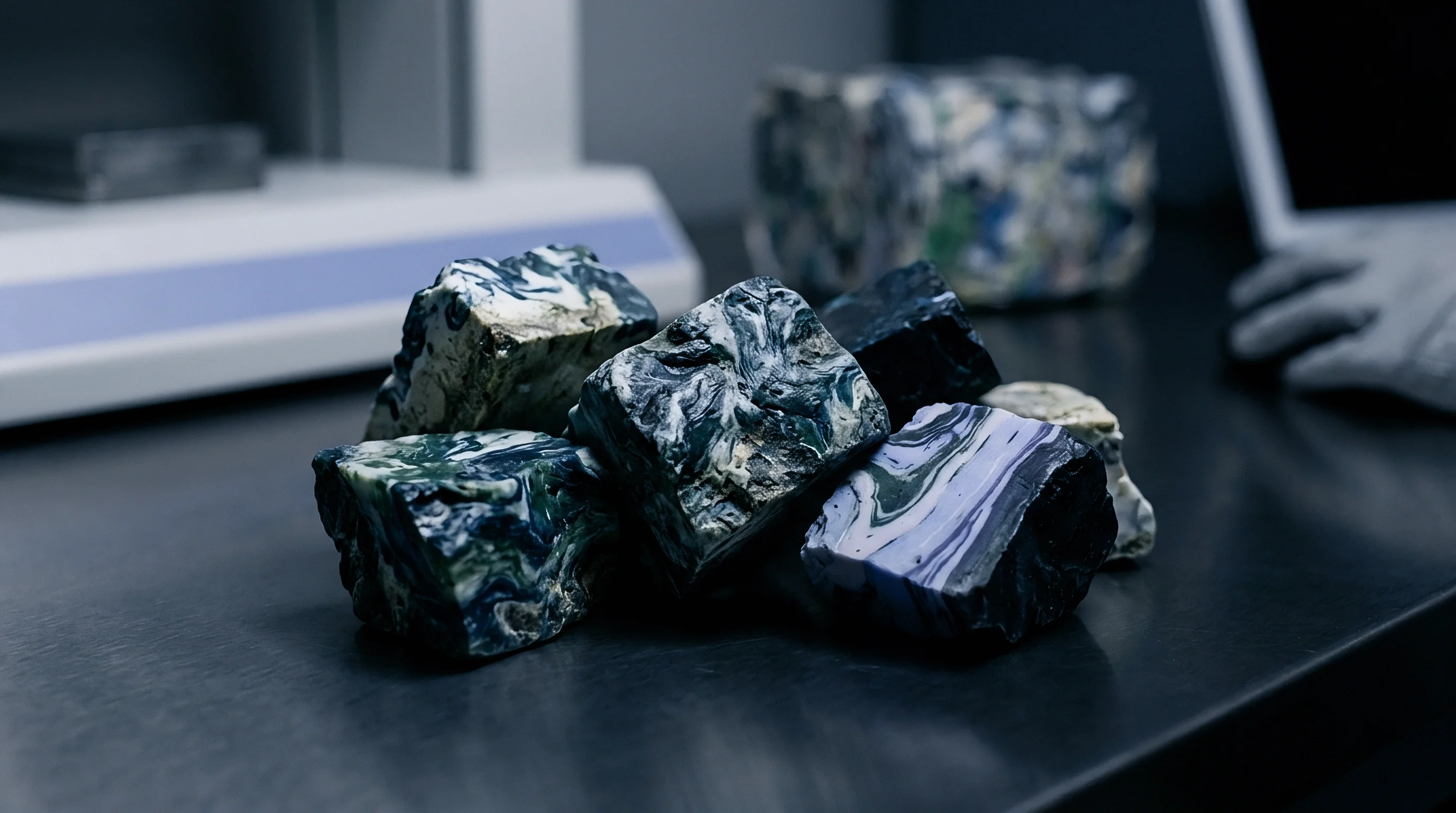
Post-consumer polyolefin streams from municipal packaging waste carry complex contamination profiles from diverse original uses, cross-contamination during collection, and residual inks or adhesives. High-density polyethylene from household detergent bottles routinely retains fragrance compounds such as limonene, linalool, alpha-isomethyl ionone, benzyl salicylate, and synthetic nitromusks. While washing removes surface dirt, fragrance molecules remain absorbed within the polymer matrix.
Rigid polypropylene containers from food, cosmetic, and automotive packaging accumulate primary degradation products, residual solvents, and industrial lubricants. Auto-oxidation of unsaturated fatty acid residues from food oils generates volatile aldehydes including octanal, nonanal, decanal, and 2-nonenal, creating rancid odors down to low parts per billion levels. Mixing non-food packaging into food-contact streams introduces unauthorized substances like phthalate plasticizers, brominated flame retardants, and industrial solvents.
Cross-contamination from household chemical containers leaves pesticide residues such as piperonyl butoxide, permethrin, and organophosphates in recycled flakes. Furthermore, polypropylene caps containing slip agents and printing inks, when processed alongside bottle bodies, introduce photoinitiators like 2-isopropylthioxanthone (ITX), 4-methylbenzophenone, and photo-cleavage fragments like methyl 2-benzoylbenzoate.
| Chemical Compound Name | Chemical CAS Registry | Origin / Generation Route | Cramer Class | TTC Exposure Threshold |
|---|---|---|---|---|
| 2,4-Di-tert-butylphenol | 96-76-4 | Irgafos 168 thermal / oxidative degradation | Class I | 1800 µg/person/day |
| Tris(2,4-di-tert-butylphenyl) phosphate | 95906-11-9 | Irgafos 168 oxidation during melt processing | Class III | 90 µg/person/day |
| Hexanal | 66-25-1 | Polyethylene thermo-oxidation / lipid oxidation | Class I | 1800 µg/person/day |
| 4-Methylbenzophenone | 134-84-9 | Overprint varnish photoinitiator cross-contamination | Class III | 90 µg/person/day |
| Limonene | 5989-27-5 | Detergent / cosmetic fragrance absorption | Class I | 1800 µg/person/day |
| 2,2,4,6,6-Pentamethylheptane | 13475-82-6 | Polypropylene oligomerization fragment | Class I | 1800 µg/person/day |
| Bis(2-ethylhexyl) phthalate (DEHP) | 117-81-7 | Non-food container cross-contamination | Class III (SVHC) | 90 µg/person/day |
| Summary: 57% of identified non-intentionally added substances fall under Cramer Class I; high-risk photoinitiators and plasticizers occupy Class III. | ||||
Legacy Additives and Restricted Chemicals
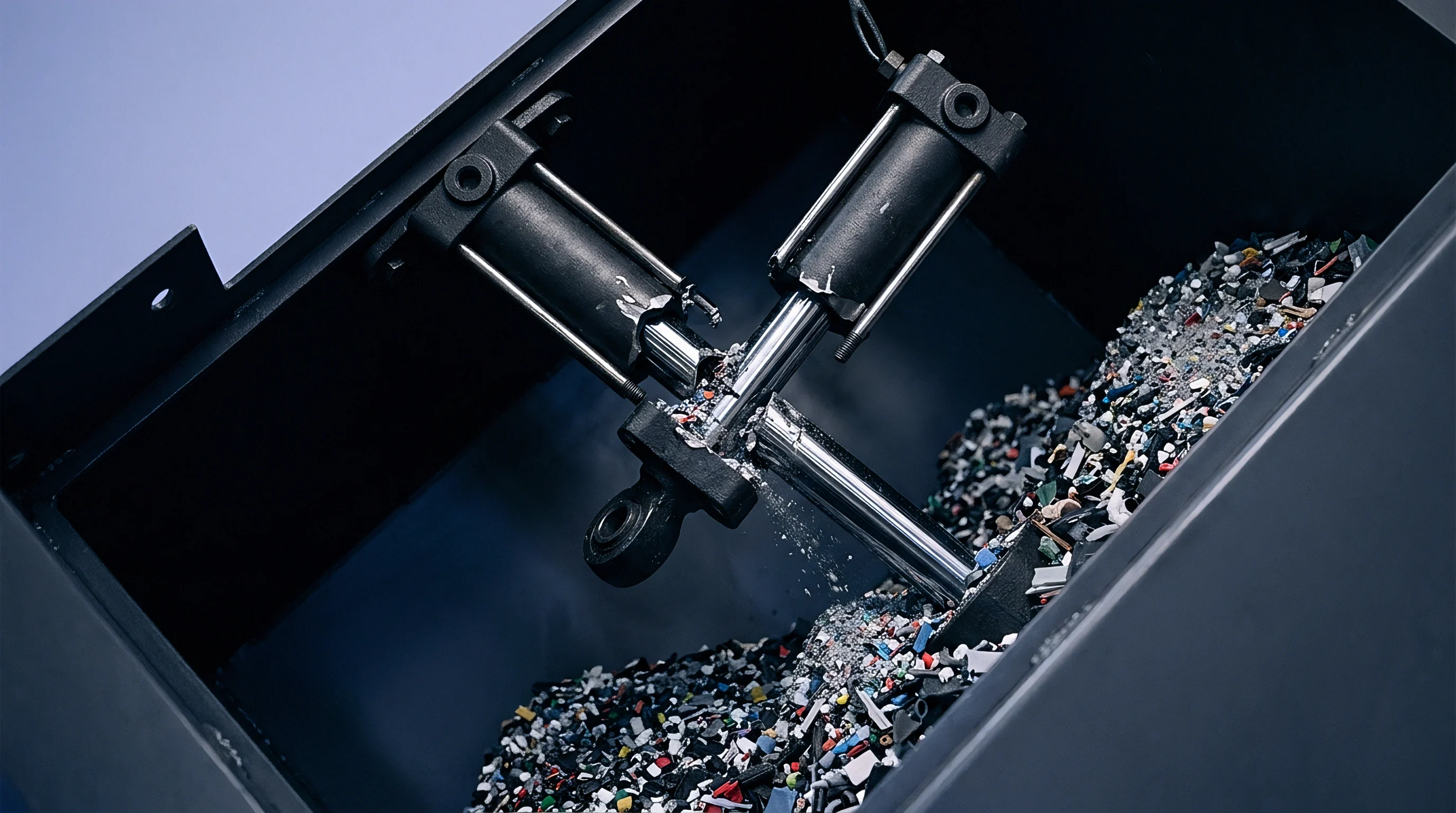
Recycling legacy polyolefins produced under older regulatory frameworks reintroduces substances now restricted or banned under REACH Annex XVII, the SVHC Candidate List, or Regulation EU 10/2011. Legacy organotin stabilizers, brominated flame retardants (polybrominated diphenyl ethers), short-chain chlorinated paraffins, and heavy metals like cadmium and lead represent persistent compliance hazards in post-consumer flake.
Phthalate esters such as bis(2-ethylhexyl) phthalate (DEHP), dibutyl phthalate (DBP), and benzyl butyl phthalate (BBP) were historically used in adhesives, inks, and non-food films. Secondary polyolefin streams absorb these plasticizers through incomplete sorting, causing migration failures against Regulation EU 10/2011 Annex I limits (such as the 1.5 milligrams per kilogram specific migration limit for DEHP).
Post-consumer high-density polyethylene derived from industrial detergent bottles systematically retains residual fragrance esters throughout standard mechanical washing cycles.
Per- and polyfluoroalkyl substances (PFAS) added to resins as processing aids to eliminate melt fracture during blown film extrusion survive recycling cycles intact. Fluoroelastomer processing aids form trace perfluorinated carboxylic acids at high extrusion temperatures; detecting short-chain perfluorinated alkyl acids by LC-MS/MS confirms this origin and triggers evaluation under expanding global PFAS restrictions.

Root-Cause Investigation for Complex Chemical Migrants
Investigating unexpected high-mass chemical migrant signals detected during routine batch verification requires a systematic elimination workflow.
- Deconstruct analytical blanks to confirm the peak does not originate from extraction solvents, laboratory glassware, GC septa, or LC tubing.
- Analyze virgin resin reference materials to isolate background additives, primary antioxidants, and legal slip agents present in baseline polymers.
- Screen input flake inventory prior to extrusion to determine whether the contaminant enters via raw waste streams or forms inside the decontamination melt extruder.
- Evaluate melt processing temperatures along screw zones to verify whether thermal degradation of primary antioxidants generated the observed peak.
- Assess wash water detergent formulations to eliminate surfactants like alkylphenol ethoxylates introduced during flake hot-washing.
An unidentified GC-MS peak detected at 0.12 milligrams per kilogram in a post-consumer polypropylene batch was traced back to a silicone lubricant applied to sample cutter blades inside the receiving laboratory.


Assay

Decontamination Validation and Challenge Tests
Regulation EU 2022/1616 governs recycled plastic materials and articles intended for food contact, establishing rules for decontamination processes used in post-consumer polyolefins. Demonstrating contaminant removal requires challenge testing, where virgin polyolefin flakes are spiked with high concentrations (typically 500 to 1000 milligrams per kilogram) of model surrogates spanning distinct volatility, polarity, and molecular weight profiles.
Standard surrogate cocktails contain volatile non-polar compounds (toluene), volatile polar compounds (chlorobenzene or isopropyl alcohol), semi-volatile non-polar compounds (phenylcyclohexane or decane), semi-volatile polar compounds (benzophenone or methyl salicylate), and non-volatile compounds (methyl stearate). The spiked material undergoes full decontamination ~ including hot washing, solid-state polymerization, vacuum stripping, or solvent extraction ~ before residual surrogate concentrations are measured to determine efficiency percentages for each chemical class.
Decontamination efficiency calculations apply the formula DE % = ((C_in – C_out) / C_in) x 100, where C_in represents initial surrogate concentration post-spiking and C_out represents final surrogate concentration in finished resin pellets. Achieving decontamination efficiencies above 99.9 percent for volatile and semi-volatile surrogates proves process capability, ensuring residual contamination falls below safe dietary exposure thresholds.

Continuous Quality Control and Batch Verification Systems
Maintaining regulatory compliance across continuous post-consumer resin production requires structured quality assurance. Automated near-infrared sorting systems strip out non-target polymers such as polyvinyl chloride, polystyrene, and polyethylene terephthalate down below 500 parts per million, while color sorting removes heavily pigmented material that absorbs higher levels of volatile contaminants.
| Testing Phase | Frequency | Analytical Parameter | Target Threshold | Action on Exceedance |
|---|---|---|---|---|
| Raw Flake Receipt | Every 20 Tonnes | NIR Polymeric Purity | > 99.5% Target Polymer | Reject lot to washline |
| Washed Flake Output | Every Batch (10 Tonnes) | Residual Volatile Organic Carbon | < 50 mg/kg Total TVOC | Re-wash cycle execution |
| Post-Extrusion Pellets | Every Shift (8 Hours) | Static Headspace GC-FID (Limonene) | < 2.0 mg/kg Limonene | Quarantine pellet silo |
| Finished Decontaminated Resin | Every Production Lot (50 Tonnes) | Untargeted GC-MS Screening | No Unknown Peak > 10 ppb | Hold shipment; initiate LC-HRMS |
| Conformity File Review | Quarterly Auditing | Specific Migration Test (Simulant D2) | Overall Migration < 10 mg/dm² | Revoke Declaration of Conformity |
Automated static headspace gas chromatography with flame ionization detection serves as a rapid batch-release tool, monitoring surrogate marker compounds such as limonene, decane, and hexanal. Limonene acts as an operational indicator for post-consumer high-density polyethylene decontamination: maintaining residual limonene below 2.0 milligrams per kilogram correlates with effective removal of the broader volatile non-intentionally added substance fraction.

Customs Audits and Declaration Traceability Requirements
Placing post-consumer recycled polyolefin articles on regulated markets requires a compliant Declaration of Conformity backed by a complete analytical testing file. Customs authorities and national market surveillance agencies audit imported plastics against declared food-contact specifications, reviewing documentation for explicit coverage of non-intentionally added substance evaluations.
Declarations of Conformity that rely on generic statements asserting compliance with Regulation EC 1935/2004 without detailing specific NIAS screening protocols fail legal scrutiny during customs audits. The compliance file must include accredited laboratory reports detailing precise batch lot numbers, extraction simulants, contact times, temperatures, mass spectrometry detection limits, and toxicological conclusions regarding unidentified peak risks.
Port-of-entry border rejections occur when verification testing by official control laboratories detects unauthorized migrants or un-evaluated volatile peaks above statutory thresholds. Importers of record bear sole legal responsibility for non-compliant shipments, facing demurrage costs, destruction fees, and potential civil penalties. Retaining representative archive samples from every imported container allows importers to run re-verification assays when official results challenge declared conformity documents.
The landed cost of post-consumer polyolefin resin reflects not only raw waste purchasing and re-granulation energy, but also the continuous analytical screening, toxicological assessment, and compliance dossier maintenance required to legalize recycled polymers for distribution in regulated markets.