Meaning
Continuous molecular breakdown occurs when high processing temperatures meet ambient atmospheric oxygen during polymer compounding and fabrication. Thermo-oxidative degradation degrades structural chains through free radical generation, driving chain scission, cross-linking, and subsequent loss of mechanical integrity in the finished component. Melt temperature setpoints, barrel residence times, and screw shear rates govern the kinetic severity of this destructive pathway across vulnerable feedstocks.
Polypropylene and linear low-density polyethylene prove especially susceptible during high-shear compounding stages, whereas fluoropolymers maintain stability far beyond standard processing boundaries. Virgin resin suppliers establish baseline antioxidant packages to inhibit this premature molecular decay, but repeated thermal recycling depletes these sacrificial stabilizers rapidly.
Thermal Stress Limits
Excessive thermal history breaks covalent bonds prematurely before the polymer reaches the forming die, leaving the melt overly fluid and dimensionally unstable. Process engineers monitor barrel temperature profiles closely to prevent local overheating within transition zones where mechanical friction compounds external heater band output. Processing equipment operating outside recommended residence time parameters induces cumulative thermal fatigue that breaks down ester linkages in condensation polymers.
Parts moulded from overheated material exhibit brittle failure modes and localized discoloration long before reaching normal service stress thresholds.
Molecular Scission Rates
Free radical cascades accelerate chain scission continuously while atmospheric oxygen diffuses into the molten polymer matrix under high pressure. Stabilizers such as hindered phenols neutralize active peroxy radicals, yet their exhaustion rate dictates the operational lifespan of regrind material streams. Extruders running recycled stock experience fluctuating melt viscosity because degraded chains shorten molecular weight distributions unpredictably across long production runs.
Moulders compensate for this shift by tightening injection velocity tolerances and lowering backpressure to minimize further mechanical shear heating.
Oxidation Resistance Limits
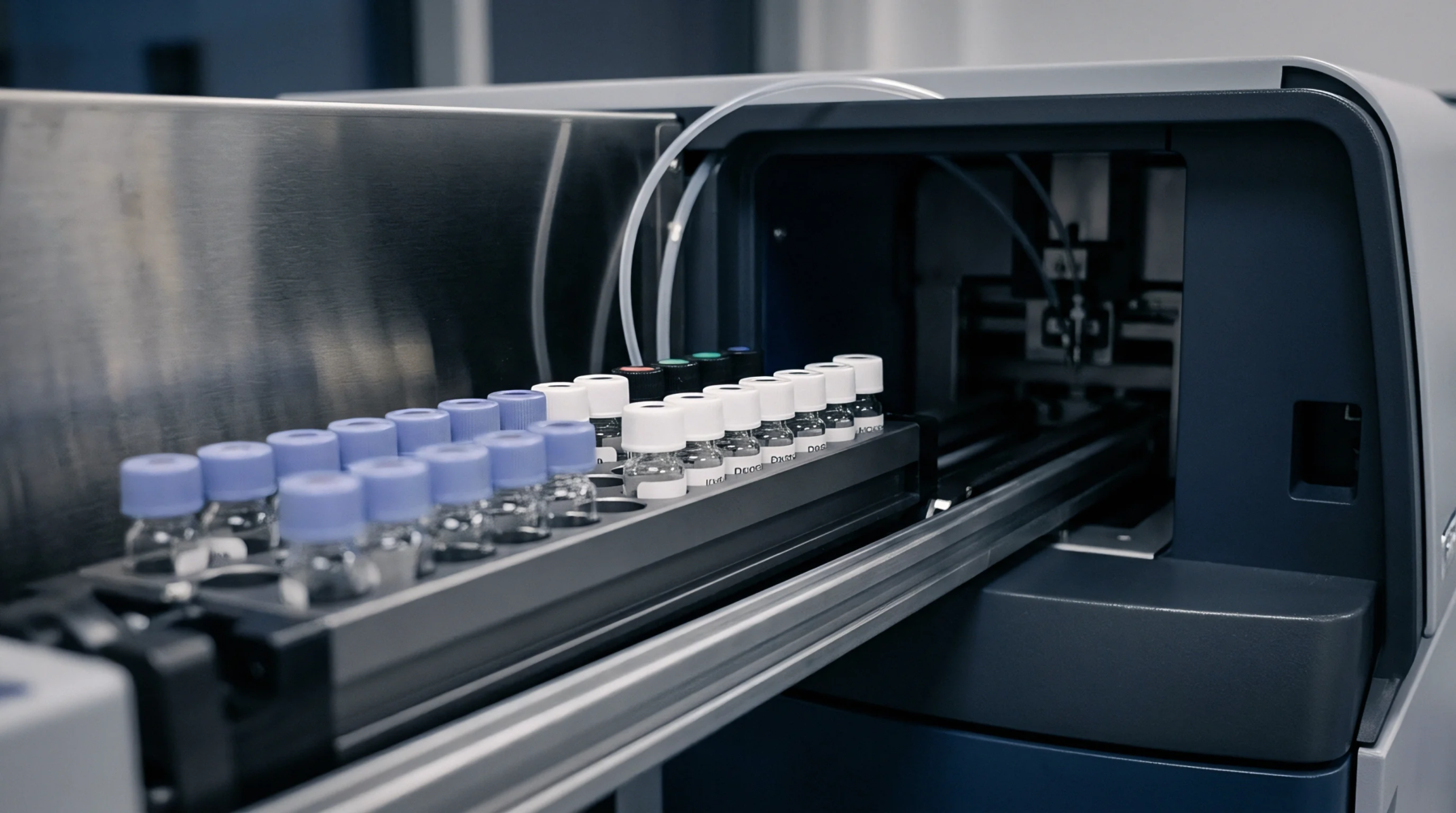
Antioxidant depletion thresholds define the boundary where structural integrity gives way to catastrophic embrittlement during prolonged thermal exposure. Laboratory melt flow rate testing detects early stages of degradation long before visible surface cracking emerges on the moulded article. Strict inventory control separates virgin pellets from high-cycle regrind to prevent compounding degradation products into high-performance structural components.
Material specifications demand specific induction periods under oxygen atmospheres to certify that compounded resins survive rigorous automotive under-the-hood temperature demands.