Meaning
Chemical compound group used as additives to prevent the structural degradation of polymers exposed to ultraviolet radiation. Unlike traditional absorbers, hindered amine light stabilizers regenerate themselves during the radical scavenging process for long-term protection. They work by deactivating the radicals formed through the break up of polymer chains.
Additive Efficiency
Effective concentrations of these molecules provide protection even at the thin surfaces of a plastic part. Because hindered amine light stabilizers do not absorb the radiation directly, they do not add unwanted colour to clear or white components. This mechanism allows high gloss and clarity to persist through seasons of outdoor usage.
Material Longevity
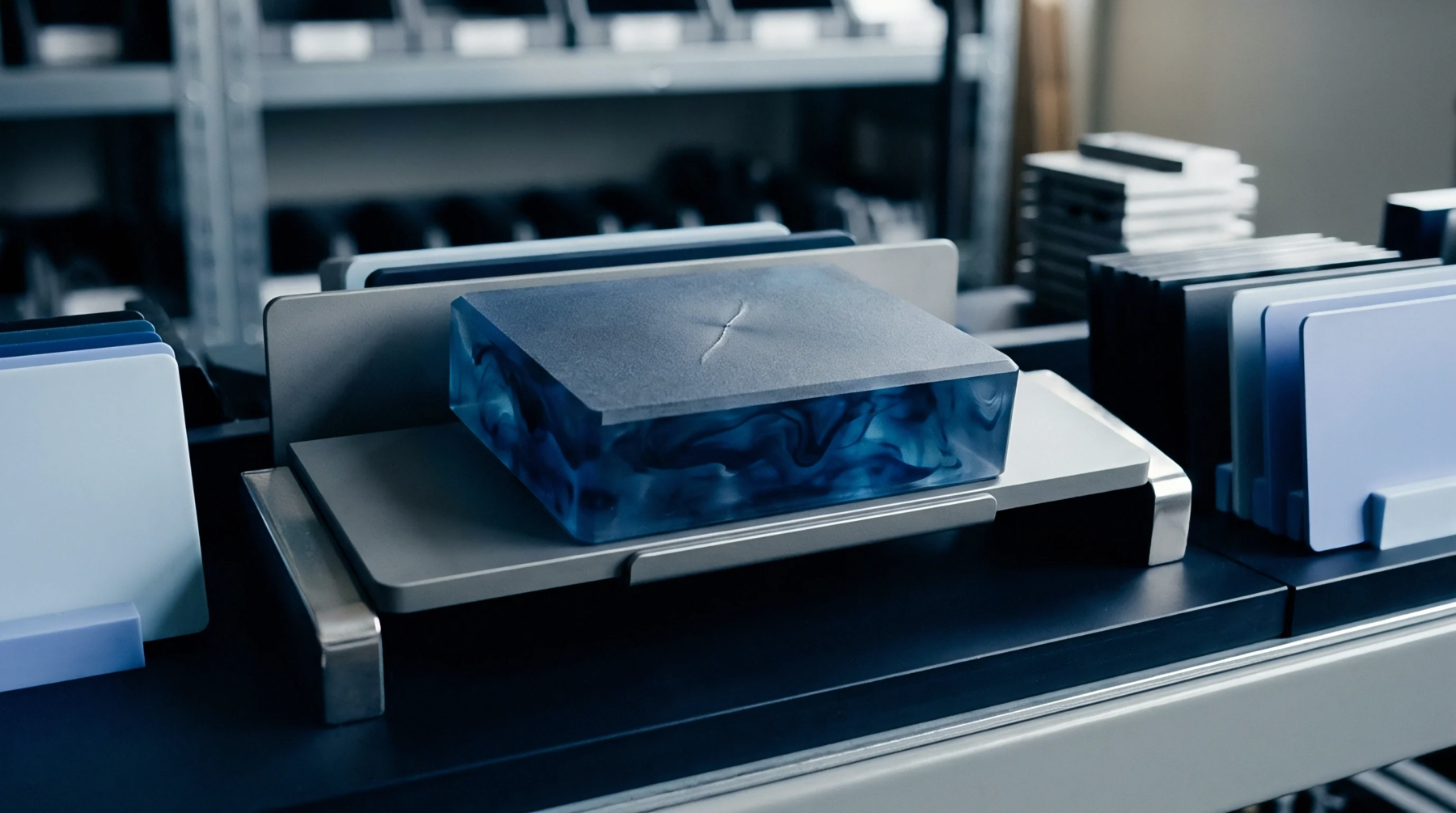
Prevention of surface micro-cracking is the primary function when these additives are included in a recipe. If hindered amine light stabilizers are omitted from a formulation intended for outdoor crates or chairs, the plastic becomes brittle and chalky within months. This protection sustains the load-bearing capacity of the geometry over time.
Radical Neutralization
Successive cycles of radical creation and capture happen without depleting the concentration of the protective compound rapidly. High-molecular weight hindered amine light stabilizers stay fixed in the plastic matrix and resist migrating to the surface where they could wash away. They ensure that safety-critical parts like stadium seating retain their impact strength.