Meaning
High-pressure analytical procedure used to characterize the flow behavior of molten polymers under conditions that simulate industrial production environments.
Operational Logic
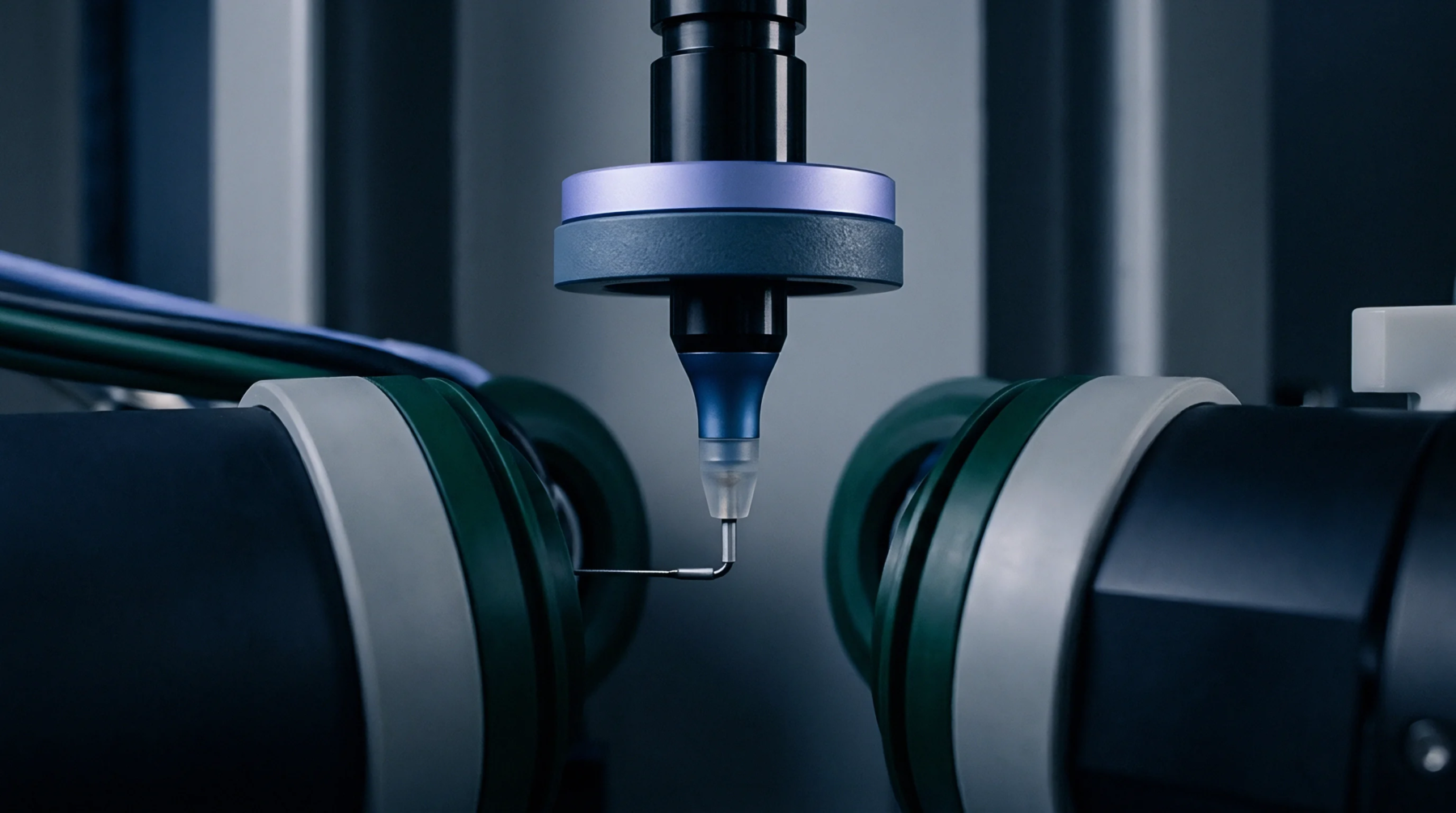
A piston forces a heated thermoplastic melt through a calibrated die at varying speeds to map the relationship between pressure and flow. Capillary rheometer testing captures data at shear rates exceeding 1000 reciprocal seconds, which represents the velocities encountered in injection moulding gates. By measuring the pressure drop across the orifice, the instrument calculates the apparent viscosity of the material.
A secondary measurement often involves a Bagley correction to account for the energy lost as the melt enters the narrow die opening.
Processing Influence
Manufacturers rely on these profiles to predict how a resin will fill a complex cavity. Accurate capillary rheometer testing data prevents the miscalculation of clamping forces required for high-cavitation moulds. When a melt behaves differently than the datasheet suggests, the moulder risks short shots or excessive flash.
Melt stability is also assessed by holding the resin at temperature for different intervals to check for thermal degradation.
Output Quality
The resulting viscosity curves allow engineering teams to optimize hot runner designs. Capillary rheometer testing enables the comparison of virgin resins against recycled batches that might have different molecular weight distributions. The test identifies the onset of melt fracture which limits the maximum production speed of extrusion lines.