Meaning
Analytical scaling relations establish hydrodynamic volume constants across polymer chains in solution. Viscosity measurements yield the Mark-Houwink equation to quantify molecular weight distributions for incoming thermoplastic resins. Intrinsic values derived from capillary viscometry determine polymer chain dimensions prior to thermal processing.
Extrusion lines depend on precise hydrodynamic parameters to maintain melt strength during high shear rates. High pressure capillary rheometers evaluate dilute polymer solutions to generate accurate constants for specific solvent combinations. Deviation from established scaling ranges occurs when branched structures alter molecular coil density beyond linear calibration limits.
Viscosity Shift
Molecular weight averages dictate final part performance across structural moulding applications. Thermal degradation inside plasticising barrels alters the molecular weight distribution of injected thermoplastic parts. Degraded polymer chains exhibit lower intrinsic viscosity values than virgin feedstock supplies.
Extruders lose pressure stability when regrind batches introduce broad molecular weight variations into the feed throat. Granular material specifications establish baseline viscosity ranges for virgin resins before factory intake approval. Part specifications demand tight control over molecular weight averages to prevent premature mechanical failure under load.
Processing technicians monitor feedstock shifts by comparing laboratory viscometry results against resin supplier certificates.
Hydrodynamic Radius
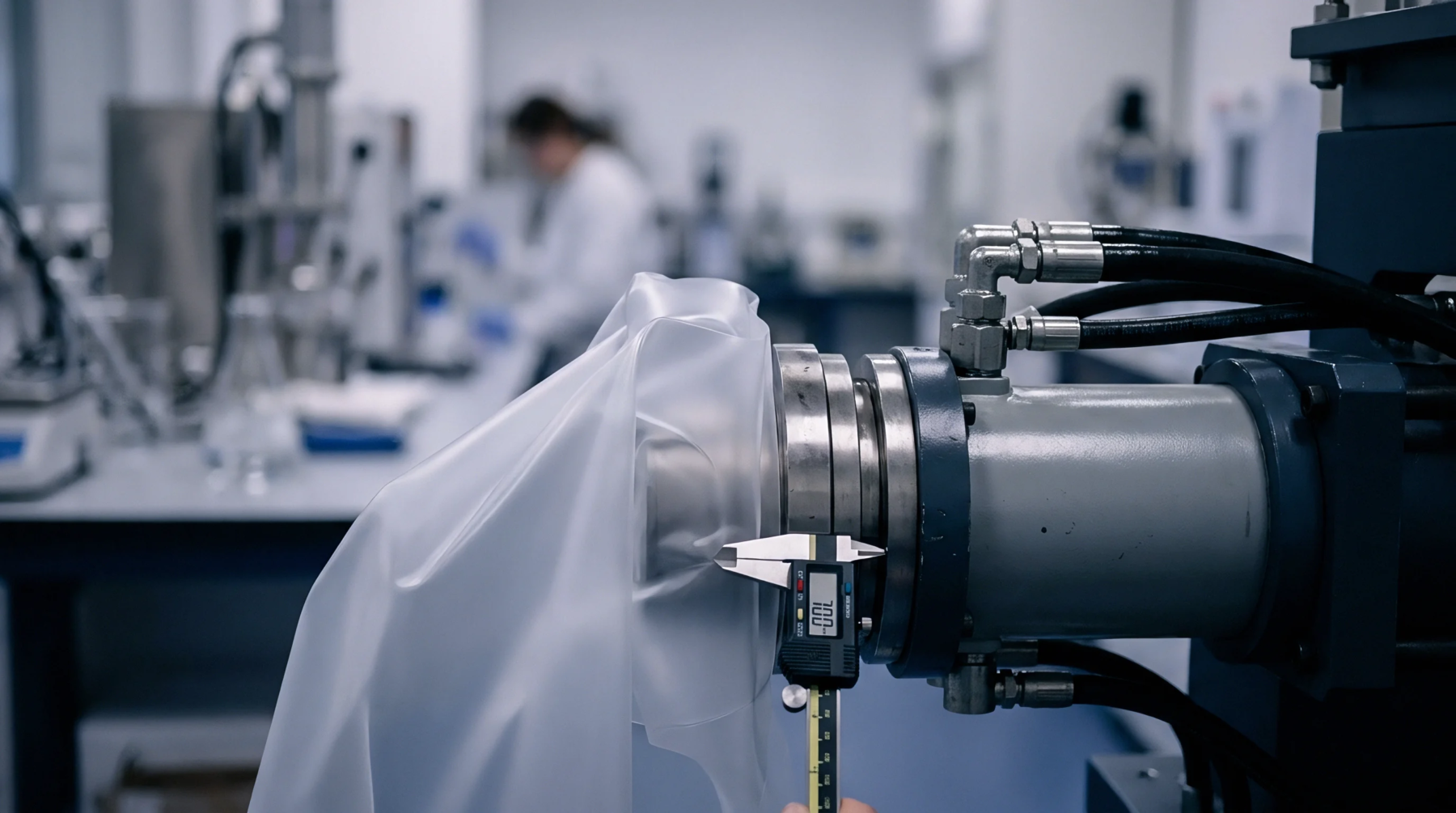
Dilute solution viscometry measures the hydrodynamic volume occupied by polymer coils within specific solvents. Capillary tubes restrict fluid flow rates to calculate relative and specific viscosity increments accurately. Temperature fluctuations during testing alter solvent density and distort final intrinsic viscosity determinations.
Moulders adjust barrel temperature profiles when incoming resin lots show unexpected hydrodynamic resistance during plasticisation. Short shots occur when degraded polymer chains reduce melt viscosity and lower cavity packing pressures. Flash defects appear along parting lines when low molecular weight fractions increase melt flow indices excessively.
Molecular Constraint
Polymer entanglement networks govern melt elasticity during high speed injection moulding cycles. Structural part specifications require exact molecular weight averages to guarantee impact strength in finished housings. Regrind economics suffer when thermal history breaks polymer backbones and shifts the Mark-Houwink parameters downward.
Injection moulders verify lot consistency through melt flow index testing when full viscometry equipment is unavailable on the shop floor. Molecular chain extension agents restore baseline hydrodynamic properties during compounding operations for recycled polyester streams. Continuous viscosity monitoring prevents scrap generation by catching raw material inconsistencies before plastic enters the mould cavity.